
I’ll never forget the morning I thought my old sedan was about to launch into orbit. It was barely thirty degrees out, and as soon as I turned the key, the needle jumped to nearly 2,000 RPM. I sat there, white-knuckled, certain I was about to see a piston come through the hood. Years ago, I actually wasted $200 replacing a perfectly good throttle body because I didn’t realize this “screaming” was actually a feature, not a bug. If you’ve ever felt that same panic while sipping your morning coffee, I’ve got you covered. Today, we’re going to figure out exactly why your car does this and—more importantly—how to tell when it’s actually a cry for help.
Your Engine Isn’t Trying to Explode on Purpose
It’s a common sight in driveways every single morning: the engine roars to life and stays loud for what feels like an eternity. While it sounds like a mechanical tantrum, it’s usually just your car’s computer taking charge of the situation. I used to think regular tune ups would just stop the noise altogether, but the truth is deeper than that. This high-idle phase is primarily about emissions and efficiency. According to SAE International, cold engines produce the highest amount of pollutants, so the ECU (Engine Control Unit) bumps up the RPMs to heat up the catalytic converter as quickly as possible. It’s a delicate dance of fuel and air that prevents your car from feeling like it’s dragging an anchor when you finally pull out of the driveway. Have you ever felt that sinking feeling in your chest when the needle stays high for more than a minute?
Is this high-revving behavior actually destroying my engine?
I get it; hearing metal-on-metal friction at high speeds before the oil has even reached the top of the head is terrifying. You might worry that the high-pitched whistle under your hood is a sign of impending doom. However, unless the idle stays high after the car reaches operating temperature, you’re usually safe.
The Engineering Trick Behind That Morning Surge
In my early days of tinkering, I once spent a whole weekend trying to “fix” a high idle by messing with vacuum lines, only to find out I was chasing ghosts. The car was just doing its job. It’s much like how essential car service tips emphasize fluid checks; the high idle is a programmed behavior designed to protect the internals. If you notice your engine temperature fluctuates while driving later in the day, that’s a real problem, but that initial surge is just the warm-up act. Let’s break down the three main reasons your car is acting like a caffeine-addicted teenager at 7:00 AM.
Hunt for the Invisible Hiss
First thing you need to do is listen for a vacuum leak. This is the #1 reason a normal high idle turns into a permanent headache. I remember working on an old 4-cylinder where the idle would never drop below 1,500 RPM even after a twenty-minute drive. I spent hours checking expensive sensors before I realized a tiny, $2 rubber hose had a hairline crack hidden underneath the intake manifold. To find these leaks, you can use the old-school trick of spraying a tiny bit of carburetor cleaner around the intake gaskets while the engine is running. If the RPMs suddenly dip or surge, you’ve found your culprit. Just be careful; I once got a little too aggressive with the spray on a hot manifold and nearly singed my eyebrows when the fumes ignited. If you find your engine still runs rough after sealing leaks, you might need to learn how to read live data to find a misfire to see if the computer is still struggling with its fuel-to-air ratio. 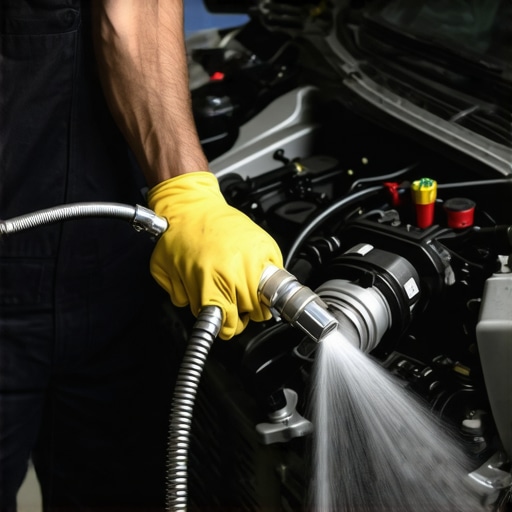
Test the Idle Air Control Valve Before You Spend Money
The Idle Air Control (IAC) valve is essentially the gatekeeper of your engine’s breathing at rest. Over time, carbon buildup turns this valve into a sticky, unresponsive mess. Instead of dropping $100 on a new part, pull the old one off and hit it with some specialized throttle body cleaner. I’ve seen dozens of cars that people thought were headed for the scrap heap come back to life just by scrubbing out a few years’ worth of soot. Keep in mind that modern cars with electronic throttle bodies don’t always have a separate IAC valve; in those cases, the computer adjusts the throttle plate directly. If that plate is gunked up with oil blow-by, your car will start feeling sluggish even after a new air filter.
The Engine Coolant Temperature Sensor Trap
This is the most overlooked part of the high-idle puzzle. Your car’s computer relies on the Engine Coolant Temperature (ECT) sensor to know when to turn the “automatic choke” off. If that sensor is failing and telling the computer it is -40 degrees outside, your car will stay in high-idle mode forever. You don’t necessarily need a professional for this check, but you should know how to find a hidden coolant leak with a pressure tester, because air pockets trapped near the sensor can cause the same erratic high-revving behavior.
Stop Ignoring the Transmission Connection
Most drivers think the engine and transmission live in separate worlds, but they are constantly communicating. Sometimes, that high-revving behavior is the ECU trying to get the transmission fluid up to temperature as quickly as possible to protect the clutch packs. I’ve had many people ask me why your transmission slips when the engine is cold, and often it is because the internal pressures haven’t stabilized due to a shortened warm-up cycle. If you notice that the high RPMs are accompanied by a grinding sound or if the car won’t shift, you need to check the top signs your car needs expert auto repair now before a simple high idle turns into a total powertrain failure.Wait, before you run out and buy a whole new transmission, let’s look at why most people actually waste money during this process. A common belief is that a regular tune ups will fix any idle issue, but that is a relic of the carburetor era. On modern fuel-injected vehicles, the ECU is a stubborn dictator. If it sees a 2% deviation in air density, it will hold that high idle regardless of how many new spark plugs you throw at it. In my experience, the ‘tune-up’ has become a catch-all term that often masks the real culprit: sensor drift.
How sensor drift tricks your car without throwing a code
One of the most frustrating things I’ve encountered is a car that revs like a jet engine but shows no Check Engine Light. This happens because of ‘in-range’ failures. The sensor isn’t dead—it’s just lying. For example, if your intake air temperature sensor says it’s 10 degrees outside when it’s actually 70, the computer will over-fuel the engine to compensate for the ‘cold’ air. According to the National Institute for Automotive Service Excellence (ASE), these ‘soft’ failures are the leading cause of misdiagnosis in modern shops. You might think your car feels sluggish even after a new air filter because of a mechanical blockage, but it’s often just the computer operating on bad data. 
Don’t fall for the parts cannon trap
The biggest mistake I see DIYers (and even some pros) make is what we call ‘firing the parts cannon.’ They see a code, buy the part, and swap it. But if you have a 15 dollar gasket that has flattened out, allowing unmetered air into the system, no amount of expensive sensors will stabilize your RPMs. You have to treat the engine as a complete ecosystem. I once saw a guy replace his entire throttle assembly only to find out his high idle was caused by a cracked brake booster hose—a $10 fix that he ignored while chasing ‘sophisticated’ problems.
Why does my fuel trim look fine when the idle is clearly wrong?
This is the ultimate advanced-reader question. If your long-term fuel trims are within the +/- 5% range, you’d assume the air-fuel ratio is perfect. However, if the ECU is using ‘Target Idle’ logic to mask a vacuum leak, it might be adding air through the throttle plate to keep the car from stalling, which effectively hides the leak from the fuel trim data. This is why how transmission overhauls save you money is such a vital topic; you have to know if the engine’s high-revving behavior is a legitimate warm-up cycle or a desperate attempt to stay alive. If you ignore these nuances, you’ll eventually see the top signs your car needs expert auto repair now, usually in the form of a melted catalytic converter. Have you ever fallen into this trap and replaced a part that didn’t need replacing? Let me know in the comments.To stop the guessing game, you need to upgrade your toolbox beyond a basic wrench set. For years, I relied on cheap $20 scanners that just gave me a code like P0507 and left me hanging. Now, I won’t touch a high-idle issue without a bi-directional scan tool. Why? Because it allows me to command the IAC valve to open and close manually while the engine is off. If I click ‘close’ on the tablet and I don’t hear a crisp ‘click’ from under the hood, I know the mechanical side is jammed before I even get my hands greasy. This level of precision is exactly why essential car service tips for safe summer drives often start with proper diagnostic prep rather than just throwing parts at the problem.
Find Invisible Leaks with a DIY Smoke Machine
Another secret weapon I use is a DIY smoke machine. You don’t need a $1,000 professional rig; a paint can, some resistance wire, and baby oil can create a thick fog that will find a leak in that 15 dollar gasket in seconds. I’ve saved thousands of dollars by finding leaks that were physically impossible to see with the naked eye. According to the Robert Bosch GmbH technical documentation on Motronic engine management systems, even a leak the size of a pinprick can cause a 15% shift in fuel adaptation values. 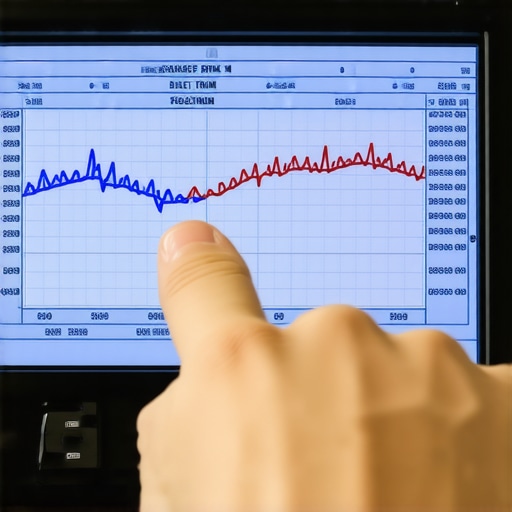
How do I maintain my engine’s idle stability over time?
Consistency is your best friend here. While maximize your car’s lifespan with regular tune ups is the foundation, I recommend a yearly cleaning of the throat—specifically the throttle body and mass airflow sensor. Carbon buildup is an inevitable byproduct of modern EGR (Exhaust Gas Recirculation) systems. If you let it go too long, you’re looking at much bigger issues. Think of it like this: preventing a small idle surge now means you won’t be asking how transmission overhauls save you money in the long-run later because your powertrain wasn’t constantly fighting against a surging engine.
AI and the Future of Your Engine Bay
Looking ahead, I see the industry moving toward AI-integrated telematics. We are already seeing high-end European models predict vacuum leaks based on subtle changes in long-term fuel trim before the driver ever feels a shudder. For those of us keeping our current rides on the road, the best thing you can do is learn to read your own data. My challenge to you: plug in a scanner this weekend, look at your ‘Target Idle’ vs. ‘Actual Idle,’ and see how hard your car is working to stay steady. If the gap is more than 50 RPM, you’ve got work to do.
Lessons Learned from a Decade of Chasing Phantom Revs
After years of getting my hands dirty, I’ve realized that a high idle is rarely a death sentence for your car, but it is a test of your patience. The most expensive mistakes I ever made happened because I assumed the loudest part was the broken one. Here is the reality of modern diagnostics: your car’s computer is often the most reliable narrator, even if it speaks in riddles. I once spent three days diagnosing a surging idle only to find a tiny crack in a vacuum line that cost less than a cup of coffee to fix. Don’t assume the computer is failing; assume it is reacting to bad data. Sometimes, the fix is as simple as replacing the 15 dollar gasket that stops your slow oil leak or cleaning a sensor instead of replacing the entire intake system. Remember that carbon is the enemy of a smooth idle, and keeping the air pathways clean is half the battle. If you stay ahead of the curve with regular tune ups, you won’t be caught off guard when the seasons change.
The Gear That Actually Saved My Sanity
If you’re serious about stopping the guessing game, you need more than just a basic socket set. I personally trust a bi-directional scan tool from brands like Autel or Launch; being able to command an IAC valve to move while you’re holding it in your hand is a game-changer. For finding those invisible vacuum leaks that drive everyone crazy, a simple smoke machine—even a DIY version using baby oil—is worth its weight in gold. Lastly, I always recommend keeping a digital multimeter handy to check the resistance of your Engine Coolant Temperature sensor. These tools transform you from a ‘parts swapper’ into a true diagnostic technician. #IMAGE_PLACEHOLDER_E#
Master Your Machine Before it Masters You
Don’t let a screaming engine in the morning intimidate you. Most of the time, your car is just doing its best to stay efficient and clean. By understanding the dance between air, fuel, and temperature, you take back control of your maintenance schedule and your wallet. If you start noticing the top signs your car needs expert auto repair now, you’ll have the knowledge to walk into a shop and speak their language, ensuring you never pay for a repair you don’t actually need. Keep learning, keep tinkering, and remember that every weird noise is just a puzzle waiting to be solved. Have you ever replaced an expensive sensor only to find out it was a cheap vacuum hose all along? Let me know in the comments below.