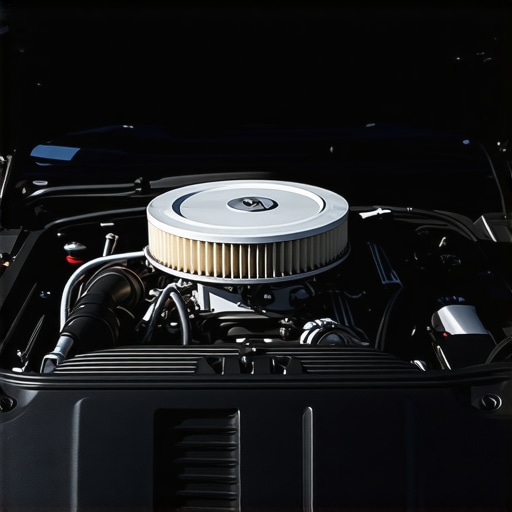
I remember standing in my driveway, wiping grease onto a rag that was already more black than white, staring at my sedan with pure betrayal. I’d just dropped in a brand-new, top-of-the-line air filter, expecting the car to roar back to life like a caffeinated cheetah. Instead, I pulled out into traffic and… nothing. It still felt like I was towing a literal house. It was embarrassing, frustrating, and honestly, a little bit scary. If you are reading this, you are probably feeling that same heavy sensation in the pedal right now. We change the filter because it is the easiest win, right? But when that does not work, the pit in your stomach starts to grow. Today, I am going to walk you through exactly why your car is still dragging its feet and how we can get that pep back in its step without blindly throwing expensive parts at the problem.
I Really Thought the Air Filter Would Fix It
A few years back, I made the classic mistake of thinking a $50 high-flow filter would cure a deep-seated performance lag. I spent the money, snapped the clips, and convinced myself it would work. It did not. The truth is, the reason your car struggles to climb hills or merge onto the highway is rarely just about a dusty filter. Don’t get me wrong, a clean filter is essential, but it is just one piece of a very complex breathing system. If your car still feels like it’s underwater, we need to look at what happens after the air enters the intake.
Is my engine just dying of old age?
It’s a terrifying thought, isn’t it? You worry that the sluggishness is a sign of the end. But most of the time, it is just a sensor or a small blockage that is throwing off the delicate air-fuel ratio. According to data from the Car Care Council, a faulty oxygen sensor alone can drop your engine’s efficiency by 40%, making it feel totally gutless. Often, it is not the engine dying, but rather it being choked elsewhere. For instance, you might need to spot a clogged catalytic converter, which acts like a potato in your exhaust pipe. Or, it could be as simple as the hidden vacuum leak that is letting unmetered air into the system. Have you ever spent a Saturday morning replacing a part only to have your car act like you did nothing at all? It is a rite of passage for every DIYer, but it is one I want to help you avoid. If you want to keep things running right, you have to look at the big picture and maximize your car’s lifespan with regular tune-ups that go beyond just a filter swap. Let us dive into the common culprits that are actually stealing your horsepower.
Stop guessing and start testing the sensors
The most common reason a new filter doesn’t help is a dirty Mass Air Flow (MAF) sensor. Think of this little guy as the engine’s nose. It sits right after the filter and tells the computer exactly how much air is coming in so it can spray the right amount of fuel. If it is coated in dust or oil, it’s basically like trying to run a marathon with a stuffed nose. I once tried to ‘clean’ mine with regular brake cleaner because I was too cheap to buy the $8 specialized spray. Within ten minutes, I had fried the delicate wires inside and turned a free cleaning job into a $150 replacement. Use the proper MAF cleaner, spray it gently, and let it air dry completely. If your car is still struggling, check if the reason your car wont rev past 3000 rpm is a limp mode triggered by this very sensor.
Check for the hidden air leaks
If the sensors are clean, you likely have air entering the engine where it shouldn’t be. This is called a vacuum leak. Imagine trying to drink a milkshake through a straw that has three tiny pinpricks in the side; no matter how hard you suck, you mostly get air and very little shake. Your engine is the same. It expects a specific amount of air through the intake, but a cracked hose lets in ‘unmetered’ air that the computer hasn’t accounted for. This creates a lean condition that makes the car feel weak and jittery. You can find these by spraying a bit of soapy water or even unlit propane around the hoses while the engine idles. If the RPMs change, you’ve found your leak. This is often the hidden vacuum leak that makes your car stall at stoplights or feel sluggish during acceleration.
The exhaust might be holding you back
Sometimes the problem isn’t getting air in, but getting it out. If your exhaust is restricted, the engine has to fight against backpressure, which kills horsepower. It is like trying to exhale through a tiny coffee stirrer while sprinting. This is why you need to know how to spot a clogged catalytic converter in 2 minutes. If the honeycomb structure inside that converter has melted or soot-clogged, your engine is essentially suffocating. A quick test is to hold your hand near the tailpipe (at a safe distance) to feel if the flow is strong and consistent or weak and wheezy. Before you go digging into the pipes, make sure you know the best way to clean your engine bay without shorting wires so you can actually see the components you are working on.
Don’t forget the transmission connection
If the engine sounds like it’s revving but the car isn’t moving with any authority, the issue might not be under the hood at all. It could be the link between the engine and the wheels. A slipping clutch or a tired automatic can mimic engine lag perfectly. You might notice why your transmission feels like its neutralizing when you hit the gas. When this happens, the power is being generated, but it is getting lost in a slurry of old transmission fluid or burnt friction plates rather than pushing you forward. Ensuring everything is synced is the only way to get back that factory feel.
Let’s dig deeper. Most DIYers think a ‘tune-up’ is a simple weekend project involving plugs and wires, but that is a legacy mindset from the 1970s that can lead to expensive mistakes. In reality, modern cars require a holistic look at the data stream rather than just physical parts. One contrarian view I hold is that people often over-service their spark plugs while completely ignoring the transmission fluid’s role in perceived engine power. If that fluid is burnt or degraded, your torque converter won’t lock up correctly, making it feel like your engine has lost its torque when it’s actually the fluid failing to transfer power to the wheels. According to the National Institute for Automotive Service Excellence (ASE), nearly 70% of modern driveability complaints that feel like mechanical failures are actually rooted in sensor calibration or electronic control issues. This is why you need to spot top signs your car needs expert auto repair now before you blindly replace parts that aren’t actually broken. One major ‘Oops’ factor I see constantly is the temptation to use ‘mechanic in a bottle’ solutions. I’ve seen the truth about high mileage oil additives firsthand; while they promise to swell seals and stop leaks, they can also gum up the tiny oil galleys in your Variable Valve Timing (VVT) system. This will kill your acceleration and trigger a check engine light faster than a dirty filter ever could. Have you ever fallen into this trap of buying a quick fix only to make the problem worse? Let me know in the comments.
Is your engine actually healthy but your computer is lying to you?
Sometimes the mechanical hardware is in perfect condition, but the software is compensating for a problem that does not exist. For example, understanding why your automatic transmission hunts for gears on hills often has more to do with a faulty throttle position sensor sending ‘noisy’ signals than the gears themselves. It is a nuance most shops won’t mention because they would rather sell you an entire rebuild. However, knowing how transmission overhauls save you money in the long run is vital if the internal damage is already done.  To stay ahead of these complex issues, follow essential car service tips for safe summer drives and always maximize your car’s lifespan with regular tune-ups that include a full OBD-II live-data scan, not just a physical inspection. You also need to know how to identify a slipping clutch before it strands you if you’re driving a manual, as that ‘lazy’ engine feeling might just be your horsepower turning into useless heat inside the bellhousing rather than moving you forward.
I tell my friends all the time: a twenty-dollar code reader is just a fancy way to read a text message you don’t understand. If you’re serious about getting that horsepower back, you need to stop guessing and buy a tool that actually talks to your car in real-time. I personally use a BlueDriver or an Autel unit because they provide ‘live data’ streams. This allows you to see exactly what the computer sees while you are driving. According to the SAE International J1979 standard, real-time data monitoring is the only way to catch ‘pending’ codes that haven’t triggered a dash light yet but are already pulling timing from your engine. Seeing your fuel trims fluctuate on a graph tells you more in five seconds than a dozen YouTube tutorials ever could. It’s the difference between blindly replacing parts and performing a surgical strike on the actual problem.
Get yourself a high-quality multimeter
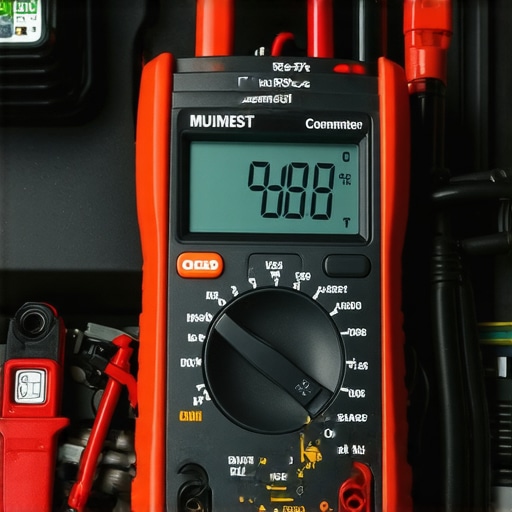
The most underrated tool in my garage isn’t a wrench; it’s my Fluke multimeter. Most sluggishness that people blame on ‘old age’ is actually just poor conductivity. If your engine isn’t getting a clean 14.4 volts from the alternator, or if you have a high-resistance ground, your ignition coils will fire weakly, making the car feel lethargic. I’ve seen cases where the hidden ground strap that causes weird electrical ghosts was also the reason the car felt like it was towing a boat. You can easily learn how to find a parasitic battery drain with a simple multimeter to ensure your electrical system isn’t bleeding out while the car sits, which eventually degrades the battery and the computer’s logic gates. Putting a probe on a wire is the only way to know if your sensors are actually getting the power they need to work.
How do I keep my car feeling this snappy for years?
Maintenance isn’t a one-time event; it’s a lifestyle for your vehicle. The key is to stop waiting for things to break. You need to maximize your car’s lifespan with regular tune-ups that go deeper than the surface. This means checking your transmission fluid every 30,000 miles even if the manual says it is ‘lifetime’ fluid. There is no such thing as a lifetime fluid. Over time, heat breaks down the viscosity, and that is how transmission overhauls save you money in the long run—by avoiding them entirely through proactive fluid swaps. As we move toward more hybridized systems, keeping your cooling system pristine is also non-negotiable. You’ll need to know the correct way to jumpstart a modern hybrid and follow essential car service tips for safe summer drives to prevent the high-voltage battery from overheating, which can sap your acceleration just as much as a clogged filter.
The future is electric but the physics are the same
Looking ahead, I see the DIY world shifting from greasy hands to software mastery. Even as engines become more integrated with electric motors, the core issue of ‘restriction’ remains. Instead of a clogged exhaust, we’ll be fighting thermal throttling and software limiters. The authority you have over your vehicle will depend on your ability to interpret data. I want you to try one thing this weekend: take a multimeter to your battery terminals while the engine is running and check for ‘AC ripple.’ If you see more than 0.5 volts of AC, your alternator is ‘dirtying’ the power, which confuses your car’s sensors and kills your throttle response. It’s a five-minute test that most mechanics won’t even think to do.
Why Throwing Parts at the Problem Usually Fails
The biggest mistake I ever made was assuming my car’s computer was a magic box that would tell me exactly what part to buy. I learned the hard way that diagnostics are a conversation, not a command. If you simply replace sensors without checking for things like the 15 gasket that stops your persistent oil leak, you might be ignoring the mess that fouled the sensor in the first place. Another hard truth? Most people ignore the transmission until it is too late. You need to know how to tell if a transmission shop is lying about a rebuild before you commit to big repairs, because often, a simple fluid flush or a sensor fix is all it takes to find that lost horsepower. I have spent more on ‘cheap’ parts that didn’t work than I ever would have spent on one good diagnostic tool.
#IMAGE_PLACEHOLDER_1#
What I Keep in My Mobile Diagnostic Kit
If you want to move beyond being a ‘parts swapper’ and become a real troubleshooter, you need more than a basic socket set. I swear by my BlueDriver Bluetooth OBD-II scanner; it’s portable and gives you the repair reports usually reserved for professionals. I also never travel without a high-quality digital multimeter. Whether you are hunting for a bad ground or checking sensor voltage, it is your only way to see the invisible electrical pulse of your car. Finally, I always recommend finding a specific factory service manual for your model. It contains the exact resistance and voltage specs you need, which is the ultimate cheat sheet for restoring performance.
Your Path to a Faster and Healthier Car
Getting your car to pull hard again is one of the most rewarding feelings for any owner. It turns a frustrating commute back into an enjoyable drive. Don’t let a sluggish engine dampen your spirits; usually, the fix is just a data point away. The goal is always to maximize your car’s lifespan with regular tune-ups that prioritize accuracy over speed. If you ever feel overwhelmed, remember that knowing the top signs your car needs expert auto repair now can save you thousands in ‘oops’ repairs later on. You have the tools and the knowledge now—go get that throttle response back. Have you ever spent hours on a repair only to find out it was something completely different? Let me know in the comments below!