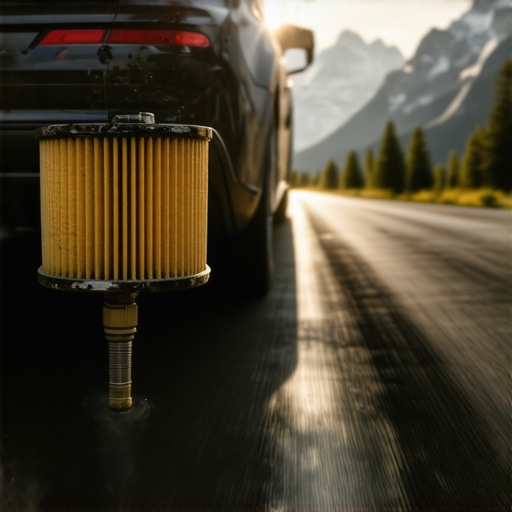
I was halfway up a steep grade on the local bypass, white-knuckling the steering wheel while minivans zoomed past me like I was standing still. My engine was screaming, the RPMs were climbing, but my actual speed was dropping faster than my confidence. It’s a sinking feeling. I remember thinking, “Is this the day the old girl finally gives up the ghost?” Back then, I didn’t realize I was ignoring the top signs your car needs expert auto repair now. I’d been treating my car like a toaster—expecting it to work perfectly without ever looking under the hood. It was a wake-up call that started my obsession with figuring out exactly why vehicles lose their muscle when gravity starts fighting back.
Your Engine Isn’t Necessarily Dying, It’s Likely Suffocating
Most folks think a car struggling on a hill is just a natural sign of aging, like a person getting a bit slower in their sixties. That is usually a myth. My biggest blunder early on was letting a cheap, fifteen-dollar part nearly cascade into a multi-thousand dollar disaster. I ignored a simple maintenance schedule, thinking “good enough” was actually enough. It wasn’t. According to the Car Care Council, neglected maintenance is a primary factor in vehicle performance degradation, yet we often wait until the check engine light is flashing like a disco ball to act. Today, we are going to dive into the specific culprits—from fuel delivery to exhaust backpressure—and get your car climbing with confidence again. Have you ever had that terrifying moment where you’re flooring it just to keep up with traffic on an incline?
Is This Problem Actually Fixable Without a Second Mortgage?
The fear of a massive repair bill keeps a lot of people from visiting a shop. I get it. I used to be the guy who would turn up the radio to drown out a weird noise. But ignoring the problem only makes the eventual bill bigger. Sometimes, the fix is as simple as realizing the forgotten filter that kills your fuel pump is actually the bottleneck. Other times, you just need to maximize your cars lifespan with regular tune-ups to clear out the carbon and gunk. If your car feels like it’s “searching” for the right gear, you might also want to look into why your automatic transmission hunts for gears on hills. Most of the time, we can pinpoint the issue to a few key systems before you ever have to consider trading the car in for scrap.
Give Your Engine Room to Breathe
Think of your engine like a marathon runner. If you force that runner to breathe through a cocktail straw, they are going to collapse the moment they hit an incline. Your car is no different. The air intake system is the first place I look whenever a vehicle feels sluggish. A few years back, I had a client bring in a sedan that felt like it was dragging an anchor. We found the small crack in your air intake that kills mpg and robs the engine of the oxygen it needs for combustion. It’s a cheap rubber boot, but it’s the gatekeeper of performance.
The Simple Light Test for Your Air Filter
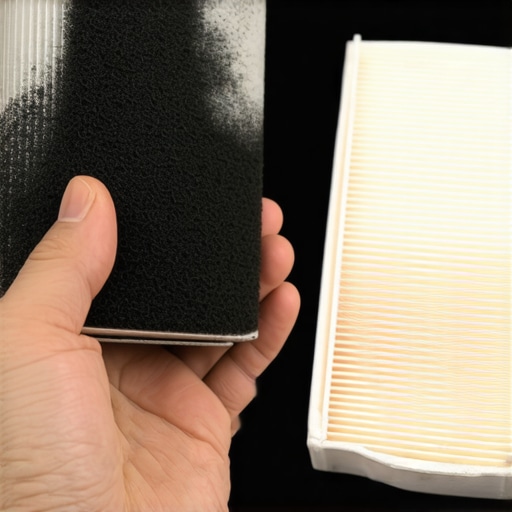
Before you pay for a diagnostic, pop your air filter out and hold it up to a bright sun or a shop light. If you can’t see light passing through the pleats, your engine is suffocating. I once spent three days chasing a complex sensor issue only to realize a squirrel had turned my airbox into a pantry. To maximize your cars lifespan with regular tune-ups, this is the easiest win you can get. If the air can’t get in, the fuel won’t burn right, and you’ll find the reason your car wont rev past 3000 rpm is simply a lack of oxygen.
Clear the Path for Exhaust Flow
Power isn’t just about what goes in; it’s about how fast you can get the waste out. When your exhaust system is restricted, backpressure builds up, and the engine has to fight against itself just to turn over. This is common if you’ve been ignoring top signs your car needs expert auto repair now, like a rattling sound from underneath the chassis. If that honeycomb structure inside your catalytic converter breaks down, it’s like trying to exhale with your hand over your mouth while sprinting uphill.
Identify a Clogged Converter in Seconds
You don’t need a degree in mechanical engineering to check for this. You can actually how to spot a clogged catalytic converter in 2-minutes by checking the temperature before and after the unit with an infrared thermometer. If the outlet is cooler than the inlet, you’ve found your bottleneck. I remember a buddy of mine almost sold his truck for scrap because it wouldn’t go over 40 mph on the highway. We cleared the exhaust, and it was like he’d swapped in a new engine overnight.
Verify Your Transmission Isn’t Slipping Away
Sometimes the engine is making the power, but the transmission isn’t delivering it to the wheels. This is usually when you see the RPMs skyrocket while your speed stays the same. If you’re worried about the bill, knowing how transmission overhauls save you money in the long run can take the sting out of the repair. However, you have to be careful about who does the work; always know how to tell if a transmission shop is lying about a rebuild to ensure you aren’t paying for work that isn’t being done. When I first started working on cars, I missed a slipping clutch because I was too focused on the spark plugs. Now, I always check the fluid color and smell first. If it smells like burnt toast, the “meat” of your transmission is likely toasted too.
Let’s dig deeper into what a ‘tune-up’ actually means in the 21st century. Most people think they just need new spark plugs and wires, but that is a dangerous oversimplification. In my experience, a tune-up is no longer about mechanical adjustments; it’s about sensor health and signal integrity. I’ve seen countless drivers throw money at new ignition coils when the real culprit was a lazy O2 sensor that hadn’t quite failed enough to trigger a check engine light. To truly maximize your cars lifespan with regular tune-ups, you have to look at fuel trim levels. If your mechanic isn’t looking at a live data stream, they aren’t tuning anything—they are just guessing. Have you ever fallen into this trap? Let me know in the comments.
Stop Believing the Myth About Dirty Transmission Fluid
Everyone says, ‘If you haven’t changed your transmission fluid in 100,000 miles, don’t touch it or the transmission will slip.’ This is probably the most damaging piece of ‘old-school’ advice still circulating. In reality, dirty fluid is filled with abrasive particulates that actively eat away at your clutch packs. While a high-pressure flush on a neglected unit can be risky, a simple drain-and-fill is almost always better than doing nothing. I’ve watched people ignore their transmission until they need to know how transmission overhauls save you money in the long run, simply because they were afraid of fresh oil. The fluid didn’t cause the failure; the decade of neglect did. Just make sure you know how to tell if a transmission shop is lying about a rebuild before you commit to a major overhaul.
The Electrical Ghost That Fools Even Experienced Mechanics
Sometimes the lack of power has nothing to do with fuel or air. Modern cars rely on a complex web of sensors that all share common ground points. If one ground wire is corroded, it can send ‘noise’ through the entire system, making your computer think the engine is knocking when it isn’t. This results in the ECU pulling back timing and killing your power on inclines. I always check the hidden ground wire that ruins your sensors before I ever recommend replacing expensive parts. It’s often the one electrical fault that most mechanics misdiagnose as a dead battery or a failing alternator. According to the National Institute for Automotive Service Excellence (ASE), advanced drivability issues are frequently linked to these ‘ghost’ signals from degraded wiring rather than actual component failure.
Why Does My High-End Scanner Say Everything Is Fine When the Car Still Boggs Down?
This is the question that separates the DIYers from the pros. A scanner only tells you what the computer thinks is happening. If a sensor is ‘biased’—meaning it is reporting a number that is technically within a legal range but factually wrong—the computer won’t throw a code. For example, if your mass airflow sensor is slightly dirty, it might report 10% less air than is actually entering the engine. The computer then provides 10% less fuel, and suddenly you’re struggling to make it up a hill without a single warning light. This is where the ‘oops’ factor comes in: using ‘universal’ fluids or cheap aftermarket sensors. Transmissions, in particular, are incredibly sensitive to friction modifiers. If you don’t understand the real difference between full synthetic and blends, you might accidentally put a fluid in that causes your torque converter to shudder under load. Always stick to the OEM-specified fluid weight to avoid a self-inflicted repair bill.
The Only Tool That Actually Tells the Truth
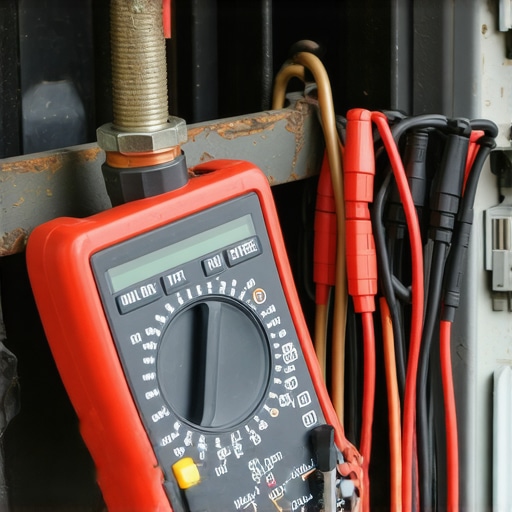
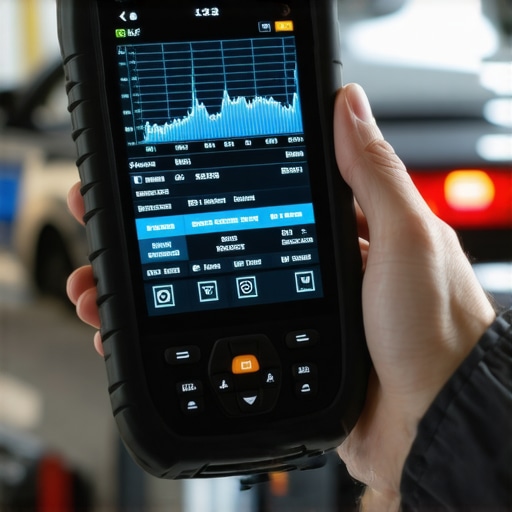
I remember the first time I realized a basic code reader wasn’t enough. I was looking at a vehicle that ran perfectly at idle but buckled the moment it faced a 6% grade. I finally upgraded to a bi-directional scanner. Unlike the cheap OBD-II dongles you find online, a professional-grade unit allows me to perform ‘active tests.’ This means I can manually command a transmission solenoid to fire or force a fuel pump to prime while the engine is off. If you really want to maximize your cars lifespan with regular tune-ups, you need to see the live data stream, not just the stored error codes. For those of you fighting those electrical ghosts I mentioned earlier, you absolutely must learn how to find a parasitic battery drain with a simple multimeter. It is the single most important skill for modern car ownership. I’ve seen fifty-dollar multimeters save owners from two-thousand-dollar dealership ‘diagnostic’ marathons.
How do I keep my transmission healthy for the next decade?
Maintenance isn’t a one-and-done event; it is a lifestyle for your vehicle. The key is monitoring heat—the number one killer of automatic gearboxes. I personally recommend installing an auxiliary transmission cooler if you do any towing or live in a hilly area. Even if you understand how transmission overhauls save you money in the long run, the goal is to never need one in the first place. This is where the technical details matter. According to the SAE International J2360 standard, the thermal stability of your lubricant determines whether your gears stay protected or turn into a slurry of metal shavings. I always check the fluid every other oil change. If you see the top signs your car needs expert auto repair now, such as a burnt smell or a slight delay in shifting, you are already behind the curve.
The End of the Guessing Game is Near
The industry is moving toward predictive maintenance. We are already seeing high-end vehicles that monitor fluid conductivity and particulate count in real-time. Soon, your car won’t just tell you the oil is low; it will tell you that a specific bearing is wearing at an accelerated rate based on vibration harmonics. However, no matter how smart the sensors get, the basics of lubrication remain unchanged. You still need to know the real difference between full synthetic and blends to keep those tight-tolerance valves moving freely. Don’t let the tech intimidate you; it is just a better way to listen to what the machine is already trying to say.
My biggest piece of advice for any DIYer or enthusiast is to stop chasing symptoms and start chasing data. If your car feels sluggish on a hill, don’t just buy new spark plugs. Use an infrared thermometer to check the temperature of your transmission pan after a twenty-minute drive. If it is hitting north of 220 degrees Fahrenheit, your fluid is breaking down and your clutches are on borrowed time. This simple ‘heat test’ is the advanced tip that has saved more of my projects than any other diagnostic. Try it this weekend after your commute—you might be surprised by what you find.
The Hardest Lesson I Learned While Chasing Engine Ghosts
Early in my career, I wasted weeks and hundreds of dollars replacing perfectly good sensors because I didn’t understand that the wiring was the real culprit. I learned that a ‘code’ is just a starting point, not a diagnosis. If I had known the one electrical fault that most mechanics misdiagnose as a dead battery, I could have saved a lot of headache. Now, I never swap a part until I’ve verified the signal. It’s also taught me that preventative care is much cheaper than emergency repairs. Truly, the best way to maximize your cars lifespan with regular tune-ups is to treat your maintenance schedule as a promise to your future self, not a suggestion.
Gear That Actually Makes a Difference in My Garage
I don’t believe in buying every gadget on the shelf, but a few items are essential for any serious car owner. I always keep a high-quality multimeter and a thermal imaging camera (or at least an infrared thermometer) nearby. These aren’t just for pros; they help you see the heat and electricity that your eyes miss. I also recommend keeping a logbook of every fluid change and part replaced. When you understand the real difference between full synthetic and blends, you realize that paying a few extra dollars for quality oil is the cheapest insurance policy you can buy for your engine’s internal components.
Your Journey Toward a More Reliable Ride Starts Now
The goal isn’t just to fix the car; it’s to understand why it broke so it never happens again. By watching for the top signs your car needs expert auto repair now, you take the power back from the repair shop and put it in your own hands. You’ve got the knowledge now to listen to your engine and feel the transmission’s health. Don’t wait for the next steep grade to test your vehicle—start checking those filters and fluids today. Have you ever discovered a surprisingly simple fix for a car that was acting like it was on its last legs? Let me know your story in the comments below!