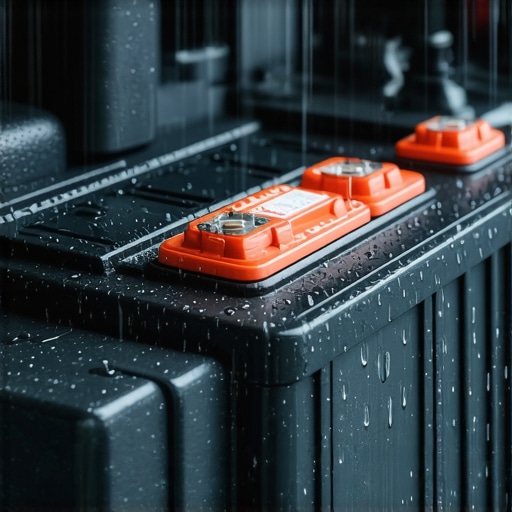
I’ll never forget that soggy Tuesday in April. I had my coffee in hand, my boots were laced, and the rain was coming down in those big, fat sheets that make you want to stay in bed. I turned the key, and instead of that reassuring roar of the engine, I got a pathetic, rhythmic clicking. My heart sank. This wasn’t the first time. It seemed like every time the humidity spiked or a storm rolled through, my car decided to take a personal day. I felt like I was being gaslit by a machine. My mechanic kept saying the battery tested fine, but I knew better. I eventually realized that water wasn’t just falling from the sky; it was exposing every little electrical weakness I’d ignored during the dry months.
The Rainy Day Click of Death is Not Your Imagination
It’s incredibly frustrating when your vehicle acts like it has a seasonal allergy to moisture. You might think you’re crazy, but there’s a very real scientific reason why a downpour turns your reliable ride into a driveway ornament. Usually, it’s not that the rain ‘killed’ a healthy battery overnight. Instead, the moisture acts as a conductor for existing issues. If you have a layer of grime or old acid on top of your casing, that dampness creates a bridge, allowing the current to leak right out. I learned the hard way that cleaning battery corrosion with baking soda isn’t just an old wives’ tale—it’s a survival skill for wet climates. The problem often goes deeper than just the terminals, though. High humidity increases electrical resistance in worn-out wires and can cause tiny cracks in your ignition system to short out. According to data from the Battery Council International, extreme moisture levels are a primary driver of premature lead-acid battery failure. When it rains, your car has to work twice as hard to get that initial spark. If your system is already on the edge, the extra resistance from the damp air is the final shove off the cliff.
Is my car actually broken or is it just sensitive to the wet?
You aren’t just dealing with a ‘finicky’ car; you’re likely dealing with a hidden ground strap issue or a parasitic drain that only reveals itself when the air is thick. Early in my DIY journey, I wasted three hundred dollars replacing a perfectly good alternator because I didn’t understand how moisture interacts with old sensors. I’ve seen so many folks get stuck in this loop, and it usually stems from that one electrical fault that most mechanics misdiagnose as a simple dead battery. We’re going to stop that cycle today. I want to show you exactly how to seal up those vulnerabilities so you can stop checking the weather forecast before you decide if you can make it to work. Does your car only refuse to start when the pavement is wet, or does it give you trouble on dry days too? [image-placeholder]
Scrub Away the Invisible Electricity Thief
I used to think my battery was ‘fine’ because it looked clean from five feet away, but that was a rookie mistake. I finally took a wire brush to the terminals during a stormy week in March and saw the blue-green fuzz hiding underneath the plastic covers. That fuzz isn’t just ugly; it’s an insulator that loves humidity. It creates a high-resistance film that blocks your alternator from fully charging the battery during short, wet trips. If you want to maximize your cars lifespan with regular tune ups, you have to prioritize these points of contact. I once spent an entire Saturday morning scrubbing my old truck’s terminals with a baking soda paste and a stiff brush until the lead shone like a new dime. The very next morning—another rainy one—the engine fired up instantly without that dreaded hesitation. The moisture no longer had a ‘dirty’ path to bridge across the casing, so the energy stayed locked in the battery where it belonged.
How to Find the Drain with a Simple Multimeter
If your car starts fine on dry days but leaves you stranded when the humidity hits 90%, you might have a tiny short circuit that only ‘wakes up’ when the air becomes conductive. You don’t need to be an electrical engineer or go to a specialized auto repair shop to find it. I’ve helped friends how to find a parasitic battery drain with a simple multimeter by simply pulling fuses one by one while watching the amp draw on the meter. It’s like being a private investigator in your own engine bay. I remember a specific case where a friend’s trunk light was staying on just enough to weaken the battery over several days. On dry days, the battery had just enough juice to overcome the light load. But when the rain came, the increased resistance in the damp ignition wires made the starting requirement higher, and the car simply gave up. #IMAGE_PLACE_HOLDER_B#
Check the Ground Before You Spend Thousands
A common and expensive mistake is assuming the battery or starter is the culprit when the real villain is a frayed cable connecting your engine to the chassis. I once saw a guy nearly pay for a brand-new transmission because his car was shifting erratically during heavy downpours, only to discover later it was the hidden ground wire that ruins your sensors. When that wire gets soaked and corroded, the electrical loop is broken, and your car’s computer starts getting erratic voltage data. It’s a similar phenomenon to why your brake pedal goes to the floor only when it rains in certain vehicles where moisture fouls up the ABS sensor grounding. You need to physically grab those thick black cables and give them a tug. If they feel crunchy or move at the eyelet, you’ve found your ghost. I remember a neighbor who was ready to junk his sedan because of ‘electrical ghosts’ that only appeared in the rain; a $12 ground strap and ten minutes of labor made it run like new again.
The Best Way to Waterproof Your Engine Bay
Finally, you have to look at where the water is actually going. If your plastic splash guards are missing or cracked, road spray is hitting your alternator and ignition coils directly. This is why learning the best way to clean your engine bay without shorting wires is so vital—it teaches you where the ‘no-go’ zones are for moisture. I used to use a light coat of dielectric grease on my spark plug boots and electrical connectors years ago when I lived in a coastal town. This grease acts like a waterproof seal, preventing the ‘arc’ that usually diverts spark away from your engine. I once saved a stranded motorist in a gas station parking lot during a deluge just by drying out their ignition coils with a rag and some WD-40 to displace the water. It’s about creating a barrier that the rain simply can’t cross.
Dealing with wet-weather battery issues is just the tip of the iceberg when it comes to the complex relationship between maintenance and vehicle longevity. Let’s dig deeper into the stuff your local dealership probably won’t tell you. There’s a massive misconception in the automotive world that ‘lifetime fluid’ actually means the fluid lasts forever. In reality, it usually just means the fluid lasts until the factory warranty expires—at which point the repair becomes your expensive problem. I’ve seen countless drivers ignore their transmission until it starts acting up, only to be told they need a five-thousand-dollar replacement. If you want to maximize your cars lifespan with regular tune ups, you have to ignore the ‘sealed for life’ sticker on your gearbox. According to a technical report by the Automatic Transmission Rebuilders Association (ATRA), nearly 90% of all transmission failures are caused by overheating and fluid oxidation. By the time you notice your transmission slips when the engine is cold, the internal damage might already be extensive. But here is the trap: if you’ve gone 150,000 miles without a change, a high-pressure flush can actually be the final nail in the coffin. The fresh detergents in new fluid can scour away the very friction material that’s currently keeping your worn clutches from slipping. In these high-mileage cases, a simple drain and fill is often much safer than a full machine flush.
Does a high-mileage transmission flush actually do more harm than good?
The answer is a nuanced ‘yes’ if you aren’t careful about the history of the vehicle. I’ve talked to master techs who have seen perfectly functional, albeit older, gearboxes fail within a week of a ‘preventative’ flush because the new fluid’s high-detergency levels dislodged sludge that then clogged the tiny valves in the control body. This is why you need to know how to tell if a transmission shop is lying about a rebuild versus just performing a standard service. Sometimes, what you think is a major mechanical failure is actually just the hidden vacuum leak that makes your car stall at stoplights, which can mimic transmission hesitation or shifting issues. Before you commit to an expensive overhaul, look for the top signs your car needs expert auto repair now and always get a second opinion on computer diagnostic codes. #IMAGE_PLACE_HOLDER_C# Understanding the difference between a minor electronic glitch and a mechanical meltdown can be the difference between a $150 sensor and how transmission overhauls save you money in the long run when they are actually necessary. Have you ever fallen into the trap of ‘fixing’ something simple only to have it break for real two days later? Let me know in the comments.
I’ve spent years throwing parts at problems, hoping a new sensor or a fresh set of plugs would fix a stutter. It rarely did. That changed when I stopped treating my car like a collection of metal parts and started treating it like a network. If you’re serious about your own effort to maximize your cars lifespan with regular tune ups, you need to invest in a bidirectional scan tool. Unlike those $20 cheapies that just clear codes, a bidirectional tool lets you command the car to perform tests—like firing a fuel injector or cycling an ABS pump. According to the Society of Automotive Engineers (SAE) J2534 standard, these diagnostic interfaces are crucial for re-flashing modules, which is often the only way to fix “mechanical” issues that are actually software bugs. If your car is acting up, don’t just read the code; use the tool to test the component. 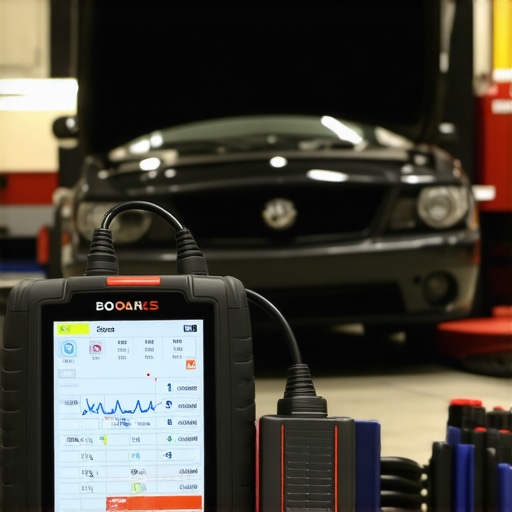
Stop Guessing and Start Scanning
For years, I relied on my gut, but the complexity of modern auto repair has outpaced instinct. I remember trying to figure out why a friend’s car wouldn’t go into gear, only to realize that the computer was locking it out because of a faulty brake light switch. A real scanner would have told me that in seconds. Beyond the scanner, you need to master your multimeter. Knowing how to find a parasitic battery drain with a simple multimeter is what separates a part-changer from a technician. I personally use a Fluke 87V because it catches those tiny spikes in voltage that cheaper meters miss. When you can see the electricity moving, the car stops being a mystery and starts being a logic puzzle you can actually solve.
The Ten Dollar Tool Every Glovebox Needs
While I love my high-end electronics, I never leave home without a basic infrared thermometer. It’s the 10 tool that saves your engine from overheating by allowing you to point at the radiator and find cold spots that indicate a clog. I used mine last summer to verify if a thermostat was stuck before I bothered draining the coolant. It’s part of my routine for essential car service tips for safe summer drives. By catching a hot spot on a hub or a dragging brake caliper early, you prevent a minor annoyance from becoming a roadside emergency.
How can I stay ahead of mechanical failures for the next decade?
Longevity isn’t about luck; it’s about staying ahead of the decay curve. Most people forget about the forgotten filter that kills your fuel pump, which slowly starves the engine of pressure until the pump burns out. I make it a habit to change every fluid and filter—even the ‘lifetime’ ones—every 50,000 miles. Looking ahead, I predict car maintenance is going to shift toward predictive telematics. Soon, your car won’t just tell you a part has failed; it will use machine learning to tell you that a bearing is vibrating at a frequency suggesting it will fail in 200 miles. Until that becomes standard, we have to rely on our own vigilance. If you’ve never done it, I want you to try a ‘voltage drop test’ on your main battery ground cables this weekend. It’s the ultimate way to find hidden resistance that a simple visual inspection will never reveal. It might just be the reason your starter feels ‘tired’ or your lights flicker when you use the windows.
The Hardest Lessons I Learned About Chasing Electrical Ghosts
Over the years, I have realized that car trouble is rarely about bad luck and almost always about missed signals. One major lightbulb moment was discovering that corrosion is a silent thief; just because a battery terminal looks solid doesn’t mean it is making a clean connection. I also learned that the one electrical fault that most mechanics misdiagnose is often just a loose ground or a tiny bit of moisture in a sensor plug. My biggest takeaway? Humidity is actually your best diagnostic tool because it highlights electrical weaknesses that stay hidden when it is dry. If your car acts up in the rain, it is literally telling you exactly where the repair needs to happen before a total breakdown occurs.
My Essential Toolkit for Beating Breakdowns
I do not go anywhere without three specific tools that have saved me thousands of dollars. First is a high-quality multimeter, which is vital for finding a parasitic battery drain before it leaves you stranded. Second is a bidirectional scan tool; it is the only way to talk back to your car and verify if a part is actually broken. Finally, I always keep an infrared thermometer in my glovebox; it is the 10 tool that saves your engine from overheating by spotting radiator clogs in seconds. These tools turn guesswork into science.
Don’t Wait for the Next Storm to Start
Taking control of your vehicle’s health is one of the most rewarding skills you can develop. It is about more than just saving money; it is about the peace of mind that comes when you turn the key on a rainy morning and know exactly what that engine is going to do. You can easily maximize your cars lifespan with regular tune ups and stay ahead of the curve by watching for the top signs your car needs expert auto repair now. Your car is a complex machine, but it follows a logical set of rules. Once you learn those rules, the mystery disappears. Have you ever been stranded by a ‘mystery’ electrical problem that only happened during a storm? Let me know in the comments below.