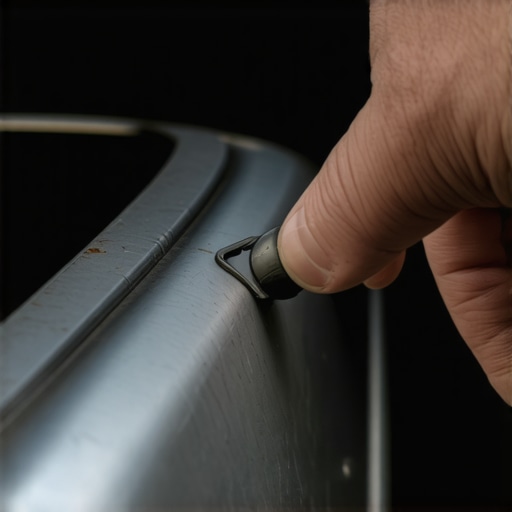
I remember standing in my driveway on a Tuesday morning, coffee in hand, ready for a simple fluid check before a road trip. I reached under the dash, pulled the lever, and felt that heart-sinking nothing. No pop. No metallic thud. Just a limp handle and a closed hood. It is one of those you have got to be kidding me moments that turns a five-minute task into a full-blown afternoon crisis. Whether you are trying to stay on top of [maximize your cars lifespan with regular tune ups](https://collisionfixer.com/maximize-your-cars-lifespan-with-regular-tune-ups) or you suspect your vehicle is showing [top signs your car needs expert auto repair now](https://collisionfixer.com/top-signs-your-car-needs-expert-auto-repair-now), being locked out of your own engine bay is incredibly frustrating. [IMAGE_PLACEHOLDER]
Your Hood Latch Is Just Asking for a Little Love
This problem usually boils down to three things: a stretched cable, a seized latch, or a broken interior handle. When you pull that lever, you are essentially tugging on a long metal cable that trips a spring-loaded mechanism at the front of your car. Over time, road salt, grime, and simple lack of lubrication turn that smooth mechanism into a crusty, immobile mess. It matters because if you cannot open the hood, you cannot check your oil, top off your coolant for those [essential car service tips for safe summer drives](https://collisionfixer.com/essential-car-service-tips-for-safe-summer-drives), or jump-start a dead battery. Years ago, I made the boneheaded mistake of trying to pry my hood open with a flathead screwdriver. I ended up with a scratched grille and a hood that was still very much shut. I learned the hard way that brute force is the enemy of automotive longevity; it is much better to work smarter, much like how you might [how to pop out a dent using a plunger](https://collisionfixer.com/how-to-pop-out-a-dent-using-a-plunger) instead of taking a hammer to your bodywork.
Is This Actually Worth the Hassle?
You might be tempted to just leave it and hope you do not need to look at the engine anytime soon, but that is a dangerous game. According to the Car Care Council, neglected maintenance on small components like latches and hinges is a leading cause of secondary damage during DIY repairs. If your engine starts overheating and you cannot get the hood open to vent the heat or add water, a fifty-cent lubrication issue becomes a three-thousand-dollar head gasket failure. Have you ever been stranded by a piece of plastic under your dash? Drop a comment below—I would love to hear how you handled it. Today, I am going to walk you through the gentle art of coaxing a stubborn hood open without breaking your cable or your spirit.
The Two-Person Push and Pull
The most common reason a hood stays shut is that the latch is under too much tension or is slightly misaligned. Think of it like a sticky front door at your house; sometimes you have to lean into it to get the deadbolt to slide. Have a friend stand at the front of the car and press down firmly on the hood right over the latch area while you pull the release handle inside. I once spent twenty minutes swearing at an old Chevy until my neighbor stepped in, gave the hood a solid thump with the palm of his hand while I pulled the lever, and it popped right up. The downward pressure relieves the stress on the latch hook, allowing the spring to finally do its job.
Bypass the Broken Plastic Handle
If you pull the handle and it feels like there is no resistance at all, the cable might have detached or the plastic handle itself snapped. This is a classic frustration, similar to when you are trying to figure out how to fix a car door that wont lock with the remote. Look under the dashboard where the handle used to be. You should see the end of a thin metal cable. Use a pair of vice-grips to grab the cable—not the sheath, but the inner wire—and pull it toward you. This bypasses the broken lever entirely. I remember a rainy night in a grocery store parking lot where I had to do this just to jump-start a friend’s car; it felt a bit like performing surgery with pliers, but that direct pull is often all you need to trip the mechanism. 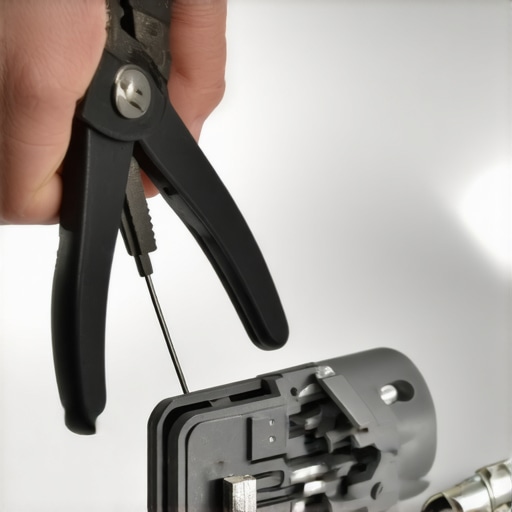
Access the Latch Through the Front Grille
When the cable is snapped further down the line, you have to get creative. Most cars have a small gap in the front grille or underneath the bumper that allows you to see the latch assembly. You will need a long, thin screwdriver or a coat hanger. Your goal is to find the lever where the cable attaches and manually push it. This is where the 10 tool that saves your engine from overheating, such as a sturdy pry bar or a long-reach hook, becomes your best friend. It takes patience and a flashlight, but once you find that sweet spot, the click of the hood releasing is the most satisfying sound in the world.
Grease Is Your Best Friend for Prevention
Once you actually get that hood open, do not just slam it shut and walk away. You have earned this access, so use it. Grab a can of white lithium grease or a high-quality lubricant. This is essentially the 3 fix for a squeaky car door hinge but for your engine bay. Clean the gunk off the latch with a rag first. If you leave the old road salt and sand in there, the new grease will just turn into a grinding paste. While you are in there, check for other issues like why your radiator fan wont stop running or if you need to learn the best way to clean your engine bay without shorting wires to prevent future corrosion. A well-lubricated latch should move with the flick of a finger; if it does not, you are just waiting for the next Tuesday morning crisis.
Stop Drowning Your Latch in WD-40
Here is the truth that most weekend warriors get wrong: WD-40 is not a lubricant. It is a penetrating oil and a solvent. While it is fantastic for breaking loose a rusted bolt, using it as a permanent fix for your hood latch is a major ‘oops’ factor. In my years of tinkering, I have seen latches that look like they have been dipped in liquid coal because the thin oil of WD-40 attracted every bit of road grit and dust. Instead, you need something with staying power. High-quality white lithium grease or a specialized silicone spray is what you actually need to maximize your cars lifespan with regular tune ups and keep the mechanism moving for years, not just days. Have you ever fallen into the ‘WD-40 trap’ only to have the part seize up again a month later? Let me know in the comments.
Adjust Your Bump Stops for a Perfect Pop
Many people assume the cable is stretched when the hood doesn’t pop, but the ‘hidden nuance’ is often the hood bump stops. These are the small rubber knobs located on the radiator support. If they are screwed in too far, there is no upward tension on the hood. When you pull the handle, the latch releases, but the hood stays seated because nothing is pushing it up. This is a common misdiagnosis that leads people to replace perfectly good cables. It is similar to how top signs your car needs expert auto repair now can often be traced back to a simple five-minute adjustment. Simply twisting these rubber stops counter-clockwise by half a turn can provide the spring tension needed to make that satisfying ‘thud’ return to your morning routine. 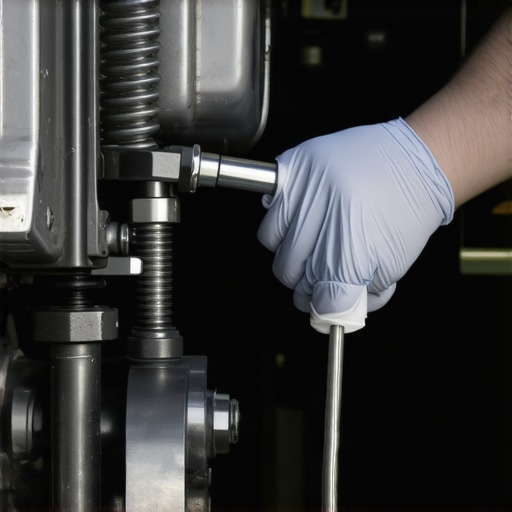
Why Does My Hood Release Fail Only in Freezing Weather?
This is a sophisticated problem that frustrates even seasoned mechanics. When the temperature drops, metal contracts and old, thickened grease turns into something resembling cold molasses. If your latch is already gunked up, the cold makes it physically impossible for the internal spring to pull the hook back. According to a study by the Car Care Council, neglected small-component lubrication accounts for a significant percentage of ’emergency’ DIY failures during seasonal transitions. It is not just about the latch, either; ignoring these small details is often the first step toward needing more serious help, much like how how transmission overhauls save you money in the long run by catching small friction issues before they become catastrophic. If you find yourself tugging the lever with no response on a snowy morning, try using a hair dryer to gently warm the latch area through the grille; it is a much safer bet than snapping your cable with brute force. Taking the time to address these small mechanical gremlins—like fixing the 15 gasket that stops your persistent oil leak or greasing a hinge—is the hallmark of an owner who truly understands vehicle longevity. Remember, a car is a system of interconnected parts, and a failure in a simple latch can be the barrier between you and essential engine maintenance.
Equip Your Garage for Stubborn Mechanical Failures
When you are stuck in the driveway with a latch that won’t budge, the standard toolbox usually falls short. Personally, I never tackle a stuck hood without my 11-inch long-reach 90-degree pick set. These aren’t just for pulling O-rings; they are the perfect shape for reaching through a tight plastic grille to snag a release lever. If you are serious about DIY, pairing these picks with the 10 tool that saves your engine from overheating gives you the mechanical advantage needed to bypass a snapped cable. It is about precision over power. I have seen too many people ruin their radiator supports by using a massive pry bar when all they needed was a thin, hardened steel hook to trip the spring. Having the right specialty tools is what separates a frustrating afternoon from a successful five-minute fix. I have personally used this method on everything from old farm trucks to modern sedans, and it works every time without damaging the aesthetic of the front end.
How do I keep my hood latch working perfectly over time?
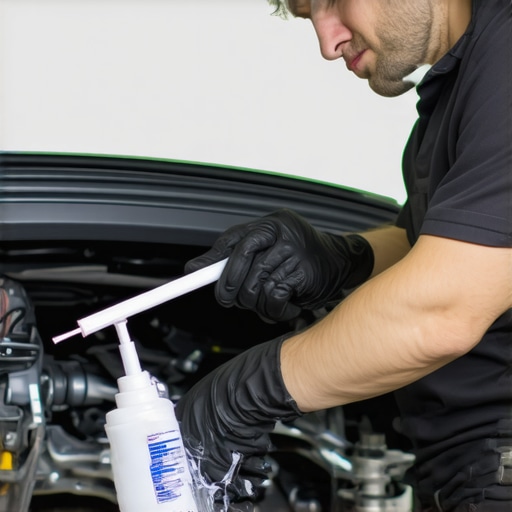
The secret to long-term reliability is a two-step process: de-greasing and re-lubing. Most people just spray more oil on top of old dirt, which creates a thick, abrasive paste that eventually grinds down the metal. Every spring, I use a stiff nylon brush and a mild solvent to strip the old gunk away completely. Once the metal is clean, I apply a thin layer of marine-grade white lithium grease. This is the same level of attention you should give when you maximize your cars lifespan with regular tune ups. If you are already under there, it is the perfect time to look for other issues, like checking for how to find a parasitic battery drain with a simple multimeter while your battery is accessible. Consistent maintenance prevents the latch from seizing, ensuring that when you really need to get in there for an emergency repair, the hood pops without a fight. Neglecting this small hinge is a mistake that eventually scales into a much larger problem during a roadside crisis.
The Future of How We Open Our Engine Bays
Looking ahead, the traditional mechanical cable is slowly being phased out in favor of electronic solenoid actuators. While this removes the risk of a stretched steel cable, it introduces new electrical complexities that most owners aren’t prepared for. According to technical standards like SAE J1947, mechanical overrides are still required for safety, but they are becoming increasingly recessed and harder to access for the average driver. This shift means that knowing the best way to clean your engine bay without shorting wires is going to be even more critical as we move toward these digitized systems. Just like how transmission overhauls save you money in the long run by preventing catastrophic friction, keeping your electrical connections clean and your mechanical backups lubricated will be the key to avoiding a total system lockout. As vehicles become more autonomous and closed-system focused, maintaining these physical touchpoints is a rebellion against planned obsolescence. My advice? Don’t wait for the handle to feel loose or the electronic pop to sound sluggish. Go out to your car right now, pop the hood, and give that latch a quick cleaning with a brush and some fresh grease—it is the easiest preventive win you will have all week.
Hard Lessons from My Most Stubborn Hood Latches
I once spent three hours trying to drill out a latch when all I needed was to maximize your cars lifespan with regular tune ups by simply checking the rubber bump stops. It taught me that tension is often the silent killer of cables; if the hood isn’t pushing up against the latch, the mechanism won’t release. Also, never underestimate the power of a second person; that downward pressure on the hood is a game-changer that prevents you from snapping your interior handle. Finally, treat your latch like your engine—clean it with a brush before you apply new lube, or you are just creating liquid sandpaper that will grind the metal away over time.
The Gear That Saves My Hands and My Sanity
If you want to handle these frustrations like a pro, you need a few specific items in your arsenal. First, a set of 11-inch long-reach 90-degree picks is non-negotiable for reaching through plastic grilles to trip the release. Second, marine-grade white lithium grease stays put through rain and road salt much better than any all-purpose spray. Lastly, keep the 10 tool that saves your engine from overheating, such as a sturdy long-reach hook, nearby to bypass broken cables without a trip to a shop for top signs your car needs expert auto repair now. These tools turn a potential towing bill into a five-minute driveway victory.
Don’t Let a Stuck Handle Stop Your Progress
It is easy to feel defeated when a simple metal cable stands between you and your maintenance routine. But remember, every mechanical hurdle is just an opportunity to learn the nuances of your vehicle. By mastering the art of the hood pop, you are taking the first step toward better essential car service tips for safe summer drives and overall vehicle longevity. Your car depends on your ability to see what is happening under that metal sheet, so do not be afraid to get your hands a little greasy to ensure it always opens when you need it most. Have you ever had a hood latch fail at the worst possible moment—like at a gas station or during a jump-start? Let me know in the comments below!