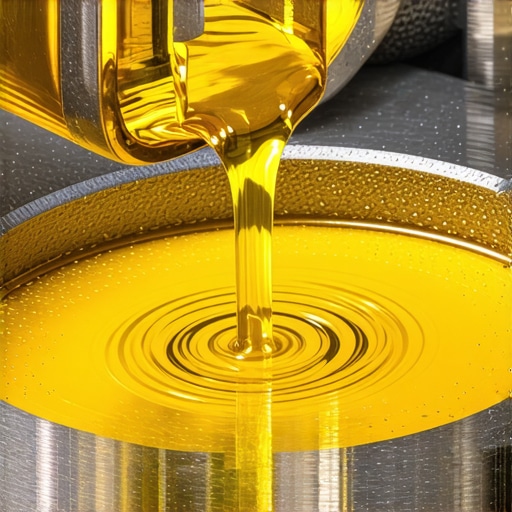
I remember staring at the concrete floor of my garage, heart sinking as I spotted that first iridescent puddle under my old sedan. It was 11:00 PM, and I had a long commute the next morning. My engine was starting to sound like a sewing machine on its last legs—a rhythmic tap-tap-tap that made my wallet hurt just listening to it. I almost grabbed a bottle of Stop Leak from the shelf, thinking it was a miracle in a can. We have all been there, standing in the auto parts aisle, mesmerized by the colorful labels promising to restore lost compression and stop leaks instantly. I used to believe these were just magic potions for people who were too lazy for a real repair, but the reality is much more nuanced than that. Today, I want to pull back the curtain on what these additives actually do to your engine and whether they are a lifeline or a ticking time bomb.
Why My High-Mileage Engine Needed More Than Just Fresh Oil
In my early days of tinkering, I made the classic mistake of thinking that as long as I changed the oil every 3,000 miles, my car would live forever. I quickly learned that [regular tune ups](https://collisionfixer.com/maximize-your-cars-lifespan-with-regular-tune-ups) are vital, but they cannot stop the inevitable aging of rubber seals and gaskets. Over time, heat and friction turn those once-supple parts into brittle plastic. When I first noticed a drip, I ignored it, which eventually led to a much larger [expert auto repair](https://collisionfixer.com/top-signs-your-car-needs-expert-auto-repair-now) bill than I was prepared for. High-mileage additives aren’t just extra vitamins; they are chemical tools designed to address specific physical degradations like seal shrinkage and sludge buildup. If you are noticing a [slow oil leak](https://collisionfixer.com/the-15-gasket-that-stops-your-slow-oil-leak), these products might buy you some time, but they aren’t going to fix a blown head gasket or a cracked block.
Do These Additives Actually Save You From a Teardown?
This is the question that keeps most DIYers up at night. Is it worth the twenty bucks, or are you just contaminating your engine? According to a technical report by the Society of Automotive Engineers (SAE), many high-mileage formulations contain specific seal conditioners that can swell nitrile and neoprene seals by a measurable percentage, temporarily stemming leaks. However, the catch is that this effect is temporary. Once you stop using the additive, the seals often shrink back or even become more brittle than before. I once tried to fix a weeping rear main seal with a cheap additive, and while it stayed dry for a month, the leak returned with a vengeance the moment I skipped a dose. Have you ever poured a bottle of engine restorer into your car and prayed for a miracle, or are you still staring at those puddles on your driveway every morning? Understanding the limits of these products is the first step toward actually [saving your engine from overheating](https://collisionfixer.com/the-10-tool-that-saves-your-engine-from-overheating) or catastrophic failure.
Stop Pouring and Start Inspecting the Drip
Before you crack open a bottle of additive, you need to play detective. I used to think every oil spot was the same, but that is a dangerous assumption. Grab a flashlight and clean the area around the leak with some brake cleaner. You need to see exactly where the fluid is emerging. If the oil is weeping from the top of the engine, you might just need a valve cover gasket. However, if it is coming from the seam between the engine and the transmission, you are likely looking at a rear main seal issue. In this case, the 15 dollar gasket that stops your slow oil leak is a much better long-term investment than a five-dollar bottle of stop-leak. Additives work like a chemical band-aid; they are best used when the labor cost of the repair far exceeds the value of the car. If your car is worth five grand and the repair is two grand, the additive makes sense. If the car is your daily pride and joy, get the expert auto repair you actually need.
Identify if It’s a Seep or a Flood
There is a massive difference between a “seep” and a “leak.” A seep is just a damp spot that never quite hits the ground. A leak leaves a puddle. Most high-mileage conditioners are designed specifically for seeps—they help the rubber regain elasticity so it can seal against the metal again. I remember a time I tried to use a thick oil “honey” additive on an old truck that was practically gushing oil. I poured it in on a freezing Tuesday morning without warming up the engine first. The stuff was so thick it sat on top of my valve train like cold molasses and blocked the oil return holes. When I started the truck, the oil pressure light stayed on for ten terrifying seconds. I ended up having to do an emergency oil change in the driveway while it was snowing just to get the thick sludge out. The lesson? Always bring your engine to operating temperature before adding any chemical treatments to ensure they mix instantly with the existing oil.
The Correct Way to Mix Additives Without Ruining Your Oil
Do not just dump the bottle in and walk away. To get the chemical conditioners to the seals, you need a heat cycle. After adding the product, take the car for a twenty-minute highway drive. This allows the oil pump to circulate the additive thoroughly and get the engine hot enough for the seals to expand and absorb the conditioners. This is also a great time to check other vitals; for instance, if you notice the reason your engine fan runs after you turn the car off is due to a failing sensor, the additive won’t help that. You should also be aware that some additives can alter your oil’s viscosity. If your car requires a thin 0W-20 oil, adding a thick restorer can increase internal friction and actually lower your fuel economy. Always check if the product is compatible with synthetic blends and follow essential car service tips for safe summer drives by keeping a close eye on your temperature gauge during the first few days after application.
Stop the Slip Before It Strands You
While most people focus on the engine, transmission additives are a whole different beast. If your car is shuddering or shifting late, you might be tempted by a “trans-fix” bottle. Be careful here. While these can sometimes clean sticky valves in the body, a physical failure of the internal clutches cannot be cured by a liquid. In many cases, how transmission overhauls save you money in the long run is by catching a small mechanical failure before it turns into a total rebuild. If your transmission fluid smells burnt, no additive in the world will save it. However, if the fluid is clean but the seals are just old, a conditioner might buy you another year of smooth shifting. Always use the 10 dollar tool that saves your engine from overheating—an infrared thermometer—to check if your transmission cooler is actually working before blaming the fluid itself.Let’s dig deeper into the science that most parts-store employees won’t tell you. Everyone says that when an engine starts to rattle, you should just switch to a heavier oil weight. In my experience, that is exactly how you kill a modern engine. Modern engines are built with incredibly tight tolerances; if you swap your 5W-20 for a thick 20W-50 to stop a drip, you are effectively starving the top end of the engine during those crucial first seconds after a cold start. This is often why your car feels sluggish even after a new air filter—the internal resistance of the heavy oil is literally dragging your pistons down.
Stop Believing That Thicker Oil Fixes Leaks
While it seems logical that thicker fluid won’t seep through a hole as fast, you are trading a minor leak for major wear on your camshafts. According to a study by ASTM International (standard D445), the kinematic viscosity of oil must remain within a specific range to ensure the hydrodynamic film doesn’t break down under load. If you deviate too far, you risk metal-on-metal contact. I once saw a DIYer try to “quiet” a lifter tick with a bottle of honey-thick stabilizer, only to have his variable valve timing (VVT) system throw a code because the oil couldn’t flow through the tiny solenoid screens. If you want to maximize your cars lifespan with regular tune ups, stick to the manufacturer’s recommended weight but consider a high-mileage specific blend that uses chemical esters to rejuvenate seals without changing the viscosity. 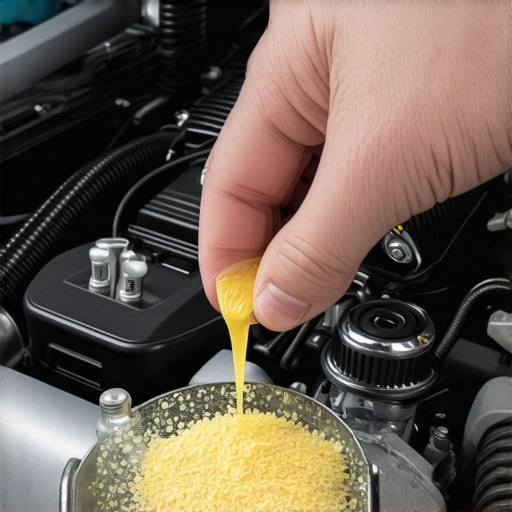
Can Chemical Seal Swellers Actually Rebuild Your Engine?
This is the advanced question: are you “fixing” or “faking” it? The truth is that the truth about high mileage oil additives is found in the “plasticizers” they contain. These chemicals penetrate the rubber of your valve stem seals to restore elasticity. However, there is a point of no return. If a seal is cracked or “charred” from overheating, no amount of chemical will help. You need to know how to read live data to find a misfire or use a borescope to see if the oil is actually bypassing the rings. If your spark plugs are fouled with oil, an additive is just a waste of money; you need expert auto repair.
The Dangerous Game of Mixing Different Additive Brands
Here is the “oops” factor that ruins many engines: chemical incompatibility. I once met a guy who added a PTFE-based friction reducer to an engine that already had a high-zinc break-in additive. The two chemicals reacted and created a waxy buildup that clogged his oil filter in less than fifty miles. If you are going to use an additive, stick to one brand and one purpose. Mixing a “stop leak” with an “engine flush” is a recipe for disaster because the flush is designed to strip away the very coatings the stop-leak is trying to build. This same logic applies to your transmission. If you feel why your transmission feels like its neutralizing when you accelerate, adding a generic “slip-fix” might actually dissolve the friction material on your clutch plates if it is too aggressive. Have you ever fallen into this trap of trying to “stack” additives for a better result? Let me know in the comments!I’ve spent thousands of hours under hoods, and if there is one thing I have learned, it is that your eyes can only see about 20% of what is actually going wrong. To really maximize your cars lifespan with regular tune ups, you need to stop guessing. I used to think I could hear a misfire just by the rhythm of the exhaust, but modern coil-on-plug systems are too smart for that. They hide their sins until the catalytic converter is glowing red and your fuel economy has tanked. Now, I never go into a job without a decent OBDII scanner. I am not talking about the five-dollar dongles that just read codes; I mean something that provides live data streams. This is the only way to effectively how to read live data to find a misfire before it destroys your internal engine components. According to technical documentation from Mitchell 1, modern fuel trim adjustments can mask a vacuum leak for months, subtly leaning out your mixture and heating up your valves until they warp, making those additives you poured in earlier completely useless.
How do I maintain my high-mileage car for another 100k miles?
Maintenance isn’t just changing fluids; it is a diagnostic mindset. Every three months, I do a tactile sweep of my engine bay. I check the tension of the serpentine belt and look for glazing, and I also use the 10 dollar tool that saves your engine from overheating—an infrared thermometer—to scan the radiator for cold spots that indicate internal clogging. If you catch these things early, you avoid the top signs your car needs expert auto repair later. It is about being proactive rather than reactive. Don’t forget the small mechanical failures that feel like disasters but are actually simple fixes. Sometimes a transmission that won’t move isn’t a dead gearbox; it is just the 20 part that fixes a car that wont shift out of park. I keep a small kit of these nuisance parts in my trunk because they are the difference between driving home and calling an expensive tow truck.#IMAGE_PLACE_HOLDER_D#
Why predictive data is the future of your garage
Looking ahead, we are moving toward a world where your car will tell you it is going to break a week before it actually happens. Telematics are already becoming standard, and soon, third-party apps will be able to analyze the frequency of your engine vibrations to tell you exactly how to tell if your timing belt is about to snap without ever removing a plastic cover. We are shifting from fixing it when it breaks to fixing it when the data trends downward. If you want to take your DIY game to the next level and stop relying on liquid miracles, I challenge you to do a Heat Map of your engine bay today. Grab that infrared thermometer, warm up the engine, and shoot the temperatures of your upper and lower radiator hoses. If they aren’t within a 10 to 15 degree range of each other after the thermostat opens, you have a flow issue that no bottle of stop-leak or conditioner will ever touch.
Why You Cannot Trust the Label on a Twelve Dollar Bottle
After years of getting my hands greasy, I have realized that the most expensive part of a car repair isn’t the part itself, but the time you waste trying to avoid the job. If I could go back and talk to my younger self, I would share these hard-won lessons about using additives. First, chemicals are not structural; they cannot rebuild a missing piece of a metal gasket. Second, the ‘fix’ is often a trade-off. You might stop a drip, but you are likely increasing internal friction or clogging a sensor that was working perfectly. Third, never skip the highway drive. Most people dump a bottle in and let the car sit, but without a full heat cycle, you are just letting the additive settle at the bottom of the pan like sludge. Finally, if you find yourself reaching for a second bottle of the same stuff, it is time to admit defeat and look for the top signs your car needs expert auto repair now.
My Personal Survival Kit for Keeping Junkers Running
You do not need a five-thousand-dollar toolbox to keep a high-mileage vehicle alive. I rely on three things that have saved me more money than any chemical ‘rebuild’ ever could.
- The Data Link: Stop guessing why the light is on. Learning how to read live data to find a misfire allows you to see the engine’s health in real-time, proving whether that additive is actually helping your fuel trims or just masking a deeper wound.
- The Temperature Gun: I swear by the 10 dollar tool that saves your engine from overheating. It lets you find cooling system blockages before the head gasket blows, which is a much better strategy than trying to ‘seal’ a leak after the damage is done.
- High-Mileage Synthetic Blends: Instead of adding a separate bottle, I switched to high-quality high-mileage oils that already have the seal conditioners balanced by real chemists. This avoids the risk of ‘cocktailing’ incompatible chemicals in your crankcase.
Give Your Old Engine the Second Chance It Deserves
At the end of the day, your car is an investment in your freedom. While it is tempting to look for a quick fix in a plastic bottle, the real secret to longevity is a proactive mindset. When you combine maximize your cars lifespan with regular tune ups with the occasional, calculated use of a quality conditioner, you can easily see three hundred thousand miles on the odometer. Treat the additives as a bridge to get you to the next real repair, not as the repair itself. Follow essential car service tips for safe summer drives and keep your fluids fresh, and you will stay on the road while everyone else is stuck in the waiting room of a shop. Have you ever used a ‘stop-leak’ product only for it to fail a week later, or did you actually find a miracle in a bottle that saved your car? Let me know your experience in the comments below!