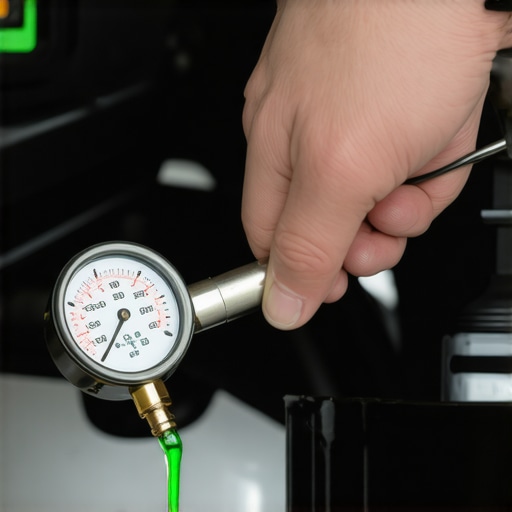
I stood there in my driveway, the sun beating down, smelling that unmistakable scent of hot maple syrup. You know the one. It’s the smell of a cooling system in distress. My reservoir was empty for the third time that week, but my pavement was bone dry. No green puddles. No drips. Just a disappearing act that was driving me insane. I felt like a total amateur. I’d been through all the essential car service tips for safe summer drives, yet here I was, potentially facing a blown head gasket because I couldn’t find a simple leak. [IMAGE_PLACEHOLDER]
Stop Chasing Puddles That Do Not Exist
I made a massive mistake early in my DIY journey: I assumed that if I couldn’t see a leak, it wasn’t there. I once spent three days squeezed under a chassis with a flashlight, only to realize later that the leak was vaporizing against the hot engine block before it could ever hit the ground. That’s the reality of a pressurized system. What you need is the 10 tool that saves your engine from overheating—the pressure tester. This device allows you to pressurize the system while the engine is cold, making it safe to touch and easy to spot those tiny, hissing pinholes. If you ignore it, you’ll eventually notice your engine temperature fluctuates while driving, which is a one-way ticket to a warped cylinder head.
Is a Pressure Tester Actually Worth the Hype?
You might think this sounds like overkill for a driveway mechanic. I used to think so, too, until I realized that guessing costs more than testing. According to the National Institute for Automotive Service Excellence (ASE), cooling system failure is a leading cause of mechanical breakdown, yet it is almost entirely preventable with the right diagnostic approach. If you are tired of the mystery, this tool is your best friend. Have you ever filled your radiator three times in a week and still found nothing on the ground? It is a special kind of frustration, but we are going to end that today. If we don’t catch it now, you might find that your engine coolant looks like chocolate milk, and at that point, you’re looking for expert auto repair now rather than a simple hose fix. Let’s get that hood up and find the ghost in your machine.
Wait for the Engine to Cool Down Completely
You cannot rush a cooling system diagnosis. If you try to remove that radiator cap while the engine is still simmering, you are inviting a geyser of 220-degree fluid to paint your garage ceiling—and your face. I learned this lesson early on when a ‘quick check’ turned into a trip to the pharmacy for burn cream. Let the car sit for at least two hours. This is not just about safety; it is about accuracy. A hot engine expands, sometimes sealing tiny cracks that only open up as the metal shrinks. While you wait for things to cool, it is a great time to maximize your cars lifespan with regular tune ups by checking your air filter and other fluids.
Seal the System with the Correct Adapter
Once the radiator is cool to the touch, you need to find the right adapter from your pressure tester kit. Most kits come with a dozen different colored caps. If you pick the wrong one, you will get a false reading or, worse, damage the threads on your plastic reservoir. I once spent twenty minutes wondering why my system would not hold pressure, only to realize I had used a ‘close-enough’ adapter that was sucking air from the side. Ensure the seal is airtight. This tool is effectively a lung for your car; if it cannot hold its breath, you cannot find the leak. 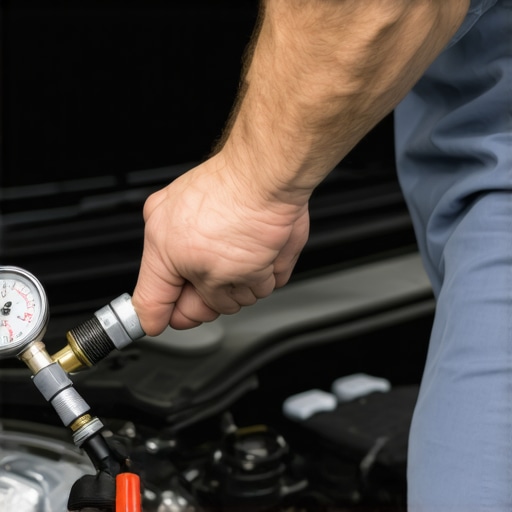
Pump the Gauge to the Specified Pressure
Grab the hand pump and start building pressure. You are not trying to set a world record here. Look at the number stamped on your radiator cap—it usually says 13, 15, or 16 PSI. Stop exactly at that number. I once got overzealous on an old SUV and pumped it to 22 PSI. I did not find the original leak, but I did manage to pop the aged heater core, which resulted in a dashboard-out nightmare. If the needle on the gauge starts dropping immediately, you have a significant breach. If it drops slowly, you are looking for a pinhole or a failing 15 gasket that stops your slow oil leak or similar seal failure.
Hunt for the Silent Coolant Killers
With the system pressurized and the engine silent, listen closely. You are looking for a hiss. Check the ‘weep hole’ on the underside of your water pump; if it is dripping now, the internal seal has failed. Look at the plastic side tanks of the radiator. These often develop hairline cracks that only spray when under load. If you see nothing, but the pressure is still falling, check your transmission dipstick. Sometimes the internal cooler in the radiator fails, mixing coolant into your gearbox. This is why you might notice that your transmission shifts better when its hot becomes a secondary concern to a total mechanical failure. If the fluid looks pink and milky, stop everything. In some cases, a slow drop in pressure without an external drip means the fluid is entering the combustion chamber. You can read live data to find a misfire to see if a specific cylinder is struggling with a steam-cleaned spark plug. Also, keep an eye on the electronics; if your engine fan runs after you turn the car off even when the engine is cold, the sensor might be getting faulty readings from a pocket of air trapped where coolant should be.
Most DIYers believe that once they have swapped a leaking hose or tightened a clamp, the battle is won. I used to be one of them, but years of cracked knuckles taught me that a cooling system is a living, breathing chemical environment. If you think a simple visual check is enough, you are missing the forest for the trees. Most people assume that if their coolant is the right color, it is still doing its job. This is a dangerous misconception. Over time, the corrosion inhibitors in your coolant break down, even if the liquid stays bright green or orange. According to a study by SAE International, the pH levels of old coolant can turn acidic, leading to electrolysis that literally eats your engine from the inside out. You might think you are doing a great regular tune up, but if you aren’t testing the chemical integrity of that fluid, you’re just waiting for a radiator to dissolve.
Stop Crushing Your Hoses to Death
One of the most common ‘traps’ I see beginners fall into is the ‘more is better’ philosophy with hose clamps. When they see a tiny seep, their instinct is to crank down on the worm-gear clamp until it’s buried in the rubber. This is a massive mistake. Over-tightening creates a stress point that causes the hose to split prematurely or, worse, cracks the plastic neck of your radiator. It is better to use the 5 hose clamp fix method of using constant-tension spring clamps that expand and contract with the heat cycles. I once saw a guy snap a thermostat housing because he thought he could ‘torque’ a leak away. It was a 200-dollar mistake for a 2-cent problem. Use a light touch and let the rubber do the sealing, not the metal. 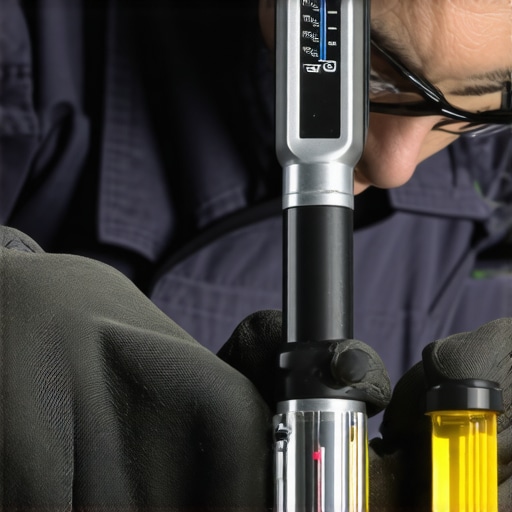
Can a Cold Pressure Test Miss a Blown Head Gasket?
This is a question I get from people who are starting to look at more advanced diagnostics. The answer is a frustrating ‘yes.’ A pressure tester is great for external leaks, but a head gasket failure can be deceptive. Sometimes the gap in the gasket only opens up when the block is at full operating temperature and the bolts have stretched slightly under thermal load. If you have a mystery loss of fluid but the pressure gauge stays steady while the car is cold, you might need to check for combustion gases in the reservoir. It’s the same logic why your transmission slips when the engine is cold but feels fine later; heat changes the physical dimensions of every component. If you’re at this stage, don’t just dump in a bottle of sealant. Check the truth about high mileage oil additives before you go adding chemicals to your system, as many of those ‘quick fixes’ clog up your heater core faster than they fix a gasket. If the problem persists, it might be time to look into how transmission overhauls and major repairs save you money by preventing a total engine meltdown. Have you ever fallen into the trap of over-tightening a part only to have it fail a week later? Let me know in the comments.
Ditch the Plastic Test Strips for a Refractometer
If you really want to get serious about long-term maintenance, stop relying on those cheap litmus-style test strips. They are fine for a ballpark figure, but they can be incredibly misleading depending on the ambient lighting and the shelf-age of the strip itself. I personally use a handheld refractometer for every vehicle I service. It works by measuring how light bends through a drop of your coolant to determine the exact freeze point and glycol concentration. According to the technical specifications in ASTM D3306—the gold standard for engine coolants—maintaining the correct glycol-to-water ratio is critical not just for temperature control, but for preventing cavitation in your water pump and protecting against internal corrosion. If you’re already following essential car service tips for safe summer drives, adding this one tool to your arsenal will move you from ‘guessing’ to ‘knowing.’ It is the difference between a car that eventually dies of a cracked block and one that sails past 300,000 miles.
The Future of Home Diagnostics Is Thermal
I am making a prediction right now: in less than five years, every serious DIYer will have a thermal imaging attachment for their smartphone as standard equipment. I started using one last year to find ‘cold spots’ in radiators that looked perfectly fine to the naked eye. If you have a internal blockage, the thermal camera shows it as a dark blue streak against a sea of bright orange heat. This technology allows you to catch a failing radiator or a stuck thermostat long before you are forced to seek expert auto repair now. It is also incredibly useful after you have finished the best way to clean your engine bay without shorting wires, as you can see if any heat-trapping moisture is lingering in sensitive electrical connectors before you fire the engine back up. 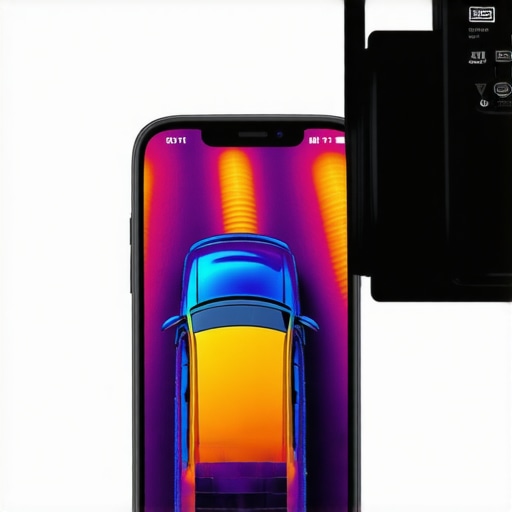
How do I maintain my car’s cooling system over time?
Maintenance is not a one-and-done event; it is a consistent rhythm of observation and chemical balance. You should be performing a ‘drain and fill’ every two to three years, regardless of your mileage. I generally do not recommend a high-pressure machine flush unless you have significant debris, as that can dislodge scale that ends up clogging your heater core. Think of this process as a regular tune up for your car’s circulatory system. Over time, these small habits prevent the kind of massive internal decay that leads to costly failures, much like how transmission overhauls save you money by keeping the integrated transmission cooler functioning at peak efficiency. If you are ever unsure about a specific fluid color or a strange sweet smell from the vents, do not hesitate to contact us for a second opinion. I want you to try one specific advanced tip this weekend: go out and check your coolant’s pH level with a digital meter. If it reads below 7.0, your coolant has turned into a slow-acting acid that is eating your gaskets from the inside out.
Hard Truths About Those Invisible Coolant Drops
One of the biggest takeaways from my years of wrenching is that cooling systems are psychological warfare. You see the level drop in the reservoir, but your pavement remains bone dry. I learned the hard way that plastic radiator necks are the ultimate traitors; they develop hairline micro-cracks that only spray a fine, invisible mist when the car is at full operating temperature. By the time you pull over and pop the hood, that mist has already evaporated, leaving absolutely no trace of its existence. Also, never trust a ‘sweet’ smell inside the cabin—it is almost always the first sign of a failing heater core hidden behind your dash. If you keep ignoring these subtle clues, you will eventually need to know the top signs your car needs expert auto repair now before you are stranded on a dark highway shoulder.
The Diagnostic Kit That Ends the Guessing Game
If you want to move beyond the amateur level of ‘parts cannon’ repair where you just throw money at the engine, stop guessing. I swear by my cooling system pressure kit; it is truly the 10 tool that saves your engine from overheating because it replicates the intense stress of a hot, running engine while the block is stone cold and safe to touch. [IMAGE_PLACEHOLDER_E] I also recommend investing in a digital refractometer. Knowing the exact glycol-to-water ratio is the real secret to preventing internal corrosion—a preventive task that no ‘quick flush’ can ever match for precision. These are not just shiny gadgets; they are the literal gatekeepers of your engine’s longevity.
Protect Your Engine from the Inside Out
You do not have to be a master mechanic to stop a mechanical disaster before it starts. By taking these small, methodical diagnostic steps, you can maximize your cars lifespan with regular tune ups and keep your hard-earned money in your pocket instead of at the local repair shop. Don’t let a tiny pinhole turn into a three-thousand-dollar head gasket failure. If you ever hit a diagnostic wall and cannot find that ‘ghost’ leak no matter how hard you look, feel free to contact us for a professional second opinion. Have you ever found a leak that only appeared when the system was under pressure but vanished the moment you turned off the key? Share your ghost leak story in the comments below!