I remember pulling into my driveway on a Tuesday evening, only to hear that dreaded, high-pitched whine as I turned the wheel. It sounded like a cat being stepped on. I looked down, and there it was: a puddle of red fluid staining my fresh concrete. My heart sank. I immediately assumed I was looking at a massive bill for a new rack and pinion or a high-pressure line replacement. It reminded me of the time why your car whines when you turn the steering wheel became my late-night Google obsession. I’ve been that guy who spends his Saturday mornings under the hood, usually with a smudge of grease on my forehead and a cold drink nearby. Years ago, I actually replaced an entire power steering pump because of a similar leak, only to realize later that the pump was fine; the factory crimp on the hose had just given up. It was a $300 mistake for a problem that cost pennies to solve. Today, I want to save you from that same frustration. We are going to tackle that leak using a simple, heavy-duty hose clamp that costs less than a fancy cup of coffee.
That Drip on the Driveway Doesn’t Have to Break the Bank
Usually, when you take your car in for expert auto repair now, a mechanic might tell you the entire assembly needs to go. While they aren’t necessarily lying—replacing the whole line is the “official” way—it’s often overkill. Most power steering leaks happen right where the rubber hose meets the metal hardline. Over time, the factory-installed tension clamps lose their bite, or the rubber shrinks just enough to let fluid spray out under pressure. According to the automotive experts at Car and Driver, power steering systems can reach pressures of up to 1,500 PSI, which means even a microscopic gap becomes a major mess very quickly. By replacing that weak factory crimp with a stainless steel worm-gear clamp, you can often create a seal that is actually tighter than the original. Have you ever noticed your steering getting heavy or heard that groan when the engine is cold?
Is a Cheap Hose Clamp Really Safe for My Steering?
It’s natural to feel a bit of skepticism. After all, your steering is a critical safety system. You might wonder if a hardware store part belongs on a high-pressure hydraulic line. The key is identifying exactly where the leak is coming from. If the rubber hose itself is cracked or “sweating” through the sidewalls, no clamp in the world will save it. However, if the leak is localized at the joint, a clamp is a perfectly reliable fix. Once you get the leak stopped, you should definitely look into the proper way to flush your power steering fluid to make sure no contaminants got into the system while it was open. It’s about being smart, not cheap. I’m here to show you how to tell the difference so you can keep your car on the road without emptying your wallet.
Clean the Gunk Before You Crank
Before you even touch a screwdriver, you need to see what you are doing. Power steering fluid is like liquid glitter; it gets everywhere and sticks to everything. Use a heavy-duty degreaser and a rag to wipe down the area where the rubber hose meets the metal line. If you skip this, your new clamp will just slide around on the oily surface like a bar of soap in a bathtub. I learned this the hard way on an old SUV. I thought I could just slap a clamp over the mess, but the residual oil acted as a lubricant. Ten minutes into my test drive, the hose slid right off the fitting, dumping the entire reservoir onto the hot exhaust manifold. The smoke was terrifying, and it could have been avoided with sixty seconds of cleaning. This attention to detail is exactly how maximize your car’s lifespan with regular tune-ups actually works in the real world.
Ditch the Weak Factory Crimp
Most cars use a ‘constant tension’ spring clamp or a permanent metal crimp. These are great for the assembly line but terrible for a ten-year-old car where the rubber has hardened. If you have a crimp-on style, you will need a pair of side cutters or a small dremel to carefully snip the outer ring. Be incredibly gentle here; if you nick the metal hardline, you have just turned a $5 fix into a $500 nightmare. If you are lucky enough to have a spring clamp, just squeeze the tabs with pliers and slide it back an inch or two. This is the same logic behind why the $5 gasket that stops a massive oil leak is so effective—it is about replacing a failing interface with a fresh, adjustable one.
The Secret to the Perfect Seal
Now, slide your new stainless steel worm-gear clamp over the hose before you push it back onto the metal nipple. You want the clamp to sit about a quarter-inch away from the end of the hose. If you put it too close to the edge, the rubber can mushroom out and fail. Tighten the screw until the rubber just begins to bulge slightly around the edges of the clamp. Don’t go ‘gorilla’ on it; you are not trying to crush the metal pipe underneath. You are just looking for a firm, even squeeze. If you have ever had to how to silence a grinding noise when you turn the wheel, you know that physical vibrations can loosen things over time, so check the tightness again after a week of driving.
Test the Pressure Without Moving
Once the clamp is secure, top off your fluid. Start the engine and, while parked, turn the steering wheel slowly from lock to lock. This builds maximum pressure in the system. Have a buddy watch the joint with a flashlight. If it stays bone dry during the ‘groan’ at full lock, you have won. If you see a tiny weep, give the clamp another quarter turn. This simple method is often the bridge between a car that is headed for the scrap heap and one that is ready for essential car service tips for safe summer drives. It is about restoring the integrity of the hydraulic circuit without the unnecessary labor of a full line replacement.Now that you’ve got that clamp tightened down, we need to talk about the why behind the leak. Most people think that once they stop the drip, the job is done, but here is where even seasoned DIYers get tripped up. There is a persistent myth in the automotive world that power steering fluid is a lifetime fluid. You’ll see this in owner’s manuals and hear it from service advisors, but it’s a dangerous oversimplification. In reality, the truth about lifetime gearbox fluids—and power steering fluid is essentially a specialized hydraulic oil—is that they all eventually oxidize. According to studies by the Society of Automotive Engineers (SAE), hydraulic fluids lose their lubricating properties and pH balance once they are subjected to repeated heat cycles over 200 degrees Fahrenheit. When the fluid breaks down, it stops protecting the internal seals, leading to the very leaks we just fixed. If you ignore this, you aren’t just saving money; you’re setting yourself up for a massive bill later.
Why Does Your Steering Only Moan in the Cold?
This is one of the most common questions I get during a garage session. If your car sounds like a dying whale at 7:00 AM but stays quiet by noon, you aren’t dealing with a broken pump just yet. You’re likely dealing with fluid aeration. Cold fluid is thicker, and if your seals or that new clamp joint are even slightly compromised, the pump will suck in air instead of fluid. This foam causes the noise. It’s a nuance that many people misdiagnose, leading them to replace perfectly good pumps when they really just needed to know the proper way to flush your power steering fluid.
The Over-Crank Trap That Kills Pumps
One of the biggest ‘oops’ factors I see when people use the hose-clamp method is the ‘over-crank.’ It is incredibly tempting to keep turning that screwdriver until the rubber looks like a pinched sausage. Don’t do it. High-pressure hoses often have a plastic or nylon inner liner that maintains the structural integrity of the hose. If you crush that liner, you create a hydraulic restriction that causes the pump to overheat and fail prematurely. It is better to be firm but cautious. If you are ever unsure about the health of the hose itself, seeking expert auto repair now is your best bet to ensure your hydraulic integrity is still there.
Stop Believing the Lifetime Fluid Lie
I have seen cars with 150,000 miles on the clock with the original fluid, and it looks like thick swamp water. That sludge acts like liquid sandpaper on your steering rack’s internal valving. When you are planning how to save money on your 100k mile service, make sure a power steering refresh is at the top of the list. Have you ever fallen into this trap of believing a fluid lasted forever? Let me know in the comments. Learning these small nuances is the difference between a car that survives and one that thrives. If you’ve already started hearing a noise, check out my guide on how to silence a grinding noise when you turn the wheel to see if it’s a simple fix or a sign of something much deeper. Be smart, stay curious, and keep those knuckles clean.Once you have that clamp tightened and the leak stopped, the real work of longevity begins. I’m a huge advocate for having the right gear on your workbench, and when it comes to hydraulic maintenance, a dedicated fluid extractor is my go-to tool. I personally use a pneumatic vacuum extractor because it allows me to pull old, burnt fluid from the reservoir without making a single drop of mess on the garage floor. If you are doing this at home on a budget, even a large syringe with a piece of aquarium tubing works wonders. This is part of the broader strategy to maximize your car’s lifespan with regular tune-ups. By removing the old fluid every 30,000 miles, you are essentially giving the internal seals of your rack-and-pinion a fresh lease on life. I’ve seen power steering systems last 300,000 miles on original parts just because the owner was diligent about fluid hygiene.
The Two Tools That Keep My Garage Moving
Beyond fluid extractors, I always keep a high-quality multimeter nearby. You might think a multimeter has nothing to do with a hydraulic leak, but in modern cars, many power steering systems are actually ‘electro-hydraulic.’ If you have a poor electrical connection, the pump might overwork itself trying to compensate for a voltage drop. I’ve solved ‘heavy’ steering issues that looked like mechanical failures simply by finding the hidden ground wire that ruins your sensors and cleaning the contact point. It’s about looking at the car as a complete ecosystem rather than just a collection of parts. 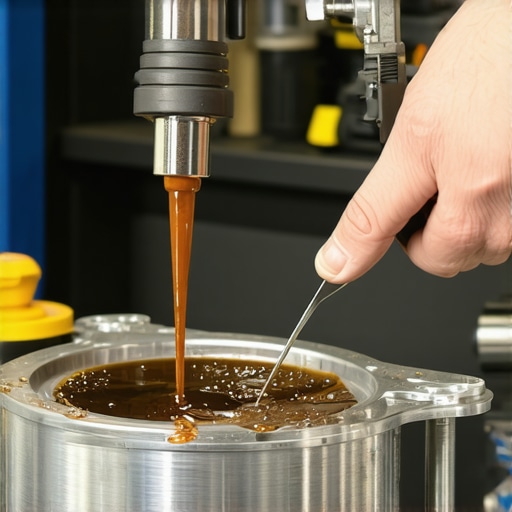
How can I keep my steering system healthy for another decade?
The secret is proactive flushing rather than reactive fixing. According to technical documentation from ZF Friedrichshafen AG, one of the world’s leading steering system manufacturers, even microscopic metallic wear particles can cause internal scoring in the pump’s vanes if the fluid isn’t refreshed. To maintain health over time, I recommend doing a ‘drain and fill’ of the reservoir every third oil change. It takes five minutes and costs less than ten dollars. This simple habit prevents the buildup of sludge that eventually leads to those expensive expert auto repair now visits.
Where Steering Technology is Heading
We are currently in the sunset years of traditional hydraulic steering. Most new vehicles have moved to full Electric Power Steering (EPS), which eliminates hoses and fluid altogether. While this means no more leaks, it also means the ‘road feel’ is changing and repairs often involve replacing entire electronic modules. For those of us keeping older, more communicative hydraulic systems alive, these maintenance steps are even more critical. You are preserving a piece of driving history. If you’re currently mapping out how to save money on your 100k mile service, prioritize these fluid-based systems first. They are the most likely to fail and the easiest to protect. I challenge you to go out to your driveway today, pull the dipstick on your power steering reservoir, and wipe it on a white paper towel. If it looks black or smells like burnt toast, it’s time to act. Don’t wait for the whine to return; give that system the fresh fluid it deserves and feel the difference in the wheel immediately.
Lessons from the Greasy Side of the Garage
Over the years, I’ve realized that the color of your fluid is more than just a maintenance check; it is a diagnostic window into your pump’s soul. If you see silver flakes, your pump is likely eating itself from the inside out. If the fluid is black, it’s actively cooking your internal seals. Another lightbulb moment for me was realizing that steering issues can often be misdiagnosed; for instance, sometimes the reason your steering wheel shakes only when you hit the brakes has nothing to do with the pump and everything to do with warped rotors. Understanding these distinctions saves you hours of chasing expensive ghosts.
The Gear That Keeps My Steering Smooth
I don’t keep a lot of clutter in my toolbox, but a few items are non-negotiable for hydraulic work. First, a pneumatic fluid extractor—it turns a messy, hour-long job into a clean five-minute task. Second, I always keep a box of high-torque stainless steel clamps that feature a smooth inner liner to protect the rubber hose from being sliced. Third, I suggest learning the real difference between full synthetic and blends to ensure you are using the correct base oil for your specific rack and pinion system. Finally, knowing when to put the tools down and seek expert auto repair now is the most valuable skill a DIYer can ever develop.
Take Control of Your Drive Today
Fixing a power steering leak isn’t just about saving money; it’s about the satisfaction of knowing your vehicle is safe because you took the time to understand its mechanics. Don’t let a small drip turn into a major mechanical failure that leaves you stranded. Get out there, inspect those hoses, and feel the confidence that comes with a tight, responsive wheel. Have you ever tried a DIY hose clamp fix only to have it fail later? Let me know your experience in the comments below!