I’ll never forget the Tuesday my trusty old SUV decided it was done with me. I was trying to merge onto the I-77, and despite my foot being buried in the floorboards, the car barely crawled. It felt like I was pulling a mountain. Panic set in immediately. I started calculating the cost of a new car or, at the very least, a massive bill for expert auto repair now. I was so sure it was the fuel injectors or a failing sensor that I wasted two days searching for complex problems. The truth, however, was embarrassingly simple. My engine was literally suffocating because I had neglected a basic part of regular tune-ups. I even went as far as looking up how transmission overhauls save you money because I thought my gears were slipping.
That Heavy Feeling When You Step on the Gas
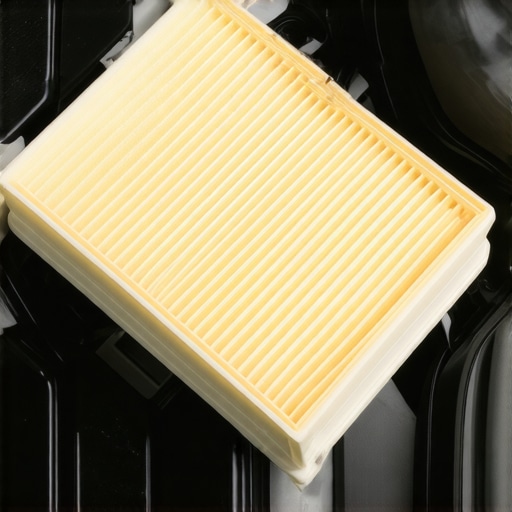
[IMAGE_PLACEHOLDER] If you have ever felt like your car feels like its dragging an anchor, you know that sinking feeling in your stomach. Your car isn’t just ‘getting old.’ It’s gasping for air. Engines are essentially giant air pumps; they need a constant, clean stream of oxygen to mix with fuel for that combustion ‘bang’ that moves you forward. When your air filter is clogged with dirt, pollen, and road grime, that ratio gets thrown completely out of whack. I made the mistake of thinking my filter was fine because it ‘did not look that dark’ on the surface. Don’t be like me. A dirty filter can hide grit deep in its pleats that kills your throttle response. Have you ever felt your car lose its ‘zip’ suddenly, or has it been a slow decline?
Is a Simple Piece of Paper Really Worth the Hype?
You might be skeptical. I mean, how much can a $15 or $20 piece of pleated paper really do? It seems too easy. But the reality is that airflow is the lifeblood of performance. While many people think a bad filter just kills gas mileage, a study by the U.S. Department of Energy confirms that while fuel economy might stay steady in modern cars, acceleration times drop significantly when airflow is restricted.
Let Your Engine Breathe Again
The solution isn’t a thousand-dollar overhaul. It’s about restoring the basic harmony under your hood. When you swap in a fresh, clean filter, you aren’t just performing maintenance; you’re giving your vehicle back its ability to react. You will notice the difference the second you pull out of your driveway. The engine won’t have to work twice as hard just to maintain cruising speed. This is arguably the most satisfying DIY task you can perform, and today, I am going to show you exactly how to spot a failing filter and how to replace it in less time than it takes to brew a pot of coffee.
Diagnosing the Chokehold on Your Engine
To understand why your car is struggling, think of your engine like a marathon runner. If that runner is forced to breathe through a thick, wet wool sock, they aren’t going to set any records. That is exactly what happens when your air filter reaches its limit. I remember a particularly humid July when my car started acting like it was wading through molasses. I was convinced I had a fuel delivery issue, and I was even preparing to learn how to read live data to find a misfire because the hesitation was so rhythmic. When I finally popped the plastic housing of the airbox, I didn’t just find dust; I found a literal collection of dried maple seeds and a gum wrapper that had somehow been sucked into the intake. The moment I cleared it out, the ‘weight’ lifted.
The Light Test That Never Lies
Before you go spending hundreds on sensors, use the sunlight test. Remove your air filter and hold it up to a bright light source or the afternoon sun. If you can’t see any light passing through the pleats, the filter is toast. This lack of airflow is often why your car loses power on hills but idles fine; at idle, the engine doesn’t need much air, but the moment you demand power, the ‘straw’ you’re breathing through is too narrow. 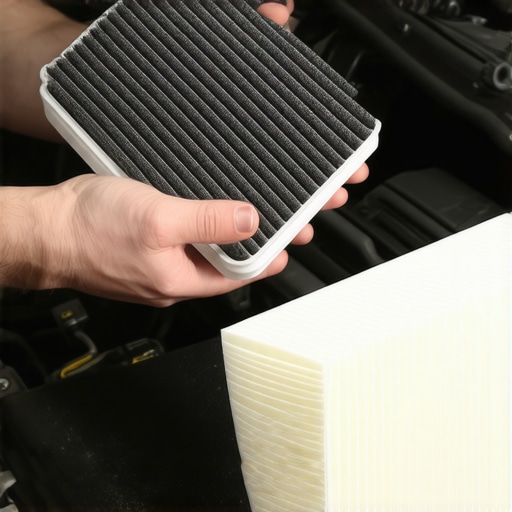
Popping the Hood and Finding the Airbox
Most modern cars make this incredibly easy. You’re looking for a large black plastic box, usually off to the side of the engine, connected to a thick rubber hose. Usually, it’s held together by simple metal clips. You don’t even need a wrench. When you open it, pay attention to the orientation of the filter. If you put the new one in upside down or don’t seat the rubber gasket perfectly, you’ll end up with a vacuum leak. This is one of the most essential car service tips for safe summer drives because heat already makes air less dense; a clogged filter on a hot day is a recipe for a sluggish, overheating engine.
Moving Beyond the Filter to Total Performance
If a new filter doesn’t immediately solve that ‘dragging an anchor’ sensation, you might need to look at the throttle body. Over time, carbon deposits build up around the butterfly valve. This is often the reason your gas pedal feels sticky or why the car stumbles when you first touch the gas. A quick spray of specialized cleaner can do wonders. It’s all part of the ecosystem of regular tune-ups that keep the internal combustion process efficient. If you’ve ignored these basics, the engine works harder, which puts more strain on your transmission. While some issues might make you fear you need a mechanic, understanding these small fixes can prevent the need to ask how transmission overhauls save you money down the road. Restoring that airflow is the first, most vital step in reclaiming your car’s lost horsepower.Let’s dig deeper into the mechanics of why that simple air filter was just the tip of the iceberg. Most people assume that if their car is lunging or hesitating, they are looking at a multi-thousand-dollar nightmare. In reality, the most common mistakes I see involve the ‘set it and forget it’ mentality toward critical fluids.
The Lifetime Fluid Lie Your Dealer Wants You to Believe
There is a dangerous trend in modern car manuals: the ‘lifetime’ transmission fluid claim. I am here to tell you that in the world of real-world physics, ‘lifetime’ usually means ‘until the warranty expires.’ If you plan on keeping your vehicle past 100,000 miles, ignoring your transmission fluid is a recipe for disaster. According to the Automatic Transmission Rebuilders Association (ATRA), over 90% of transmission failures are caused by overheating, which is almost always a result of fluid that has broken down and lost its ability to lubricate.
Can Rain Actually Change Your Gearbox Timing?
It sounds like a myth, but many drivers notice the reason your transmission shifts late when its raining is often related to electrical interference or moisture affecting the Transmission Control Module (TCM) sensors. If your seals are old, moisture can wreak havoc on the data your car uses to decide when to shift. This isn’t a mechanical failure of the gears, but a failure of communication between the engine and the computer.
Why a High-Pressure Flush Might Kill an Older Car
Here is the contrarian truth: more maintenance isn’t always better. If you have a car with 150,000 miles that has never had its transmission fluid changed, a high-pressure power flush could actually be the final nail in its coffin. Why? Because that high pressure can dislodge chunks of sludge and debris, forcing them into the tiny passages of the valve body. In these cases, you need to understand the difference between a transmission flush and a simple fluid change. A gentle drain-and-fill is often safer for high-mileage vehicles. I’ve seen people go in for a preventative service and leave on a tow truck because the shop was too aggressive with an old gearbox. It is part of the truth about engine flushes for high mileage cars that many shops won’t tell you upfront.
Don’t Let the Engine Milkshake Total Your Vehicle
 Perhaps the most terrifying ‘oops’ factor is ignoring the color of your fluids. If you pull your dipstick and it looks like a strawberry milkshake, stop driving immediately. This usually means your transmission cooler inside the radiator has failed, mixing coolant with your transmission fluid. This is exactly why your engine oil looks like a milkshake and why you should panic, as it destroys clutches and bearings within miles. If you catch it early, you might save the car with expert auto repair now, but wait too long, and you’re buying a new powertrain. This neglect is also why your transmission takes forever to engage in the morning as the contaminated fluid fails to build proper pressure.
Check the Small Things Before You Panic
Before you assume your gears are shredded, check the simple vibrations. Sometimes, a shudder that feels like a transmission slip is actually a tire or alignment issue. If you notice why your car vibrates specifically at 45 mph, it might just be a lost wheel weight or a bad U-joint rather than an internal mechanical failure. It is these nuances—knowing when to be aggressive and when to be gentle—that separates a high-mileage survivor from a scrap heap. Have you ever fallen into the ‘lifetime fluid’ trap or ignored a strange vibration until it became a disaster? Let me know in the comments below.
Mastering the tools of the trade is what separates a backyard tinkerer from someone who actually saves money and avoids the stress of a breakdown. For years, I relied on those cheap $20 code readers from the checkout aisle. They told me ‘P0300 – Random Misfire,’ but they never told me why. I finally invested in a scanner that supports bidirectional control and high-speed data logging. If you want to stop throwing parts at a problem, you have to learn how to read live data to find a misfire. This allows you to see exactly which cylinder is dropping out in real-time, often revealing that the issue is a simple vacuum leak or a failing coil rather than a dead engine. According to the Society of Automotive Engineers (SAE) J1979 standard, these data PIDs (Parameter IDs) are the only objective way to see what the ECU is actually thinking and how it reacts to real-world driving loads.
The Tool That Saved My Engine From Melting
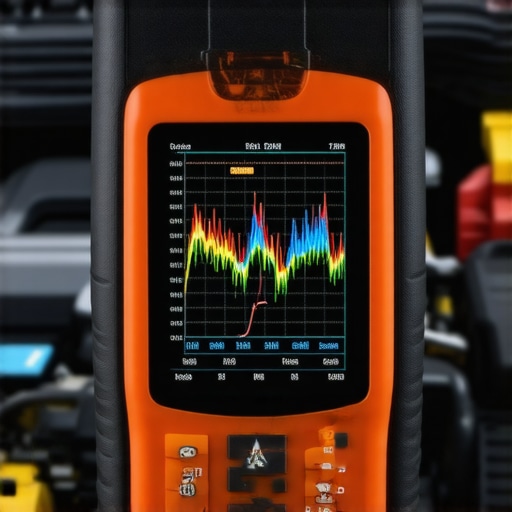
Beyond the digital side, there is one physical tool I recommend to every car owner: a coolant pressure tester. I used to chase ‘ghost’ leaks for weeks, watching my temperature gauge climb and wondering why your radiator overflow tank is bubbling after a long drive. With a pressure tester, you pump the system up while the engine is cold and literally watch the water squirt out of the tiny hairline crack in a hose or radiator plastic that you would never find otherwise. It is the most effective way to find a hidden coolant leak with a pressure tester before it turns into a warped head or a blown gasket. If you are serious about car health, this $50 kit pays for itself the first time it prevents a roadside emergency.
What is the secret to keeping a transmission alive forever?
The answer is not a magic additive or a miracle spray; it is absolute consistency with fluid cycles. We often get hyper-focused on oil changes because the little sticker on the windshield tells us to, but we ignore the rest of the drivetrain. To maximize your cars lifespan with regular tune-ups, you need to treat your transmission fluid, differential gear oil, and brake fluid as finite components with hard expiration dates. I predict that as we move toward more complex hybrid transmissions and high-ratio gearboxes, the window for neglect will get even smaller. Future software will likely lock your vehicle out of certain gears if the fluid viscosity doesn’t meet the expected electronic parameters. The era of ‘ignoring the light’ is coming to an end.
Electrical Gremlins and the Multi-Meter
Finally, never underestimate the power of a basic multi-meter. Most ‘dead’ alternators or ‘failing’ starters I have diagnosed over the years were actually just poor electrical connections or corroded grounds. Spend ten minutes learning how to diagnose a bad ground wire in minutes. It is a skill that will save you from buying high-ticket parts you do not actually need. Even something as terrifying as a timing issue can sometimes be a sensor fault; knowing how to tell if your timing belt is about to snap involves physical inspection, but verifying the sensors that monitor it requires that multi-meter. My challenge to you this weekend: don’t just wash your car—pop the hood and use a multi-meter to check your battery’s resting voltage. It is the first real step in taking total control of your vehicle’s longevity and your own peace of mind.
Hard Truths About Your Odometer That Most Mechanics Hide
After years under the hood, I’ve realized that your car is actually an incredible liar. It will often run ‘just fine’ while slowly destroying its own internals. I’ve seen engines with pristine exteriors that were weeks away from a meltdown because the owner ignored the fluid oxidation. Another lightbulb moment for me was realizing that maintenance isn’t a chore—it’s an investment in your freedom. When you take the time to maximize your cars lifespan with regular tune-ups, you aren’t just saving money; you’re ensuring that the car starts every single time you need it most.
Cleanliness is actually a performance metric. Dirt on a battery terminal isn’t just an eyesore; it’s a source of electrical resistance. Learning the secret to cleaning battery terminals with baking soda can prevent a ‘dead’ battery on a cold Monday morning. Most importantly, trust your gut. If the car feels ‘heavy’ or sluggish, it’s asking for help. Don’t wait until you see the top signs your car needs expert auto repair now before you open the hood.
The Blueprint for a Bulletproof Garage
If you want to stop being a victim of the repair shop, you need a specific set of tools that do the thinking for you. First, get a quality OBD2 scanner. You don’t need a professional shop model, but you do need one that helps you how to read live data to find a misfire so you can diagnose issues before the light even blinks. Second, keep a coolant pressure kit on hand. It is the only way to find a hidden coolant leak with a pressure tester without tearing the whole front end of the car apart. Finally, always have a dedicated service manual for your specific make and model—it’s the ‘bible’ for torque specs and wiring diagrams.
Stop Treating Your Vehicle Like a Mystery Box
The transition from a passive driver to an active owner is one of the most rewarding shifts you can make. You no longer have to fear the strange noise or the slight hesitation because you have the knowledge to address it. Whether you are avoiding the massive cost of how transmission overhauls save you money or just keeping your daily driver smooth, you are in control. [IMAGE_PLACE_HOLDER] Your vehicle is a tool for your life—treat it well, and it will take you anywhere you want to go. What was the most surprising thing you found under your hood during a routine check? Let me know in the comments below!