I was pulling out of a busy intersection last Tuesday when it happened. I pressed down, expecting that smooth surge of power, but my foot met resistance. It felt like I was stepping on a piece of old chewing gum. For a split second, the car didn’t move, then—bam—it lurched forward like a startled horse. It is a terrifying sensation that makes you feel like you have lost control of a two-ton machine. If you are here, you are likely feeling that same annoying, jerky ‘stick’ every time you try to accelerate. Today, we are going to dive into why your throttle is acting like a stubborn mule and how we can get that butter-smooth response back.
That Gritty Resistance Under Your Foot Is Not Just Your Imagination
When a gas pedal starts to resist, it is usually a physical cry for help from your engine bay. Years ago, I made the amateur mistake of thinking a sticky pedal just meant I needed to push harder. I actually snapped a throttle cable on an old sedan because I ignored the ‘grit’ for too long. Do not be like younger me. Usually, this issue stems from carbon buildup in your throttle body or a frayed cable that is literally catching on its housing. Even if you have been diligent about getting an essential car service, some of these gunk-prone areas get overlooked by quick-lube shops.
Will This Sticky Pedal Eventually Leave Me Stranded?
It is the question that keeps us up at night when the car starts acting weird. The short answer is yes, it can. A pedal that sticks open is a massive safety hazard, while one that sticks closed can leave you unable to accelerate away from a dangerous situation. According to data from the Car Care Council, neglected intake systems are a leading cause of poor throttle response and can even lead to more expensive transmission overhauls if the computer starts hunting for gears to compensate for the lack of power. If your car already feels sluggish even after a new air filter, you are likely looking at a dirty throttle plate. Have you ever felt that heart-stopping moment where your car refuses to speed up when you really need it to? It is a common sign that you might need expert auto repair now before a small cleaning job turns into a major component replacement. By staying on top of things, you can maximize your cars lifespan with regular tune-ups and keep your daily drive stress-free.
Look Down Before You Start Tearing Things Apart
Before you grab the tool kit, check the floor. I once spent three hours taking apart a dashboard because of a ‘sticking’ sensation, only to realize my heavy-duty rubber floor mat had slid forward and was physically blocking the pedal’s path. I felt like a total amateur, but it taught me a valuable lesson: always rule out the obvious first. If your mat is clear and the pedal still feels like it’s clicking through gravel, we need to go deeper into the engine’s mechanical connections.
Scrub Away the Gunk Holding Your Engine Back
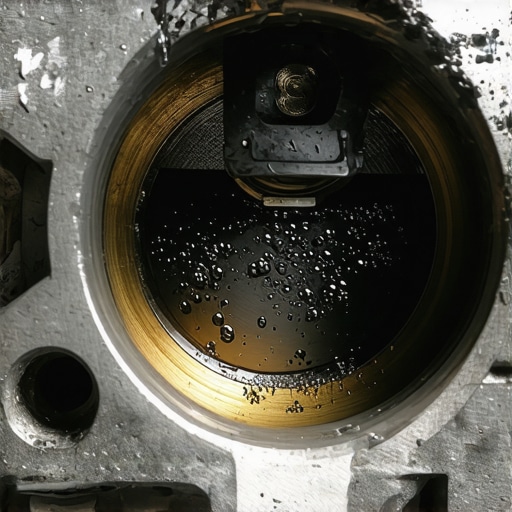
The most common culprit is a dirty throttle body. Think of this part as the ‘lungs’ of your car. It is a large valve that opens to let air in when you step on the gas. Over time, oil vapors from the crankcase mix with tiny bits of dust to create a sticky, black sludge known as carbon buildup. This sludge acts like glue around the edges of the butterfly valve. This is a primary reason why your car feels sluggish even after a new air filter. To fix this, you will need a can of specialized throttle body cleaner and a lint-free rag.
The Right Way to Clean the Intake
Locate the thick rubber or plastic air intake hose and loosen the clamps to pull it off. You should see a round metal opening with a flap inside. While the engine is off, have a friend press the gas pedal to open that flap. Spray the cleaner onto your rag—never spray it directly into the sensor-heavy intake if you can help it—and wipe the edges of the flap and the housing where it rests. You want it to look like polished silver again. If you aren’t careful with liquids here, you could cause electrical issues, so knowing the best way to clean your engine bay without shorting wires is vital for general maintenance. This simple cleaning often resolves the jerkiness and prevents you from needing expert auto repair now for a more expensive sensor replacement. 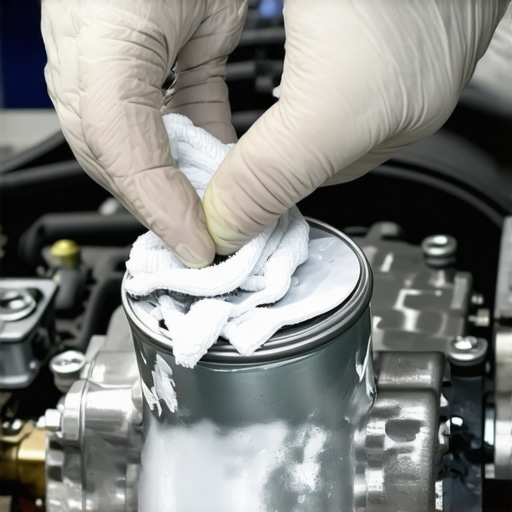
Check the Life of the Physical Cable
If your car is an older model, you likely have a physical throttle cable. This is a steel braided wire inside a plastic sleeve. Over time, that sleeve can crack, letting in water and road salt that corrodes the wire. It starts to fray, and those tiny metal ‘hairs’ catch on the inside of the sleeve, causing that terrifying resistance. Pop your hood and look at where the cable attaches to the engine. If you see any frayed wires or kinking, the cable needs to be replaced immediately. This is a crucial part of any essential car service tips for safe summer drives, as a snapped cable means no throttle control at all. Keeping these moving parts lubricated and clean will help you maximize your cars lifespan with regular tune-ups and ensure your car reacts exactly when you need it to. If the cleaning does not work and the cable looks fine, you might be dealing with a failing electronic throttle motor, which often shows up when your car idles high when you first start it.Most ‘experts’ on YouTube tell you to just blast the throttle body with cleaner and call it a day. While that works for a 1998 sedan, modern cars are a different beast entirely. We often assume every jerk or catch is a mechanical obstruction, but in the era of ‘Drive-by-Wire,’ the physical connection between your foot and the engine is often non-existent. The biggest myth is that a sticky feeling always requires a wrench. Sometimes, it requires a software recalibration.
Is Your Car’s Brain Misinterpreting Your Foot’s Input?
When you step on the gas in a modern vehicle, you are actually just moving a potentiometer—essentially a high-tech dimmer switch. If that sensor has ‘dead spots’ from wear, the computer might delay the signal, creating a sensation that feels exactly like a physical snag. According to the National Institute for Automotive Service Excellence (ASE), electronic throttle bodies are frequently misdiagnosed as mechanical binding, leading drivers to waste money on parts they do not need. This is a classic example of why you might need expert auto repair now rather than just a can of spray. If you find your automatic transmission stays in first gear too long, it might actually be the throttle sensor failing to tell the transmission you have let off the gas.
Stop Blaming the Cable for Every Acceleration Hiccup
I see people all the time trying to lubricate their throttle cables on cars made in the last decade. Newsflash: your car probably does not have one. If you are hunting for a cable that is not there, you are missing the real culprit. This confusion is a major reason why most shops misdiagnose a simple repair as something far more expensive. The ‘stick’ you feel could actually be the computer putting the car into ‘limp mode’ to protect the engine from a sensor mismatch. It is a nuance that separates a basic oil-change tech from a real diagnostic professional.
Avoid the Expensive Trap of Over-Cleaning Sensors
Here is the ‘oops’ factor that ruins engines: using the wrong chemicals. I have seen enthusiasts use harsh brake cleaner on their throttle plates, which strips the specialized moly-coating designed to keep the plate moving smoothly. Once that coating is gone, the plate will stick forever, no matter how clean it is. Worse, if liquid seeps into the electronic motor housing, you have just turned a $10 cleaning job into a $600 replacement. This is why knowing the best way to clean your engine bay without shorting wires is so critical. 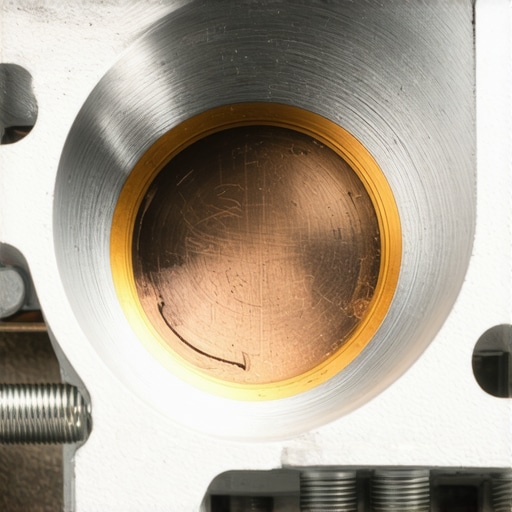 If you are not careful, you might end up wondering why your car jerks when you turn off the ignition because of a shorted throttle actuator. Maintaining that smooth pedal feel is part of how you maximize your cars lifespan with regular tune-ups. It is about precision, not just force. Have you ever spent hours cleaning a part only to realize the problem was a tiny electronic sensor? Have you ever fallen into this trap? Let me know in the comments. If you are still stuck, it is worth checking out our essential car service tips for safe summer drives or contacting us for a second opinion before you start replacing expensive modules. Always remember that a transmission overhaul can often be avoided just by ensuring your engine’s ‘breathing’ and ‘sensing’ components are in sync.
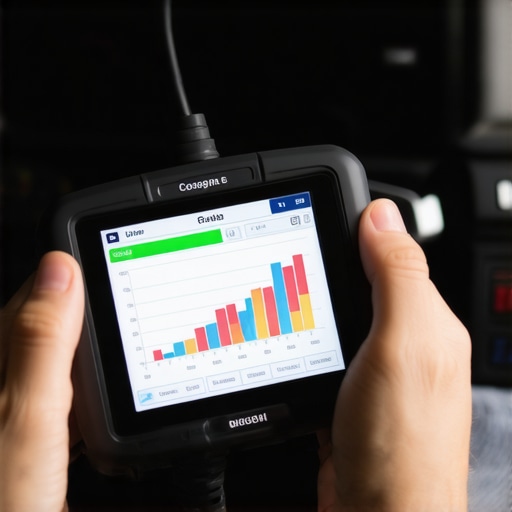
I stopped carrying around a massive chest of wrenches years ago because, frankly, my laptop and a simple multimeter do half the work now. If you are serious about fixing that jerky pedal, you need to stop guessing and get specific. I personally swear by a mid-range Autel scanner. Why? Because it allows me to watch the ‘Relative Throttle Position’ in real-time. If I press the pedal and the percentage jumps from 12% to 40% with nothing in between, I know the sensor has a dead spot. It is the same logic you would use when learning how to read live data to find a misfire. Instead of throwing parts at the car, you are looking at the digital evidence first.
Stop Guessing and Get These Into Your Toolbox
For the mechanical side of things, I never use standard shop rags. They leave behind lint that can actually foul the delicate sensors inside the intake. I use microfiber cloths specifically designed for electronics. And when I am checking for electrical issues in a ‘Drive-by-Wire’ setup, finding a signal break is very similar to the way you would use a 15 tool to find a short circuit in your dash. It is all about following the voltage. If the voltage drops off as you depress the pedal, you have found your ‘hitch’ without even opening the hood. This level of precision is part of the essential car service tips for safe summer drives that keep you from getting stranded in the heat.
How do I maintain my throttle response over time?
Maintenance is not a one-and-done event; it is a rhythm. To keep that pedal feeling like butter, I recommend a throttle body cleaning every 30,000 miles. Don’t wait for the jerkiness to start. I also suggest using top-tier detergent gasoline, which contains additives that reduce the amount of ‘blow-by’ oil vapors that coat your intake. This proactive approach is how you maximize your cars lifespan with regular tune-ups. According to the SAE J1979 standard, which governs how your car’s computer communicates diagnostic data, modern engines are extremely sensitive to air-fuel ratios. Even a tiny bit of carbon on that throttle plate can throw the whole system out of sync, forcing the computer to over-compensate and making your drive feel clunky.
The Digital Shift is Changing Everything
I predict that within the next five years, we won’t even be cleaning throttle bodies manually. We are already seeing the rise of predictive diagnostic software that can ‘pulse’ the throttle motor at high frequencies during shutdown to shake off carbon deposits. But until your car can heal itself, you need to be the one watching for the top signs your car needs expert auto repair now. If you let a sticky pedal go for too long, the constant ‘hunting’ for the right idle speed can put unnecessary strain on your engine mounts and even lead to expensive transmission overhauls because of the erratic shifts. Grab a cheap OBDII dongle this weekend and look at your ‘Relative Throttle Position’—you might be surprised how much your car’s brain is struggling to interpret your foot’s command. If the numbers look erratic, it is time to get to work.
Why Cleaning Your Intake Isn’t Always the Magic Fix
After years under the hood, I have realized that a sticky pedal is often just the symptom, not the root disease. Here are a few lightbulb moments I wish I had known before I started wrenching on my own vehicles. First, the PCV Connection is huge. If your throttle body is constantly covered in black gunk, cleaning it is only a temporary fix; you likely have a failing PCV valve dumping oil vapor into the intake. Second, remember electronic fragility. On modern ‘Drive-by-Wire’ systems, forcing the butterfly valve open with your fingers can strip the plastic gears inside the motor. Always have a partner hold the pedal down to open it safely. Finally, sometimes what feels like a physical snag is actually why your transmission shifts early into top gear, creating a bogging sensation. I have even seen cases where the ‘stick’ only happened in the morning, which is often related to why your transmission shifts better when its hot rather than a physical cable issue.
The Gear I Keep in My Glovebox
I do not go anywhere without a few specific tools that take the guesswork out of the equation. A reliable OBDII scanner is non-negotiable for modern cars, as it allows you to see if the throttle position sensor is sending a clean, linear signal to the ECU. I also recommend keeping a dedicated ‘electronics-safe’ cleaner in your kit; using the wrong solvent is a fast track to needing expert auto repair now. Finally, take the time to learn how to read live data to find a misfire because a stuttering engine can often mimic the feeling of a sticking throttle cable. These tools turn a frustrating guessing game into a precise, manageable science.
Get Your Car’s Personality Back
Your car should not feel like a chore or a safety hazard to drive. That smooth, linear response you remember from the showroom floor is still in there, often just buried under a little bit of carbon or a worn-out sensor. Taking an hour this weekend to inspect your intake or maximize your cars lifespan with regular tune-ups can save you thousands in long-term repairs. If you find yourself overwhelmed or the pedal continues to resist despite your best efforts, please contact us for a professional diagnostic. Reclaiming your car’s performance is the best way to ensure every drive is stress-free and safe. Have you ever felt that heart-stopping moment where your pedal finally ‘pops’ after being stuck? Let me know your experience in the comments below!