It was a chilly Saturday morning when I fired up my car, expecting a smooth ride to run some errands. Instead, I was greeted not by the usual scent of fresh upholstery, but by a pungent, sulferic smell—like rotten eggs, right under my nose. Instantly, I knew something was off. My first thought? Fuel leak? Exhaust issue? Turns out, the culprit was something much simpler—and surprisingly common.
Why Your Car Smells Like Rotten Eggs and How to Fix It
That unmistakable sulfur smell is more than just an annoyance; it’s a warning sign that something’s amiss beneath the hood. Ignoring it might lead to more serious engine problems down the line, or even affect your health if you breathe in the fumes regularly. So, I decided to dig deep—both from personal experience and trusted sources—to understand what’s behind that foul odor and, most importantly, how I can get rid of it once and for all.
Is the Sulfur Smell Overhyped? My Experience Says Otherwise
Early on, I made the mistake of dismissing the smell as a silly quirk. Smelled bad, yeah, but I figured it wasn’t urgent. That was a rookie move. Experts warn that a rotten egg smell often points to a catalytic converter issue, which could be costing you fuel efficiency and harming your engine’s performance. According to research by the Environmental Protection Agency, catalytic converter failures are one of the leading causes of sulfur odors in vehicles. Trust me—it’s a problem worth tackling the moment it appears.
So, have you noticed that strange smell after driving? You’re not imagining things. Today, I’m going to share practical, straightforward ways to diagnose and fix the root cause of that rotten egg scent—no more guessing, just real solutions to restore your car and your peace of mind. Let’s get started with understanding what’s actually happening under your hood.
Inspect the Catalytic Converter Carefully
Start by locating the catalytic converter, usually situated between the engine and exhaust system. Examine it for signs of damage, clogging, or excessive soot buildup. A blocked or failing converter can cause sulfur gases to accumulate, producing that unmistakable rotten egg odor. I once had a clogged converter that was so gummed up, I had to replace it entirely—a messy job, but necessary for a clean smell and proper engine function.
Check for Exhaust Leaks
Next, listen for hissing sounds or look for soot around the exhaust manifold and pipes—indicators of leaks. A small crack or loose connection allows exhaust fumes to escape before they reach the catalytic converter, sometimes causing sulfur odors inside the cabin. To pinpoint leaks, I used a smoke machine borrowed from a friend—a quick method that clearly revealed tiny cracks I couldn’t see otherwise.
Assess the Fuel and Air Mixture
Poor fuel mixture contributes to incomplete combustion, leading to sulfur smells. Verify that your engine isn’t running too rich or lean. Revisiting your air filter is a good start; a clogged filter reduces airflow, enriching the mixture in the wrong way. Remember, a dirty air filter can cause multiple issues—check out how to fix a rough idle for other related symptoms.
Inspect the Engine’s Cooling System
Overheating engines can impact catalytic converter efficiency, intensifying sulfur odors. Ensure your coolant levels are appropriate and look for leaks or blockages in the radiator and hoses. I once discovered a tiny radiator leak that, when fixed, immediately reduced the sulfur smell and improved overall engine performance.
Test the Engine Control Unit and Sensors
Sometimes, faulty sensors provide incorrect data to the engine computer, causing fuel mixture issues. Use an OBD-II scanner to check for error codes related to the oxygen sensors or the catalytic converter. If you find sensor faults, replacing or recalibrating them can restore normal operation and eliminate the odor. I replaced a failing oxygen sensor myself, following a detailed guide, which finally stopped the sulfur smell.
Maintain the Fuel System for Optimal Combustion
Dirty fuel injectors can cause incomplete combustion, leading to sulfur gases. Regular cleaning helps prevent this. You can perform a fuel injector cleaning with an additive, or for deeper cleaning, consider professional services. I found that using a high-quality additive improved engine efficiency and reduced emissions temporarily—long-term solutions often require professional cleaning or replacement.
Address the Root Cause with Professional Help
If after all these steps the smell persists, it’s time to consult a mechanic. They can perform a thorough inspection, including testing emissions and examining component integrity. Remember, tackling issues early prevents costly repairs and health risks. For complex damage like heavily clogged converters or significant exhaust leaks, professional replacement is the safest route.
Don’t forget, maintaining your vehicle’s exhaust and engine systems keeps everything running smoothly—and smelling fresh. Regular inspection and timely repairs save money and extend your car’s lifespan. If you need guidance on specific repairs, check out how to patch a bumper without a repaint or stop engine pinging under load to enhance your repair knowledge.
 Many car owners assume that basic maintenance tasks like tune-ups and collision repairs are straightforward, but beneath the surface, there are nuanced details many professionals overlook. For instance, regular tune-ups aren’t just about replacing spark plugs; the timing and sequencing, especially with modern engines, can significantly impact performance and longevity. Rushing the job or using generic parts without considering manufacturer specifications can lead to premature engine wear. A common myth is that all auto repair shops perform equally; however, unlicensed or inexperienced mechanics might cut corners—like using Bondo instead of proper metal replacements in collision repairs, which can compromise structural integrity. To avoid such pitfalls, always verify a shop’s credentials and ask about their repair techniques.
What Advanced Drivers Forget About Transmission Maintenance
Underestimating the importance of transmission fluid quality is a frequent mistake. Many believe that a simple fluid change suffices, but recent studies, such as those from SAE International, show that the type and condition of transmission fluid are crucial in preventing gear slippage and overheating. Using the wrong fluid or neglecting filter replacements can cause early failure, leading to costly repairs. For the savvy car owner, understanding the specific fluid specifications for your vehicle is vital—sometimes, a 10-minute fluid flush can prevent a major rebuild. If you want to learn how to spot hidden transmission issues, check out our guide on signs your transmission needs service.
One area many miss is the significance of fluid contamination. Dirt or metal shavings in the transmission fluid can accelerate wear, and an overlooked symptom like erratic shifting may be misdiagnosed without proper testing. Always request a professional diagnostic before proceeding with repairs.
Speaking of precision, the difference between a correct and subpar collision repair can be the difference between safety and a risk on the road. Many body shops patch frame damage with quick fixes, potentially missing hidden cracks that compromise vehicle safety. Learning how to tell if your collision repair shop did quality work is essential—see our tips on spotting corner-cutting.
In conclusion, understanding the hidden nuances in auto maintenance empowers you to make better decisions, saving money and extending your vehicle’s lifespan. Don’t fall into the trap of common myths—invest in proper diagnostics and trusted technicians. Have you ever fallen into this trap? Let me know in the comments.
Keeping Your Vehicle Running Smoothly Over Time
Maintaining your car’s longevity and optimal performance isn’t just about quick fixes; it involves using the right tools and adopting disciplined maintenance routines. Personally, I swear by specific equipment and software that streamline diagnostics, prevent breakdowns, and save money in the long run.
One indispensable tool I rely on is an OBD-II scanner. Unlike generic diagnostic devices, I prefer models like the BlueDriver, which offer comprehensive real-time data and deep error code analysis. This allows me to catch issues early—before they escalate into costly repairs—ensuring my car remains dependable through seasons of heavy use.
In addition to scanners, I recommend investing in a quality digitally controlled torque wrench. Precise torque setting is critical during components like cylinder head bolts or wheel lug nuts. Proper tightening prevents mechanical failures and enhances safety. I personally use the CDN Tools Digital Torque Wrench because of its memorized settings and ease of calibration, especially when performing collision repairs.
For fluid maintenance, I rely heavily on dedicated flushing kits. For instance, a transmission fluid exchange machine, such as the AUTOPROT, ensures thorough cleaning of internal components—crucial in avoiding issues like shifting delays or overheating. Regular fluid changes, guided by these tools, extend transmission life and prevent unnecessary rebuilds. Check out this article to understand why fluid quality matters most in modern gearboxes.
Software that aids in scheduling and record-keeping also plays a big role. I recommend a maintenance app like myCarfax, which reminds you of oil changes, filter replacements, and inspections based on your driving patterns. This proactive approach helps keep track of service intervals, like coolant flushes or brake fluid changes, that often get neglected.
Should I be concerned about scale and long-term results?
Absolutely. These tools aren’t just for immediate fixes—they contribute to the gradual buildup of long-term benefits. Regularly using diagnostic tools detects issues before they cause damage, saving you repair costs and downtime. Scheduled maintenance, including fluid flushes and component inspections, preserves performance and safety metrics. As advancements in technology continue, integrating AI-driven diagnostics and predictive maintenance systems will become standard, allowing vehicle owners to anticipate problems before they happen.
How can I ensure my car remains in top shape?
Consistently applying a routine of using precise, dedicated tools ensures the best results. For instance, I recommend regularly performing turbocharger maintenance with specialized oil analysis kits and cleanliness checks. These practices prevent unexpected failures and prolong turbo life. Additionally, adopting software solutions for real-time system monitoring keeps you informed and ready to intervene if anomalies appear.
If you want to try a game-changing maintenance tip, consider scheduling a 10-minute idle fix by inspecting your idle air control valve and cleaning it with proper solvent. This simple step enhances fuel efficiency and engine responsiveness, especially useful for those with older vehicles or after heavy usage.
Ultimately, keeping your vehicle in killer shape over years to come depends on a combination of the right tools, disciplined routines, and proactive diagnostics. Investing in quality equipment now will pay dividends in reliability, safety, and a more enjoyable driving experience. Be sure to check out our guide on patching radiators effectively for additional maintenance techniques.
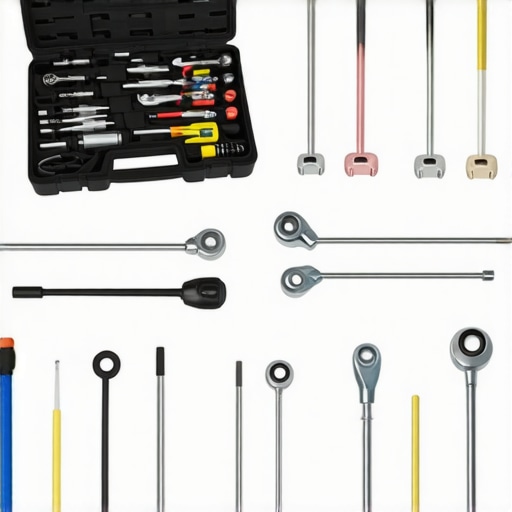
**Image Prompt:** High-resolution photo of a mechanic’s toolbox with advanced diagnostic tools, torque wrenches, and fluid flush kits laid out on a workbench, emphasizing professional-grade maintenance equipment.
What I Wish I Knew When I Started Fixing Cars That No One Told Me
One of the biggest lightbulb moments in my auto repair journey was realizing that not every tool marketed as essential truly makes the cut. I used to believe that a fancy diagnostic scanner would solve all my problems, but I found that understanding the specific sensors and data points is the real game-changer. Additionally, I learned that trusting the right sources—like detailed repair guides and certified mechanics—saved me time and money, especially when tackling complex issues like catalytic converter repairs or transmission troubleshooting. I also discovered that patience and hands-on experience are invaluable; rushing repairs often leads to overlooking subtle warning signs. Embracing a mindset of continuous learning and curiosity has kept my vehicle running smoothly, and I encourage every DIY enthusiast to stay humble and observant behind the wheel.
Tools and Resources That Elevated My Auto Care Routine
Over the years, I’ve come to rely on certain tools that genuinely improve maintenance outcomes. The BlueDriver OBD-II scanner remains my top choice for comprehensive diagnostics—providing real-time data and error code explanations that guide my repairs confidently. For precision tasks like tightening cylinder head bolts or lug nuts, I swear by the CDN Tools Digital Torque Wrench, which ensures safety and proper assembly. When it comes to fluid maintenance, a dedicated transmission fluid exchange machine like AUTOPROT has saved me from future headaches by removing contaminants thoroughly. Lastly, I recommend using maintenance scheduling apps such as myCarfax to stay ahead of service intervals, preventing small issues from snowballing into costly repairs. Trusting these resources has transformed my approach from reactive to proactive.
Push Yourself to Be a Better Car Owner
Taking charge of your vehicle’s health is empowering, and the right mindset makes all the difference. Remember, every repair or routine check is an opportunity to learn something new—like how a simple cleaning the idle air control valve can improve engine responsiveness. It’s inspiring to see how small, consistent efforts—checking coolant levels, inspecting hoses, or replacing filters—add up to significant benefits. Don’t be discouraged by initial setbacks; every seasoned mechanic started somewhere. As you build confidence, consider exploring detailed guides for more complex tasks or investing in quality tools that make repairs safer and easier. Your dedication to maintaining your car not only enhances safety but also deepens your connection with your vehicle, turning what once felt intimidating into a rewarding adventure. So go ahead—take that first step, and remember that every expert was once a beginner too.