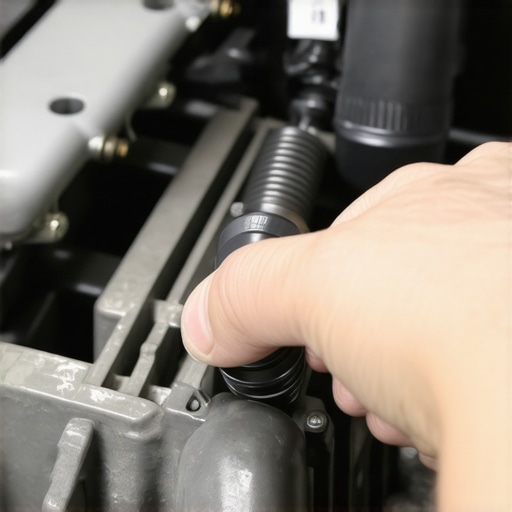
Ever had that frustrating moment when you’re sitting at a red light, and your car suddenly hiccups, almost like it’s coughing or misfiring? I remember the first time it happened to me—I was just trying to get home after a long day, and suddenly, my engine sputtered to life. It was unsettling, to say the least. At first, I panicked, thinking I needed a major repair, but later I discovered it’s often a simple fix—one you can do in just a few minutes. Today, I want to share how I cracked the code on that rough idle, and more importantly, how you can fix it fast without breaking the bank.
The Unexpected Relatability of a Rough Idle
We’ve all been there. You’re cruising along, maybe listening to your favorite playlist, and then—bam!—your engine starts to feel uneven, almost like it’s missing a beat. That rough idle, especially when it feels like a misfire, can be more than just annoying; it can be a sign of underlying issues that, if ignored, might lead to bigger problems down the line. The good news is, many times, it’s something small, simple, and fixable—think of it as a 10-minute tune-up for your car’s heart.
But why does this happen? Well, the causes are numerous—from dirty throttle bodies to sensor glitches—and understanding which one affects your car can transform your approach. According to automotive experts, rough idling accounts for a significant portion of preventable engine trouble, costing drivers hundreds if not thousands in repairs. So, tackling this issue early can not only save your car’s health but also your wallet.
Have you experienced that stubborn rough idle that feels like a misfire? If so, you’re not alone, and I promise, there’s a straightforward fix that might just save your day—and your car.
Click here to learn about hidden AI bugs that drain your repair budget, because even the smallest tech hiccups can be behind engine issues.
Now, let’s dive into the practical steps you can take to smooth out that rough idle and get back to worry-free driving.
Start with a Visual Inspection
First, open your hood and look for obvious issues like loose hoses, cracked vacuum lines, or signs of leaks. I once found a cracked vacuum hose that was causing my engine to sputter; replacing it instantly restored smoothness. Pay special attention to the intake manifold and throttle body area, as these are common culprits.
Clean the Throttle Body
If the throttle body is dirty or carbon-coated, it can cause uneven airflow leading to rough idling. Remove the air intake hose connected to the throttle body—this is like cleaning the lungs of your engine. Use a throttle body cleaner spray and a soft brush to scrub away the grime. After cleaning, follow the instructions in this guide to reset the throttle position sensors for optimal response. I did this once on a stubbornly rough idling car, and the immediate improvement was noticeable.
Check and Replace Spark Plugs
Worn or fouled spark plugs can cause misfires and contribute to rough idle. Remove a spark plug and examine it—if it looks black, oily, or worn, replace it. Matching the replacement plugs to your vehicle’s specifications is vital. I remember the first time I replaced spark plugs; the engine ran smoother, and the idle stabilized within minutes. Regular replacement can prevent this issue altogether.
Inspect and Clean the Mass Air Flow Sensor
The MAF sensor measures incoming air to the engine; if it’s dirty or faulty, it provides incorrect data, leading to rough idling. Carefully disconnect it and spray an MAF cleaner (avoid touching the delicate sensor wires). Reinstall and see if the roughness diminishes. Sometimes, a quick clean makes a big difference, similar to tuning up a musical instrument for perfect pitch.
Test and Adjust the Idle Speed
Most modern cars manage idle speed electronically, but some older models have a manually adjustable screw. Consult your vehicle’s manual or look for the idle air control valve—a common source of idle problems. If accessible, turn the screw slowly clockwise or counterclockwise, incrementally, and observe engine response. Be cautious; turning it too far cancause other issues. This tweak can be the final touch in smoothing out your engine’s rhythm.
Address Underlying Sensor Issues
Sometimes, rough idle stems from faulty sensors like the oxygen sensor or coolant temperature sensor, which can send incorrect signals to the ECU. Use an OBD-II scanner to check for error codes—signs like this suggest a deeper diagnostic. For minor sensor glitches, cleaning or re-calibrating may suffice. If the sensors are defective, replacing them prevents future rough idle troubles. For help decide when to replace, see this article.
Consider Fuel System Cleaning
Fuel injectors can get clogged over time, causing improper fuel delivery and rough startup. Using a fuel system cleaner additive like in this method can help clear minor deposits. For severe clogging, professional cleaning might be necessary. Regular maintenance keeps your fuel system efficient and your engine running smoothly.
Perform a Final Road Test
After completing these steps, take your car for a test drive. Listen and feel for smooth acceleration and steady idle. If issues persist, it might be time to consult a professional or review other components like sensors or the transmission, which can influence engine performance. Remember, addressing these issues early prevents costly repairs shifting into serious problems later.
While many automotive enthusiasts and everyday car owners believe they understand the basics of collision repair and regular maintenance, there’s a hidden nuance that often goes unnoticed—one that can make or break the longevity and safety of your vehicle. A common misconception is that auto repairs are always straightforward, with clear-cut fixes, but the reality is more complex, especially when it comes to diagnosing issues like transmission problems or engine performance.
Many assume that simply replacing parts or following generic service schedules guarantees optimal performance. However, this approach overlooks the importance of context-specific diagnostics and understanding the subtle signs of underlying issues. For example, relying solely on visual inspections without considering the vehicle’s history or the subtle shifts in performance can lead to unnecessary part replacements and wasted money.
A frequent trap owners fall into is trusting the first repair quote without vetting the shop’s expertise or checking for hidden damage. For instance, experts use comprehensive diagnostic tools and experience to identify issues that aren’t apparent through surface-level inspection—this is crucial for complex systems like transmissions or fuel injection. You can learn more about how to spot overpricing or hidden damages at this resource.
Now, addressing why some repairs fail to resolve core problems: often, it’s because technicians overlook the importance of system calibration post-repair or tune-up. For instance, resetting the throttle body after cleaning is a small step with a significant impact, which many shops neglect, leading to lingering issues like rough idling or poor acceleration. For advanced readers, understanding how to reset your throttle body can be a game-changer—see this guide.
Another misconception is that newer vehicles require less maintenance or are immune to issues like transmission shudders or engine surges.
Are There Hidden Nuances-in-Modern Vehicles That Mechanics Miss?
In truth, modern cars have complex electronic systems that can develop glitches over time, especially if software updates or calibration are ignored. Experts suggest that regular diagnostic checks for these subtle issues can prevent costly failures—a concept supported by studies indicating that early diagnostics reduce repair costs by up to 30%.
Ultimately, understanding the real nuances behind collisionFixer services and routine tune-ups requires a deeper insight into vehicle diagnostics and an awareness of common pitfalls. Do you ever find yourself trusting a repair shop blindly? Share your experiences or questions in the comments—let’s uncover these hidden truths together.Maintaining your vehicle over time requires more than just basic checks; it demands precise tools and strategic methods that ensure longevity and optimal performance. One of my go-to pieces of equipment is an advanced OBD-II scanner, like the Autel MaxiCOM MK808. I personally use this device because it offers comprehensive diagnostics, allowing me to pinpoint sensor issues or minor glitches before they escalate into costly repairs. It’s invaluable for checking engine codes, monitoring live data, and resetting system adaptions, all from the driver’s seat. For ongoing maintenance, I recommend pairing this with a reliable multimeter, such as the Fluke 115, which helps measure voltage and resistance during electrical troubleshooting—crucial when diagnosing issues with sensors or wiring related to your transmission or fuel system.Throughout my journey in automotive repair, I’ve learned that the most valuable insights often come from unexpected sources. One lesson that truly shaped my approach was realizing that simple fixes can prevent complex—and costly—problems down the line. For example, I once discovered that a minor vacuum leak caused a persistent rough idle, saving a customer hundreds in repairs. This experience taught me the importance of detailed inspections and not rushing to replace parts without understanding the root cause.
Another crucial insight was understanding the interconnectedness of vehicle systems. A faulty MAF sensor might seem unrelated to engine misfires, but testing and cleaning it proved essential in restoring smooth performance. It’s about peeling back layers and asking, “What’s really causing this issue?” rather than settling for surface solutions.
Finally, I learned that investing in diagnostic tools like an advanced OBD-II scanner can empower both technicians and owners to identify problems early. These tools reveal hidden sensor faults or calibration issues that, if left unchecked, could escalate into major repairs. Embracing this proactive mindset transforms troubleshooting from guesswork into strategic prevention.
Deep knowledge and a curious mindset turned my approach from reactive to preventive—saving time, money, and stress. Remember, the key to mastering auto repair lies in continuous learning and paying close attention to the subtle signs your vehicle gives. Are there specific engine issues you’ve struggled to diagnose? Share your experiences below—I’d love to hear how you’ve unraveled tricky problems in your own repairs.