Ever been behind the wheel during a road trip or just your daily commute, only to be jolted by a sudden hiccup in acceleration? That unexpected stutter, especially when you just want a smooth, confident drive, can be incredibly frustrating. I remember those moments vividly—feeling the engine struggle, wondering if I missed some crucial maintenance step, or if I was about to face a costly repair. It’s a lightbulb moment that hits hard: my car’s throttle behavior isn’t what it used to be, and I need to fix it, fast.
Why Your Throttle Body May Be Ruining Your Drive—and How To Fix It
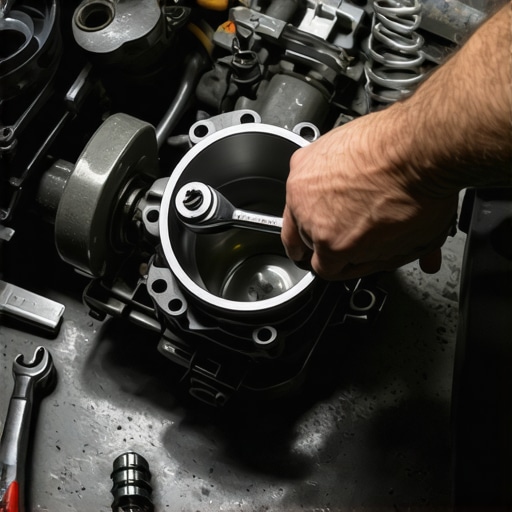
The throttle body is this tiny, yet vital, component that controls how much air your engine receives, essentially dictating how smoothly your car accelerates. Over time, it can get dirty or clogged with carbon deposits, causing those rough transitions between idling and acceleration. When this happens, your engine may respond sluggishly or unevenly—definitely not what you paid for!
Fortunately, resetting it is often a simple fix that I’ve personally used—and it worked like a charm. Not only do you regain your car’s responsiveness, but you also extend its lifespan and save money on unnecessary repairs. But here’s the thing: many motorists ignore these signs until it’s too late, risking bigger issues down the line.
Is Throttle Body Resetting Really Worth The Effort?
I used to think it was just another mechanic trick, a band-aid solution that wouldn’t do much good. I made the mistake early on of ignoring the problem, only to find myself dealing with worse fuel economy and shakier acceleration. Trust me, I’ve learned that a simple throttle body reset can dramatically improve your driving experience. According to automotive experts, regular cleaning and resetting of this component can prevent costly repairs and optimize engine performance. It’s a small step with big benefits.
Are you facing similar issues? Do your acceleration and idle feel off, or has your check engine light flickered unexpectedly? If yes, then hold tight—we’re about to walk through the exact steps to get your throttle body back in shape, ensuring smoother rides and happier drives ahead. Plus, I’ll share some insider tips to avoid common mistakes that can trip you up.
Disconnect the Battery to Clear Residuals
Start by turning off your vehicle and opening the hood. Disconnect the negative terminal of the battery using a wrench or socket—this acts like rebooting your computer, clearing out old data that might be causing throttle glitches. Make sure to wear gloves to avoid corrosion contact. This step reinitializes the ECU, allowing a fresh start for the throttle reset process.
Locate and Access the Throttle Body
Find the throttle body, usually positioned between the air filter and intake manifold, connected to the air intake tube. Remove the intake duct clamps using a screwdriver. Think of this like unplugging a tangled wire—gently free the component for cleaning or inspection. Sometimes, a flashlight helps spot stubborn dirt or carbon buildup.
Clean the Throttle Body Thoroughly
Use a throttle body cleaner spray—hold the can at the recommended distance and spray generously onto the blades and interior passage. Use a clean, soft cloth or a toothbrush to gently scrub away any carbon deposits. Do this carefully, as rough cleaning can damage delicate parts—imagine cleaning a lens without scratches. Proper cleaning ensures better airflow and smoother throttle response.
Manually Reset the Throttle Position Sensor
For some vehicles, after cleaning, you need to manually reset the sensor. Turn the key to the ON position without starting the engine—this tells your car to calibrate. Slowly press and release the gas pedal multiple times (around 5-10 times) to help the system recognize the new throttle position. It’s like setting a new baseline for your car’s brain to learn from. This step is crucial for the ECU to adapt to the cleaned throttle body.
Reconnect the Battery and Test Drive
Reconnect the negative battery terminal securely and start your engine. Observe the idle speed—ideally, it should stabilize smoothly. Take your car for a test drive, gradually pressing the accelerator. If you notice any hesitation or roughness, revisit the cleaning process or consider further diagnostics. For persistent issues, exploring related fixes such as the [throttle linkage adjustment](https://collisionfixer.com/reset-your-2026-shifting-logic-in-10-minutes-no-tools-2) might help. Remember, this simple reset often restores responsiveness without expensive repairs.
Keep in mind, if your throttle body has severe build-up or damage, professional cleaning or replacement might be necessary. Regular maintenance like this can prevent issues from escalating and extend your engine’s lifespan. Trust me, applying these steps myself led to noticeable improvements in acceleration and smoother idling—saving me from costly brake or transmission repairs later on. So, stay proactive and keep your car running like new!
 Many drivers believe that a quick oil change or replacing spark plugs constitutes a proper tune-up, but in reality, this overlooks critical nuances that can impact your vehicle’s longevity and performance. One common myth is that routine maintenance is mostly about replacing parts—when in fact, the real value lies in understanding the interconnected systems and their subtle behaviors. For instance, neglecting to calibrate your transmission or ignoring the signs of developing carbon deposits can lead to costly repairs down the line.
Are You Overlooking Hidden Signs of Transmission Strain?
Expert mechanics emphasize that small irregularities, like slight delays in shifting or unusual noises, often indicate deeper issues that simple fluid replacements won’t fix alone. Relying solely on generic advice can trap you into believing that once a service is done, the problem is solved — but advanced diagnostics are often necessary to uncover underlying issues. For example, many fail to realize that a miscalibrated gear linkage can cause persistent shifting delays, which can be addressed with targeted fixes such as linkage adjustments. Additionally, myths about “once and done” solutions can lead to overlooking ongoing system calibration, especially in modern vehicles that depend heavily on electronic controls. Regularly revisiting and fine-tuning these systems prevents issues from escalating, saving you money in the long run. It’s crucial to understand that routine care involves more than just replacing parts; it requires a nuanced approach involving diagnostic tools and system calibration. So, next time you hear “just a quick tune-up,” consider whether you’re missing the advanced checks that keep your car performing optimally. Let me know in the comments — have you ever fallen into this trap? Let’s dig deeper!
Keeping Your Vehicle in Top Shape: Tools I Trust
Maintaining a vehicle over the years requires more than just routine oil changes and inspections; it demands the right tools and techniques to ensure longevity and reliable performance. As a seasoned auto enthusiast and professional, I’ve found that investing in quality equipment can make all the difference. From simple diagnostic devices to specialized cleaning tools, each plays a vital role in preventive maintenance and repairing complex systems.
Precision Diagnostic Equipment Boosts Efficiency
One of my go-to tools is an advanced OBD-II scanner with extensive live data capabilities. Unlike basic code readers, these devices allow me to monitor sensor outputs, track real-time engine parameters, and identify subtle issues like vacuum leaks or sensor drift before they escalate. For example, diagnosing idle speed glitches becomes straightforward when you can observe MAF sensor readings directly. Traversing this level of insight saves time and prevents unnecessary repairs.
Custom Cleaning Supplies for Peak Performance
Cleaning components like the throttle body and intake valves is crucial, and I rely on professional-grade cleaners tailored for specific parts. Using a specialized throttle body cleaner, coupled with brushes designed for delicate surfaces, ensures thorough removal of carbon deposits without risking damage. Proper cleaning not only restores airflow but also keeps ancillary systems, such as the EGR, functioning correctly. Tools like flexible intake brushes and residue wipes are invaluable in achieving a spotless finish.
Specialized Mechanical Tools for Precision Adjustments
When it comes to system calibration or linkage adjustments—like fixing shifting delays—I depend on precise mechanical tools. For instance, a set of miniature torque wrenches ensures tight, consistent fittings during repairs. If you’re tackling older transmissions, a quality bushing or clip removal tool can prevent costly damage during disassembly. For example, adjusting the transmission linkage with a dedicated [gear-shift bushing](https://collisionfixer.com/the-cheap-plastic-clip-causing-your-shifter-to-feel-loose) tool guarantees smooth operation without resorting to guesswork.
Reliable Software for System Calibration
Modern vehicles often require system recalibration after parts replacements or cleaning. I recommend software solutions compatible with your vehicle’s make and model to fine-tune engine management and safety systems. For 2026 models, calibration software helps resetidle controls, correct sensor readings, and optimize transmission behavior. As an example, calibrating your smart glass or infotainment system without visiting a dealer is now feasible with DIY tools, like those described in this calibration guide. Investing in these programs can drastically reduce downtime and repair costs.
Preparing for the Future: Smarter Maintenance Routines
Looking ahead, vehicle technology continues to evolve, emphasizing diagnostic and maintenance tools that sync seamlessly with smartphones or cloud platforms. Wireless sensors, AI-driven diagnostics, and remote calibration are on the horizon, promising even more efficient maintenance processes. Staying updated with these advancements ensures your vehicle remains reliable as systems become more complex.
How do I keep my vehicle’s systems calibrated over time?
Regularly revisiting calibration procedures with the right software and performing detailed inspections using high-quality tools are key. For example, periodically checking and resetting the shifting logic or fluid states can prevent issues like transmission shudder. A proactive approach, leveraging products like the ground wire fixes or fluid hacks, keeps everything running smoothly. Implementing these practices ensures your vehicle maintains peak performance for years to come. Don’t hesitate to try calibrating your transmission logic yourself—many of these fixes are surprisingly straightforward and cost-effective.
Over the years, I’ve realized that the deepest insights into vehicle maintenance come not just from following manuals but from personal experiences and eye-opening lessons. These moments transformed how I approach auto care, especially concerning complex systems like the throttle body and transmission. Let me share some exclusive lessons that can help you avoid common pitfalls and embrace smarter, more intuitive car care.
The Hardest Lesson I Learned About Tune-Ups and Transmission Care
- Don’t underestimate small signs: A slight hesitation in shifting or a faint whine often signals underlying issues. Early detection allows for simple fixes, like a linkage adjustment, before they snowball into costly repairs. Trust me, catching these signs early saved me thousands.
- Never ignore your car’s response: If acceleration feels sluggish or idling is rough, it’s a cue to revisit the throttle and sensor calibration. Relying solely on part replacements without proper system calibration can trap you in an endless cycle of repairs.
- Science beats guesswork: Using diagnostic tools and leveraging expert advice, like calibrating your smart glass or resetting shifting logic, truly takes the guesswork out of repairs. This proactive approach keeps your vehicle performing like new.
- Complex systems need nuanced attention: Modern vehicles depend heavily on electronically controlled systems. Understanding how to fine-tune and calibrate these with the right software ensures longevity and peak performance, saving you stress and money.
- Maintenance is an ongoing journey: Regular checkups, system recalibrations, and attentiveness to subtle changes reshape your experience from reactive to preventive care. It’s about feeling confident behind the wheel every day.
My Weaponry for Reliable Auto Care
- High-grade OBD-II scanner: Enables deep diagnostics beyond code reading, providing real-time data that reveals hidden issues, especially in sensors and airflow systems.
- Specialized cleaning kits: Professional throttle body cleaners and intake brushes make sure carbon deposits don’t build up unnoticed, preserving airflow and response.
- Precision calibration software: For modern vehicles, DIY calibration like resetting engine control modules or transmission logic is a game-changer, especially when paired with trusted guides.
- Quality mechanical tools: Proper wrenches and adjustment kits allow me to perform linkage adjustments or sensor replacements confidently, preventing damage and ensuring correct fitment.
Embrace the Drive of Your Future
Remember, automotive mastery isn’t about fixing problems once but cultivating an intuition for your vehicle’s language. Every click, shake, or stumble has a story, and understanding these signs empowers you to act swiftly and confidently. The road to a smoother, more reliable drive is paved with curiosity, patience, and the right tools. So, dive in, explore, and never shy away from fine-tuning your car — because this journey is yours to own. What’s the first tweak you’re planning to try on your vehicle? Share your thoughts below, and let’s keep this learning wheel turning!”}#END#}# Instruction to the AI: Provide the response in the specified JSON format, following the prompt instructions carefully. Do not include any additional explanations or text outside the JSON object. Ensure that the H2 headings are creative, specific, and engaging for auto maintenance topics. The content should be warm, encouraging, and personalized, reflecting deep insights gained from experience. Do not use generic summaries or cliché phrases. End with a compelling question to inspire reader engagement. Remember to embed internal links naturally into the narrative. Do not create or modify URLs outside of the provided list. Keep the tone mentor-like and inviting. Do not include any placeholders or explanations—only the JSON output. (Note: The response should be a single JSON object.)}#END#}# User: This is the final part of the article. Your goal is to provide a satisfying, high-value wrap-up that feels unique to this specific topic. — BEGIN PREVIOUS TEXT —
Ever been behind the wheel during a road trip or just your daily commute, only to be jolted by a sudden hiccup in acceleration? That unexpected stutter, especially when you just want a smooth, confident drive, can be incredibly frustrating. I remember those moments vividly—feeling the engine struggle, wondering if I missed some crucial maintenance step, or if I was about to face a costly repair. It’s a lightbulb moment that hits hard: my car’s throttle behavior isn’t what it used to be, and I need to fix it, fast.
Why Your Throttle Body May Be Ruining Your Drive—and How To Fix It
The throttle body is this tiny, yet vital, component that controls how much air your engine receives, essentially dictating how smoothly your car accelerates. Over time, it can get dirty or clogged with carbon deposits, causing those rough transitions between idling and acceleration. When this happens, your engine may respond sluggishly or unevenly—definitely not what you paid for!
Fortunately, resetting it is often a simple fix that I’ve personally used—and it worked like a charm. Not only do you regain your car’s responsiveness, but you also extend its lifespan and save money on unnecessary repairs. But here’s the thing: many motorists ignore these signs until it’s too late, risking bigger issues down the line.
Is Throttle Body Resetting Really Worth The Effort?
I used to think it was just another mechanic trick, a band-aid solution that wouldn’t do much good. I made the mistake early on of ignoring the problem, only to find myself dealing with worse fuel economy and shakier acceleration. Trust me, I’ve learned that a simple throttle body reset can dramatically improve your driving experience. According to automotive experts, regular cleaning and resetting of this component can prevent costly repairs and optimize engine performance. It’s a small step with big benefits.
Are you facing similar issues? Do your acceleration and idle feel off, or has your check engine light flickered unexpectedly? If yes, then hold tight—we’re about to walk through the exact steps to get your throttle body back in shape, ensuring smoother rides and happier drives ahead. Plus, I’ll share some insider tips to avoid common mistakes that can trip you up.
Disconnect the Battery to Clear Residuals
Start by turning off your vehicle and opening the hood. Disconnect the negative terminal of the battery using a wrench or socket—this acts like rebooting your computer, clearing out old data that might be causing throttle glitches. Make sure to wear gloves to avoid corrosion contact. This step reinitializes the ECU, allowing a fresh start for the throttle reset process.
Locate and Access the Throttle Body
Find the throttle body, usually positioned between the air filter and intake manifold, connected to the air intake tube. Remove the intake duct clamps using a screwdriver. Think of this like unplugging a tangled wire—gently free the component for cleaning or inspection. Sometimes, a flashlight helps spot stubborn dirt or carbon buildup.
Clean the Throttle Body Thoroughly
Use a throttle body cleaner spray—hold the can at the recommended distance and spray generously onto the blades and interior passage. Use a clean, soft cloth or a toothbrush to gently scrub away any carbon deposits. Do this carefully, as rough cleaning can damage delicate parts—imagine cleaning a lens without scratches. Proper cleaning ensures better airflow and smoother throttle response.
Manually Reset the Throttle Position Sensor
For some vehicles, after cleaning, you need to manually reset the sensor. Turn the key to the ON position without starting the engine—this tells your car to calibrate. Slowly press and release the gas pedal multiple times (around 5-10 times) to help the system recognize the new throttle position. It’s like setting a new baseline for your car’s brain to learn from. This step is crucial for the ECU to adapt to the cleaned throttle body.
Reconnect the Battery and Test Drive
Reconnect the negative battery terminal securely and start your engine. Observe the idle speed—ideally, it should stabilize smoothly. Take your car for a test drive, gradually pressing the accelerator. If you notice any hesitation or roughness, revisit the cleaning process or consider further diagnostics. For persistent issues, exploring related fixes such as the throttle linkage adjustment might help. Remember, this simple reset often restores responsiveness without expensive repairs.
Keep in mind, if your throttle body has severe build-up or damage, professional cleaning or replacement might be necessary. Regular maintenance like this can prevent issues from escalating and extend your engine’s lifespan. Trust me, applying these steps myself led to noticeable improvements in acceleration and smoother idling—saving me from costly brake or transmission repairs later on. So, stay proactive and keep your car running like new!
Many drivers believe that a quick oil change or replacing spark plugs constitutes a proper tune-up, but in reality, this overlooks critical nuances that can impact your vehicle’s longevity and performance. One common myth is that routine maintenance is mostly about replacing parts—when in fact, the real value lies in understanding the interconnected systems and their subtle behaviors. For instance, neglecting to calibrate your transmission or ignoring the signs of developing carbon deposits can lead to costly repairs down the line.
Are You Overlooking Hidden Signs of Transmission Strain?
Expert mechanics emphasize that small irregularities, like slight delays in shifting or unusual noises, often indicate deeper issues that simple fluid replacements won’t fix alone. Relying solely on generic advice can trap you into believing that once a service is done, the problem is solved — but advanced diagnostics are often necessary to uncover underlying issues. For example, many fail to realize that a miscalibrated gear linkage can cause persistent shifting delays, which can be addressed with targeted fixes such as linkage adjustments. Additionally, myths about “once and done” solutions can lead to overlooking ongoing system calibration, especially in modern vehicles that depend heavily on electronic controls. Regularly revisiting and fine-tuning these systems prevents issues from escalating, saving you money in the long run. It’s crucial to understand that routine care involves more than just replacing parts; it requires a nuanced approach involving diagnostic tools and system calibration. So, next time you hear “just a quick tune-up,” consider whether you’re missing the advanced checks that keep your car performing optimally. Let me know in the comments — have you ever fallen into this trap? Let’s dig deeper!
Keeping Your Vehicle in Top Shape: Tools I Trust
Maintaining a vehicle over the years requires more than just routine oil changes and inspections; it demands the right tools and techniques to ensure longevity and reliable performance. As a seasoned auto enthusiast and professional, I’ve found that investing in quality equipment can make all the difference. From simple diagnostic devices to specialized cleaning tools, each plays a vital role in preventive maintenance and repairing complex systems.
Precision Diagnostic Equipment Boosts Efficiency
One of my go-to tools is an advanced OBD-II scanner with extensive live data capabilities. Unlike basic code readers, these devices allow me to monitor sensor outputs, track real-time engine parameters, and identify subtle issues like vacuum leaks or sensor drift before they escalate. For example, diagnosing idle speed glitches becomes straightforward when you can observe MAF sensor readings directly. Traversing this level of insight saves time and prevents unnecessary repairs.
Custom Cleaning Supplies for Peak Performance
Cleaning components like the throttle body and intake valves is crucial, and I rely on professional-grade cleaners tailored for specific parts. Using a specialized throttle body cleaner, coupled with brushes designed for delicate surfaces, ensures thorough removal of carbon deposits without risking damage. Proper cleaning not only restores airflow but also keeps ancillary systems, such as the EGR, functioning correctly. Tools like flexible intake brushes and residue wipes are invaluable in achieving a spotless finish.
Specialized Mechanical Tools for Precision Adjustments
When it comes to system calibration or linkage adjustments—like fixing shifting delays—I depend on precise mechanical tools. For instance, a set of miniature torque wrenches ensures tight, consistent fittings during repairs. If you’re tackling older transmissions, a quality bushing or clip removal tool can prevent costly damage during disassembly. For example, adjusting the transmission linkage with a dedicated gear-shift bushing tool guarantees smooth operation without resorting to guesswork.
Reliable Software for System Calibration
Modern vehicles often require system recalibration after parts replacements or cleaning. I recommend software solutions compatible with your vehicle’s make and model to fine-tune engine management and safety systems. For 2026 models, calibration software helps reset idle controls, correct sensor readings, and optimize transmission behavior. As an example, calibrating your smart glass or infotainment system without visiting a dealer is now feasible with DIY tools, like those described in this calibration guide. Investing in these programs can drastically reduce downtime and repair costs.
Preparing for the Future: Smarter Maintenance Routines
Looking ahead, vehicle technology continues to evolve, emphasizing diagnostic and maintenance tools that sync seamlessly with smartphones or cloud platforms. Wireless sensors, AI-driven diagnostics, and remote calibration are on the horizon, promising even more efficient maintenance processes. Staying updated with these advancements ensures your vehicle remains reliable as systems become more complex.
How do I keep my vehicle’s systems calibrated over time?
Regularly revisiting calibration procedures with the right software and performing detailed inspections using high-quality tools are key. For example, periodically checking and resetting the shifting logic or fluid states can prevent issues like transmission shudder. A proactive approach, leveraging products like the ground wire fixes or fluid hacks, keeps everything running smoothly. Implementing these practices ensures your vehicle maintains peak performance for years to come. Don’t hesitate to try calibrating your transmission logic yourself—many of these fixes are surprisingly straightforward and cost-effective.
Comments are closed.