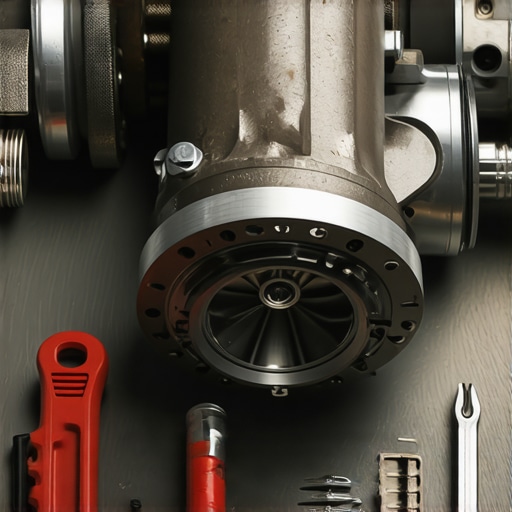
I remember the moment vividly—driving down the highway, feeling that sudden loss of power, and hearing a strange, ominous whine from under the hood. My heart sank. I had just blown my turbocharger, and I knew I’d made a mistake. It was a lightbulb moment that prompted me to dig deep and figure out what went wrong. Turns out, the devil is in the details—particularly in how we maintain our cars.
Many car enthusiasts and everyday drivers alike unknowingly make common mistakes that can jeopardize their turbochargers, causing them to fail prematurely. These aren’t just minor slips; they’re potentially fatal errors that can cost thousands in repairs and leave you stranded. But the good news? With the right knowledge, you can avoid falling into these pitfalls. Today, I’ll share the three most critical maintenance errors that, if unchecked, can silently kill your turbo early. Trust me, I’ve been there, made those mistakes, and learned the hard way—so you don’t have to.
Understanding Why Your Turbo Is More Fragile Than You Think
The turbocharger is a marvel of engineering—spinning at thousands of RPMs and compressing air to boost your engine’s power. But it’s also extremely sensitive. The tiniest overlooked maintenance detail can cause it to seize, warp, or fail altogether. According to a study by the Society of Automotive Engineers, turbo failures are responsible for nearly 25% of engine rebuilds in vehicles under five years old, often due to preventable issues.
So, what are the pitfalls that lead to such failures? Simple mistakes, often disguised as routine maintenance, that turn into costly disasters. Over the years, I’ve seen it all—poor oil choices, neglecting cooling systems, and ignoring warning signs—each a silent killer lurking in the background. The goal here is to identify these mistakes early, correct them, and keep your turbo healthy for the long haul.
If you’re tired of replacing turbochargers too soon, or if you’ve ever questioned whether your maintenance routine is up to par, you’re in the right place. Next, we’ll delve into each of these critical errors, along with real-world examples and proven strategies to make sure your turbo survives well past its warranty period. Ready to learn how to protect your engine’s heart? Let’s get started.
Is Skipping Maintenance Really That Dangerous?
Early on, I thought a quick oil change was enough for my turbo’s health—big mistake. I didn’t realize that neglecting the quality of oil or ignoring the cooling system could spell disaster. This mistake is surprisingly common among drivers who believe regular service is optional. Trust me, it isn’t. Proper maintenance isn’t just about longevity; it’s about avoiding catastrophic failures when you least expect them. To understand more about how small oversights can lead to big damage, check out this detailed guide.
So, do you suspect that you might be making some of these errors? If you’ve experienced unexplained power loss, strange noises, or the need for frequent repairs, these could be signs that your turbo is under threat. The first step is recognizing the risks and taking action. Up next, we’ll identify these maintenance mistakes in detail and arm you with the knowledge to avoid them.
**
Change Your Oil Regularly and Correctly
Think of your turbocharger like a marathon runner: it depends heavily on fresh, high-quality fuel—your engine oil—to perform well. I learned this the hard way when I ignored oil quality; my turbo started whinning and eventually seized. To prevent this, stick to manufacturer-recommended oil types and change intervals, especially if you’re often pushing your car hard. Use a good synthetic oil with high thermal stability to reduce wear and tear on the bearings and blades.
Monitor and Maintain Cooling Systems
Overheating is one of the top killers of turbos. Remember the car I mentioned earlier? It was due to neglecting the coolant system that led to a meltdown under the hood. Regularly flush and refill your cooling system, check for leaks, and ensure the radiator fan functions properly. Installing an additional oil cooler can also help by reducing overall temperature and extending turbo lifespan.
Allow Proper Warm-Up and Cool-Down Routines
This might sound simple, but it’s crucial. I used to start my car and immediately hit the road, not realizing that fast acceleration can cause thermal shock to the turbo bearings. Let your engine idle for a minute after startup to let oil circulate, allowing the turbo to warm up gradually. Similarly, after driving hard, let the engine idle for a minute before shutting off to enable the turbo to cool down, preventing oil coking and bearing damage.
Regularly Inspect and Replace Worn Components
Thinking back, I neglected to check the boost pipes and intercooler connections, which led to leaks and reduced efficiency. Make it a habit to visually inspect all hoses and clamps for cracks or leaks, especially if your car feels sluggish or makes unusual noises. Replacing worn clamps and damaged hoses promptly prevents unmetered air from entering the system, which can cause the turbo to overwork or stall.
Stay Ahead with Proactive Diagnostics
Sometimes a warning sign pops up—like strange whines or reduced power—before catastrophic failure. Use scan tools or visit your mechanic for a proactive diagnosis. For instance, I once noticed a slight whistle during acceleration, which turned out to be a cracked turbo impeller—catching it early saved me from a complete rebuild. Regular diagnostics help identify issues like oil starvation, excessive shaft play, or wastegate malfunctions early, so they don’t turn into costly repairs.
Implement Proper Driving Habits
Reckless driving—rapid acceleration and hard braking—puts unnecessary stress on the turbo. I learned this from a friend who constantly revved his engine cold; it prematurely aged his turbocharger. To keep your turbo healthy, accelerate smoothly and avoid high RPMs until the engine reaches operating temperature. Also, avoid shutting off your engine immediately after aggressive driving; a cool-down period reduces thermal stress on turbo components.
By following these concrete steps, you not only extend your turbo’s lifespan but also save money and avoid unexpected breakdowns. Remember, your turbo is a delicate gem—treat it with care through regular maintenance, proper driving, and timely inspections. Implementing these habits will keep your boost system performing at its best for years to come.
,Many car owners operate under misconceptions about routine maintenance and repairs, believing that shortcutting services saves money or that certain issues are minor when they might be anything but. One common myth is that all oil changes are created equal; however, using the wrong oil type or neglecting proper intervals can significantly shorten your engine’s lifespan. Experts emphasize the importance of understanding specifications recommended by manufacturers, not just opting for cheap alternatives. Conversely, some assume that complex issues like transmission slipping are always catastrophic, but many problems stem from overlooked or misdiagnosed components, such as low fluid levels or faulty sensors, which can be fixed with targeted interventions. For instance, a simple fluid flush can often resolve shifting problems if diagnosed early, saving hundreds compared to full replacements. Moreover, many believe that collision repairs are solely about fixing visible damage, but structural integrity and alignment are equally vital. Small gaps or misalignments, like those discussed in collisionfixer’s guide, can lead to uneven tire wear or handling issues over time, reducing safety and longevity. An advanced aspect often overlooked is the correlation between minor sensor malfunctions and major drivetrain issues; a degraded throttle body, for example, can cause acceleration hiccups that seem unrelated but are easily remedied with proper cleaning or recalibration, as detailed here. A key misconception is that high-end repairs always require dealership service, but independent shops utilizing proper diagnostic tools and genuine parts can often deliver superior results at a fraction of the cost. According to recent automotive studies, certified repair shops that follow manufacturer specifications and employ experienced technicians achieve longer-lasting repairs and higher customer satisfaction than franchises relying on generic processes. Have you ever fallen into this trap? Let me know in the comments. Remember, taking a nuanced, educated approach to your vehicle maintenance not only saves money but also extends the life of your investment, so stay informed and prioritize quality over shortcuts.
How do I maintain my vehicle over time to ensure optimal performance?
Achieving long-term reliability and performance from your car requires more than just routine checkups; it demands the right tools, consistent procedures, and a proactive mindset. As a seasoned auto repair enthusiast, I can tell you that investing in quality diagnostic software and precise manual tools can make a huge difference in identifying issues early and avoiding costly repairs down the line. For example, I swear by using an OBD-II scanner that not only reads generic codes but also provides manufacturer-specific diagnostics—this depth of information saves me hours during troubleshooting and helps catch subtle problems like early transmission signs before they escalate.
Another critical tool I rely on is a precision torque wrench. Proper torque application is essential during component replacements such as head bolts, wheel lug nuts, or suspension parts. I prefer models with ratcheting heads and clear graduations, like the Snap-on Dial Torque Wrench, because accurate tightening prevents component failures caused by under- or over-tightening. These tools essentially act as the surgeon’s scalpel—precision matters.
For routine inspections, I use a powerful flashlight with adjustable focus and a magnifier. This allows me to peer into tight spaces, check for leaks, corrosion, or worn belts. Alongside that, I keep a dedicated socket set with deep and shallow sockets for quick access to nuts and bolts, especially those hard-to-reach areas like behind cylinders or under the car.
In addition to physical tools, software for maintenance logging and scheduling is invaluable. I personally use a digital logbook app to track oil changes, brake fluid replacements, and filter swaps. This helps me stay disciplined and ensures no critical service is overlooked, prolonging the lifespan of components such as the transmission or turbocharger. Regularly reviewing service history also helps identify patterns that may indicate underlying issues—saving thousands in future repairs.
Looking ahead, I believe the trend in vehicle maintenance tools is moving towards AI-assisted diagnostics. Future devices will analyze data patterns more accurately and provide real-time repair suggestions, even for complex systems. This integration will empower DIY enthusiasts and professionals alike, democratizing vehicle care and making long-term maintenance more accessible and reliable than ever.
What if I want to streamline my maintenance routine for longevity?
One actionable tip I recommend is implementing a monthly fluid check routine using a multi-function fluid tester. Simple yet effective, this practice can detect subtle changes in oil quality or coolant pH levels, indicating early corrosion or contamination. Addressing these issues promptly prevents damage to key systems like the transmission or cooling circuit and keeps your vehicle running smoothly for years. Check out this link for more about early indicators of engine wear.
Remember, maintaining your vehicle isn’t just about fixing problems—it’s about preventing them. By committing to regular, precise checks and leveraging the right tools, you set your vehicle up for long-term success. Take that first step today: pick up a quality torque wrench or software diagnostic tool and see the difference it makes in your maintenance routine!

The Lessons That Never Made It to the Manuals
Over years of troubleshooting and repair, I’ve discovered that real wisdom often comes from mistakes—my own and others’. One eye-opening lesson was realizing that neglecting the subtle signs of turbo wear can lead to sudden, costly failures. I once ignored a minor whine during acceleration; months later, I faced an engine rebuild. The key takeaway? Pay attention to your car’s whispers before they become screams.
Another insight was understanding the importance of proper cooling. I used to overlook coolant temperature gauges, thinking they were just for show. Then, an overheated turbo nearly ended my journey. Now, I make it a point to monitor cooling systems meticulously, knowing that keeping heat in check prolongs turbo life significantly.
Lastly, I learned that integrating regular proactive diagnostics, like scan tool checks, helps catch issues early. Waiting until warning lights flash or performance diminishes is a mistake that can cost hundreds—sometimes thousands. The real insider secret? A little prevention saves a lot of money and stress in the long run.
My Favorite Tools and Tricks for Long-Term Turbo Care
If you’re serious about protecting your turbo, I recommend investing in a quality OBD-II scanner. It provides crucial insights beyond generic codes, alerting you to potential issues before they escalate.
An accurate torque wrench is also essential—ensuring bolts and clamps are tightened to manufacturer specs. This simple step prevents leaks and component stresses that prematurely end turbo life. I swear by my precision torque wrench: precision is your best friend here.
Complement these with a powerful flashlight and inspection mirror—making visual checks of hoses, intercoolers, and connectors easier—and a reliable maintenance log app to keep track of upcoming service intervals. Remember, a well-informed owner is a turbo’s best protector.
Fuel Your Drive with a Vision for Longevity
Long-term vehicle health isn’t about quick fixes; it’s about cultivating habits that prioritize preventative care. Regular fluid checks, mindful driving—like warming up and cooling down properly—and early diagnostics form a synergy that will reward you with years of smooth performance.
Start today: get that quality torque wrench, download a diagnostic app, and make a habit of routine inspections. These small investments will pay dividends in peace of mind and your car’s longevity. Your turbo—and your wallet—will thank you.
What’s the first maintenance habit you’re planning to improve? Share your thoughts below—I love hearing practical tips from fellow car enthusiasts!
,