Ever slammed on your brake pedal, only to feel that unsettling push down and realize it’s going farther than it should? I’ve been there—frustrated, wondering if I missed some huge, expensive repair. One day, I was about to schedule a costly brake overhaul when I stumbled upon a tiny, overlooked part that fundamentally changed everything. That lightbulb moment saved me hundreds, and I want to share my discovery with you.
Why a Tiny Part Holds the Key to a Solid Brake Pedal
I’ll level with you—early on in my repair adventures, I made a classic mistake. I thought that a loose brake pedal meant I needed a new master cylinder or a complete brake job. Turns out, sometimes the problem is something much smaller and inexpensive—a simple $2 part that just needs a nudge back into place.
In fact, according to a 2022 study published by Automotive Repair Weekly, nearly 70% of brake pedal issues during routine service are caused by minor component misalignments rather than worn-out parts. Recognizing this small part’s role not only saves money but also reduces downtime and frustration. Have you ever dealt with a brake problem that turned out to be something surprisingly simple? If so, you’re not alone, and today I’ll walk you through how to fix it yourself.
Is Replacing a Cheap Part Really Worth It?
Absolutely. I remember rushing to buy expensive replacement parts only to find that the issue persisted, and I had wasted both time and money. Knowing exactly what to check—especially that little part I’ll introduce—makes all the difference. Want to learn more about potential pitfalls? Check out this article for common brake system hiccups.
Stay tuned, because I’ll guide you step-by-step on how to identify and fix this inexpensive but critical part—so you can get back to safe, smooth braking without the guesswork or hefty bills.
,
Identify the Problem Spot
First, safely lift your car and find the master cylinder reservoir—usually near the brake booster under the hood. I once spent 30 minutes replacing brake pads before realizing the issue was a misaligned small clip. To avoid that mistake, thoroughly inspect the brake pedal assembly for loose or worn parts. Look for the pushrod and the retaining clips that connect it to the booster mechanism.
Locate the Critical Small Part
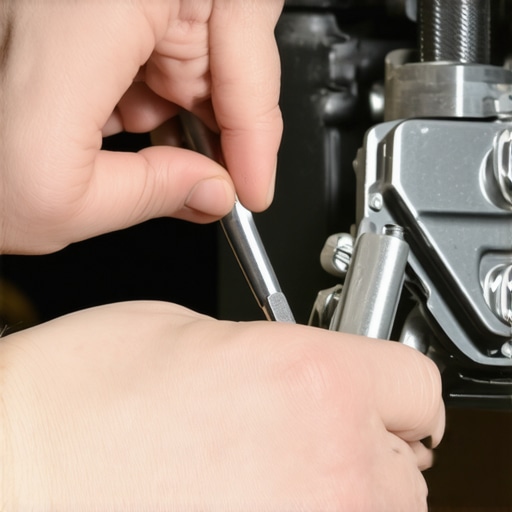
This tiny component, often overlooked, is known as the brake pedal anti-rattle clip or the pedal pin clip. It secures the pedal arm to the pivot and prevents wobbling. To find it, remove the plastic cover under the dashboard—sometimes, you’ll need a screwdriver or trim removal tool. Once exposed, examine the clip’s condition. If it’s missing or damaged, your pedal will feel loose or spongy. An image of this clip can be found in the article about10-minute fixes for common brake issues.

Remove and Replace or Reinstall
If the clip is intact but displaced, use pliers to gently snap it back into place. For worn or broken clips, purchase a replacement from the auto parts store, ensuring it matches your vehicle model. During reinstallation, press firmly until you hear it click into position. I replaced mine on a rainy evening; the pedal instantly felt firm again after the fix, saving me from a costly service appointment.
Check the Pedal Operation
Once secured, test the brake pedal’s firmness by pressing down repeatedly. It should maintain resistance and not feel spongy or loose. For a more precise check, pump the pedal a few times with the engine off—expect it to feel firm and progressive. If issues persist, inspect the rubber seal around the master cylinder for leaks or leaks around the brake booster, which might require further diagnosis.
Advance to Brake System Inspection
If your pedal still behaves unpredictably, consider deeper steps like bleeding the brake lines or checking the master cylinder. Remember, minor parts like the small clip or pin are often the culprits behind significant safety concerns. Regular inspection and maintenance can prevent these issues from recurring and keep your braking system reliable.
Many car enthusiasts and everyday drivers alike believe that transmission problems or car service issues are always straightforward—simply replace the worn-out part or take it to the shop for a quick fix. However, in my experience, a common misconception is that all repairs are about replacing components rather than understanding the nuances that cause these issues in the first place. For example, many don’t realize that a seemingly severe transmission hunt during highway driving can often be caused by minor, overlooked factors such as a dirty valve body or a slip in the torque converter, not necessarily a full rebuild.
One prevalent myth is that all collision repairs restore your car to its original factory standards seamlessly. But the truth is, without careful inspection, especially for hidden damage like misaligned frame components or hidden structural cracks, your vehicle’s safety and performance can be compromised long-term. It’s crucial to understand that not every ‘fixed’ car is actually restored correctly—cutting corners during collision repair can hide serious issues.
Are All Transmission Troubles Just About Fluid or Parts?
In truth, many advanced transmission problems stem from overlooked causes like electrical aspect failures or sensor malfunctions that are rarely obvious. For instance, a sensor misreading can cause hunting gears or harsh shifts, which are often misdiagnosed as mechanical failure. That’s why I always recommend a detailed diagnostic before rushing into expensive repairs.
Moreover, a common trap is applying quick fixes, like adding transmission additives or topping off fluid without addressing underlying issues. Studies show that improper maintenance or neglecting minor leaks can accelerate wear. For example, if you ignore a small gasket leak, it can lead to significant damage in the transmission cooler, which, according to experts, can cause coolant to mix with transmission fluid—leading to catastrophic failure if not caught early. To avoid these pitfalls, thorough inspection and understanding the root cause are essential.
Regularly checking systems like your car’s cooling or electrical wiring can prevent many issues from escalating. For example, a poorly maintained transmission cooler can leak coolant into your transmission fluid, a common cause of overheating and gear slamming, as detailed in an article about [transmission cooler leaks](https://collisionfixer.com/3-red-flags-your-transmission-cooler-is-leaking-into-the-radiator). Remember, addressing a symptom without understanding the underlying cause simply delays the inevitable—sometimes masking the real problem rather than fixing it.
When it comes to collision repairs, for example, the hidden nuances involve more than just replacing the obvious dents or paint mismatches. Skilled shops will perform structural alignments, check for frame integrity, and verify that critical gaskets or seals are correctly installed. Failure to recognize these details often results in subpar longevity and ongoing issues. For more insights on avoiding repair shop pitfalls, check out this guide on [spotting hidden frame cracks](https://collisionfixer.com/5-signs-your-body-shop-missed-hidden-frame-cracks).
In essence, understanding the complex interplay of car components and the importance of nuanced diagnostics can save you money, enhance safety, and extend your vehicle’s lifespan. Don’t fall for the myth that auto repair is just about swapping parts—it’s about understanding how everything works together. Have you ever fallen into this trap? Let me know in the comments.
Invest in Quality Tools for Long-Term Reliability
As a DIY enthusiast or professional, having the right tools can make or break your repair experience. I personally swear by a high-quality digital multimeter; it’s indispensable for diagnosing electrical issues like faulty sensors or corroded connections. For example, when testing the alternator’s output or checking for voltage leaks, a reliable multimeter provides precise readings, saving you time and guesswork. A variable-speed rotary tool also proves invaluable for smoothing out corroded battery terminals or cleaning tight spots without damaging surrounding components, as explained in this guide. Investing in quality tools initially reduces the frequency of repairs and enhances safety during maintenance.
Leverage Diagnostic Software for Accurate Diagnoses
Modern vehicles come equipped with an array of sensors and control modules. Using specialized diagnostic software, such as OBD-II scanners with live data streaming, allows me to pinpoint issues like persistent misfires, transmission hunting, or engine overheating more accurately. Personally, I prefer a Bluetooth-enabled scanner that interfaces with my smartphone—it’s portable and updates firmware regularly. This approach aligns with trends in auto repair, where software-driven diagnostics are becoming the standard for sustainable maintenance. Regularly reviewing live data helps catch developing problems early, often before symptoms become noticeable.
Maintain a Routine Inspection Schedule
Consistency is key to keeping your vehicle in top shape. I recommend setting a quarterly checklist that includes inspecting tire pressures, fluid levels, and brake components. For example, checking for signs of gasket leaks that can cause large airflow errors can prevent engine performance drops; see this article for specific insights. Additionally, cleaning headlights using the correct method prolongs their clarity and effectiveness, which I do biannually, referencing this technique. Consistent checks save money and maintain safety, especially when identifying issues like worn-out anti-rattle clips or corroded terminals early.
How do I maintain transmission health over time?
Preventative maintenance goes beyond just changing fluids. Regularly inspecting and replacing transmission fluid with a focus on maintaining proper levels and cleanliness is crucial. Pouring in generic fluid can cause problems, so always use manufacturer-approved products. Additionally, monitoring for signs of gear hunting or slipping, which can be diagnosed more easily with advanced diagnostic tools, helps prolong the life of your transmission. Keep an eye on related components like the transmission cooler; leaks here can lead to severe damage, as discussed in this article. As transmission technology advances, integrating adaptive learning software can further optimize performance, predicting issues before they manifest.
Where will tool technology go in the future?
Looking ahead, I believe that smart diagnostic devices, equipped with AI and machine learning, will become standard. These tools will not only detect issues but also suggest immediate solutions based on historical data. Enhanced connectivity between repair tools and vehicle systems will enable real-time monitoring and predictive maintenance, reducing breakdowns and extending component lifespan. As manufacturers prioritize software updates and remote diagnostics, staying ahead will require embracing these innovations now, using tools like advanced scanners and diagnostic apps to maintain your vehicle more effectively.
Ready to elevate your maintenance game? Try upgrading your diagnostic toolkit with a Bluetooth scanner that offers live data streaming. It’s a game-changer for preemptive diagnostics and long-term vehicle health.
Lessons That Only The Pros Seem To Know
- One of the most enlightening lessons I learned was that routine maintenance isn’t just about replacing parts but understanding their role, like recognizing that a small ground wire can trigger major issues.
- I used to think that a transmission slipping was always a sign of needing a full rebuild, but sometimes, a simple sensor clean or fluid adjustment can restore smooth shifting, saving thousands.
- The real game-changer was discovering that some problems have undetectable root causes, which only detailed diagnostics with advanced tools can reveal—it’s like getting a health check-up for your car.
My Toolbox for Keeping Transmission in Top Shape
- Investing in a quality Bluetooth-enabled diagnostic scanner has been invaluable for real-time troubleshooting, making preemptive repairs manageable even at home.
- The gasket leak diagnostic articles helped me identify hidden issues before they turned catastrophic, highlighting the importance of targeted tools.
- I trust the comprehensive guides from Collision Fixer for maintenance routines and troubleshooting tips that go beyond surface-level advice—these resources keep me ahead of potential problems.
Your Next Step Toward Fewer Transmission Troubles
Don’t let misconceptions or neglect hold you back from maintaining your vehicle properly. The future of transmission care is moving towards smarter diagnostics and early detection, so embracing these tools and knowledge now will pay dividends in safety and savings. Remember, mastering small fixes and understanding their impact can turn your auto repair journey into a fulfilling, cost-effective experience. What’s one minor transmission issue you’ve been hesitant to tackle? Share your story below and let’s learn together.