I was merging onto the highway last summer when it happened. I floored it, but instead of the usual roar, my car just… hesitated. It felt like I was trying to breathe through a cocktail straw. I’d noticed a weird smell, like a sulfur factory, but I kept telling myself it was just the car in front of me. I was wrong. I ended up stuck on the shoulder, waiting for a tow, all because I didn’t know how to recognize the symptoms of a dying cat. We are going to fix that today so you don’t end up like I did—sweating in the sun with a dead engine and a massive bill.
Your Exhaust is Screaming for Help Even if You Can’t Hear It
A catalytic converter is basically the lungs of your car. When it gets clogged, the engine can’t exhale. This creates backpressure that turns your lively ride into a sluggish mess. You might think you just need a regular tune up, but if the internal honeycomb has melted, no amount of spark plugs will save you. I learned this the hard way. I once spent hundreds on a new air filter and sensors, ignoring the real issue until the car wouldn’t even start. It’s a classic case of misdiagnosis that costs thousands of drivers their hard-earned cash every year. Have you ever felt that terrifying loss of power while trying to pass someone on the road?
Are you being paranoid or is the shop trying to upsell you?
It is a scary question. Catalytic converters are expensive because they contain precious metals like platinum and palladium. Because they are pricey, some less-than-honest shops might jump to “replace it” at the first sign of a check engine light. However, the EPA actually mandates that most manufacturers cover catalytic converters under a special 8-year/80,000-mile warranty, which is a fact many owners completely miss. Before you panic, you need to know how to spot a clogged catalytic converter in 2 minutes using just your senses. Getting a handle on expert auto repair signs early can save the rest of your exhaust system from total meltdown. Let’s dive into the gritty details of what a failing converter actually sounds, smells, and feels like.
Start with the smell and sound test
The first step in any diagnostic is using the sensors God gave you: your nose and ears. A failing converter often emits a pungent, rotten-egg odor. This happens because the catalyst is no longer effectively converting hydrogen sulfide into sulfur dioxide. If you smell this while idling or after a hard drive, your exhaust system is effectively constipated. I once spent a whole weekend trying to find a dead animal in my vents, only to realize my exhaust was the culprit. It’s a distinct, chemical stink that sticks to your clothes. Simultaneously, listen for a rattling noise. It sounds like someone dropped a handful of marbles into a metal trash can. This is the internal ceramic honeycomb structure literally breaking apart and bouncing around in the housing. If you hear that rattle, the part is physically destroyed and no regular tune up will fix it.
The rubber mallet hack to check for internal damage
Before you pay a shop for a diagnostic, grab a rubber mallet or a heavy boot. When the car is completely cold—and I mean cold, because a hot exhaust will melt your skin instantly—crawl under there and give the catalytic converter a few sharp taps. If you hear a clink-clink or loose debris shifting around, the internal substrate has disintegrated. I did this on my old 2005 sedan after it started dragging on hills. Two hits with a mallet confirmed it sounded like a box of Legos. At that point, the honeycomb is blocking the exit, which is exactly the reason your car struggles to climb hills. You are essentially trying to run a marathon while exhaling through a straw.

Use an infrared thermometer for a data-driven check
If the mallet test is inconclusive, you need a bit of tech. An infrared thermometer costs about twenty bucks and provides the smoking gun you need. Start the car and let it reach operating temperature. Aim the laser at the inlet pipe (before the converter) and then at the outlet pipe (after the converter). A healthy converter should be hotter at the outlet by about 20 to 50 degrees because of the chemical reaction happening inside. If the outlet is cooler or the same temperature as the inlet, the converter is dead and not reacting, or it is so clogged that the heat is backing up into the engine. This heat buildup is often why your engine temperature fluctuates while driving and can lead to warped heads if ignored.
Is it just a bad sensor or a total meltdown?
Don’t let a P0420 code scare you into an immediate replacement. Sometimes the converter is fine, but the oxygen sensors are lying to the computer. Before committing to a four-figure repair, check for exhaust leaks. A tiny hole in the pipe upstream can introduce fresh air, tricking the sensor into thinking the converter is failing. This is a common point of expert auto repair signs that amateurs miss. If your car is older and the repair costs exceed the vehicle’s worth, you might want to look into the 3 parts that actually increase your car’s scrap valuation. The precious metals inside that failing unit make it the most valuable part of a junk car, often fetching hundreds of dollars on its own at a recycling center.
One of the biggest lies in the auto world is that a ‘catalyst efficiency below threshold’ code always means the unit is garbage. Most shops are trained to swap parts, not fix systems. In my experience, I’ve seen dozens of cars ‘cured’ by simply fixing a vacuum leak or an exhaust manifold crack that was letting air into the stream. Everyone says you have to spend two grand, but sometimes a twenty-dollar gasket is the hero. There is a massive trap here: the ‘eBay special’ converter. It looks shiny, it fits the bolts, and it costs $150. Don’t do it. These units often contain a fraction of the required precious metals. According to the Manufacturers of Emission Controls Association (MECA), the specific ‘washcoat’ and catalyst loading are what determine the chemical efficiency and lifespan of the part. Cheap replacements frequently burn out in under 5,000 miles, leaving you right back where you started, but poorer. You need to look for top signs your car needs expert auto repair now before throwing money at parts that simply won’t last.
Can a bad oxygen sensor actually kill your brand new converter?
Yes, and this is the nuance most DIYers miss. If your car is running ‘rich’ (too much fuel), that unburnt gas goes straight into the converter. It ignites there, melting the honeycomb into a solid brick of ceramic. If you don’t address the fuel trim issues during a regular tune up, you will melt your expensive new part in weeks. It’s like buying a new pair of lungs but continuing to smoke five packs a day. I’ve also seen people misdiagnose a clogged exhaust as a transmission issue. If your car won’t shift correctly or feels like it’s dragging, you might think you need to investigate how transmission overhauls save you money, but it might just be the engine suffocating. 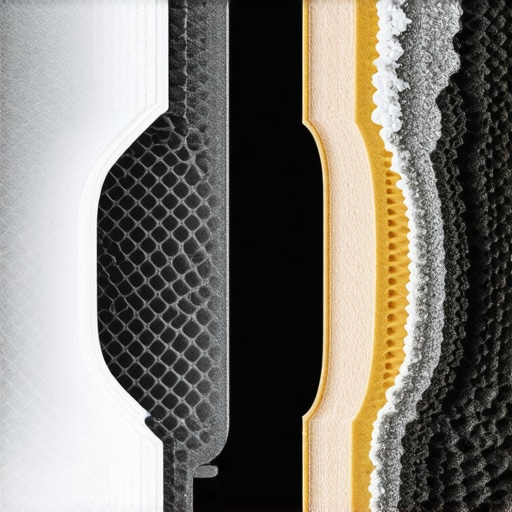 This kind of confusion is common, much like the one electrical fault that most mechanics misdiagnose as a dead battery. Have you ever fallen into this trap—spending a fortune on one part only to find out it was a $10 sensor or a different system entirely? Let me know in the comments.The real hero in my garage isn’t some massive hydraulic lift; it’s a tiny Bluetooth OBD2 dongle. If you want to stop being a victim of ‘parts-cannon’ mechanics who just swap components until the light goes out, you need to see what your car is thinking in real-time. I use mine specifically to monitor Long Term Fuel Trim (LTFT). If those numbers are creeping above 10% or below -10%, your car is desperately compensating for a vacuum leak or a failing injector—and that constant imbalance is exactly what melts your catalytic converter. It’s a logic similar to how finding a parasitic battery drain with a simple multimeter can save you from buying three batteries in a year; you need hard data before you spend a dime. Another tool I swear by is an exhaust backpressure gauge. You screw it into the upstream oxygen sensor hole and measure the pressure. According to technical standards from the Society of Automotive Engineers (SAE), a healthy system should typically show less than 1.25 PSI at idle. If you see the needle jump to 5 or 8 PSI when you rev it, your ‘lungs’ are officially blocked, and no amount of cleaning fluid will clear that ceramic blockage.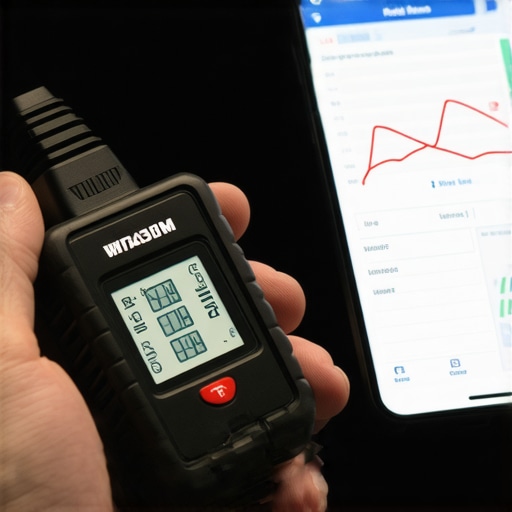
How do I keep my exhaust healthy for the next 100k miles?
Maintenance isn’t just about the exhaust pipes; it’s about the chemistry happening inside the engine block. To keep your system clear, you must ensure your ignition system is flawless. Even a few miles of driving with a ‘flashing’ check engine light—the universal sign for a catalyst-damaging misfire—can send unburnt fuel into the converter where it ignites and fuses the internals together. This is why I tell everyone that essential car service tips for safe summer drives should always include a thorough cooling system check. If your engine runs too hot, it can warp manifolds and create air leaks that trick your sensors. You should also maximize your cars lifespan with regular tune ups to ensure your air-fuel ratio stays in that ‘Goldilocks’ zone. I’ve seen high-mileage commuters reach 300,000 miles on the original converter simply because they never let a bad spark plug linger for more than a week. Use top-tier detergent gasoline to prevent carbon buildup, and don’t be afraid of the ‘Italian tune-up’—occasionally driving at highway speeds for 20 minutes helps burn off light deposits before they harden.
The future of fixing cars is all in the software
We are rapidly moving toward an era of ‘predictive maintenance’ where the car will be smarter than the driver. In the near future, your vehicle will likely send a push notification to your phone saying, ‘Hey, your Bank 1 catalyst efficiency is trending downward; check your manifold gasket today to save $2,000 next month.’ Until that software is standard, you have to be the proactive one. If you start seeing top signs your car needs expert auto repair now, don’t wait for the car to limp. Grab the 10 tool that saves your engine from overheating or a basic infrared thermometer and verify those temperatures yourself. My advanced tip for you: next time you hear a rattle, check the exterior heat shields first. A loose metal shield often sounds exactly like internal honeycomb failure. Tightening a $2 hose clamp around a loose shield is a free fix; replacing a converter is a mortgage payment. Go out there, plug in a scanner, and check your fuel trims this weekend. It’s the single best thing you can do for your car’s longevity.
Lessons from My Most Expensive Exhaust Mistakes
Looking back at that day on the shoulder of the highway, I realize I ignored the warning signs because I was afraid of the bill. Here is what I know now: Sulfur is never ‘just the car in front of you.’ If you smell it, your catalyst is dying. Second, never trust a single-point diagnosis. A code is just a starting point, and checking for top signs your car needs expert auto repair now can prevent a cascading failure. Finally, the honeycomb inside is fragile; one bad tank of gas or a week of misfires can fuse it solid. Treat your exhaust with respect, and it will keep your engine breathing freely for decades.
The Three Tools That Changed My Garage Game
I don’t go near a used car or a check engine light without these three things in my bag. First, a reliable Bluetooth OBD2 scanner is non-negotiable for watching those fuel trims. Second, the 10 tool that saves your engine from overheating—an infrared thermometer—is the fastest way to verify if a converter is actually working. Third, a simple rubber mallet is your best friend for a ‘clatter test.’ I also highly recommend keeping a few heavy-duty hose clamps handy; they are the secret to how to fix a rattling heat shield for free without calling a tow truck.
Taking Control of Your Exhaust’s Future
You don’t have to be at the mercy of a dealership’s service writer. By using your senses and a few basic tools, you can determine if your car needs a major component or just some overdue maintenance. Remember that the best way to avoid these headaches is to maximize your cars lifespan with regular tune ups. When your engine runs clean, your catalytic converter stays clean. Don’t wait until you’re struggling to climb a hill—grab your scanner and check your stats this weekend. Have you ever been quoted thousands for a catalytic converter only to find it was just a loose heat shield or a bad sensor? Let me know in the comments below!