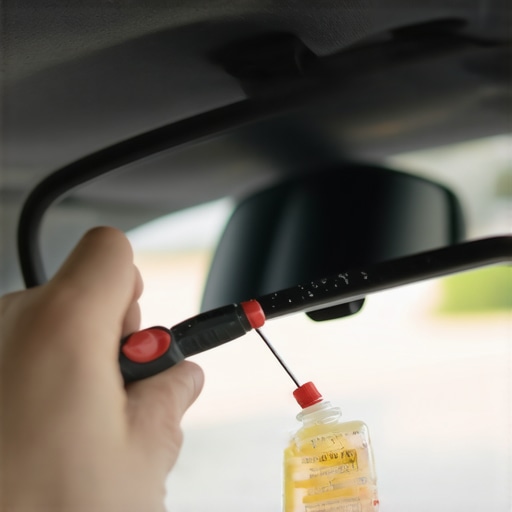
It happened on a gloomy Saturday morning. I reached to adjust my rearview mirror—something I’d done countless times—and felt it wobble just a little too much. Suddenly, I realized my mirror was loose, dangling slightly from its mount. The frustration hit me because I knew this wasn’t just a minor annoyance—it could compromise my safety on the road. And daresay, I was annoyed at myself for not fixing it sooner. That moment, I had a lightbulb moment: what if this simple fix didn’t have to drain my wallet or my patience?
Say Goodbye to a Wobbly Mirror Without Breaking the Bank
Many drivers shrug off a loose rearview mirror, thinking it’s a pricey repair or something only a mechanic can handle. But honestly, I was surprised how easy it was to mend with just a few supplies—most of which I already had lying around. Today, I promise I’ll share how you can tighten or reattach that annoying, wobbly mirror for under $5. It’s a quick fix, a little bit of know-how, and a big boost to your confidence on the road.
Is Fixing a Loose Mirror Worth the Hype
Early on, I made the mistake of thinking I needed to buy a whole new mirror assembly—costly and unnecessary. After a little research and some trial and error, I discovered that many loose mirrors just need a simple tightening or re-gluing. Did you know that improperly secured mirrors can lead to decreased visibility and increase the risk of accidents? According to automotive safety studies, a properly fixed mirror is crucial for safe driving. So, the peace of mind is definitely worth the little effort.
If you’re like me, you’ve probably faced that frustrating moment when your mirror starts to wobble right before a long drive or that sudden turn. Trust me, fixing it is easier than you think—and I’m here to guide you through every step without fancy tools or expensive parts. Ready to regain that stable view? Let’s dive into how you can fix your loose rearview mirror without shelling out a fortune or risking your safety. And hey, if you’ve already tackled this problem, I’d love to hear your success stories—drop a comment or reach out. For more tips on auto repairs that save you money, check out [this article about transmission overhauls](https://collisionfixer.com/how-transmission-overhauls-save-you-money-in-the-long-run). Now, let’s get started with the fix that could make your daily drive safer and more comfortable.
Tighten the Mirror with Basic Tools
First, find a Phillips screwdriver or a small Allen wrench—these are usually stored in your toolbox or even in your car’s glove box. Locate the screw or bolt behind the mirror, which secures it to the mount. I recall a Saturday when my mirror kept wobbling every time I hit a bump; I grabbed my small screwdriver and tightened the screw. The difference was immediate—my mirror became stable. If you notice the screw is missing or stripped, a quick visit to your local auto parts store can get you a replacement that fits perfectly.
Apply Adhesive for Reattachment
If the mirror is loose because the adhesive or mounting clip has failed, re-gluing it can do wonders. Use a high-strength superglue or a specialized automotive adhesive like epoxy that withstands temperature and vibrations. I once had to reattach my mirror after a rough Sunday drive; I cleaned both surfaces thoroughly with alcohol, applied a thin layer of epoxy, and pressed tightly for a few minutes. Once dried, the mirror held firm—restoring clear visibility on my daily route.
Check and Replace Damaged Parts
Sometimes, the mounting clip or the mirror’s base can crack or break due to impact or wear. Carefully remove the mirror assembly by unscrewing or unclipping it from the windshield mount. Inspect the parts—look for cracks or broken pieces. During one fix, I discovered a broken clip that needed replacing; a quick order from online auto stores and a few minutes of installation restored the mirror’s stability. Remember, sometimes the clip or mount is the culprit, not just the adhesive or screw.
Prevent Future Loosening with Proper Maintenance
After fixing the loose mirror, it’s wise to periodically check the mount for tightness. Vibration during driving can loosen the fittings over time, similar to how a misaligned headlight might develop a dim glow due to loose connections (read more about accessory securement). Make it a habit to glance at your mirror mount every few weeks, especially if you frequently drive on bumpy roads. Tightening the screw or reapplying adhesive now and then can save you from more costly repairs down the line.Many car owners believe that a tune-up or basic auto repair is always straightforward and cost-effective, but the reality is more nuanced. A common myth is that replacing spark plugs or changing oil is all it takes to keep a car running smoothly. In truth, neglecting the specific needs of your engine and transmission can lead to more severe problems down the line, especially if you’re unaware of intricate issues like faulty sensors or hidden corrosion. For example, a misdiagnosed transmission problem might seem like a simple fluid change, but could actually be linked to internal wear that requires a dedicated overhaul—something many overlook, as detailed in expert analyses on transmission longevity and maintenance [learn more here](https://collisionfixer.com/how-transmission-overhauls-save-you-money-in-the-long-run). An often overlooked trap is assuming that all auto repair shops provide comparable quality. While many operate with integrity, some may cut corners or recommend unnecessary parts, especially for complex systems like the transmission or suspension. This can lead to overcharging or incomplete fixes, which only surface later as safety hazards. Advanced car diagnostics and second opinions are vital in such cases. Have you ever fallen into this trap? Let me know in the comments. Remember, understanding the subtle nuances of auto care can save you money and keep you safe. Regular tune-ups aren’t just about changing filters—they involve comprehensive checks on sensors, brakes, suspension components, and fluid integrity to prevent major failures. A key mistake many make is delaying these inspections until noticeable problems appear, but proactive maintenance offers peace of mind and longer vehicle lifespan. Another critical aspect is being savvy about transmission care; many assume transmission fluid lasts forever, but neglecting its condition can cause sluggish shifting or gear grinding. Knowledge of proper service intervals and diagnostic signals ensures you catch issues early. For more tips on maximizing your vehicle’s lifespan and avoiding repair pitfalls, visit [maximize your cars lifespan with regular tune-ups](https://collisionfixer.com/maximize-your-cars-lifespan-with-regular-tune-ups). Ultimately, the secret to effective auto maintenance is a holistic approach—regular inspections, expert diagnostics, and understanding that every component interacts within your vehicle’s ecosystem. Do not fall for the myth that auto repair is always simple or cheap; it often requires nuanced understanding to truly maintain your car’s health. Stay informed, ask questions, and don’t hesitate to seek second opinions when in doubt. The more you understand, the better your decision-making will be when it comes to repairs or upgrades. Curious about how to avoid common auto repair pitfalls or want tailored advice? Reach out through [our contact page](https://collisionfixer.com/contact-us). Always keep in mind that a well-maintained vehicle not only saves money but also ensures safety every time you hit the road.
Building Your Auto Maintenance Arsenal
Keeping your vehicle in top shape over the years requires more than just knowing what to fix; it demands the right tools and a strategic approach to maintenance. I’ve found that investing in quality equipment pays dividends in durability, safety, and cost savings. For example, a reliable digital multimeter is indispensable for diagnosing electrical issues swiftly and accurately, saving you from costly visits to the mechanic. I personally prefer the Fluke 117, which provides precise readings and is built to withstand tough workshop environments. Additionally, a good set of socket wrenches, like the GearWrench Shockwave, helps me tackle bolts of various sizes without slipping, ensuring safety and efficiency during repairs.
Why Regular Diagnostics Matter in the Long Run
While basic tools keep your car functioning day-to-day, advanced diagnostic software can preempt major failures. I use solutions like AutoEnginuity’s ScanTool, which interfaces with my vehicle’s ECU via a simple OBD-II connection. It provides real-time data on engine parameters, transmission health, and sensor performance. This proactive approach allows me to catch issues like transmission slipping early, which I learned the hard way can lead to expensive overhauls—more details about which can be found here. In the digital age, staying ahead with diagnostics is not optional; it’s essential for long-term vehicle health.
How do I keep my tools in prime condition?
Proper maintenance of your tools ensures they work when needed and prolongs their lifespan. Regularly clean and lubricate socket tools and wrenches with light machine oil, preventing rust and corrosion. Store electronic diagnostic devices in protective cases and keep software updated to maintain compatibility and access to new features. Also, follow manufacturer guidelines for calibration and replacement parts—this small investment can prevent inaccurate diagnostics and misdiagnoses, ultimately saving you unnecessary repairs or part replacements. Looking ahead, the trend in auto maintenance is moving toward smarter tools and connected devices that integrate with vehicle systems seamlessly, making diagnostics even more precise and accessible. Staying updated with the latest tech can give you a footing advantage, especially when tackling complex issues like transmission faults or collision repairs.
What’s the best way to scale your efforts for ongoing maintenance?
Developing a routine schedule tailored to your vehicle’s needs ensures consistent upkeep. For instance, scheduling comprehensive inspections every 6 months or 5,000 miles helps identify potential problems early. During these inspections, check critical areas such as fluid levels, belt condition, battery terminals, and tire alignment. Using the same trusted tools or software each time maintains consistency, making it easier to track deterioration over time. Automakers also increasingly recommend periodic software updates for onboard systems—these updates optimize performance and fix bugs that may impact longevity. With the evolution of automobile technology, embracing remote diagnostics and predictive maintenance platforms will soon become standard practice, offering an even more proactive approach to vehicle health management. To get started, pick one diagnostic tool recommended in this article and perform a comprehensive check on your vehicle’s transmission or brakes. This small step can significantly extend your car’s lifespan and effectiveness, reinforcing the importance of regular monitoring and tool maintenance.
Secrets I Wish I Knew About Auto Fixes Early On
- Sometimes, the simplest repair—like tightening a loose mirror—can prevent bigger, costly issues down the road—a lightbulb moment that transformed my approach to car care.
- Investing in proper tools and knowing the right techniques saved me hundreds, proving that quality equipment and a little knowledge go a long way in auto maintenance.
- Regular inspections and proactive fixes keep your vehicle running smoothly and safely, turning maintenance from a chore into a rewarding routine.
- Understanding that auto repair isn’t always about replacing parts; it’s often about re-securing or re-gluing what’s already there—saving money and extending your car’s lifespan.
Your Next Step Into Smarter Car Care Tools
- AutoEnginuity’s ScanTool: Trusted for its reliability and comprehensive diagnostics—it’s like having a mechanic in your glove box, perfect for catching issues early, especially with transmission health.
- Fluke 117 Multimeter: A must-have for electrical troubleshooting, I rely on it daily for accurate readings without fuss, making electrical fixes less daunting.
- GearWrench Shockwave Wrench Set: Durable, versatile, and comfortable—these wrenches make even stubborn bolts surrender easily, saving time and frustration during repairs.
- Automotive Repair Books: For me, ‘Auto Repair For Dummies’ opened up complex topics in an easy-to-understand way, empowering me to handle more repair challenges confidently.
Keep Moving Forward—Your Car’s Best Years Are Ahead
Taking charge of your auto maintenance journey transforms the often intimidating into the achievable. Whether it’s fixing a loose mirror or diagnosing complex systems, every small effort builds your confidence and keeps your vehicle in peak condition. Remember, the real magic happens when you understand your car’s needs and act proactively. So why wait for that wobble to become a costly repair? Dive into your next auto project with enthusiasm and curiosity—your vehicle will thank you for it. Curious about tackling more auto repairs yourself or want tailored advice? Drop a comment below and share your experiences—let’s grow together in this journey toward smarter car care.