One morning, I got into my car, expecting a smooth ride, only to find my passenger floor drenched in water. Frustrating, right? It turned out that a simple $10 repair—fixing a clogged drain tube—was behind this mess. At first, I thought I had a major leak or maybe a busted heater core. But after some digging, I uncovered how such a small component could create such big headaches. Have you ever experienced something similar—thinking you need a costly fix when the real culprit was just a tiny, overlooked part? Well, today, I’m here to help you understand and tackle that sneaky drain tube clog that’s making your passenger floor wet.
The Hidden Culprit: The Drain Tube Meant to Keep Water Out
Many car owners don’t realize that the passenger side floor wetness often comes from a clogged drain tube. This little tube is a critical part of your vehicle’s drainage system, designed to channel water away from your car’s interior—think of it as a tiny lifeline that keeps water from smearing your carpets and causing mold or rust. When debris, leaves, or dirt block this tube, water can’t escape properly. Instead, it backs up, infiltrating your cabin through the air conditioning drain or other pathways. Surprisingly, fixing this issue isn’t complicated or expensive. In fact, many times, a quick clean and clear out of this tiny tube can restore your car to perfect dryness, saving you hundreds on professional repairs. Curious about how to do this yourself? Stay tuned; I’ll walk you through the process.
Locate and Access the Drain Tube
Start by parking your car on a flat surface and turning off the engine. Open the glove compartment and remove any items to access the bottom. Look for a small rubber or plastic tube near the firewall on the passenger side, connected to the air conditioning system or drainage pathway. To access it more easily, remove the panel or trim cover protecting this area using a flat-head screwdriver or trim removal tool. During my last fix, I once had to remove a panel behind the glove box, which took just a few minutes with a plastic pry tool, revealing the drain tube hidden underneath.
Inspect the Drain Tube for Blockages
Once exposed, visually check the drain tube for debris, leaves, or dirt buildup. Gently wiggle or gently pull the tube to see if there’s any obstruction. If water has accumulated or the tube feels clogged, it’s time for cleaning. Think of this step like clearing a blocked straw after sipping a thick milkshake; it’s all about removing the blockage to restore flow. I remember during a similar fix, I noticed water pooling inside the tube, confirming the clog was the culprit for my passenger floor wetness.
Clean Out with Compressed Air or a Flexible Wire
If debris is just inside, blow compressed air into the tube to dislodge loose dirt and leaves. Use a small air blower or canned compressed air for safety. Alternatively, attach a flexible wire or a pipe cleaner and gently push it through the tube to clear obstructions. Be cautious not to puncture or tear the tube; gentle pressure is key. I once used a craft wire to carefully poke through a stubborn clog, which successfully cleared the blockage without damage.
Flush the Drain Tube with Water
After removing debris, rinse the tube with clean water to wash away remaining dirt. You can use a plastic syringe or a squeeze bottle to introduce water gently. Make sure water flows freely through the tube into the drain area. Think of this step as flushing a pipe—clearing out residual grit ensures water can drain uninhibited. In my experience, a thorough flush prevented future blockages, saving me repeated repairs.
Reassemble and Test
Once the drain tube is clear, reattach any panels or covers you removed. Pour a small amount of water into the drain area to check if it flows freely out of the outlet underneath. Watch for any leaks or backups. During my last DIY fix, this quick test confirmed successful clearing, and I was able to enjoy a dry passenger floor once again. Regular inspection and cleaning can prevent future clogs, so consider checking this every few months or after heavy leaf fall.
Remember the Bigger Picture
Clearing a clogged drain tube is a simple yet crucial step in maintaining your vehicle’s interior and preventing water damage. It’s a process anyone can do with basic tools and patience. If you encounter persistent issues or if the tube is damaged, it’s wise to consult a professional. For a comprehensive guide on maintaining your car’s health, check out regular tune-ups and keep your vehicle performing at its best. Remember, quick DIY repairs save money and extend your car’s lifespan, preventing more significant problems down the road.
Many car owners operate under misconceptions that can hinder effective maintenance and lead to costly repairs. As an automotive repair expert, I’ve encountered several entrenched beliefs that simply don’t hold up under scrutiny. Today, let’s dig deeper into some nuances and myths that often mislead even seasoned drivers, helping you make smarter decisions for your vehicle.
Why the Popularity of Cheap Fixes Sometimes Backfires
There’s a widespread belief that opting for low-cost repairs or DIY fixes always saves money. While it’s true that routine maintenance like regular tune-ups can extend your car’s lifespan, cutting corners on critical systems—such as your transmission—can cause long-term damage. For example,
Keep Your Car Running Smoothly with the Right Tools
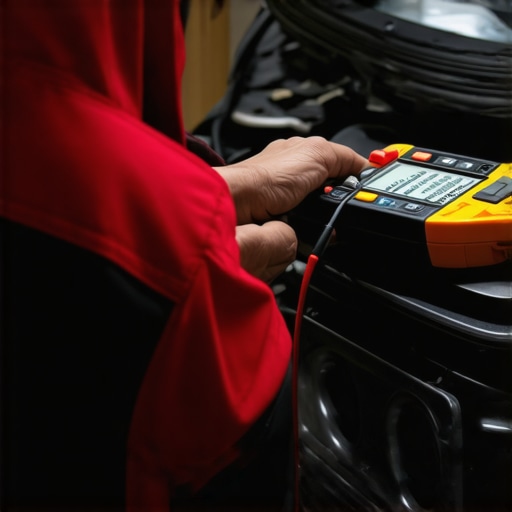
Ensuring your vehicle remains reliable over the years requires more than just routine driving; it demands the right tools and methods. My personal go-to is a high-quality digital multimeter. I rely on it not just to read battery voltage, but to perform comprehensive testing on sensors, relays, and wiring. For example, when diagnosing electrical glitches, a multimeter provides precise readings that a basic test light simply cannot offer, helping me pinpoint issues quickly and accurately. Additionally, investing in a good OBD-II scanner has revolutionized my maintenance routine. I use one that connects to my smartphone, allowing me to read and clear diagnostic trouble codes instantly. This way, I catch minor issues before they escalate, which is crucial for maintaining components like your transmission—check out how transmission overhauls can save you major headaches and expenses down the line.
Beyond diagnostic tools, I swear by an ultrasonic engine cleaner for deep valve and fuel injector cleaning. Regularly maintaining these parts ensures optimal performance, fuel efficiency, and emission control. While these tools might seem advanced, they actually save time and money, reducing the need for costly shop visits. Just as with regular tune-ups, consistent use of specialized equipment keeps your vehicle humming at its best. In the future, I foresee a surge in smart diagnostic devices that integrate AI to predict issues before they manifest, further simplifying maintenance.
How do I keep my vehicle functioning flawlessly over time?
Establishing a scheduled maintenance routine based on your vehicle’s service manual is key. This includes regular oil changes, coolant flushes, and system inspections. As part of my own routine, I use a torque wrench to precisely tighten bolts during repairs, preventing over-tightening that could damage components. For example, correctly torquing your wheel lug nuts not only ensures safety but also prevents warped rotors—visit this guide on relays for related insights.
Moreover, leveraging data-driven tools like smartphone diagnostic apps can provide alerts on issues like low coolant levels or worn brake pads, facilitating timely interventions. As automotive technology advances, integrating these tools into your maintenance routine will become even more beneficial. A recent technical report from Bosch emphasizes how predictive maintenance tools are set to revolutionize car care, reducing unexpected breakdowns and extending vehicle lifespan. I recommend trying their tips with your own vehicle to experience the benefits firsthand.
Prioritize regular inspections of your engine’s serpentine belt and brake system, which are vital for safety and efficiency. Remember, employing precise tools and following a disciplined maintenance schedule not only extends your car’s life but also enhances safety and peace of mind. For comprehensive guidance, always refer to your vehicle’s user manual and consider consulting an experienced mechanic when in doubt. Want to take your car maintenance to the next level? Try calibrating your sensors with a professional-grade scan tool, ensuring all systems function optimally for years to come. Need assistance? Contact us for expert support.
The Hardest Lesson I Learned About collisionfixer,auto repair,car service,transmission,tune up
One pivotal moment in my automotive journey was discovering how a tiny, overlooked drain tube could cause such extensive interior water damage. It taught me that sometimes, the most seemingly insignificant components hold the key to your vehicle’s health. This insight shifted my approach to maintenance, emphasizing meticulous inspections rather than quick fixes.
3 Myths About collisionfixer,auto repair,car service,transmission,tune up That Held Me Back
For years, I believed that if a repair seemed straightforward, it was always low-priority. I also thought that DIY fixes could replace professional expertise entirely, which isn’t always true. Finally, I assumed that regular maintenance was unnecessary unless problems appeared, leading to expensive surprises. Busting these myths has been crucial in optimizing my car care routine.
What Experts Won’t Tell You About collisionfixer,auto repair,car service,transmission,tune up
Many seasoned mechanics know that addressing hidden issues—like a clogged drain tube—can prevent costly future repairs. They also understand that investing in the right diagnostic tools and proactive maintenance extends your vehicle’s lifespan. Recognizing these nuances has empowered me to maintain my car more effectively, saving time and money.
Curated Resources That Elevated My Car Maintenance Game
First, regular tune-ups are fundamental—reliable, comprehensive, and easy to follow, they form the backbone of preventative care. Second, an OBD-II scanner has revolutionized diagnostics for me, enabling quick identification of underlying issues. Third, online forums like automotive DIY communities provide invaluable insights and tips from experienced enthusiasts who share real-world solutions. Lastly, detailed repair manuals from manufacturers help me understand my car’s specific needs, preventing unnecessary trips to the shop.
Keep Your Momentum: The Road Ahead in Car Care
Every car owner has the potential to become their own best mechanic by embracing curiosity and continual learning. Start with small projects, like clearing a clogged drain tube, and progressively expand your skills. Remember, consistent effort now prevents big headaches later. If you’re interested in more expert tips, explore essential car service tips to stay ahead of common issues. So, what’s your next step in mastering vehicle maintenance? Share your goals below—let’s learn together and keep those cars running smoothly.