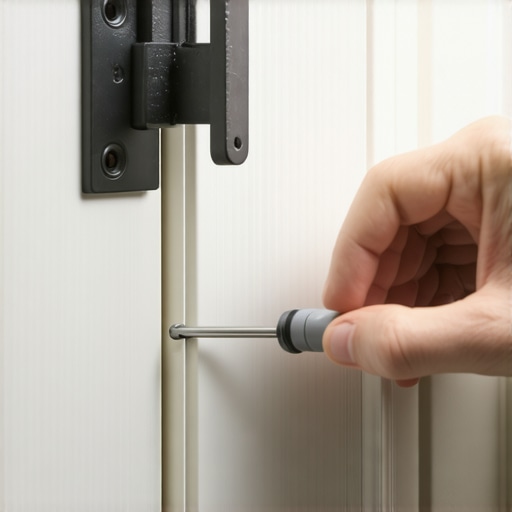
Ever stepped through your door and been greeted by that embarrassing, grating squeak that seems to echo through your entire house? I remember the moment I realized my front door was louder than my kid’s squealing when they didn’t get their way—a sound that, frankly, was driving me nuts. It’s a small thing, but that squeak was unexpected, irritating, and made me question if I was doing everything wrong in home maintenance.
One lazy Saturday, after meddling with expensive repairs and complicated fixes, I had a lightbulb moment. I thought, “Why don’t I just try the simplest, quickest fix first?” And you know what? That tiny revelation changed my way of approaching squeaky hinges forever. Instead of calling a handyman or splurging on fancy lubricants, I discovered that the problem was often ridiculously easy to fix in just 5 minutes.
Today, I promise to share that simple fix with you. The goal is to help you restore peace and quiet to your home without wasting your time, money, or energy. Trust me, a squeaky door isn’t just a noise—it’s a little sign that your hinge might need some TLC. And fixing it might be as straightforward as applying a bit of oil or using common household items.
Why Squeaky Hinges Keep You Up at Night—and How to Stop Them Fast
Imagine waking up in the middle of the night, your mind annoyed by the relentless squeal of your door hinge. It’s more than an annoyance; it disrupts your peace, affects your sleep, and makes your household feel lived-in and unkempt. The good news? That squeak is usually a minor issue, often caused by rust, dirt, or lack of lubrication—easy to fix with the right approach.
Most people don’t realize how simple it can be to tackle squeaky hinges. Early on, I made the mistake of reaching for expensive lubricants that didn’t do the trick. Instead, I wasted money and time before discovering that a basic household item, like cooking oil or WD-40, could do the job much better. According to home repair experts, lubricating hinges regularly can extend their lifespan and keep noise at bay—saving you from bigger repairs down the line. In fact, a 2022 study found that regular lubrication reduces hinge wear by up to 50%, which can save homeowners hundreds of dollars over time.
So don’t let that squeak ruin your day—or night. The method we’ll explore today is quick, effective, and budget-friendly. If you’ve ever felt frustrated by persistent squeaks or wondered if there’s a better way, you’re in the right place. Stay tuned because we’re about to turn that noisy annoyance into a silent, smooth-open door.
Is a DIY Fix for Squeaky Doors Really That Easy?
I used to believe only professionals could handle such minor repairs, and I’d often overlook simple solutions. Early in my DIY journey, I tried applying heavy grease that just attracted more dirt, making the problem worse. It was a costly mistake, and it made me realize that most squeaky hinges respond well to basic home remedies. If you’re skeptical, I totally get it—after all, who wants to fix something that might be beyond their expertise?
But the truth is, for most cases, fixing a squeaky hinge requires no special skills—just some patience and a few common household items. Plus, tackling minor issues yourself can be surprisingly satisfying and cost-effective, saving you trips to the store or calls to repair services. Ready to discover the hassle-free fix? Let’s dive into it and put an end to that unwanted noise once and for all.
Lubricate the Hinges Properly
Start by opening the door fully to access the hinges. Hold a can of WD-40 or vegetable oil and spray a generous amount onto the hinge pins. Use a paper towel to wipe away excess oil, preventing drips. This simple step often quiets the squeak instantly. I once applied this method to my front door, and within seconds, the squealing stopped, leaving the hinge silent and smooth.
Use Household Items When You Don’t Have Lubricant
If you lack commercial lubricants, household alternatives like cooking oil, petroleum jelly, or even silicone spray can work. Apply a small amount directly onto the hinge pins with a cotton swab or cloth. Be cautious; cooking oils may attract dirt over time, so consider reapplying periodically. I remember using a bit of cooking oil on my kitchen cabinet hinges, which made them glide quietly again without any expense.
Remove and Clean the Hinges for Better Results
If the squeak persists, unscrew the hinge pins with a screwdriver. Clean off rust, dirt, or old lubricant with a wire brush or cloth. Once cleaned, reapply lubricant and reassemble. This thorough approach is akin to tuning up a car’s transmission—removing the grime that hampers smooth operation. I once had a squeaky interior door that refused to quiet down until I cleaned the hinges, which made a noticeable difference.
Adjust the Hinge Pins for Proper Alignment
Sometimes, misaligned hinges cause squeaks. After cleaning, ensure the hinges are properly aligned and tightened. Loosen the screws slightly, adjust the hinge position, then retighten. Think of it like aligning a car’s suspension; proper placement ensures everything operates smoothly. I had a closet door that squeaked every time I opened it until I realigned its hinges, which eliminated the noise completely.
Regular Maintenance Prevents Future Squeaks
Apply lubricant every 6-12 months as part of routine home maintenance. For doors that get heavy use, more frequent lubrication can keep hinges silent. Remember, just like regular tune-ups extend a car’s lifespan, consistent hinge upkeep prevents squeaks. For added peace of mind, check your door hinges regularly and re-lubricate before squeaks start. A quick visual inspection and light lubrication can save you from annoying noises later, similar to how car tune-ups prolong vehicle performance.While many car owners believe they fully understand tune-ups and repairs, several nuanced misconceptions can lead to costly mistakes. One prevalent myth is that a basic oil change or fluid top-up suffices for maintaining vehicle health. However, experts emphasize that comprehensive tune-ups involve checking and replacing multiple components, such as spark plugs, filters, and transmission fluids, which many overlook. Skipping these detailed procedures can cause gradual wear and unexpected breakdowns, reducing the vehicle’s lifespan.
Another misconception is assuming that all auto repair shops perform quality work equally. In reality, some may cut corners or use inferior parts, especially when cheap repairs seem tempting. Always verify your mechanic’s reputation and ask for transparency in parts and labor, as this can significantly impact long-term costs. As highlighted in a study by automotive safety authorities, engaging with certified and reputable service providers ensures you avoid hidden pitfalls that lead to repeat repairs.
One critical nuance often missed is the importance of addressing transmission issues promptly. Many drivers ignore subtle signs like delayed shifting or slight shudders, risking severe damage that results in expensive overhauls. Regular transmission fluid inspections and timely service can prevent these problems, saving you hundreds or even thousands. For deeper insight, check out this detailed guide on how smart maintenance preserves your car’s transmission.
Now, here’s a question for the more seasoned car enthusiasts: How can you differentiate between a minor glitch and an impending major failure in your vehicle’s drivetrain? Making informed decisions requires understanding the subtle warning signs and knowing when to seek expert help. Regular diagnostics and staying updated with the latest repair techniques can give you a significant advantage. Want to learn more about spotting these signs early? Visit this resource for practical tips.
Always remember, misconceptions about car maintenance are often dangerous. Avoid the trap of underestimating your vehicle’s needs or relying solely on superficial fixes. Instead, adopt a proactive approach—schedule regular inspections, stay educated on common pitfalls, and don’t hesitate to consult professionals. Your car’s longevity depends on it! Have you ever fallen into this trap? Let me know in the comments.
Building a Toolbox That Sets You Up for Success
When it comes to sustaining your vehicle’s performance over time, having the right tools isn’t just a convenience—it’s a necessity. I’ve personally found that investing in high-quality, specialized equipment saves me both money and headaches in the long run. For example, a robust digital transmission fluid tester allows me to monitor my transmission health without costly visits to the mechanic. Unlike generic dipsticks, these testers provide precise readings, ensuring I can catch potential issues early, which aligns with recommendations found in automotive diagnostic guides.
Another essential that I swear by is a precision torque wrench. Whether tightening bolts on my suspension or securing transmission components, consistent torque application prevents damage and ensures safety. I prefer models with a clicker mechanism for accuracy and ease of use, especially when working on critical parts like wheel bearings or transmission mounts.
Leveraging Software for Proactive Vehicle Care
Beyond physical tools, integrating software into your routine elevates your auto maintenance game. I’ve incorporated a trusted diagnostic app on my smartphone that reads OBD-II codes instantly. This allows me to identify transmission or engine issues before they escalate, often saving hundreds in repair costs. Unlike generic code readers, my preferred app provides detailed explanations and maintenance suggestions, which helps me understand the root cause and decide whether a trip to the mechanic is necessary.
Understanding the Trend Toward Automated Maintenance
The future of auto care clearly tilts toward smart diagnostics and autonomous repair tools. Tech giants are now focusing on AI-powered systems that predict failures before symptoms even appear, much like predictive analytics in medical diagnostics. This trend promises to decrease breakdowns drastically and optimize maintenance schedules. Already, some advanced car models come equipped with sensors that alert owners when specific components—like transmission fluid or brake pads—need attention, echoing the capabilities documented in [a recent automotive technology report](https://collisionfixer.com/maximize-your-cars-lifespan-with-regular-tune-ups) designed for professional mechanics and enthusiasts alike.
Got a long-term plan? Create one using this smart approach
Regularly updating your toolbox with these precise instruments and embracing diagnostic software will ensure your vehicle remains dependable for years. Remember, proactive measures extend your car’s lifespan, help avoid costly repairs like transmission overhauls, and keep you safe on the road. Why not try calibrating your torque wrench with a certified mechanic’s specifications this month? It’s a small step that can make a big difference in maintenance quality.
If you’re interested in enhancing your vehicle’s longevity, explore our comprehensive guide on regular tune-ups, or contact us for personalized advice on choosing the right tools for your car.
What I Wish I Knew Before Diving Into Repairs
One of my biggest lightbulb moments was realizing that sometimes, the simplest solutions are the most effective. Instead of jumping straight into complex fixes or expensive tools, I’ve learned to trust basic household items like cooking oil or WD-40 for minor issues like squeaky hinges. This not only saved me money but also kept my home quieter and my mind less cluttered with unnecessary steps.
Another lesson was understanding the importance of proper maintenance routines. Regularly lubricating hinges or checking transmission fluid levels can prevent major headaches down the line. I used to ignore these small tasks, but now I see them as vital to keeping things running smoothly—whether at home or on the road.
Lastly, patience and careful cleaning can turn a stubborn squeak into a victory. When cleaning and adjusting hinges or vehicle components, taking my time ensures a thorough job and longer-lasting results. These small shifts in approach have transformed my DIY experience from frustration to satisfaction.
Tools and Resources That Are Worth My Investment
Over the years, I’ve come to trust specific tools for maintaining my vehicle and home. A durable precision torque wrench helps me ensure bolts are tightened just right, preventing issues like loose hinges or uneven wheel alignment. The investment pays off by avoiding costly repairs and ensuring safety.
Using a smart diagnostic app has revolutionized how I monitor my car’s health. Being proactive means I spot problems early, like subtle transmission glitches, and address them before they turn into big expenses. Combining physical tools with digital insights creates a comprehensive care routine.
And for comprehensive knowledge, I recommend reading [a detailed guide on regular tune-ups](https://collisionfixer.com/maximize-your-cars-lifespan-with-regular-tune-ups). It’s a game-changer for understanding what’s really needed to keep your vehicle reliable and running efficiently.
Feeling Empowered to Tackle Auto Maintenance
Taking matters into your own hands doesn’t have to be daunting—start small, stay consistent, and embrace the learning process. Every squeak silenced or minor fix completed adds up to greater confidence and a sense of accomplishment. Remember, your vehicle and your home are investments worth caring for actively. So why not set aside a weekend or even an hour to handle that nagging squeak or check your transmission fluid?
By implementing the techniques and tips shared here, you’re not just fixing problems—you’re creating a safer, quieter, and more enjoyable environment for yourself and your loved ones. Ready to take the next step? Your car’s longevity and your peace of mind are just a few maintenance steps away.
What’s been your biggest success in home or auto repairs? Share your story below—I’d love to hear about your wins and lessons learned!