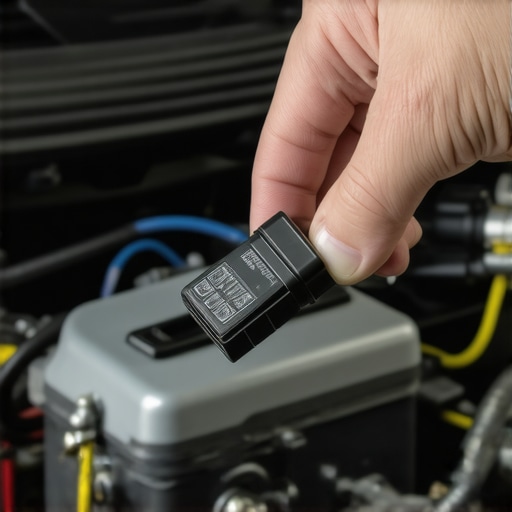
I was sitting at a red light last July, and my old truck was doing its best impression of a paint mixer. The steering wheel was vibrating so hard my palms were itching. The tachometer needle was jumping between 400 and 1,100 RPM like it couldn’t make up its mind. I felt like every person on the sidewalk was staring at me, just waiting for the inevitable puff of smoke. At the time, I was convinced I was staring down the barrel of a massive car service bill or, worse, a complete engine failure.
That Red Light Shiver Is More Than Just Annoying
It’s a gut-wrenching feeling when you press the brake and feel the engine struggle. I remember thinking I’d have to sell the car for scrap. I’d already wasted money on things that didn’t work. I even convinced myself the transmission fluid was the problem because of how the car lurched when I shifted. But here is the kicker: a dirty or failing Idle Air Control (IAC) valve—a part you can often find for about twenty bucks online—was the sole reason for my misery. If your car feels like it’s gasping for air, you aren’t alone. Have you ever had to keep one foot on the gas and one on the brake just to stay running at a stoplight? It’s exhausting and dangerous.
Can a Cheap Plastic Part Really Be the Culprit?
It sounds too good to be true. Most of us are conditioned to think that if the car is acting possessed, it must be a catastrophic mechanical failure. However, according to a report by The Car Care Council, small electronic sensors are among the most frequent causes of poor engine performance and Check Engine lights. In my case, I’d spent $150 on tune-up parts before I realized I just needed to swap out one small sensor held in by two simple screws.
Stop Chasing Ghosts and Start Looking at the IAC
Early in my DIY days, I made the mistake of assuming a rough idle meant I had bad spark plugs or a massive vacuum leak. I spent hours wrapping hoses in tape, trying to patch a vacuum leak that didn’t even exist. I was so focused on the big things that I ignored the tiny component responsible for managing the engine’s breathing at a standstill. When you maximize your car’s lifespan with regular tune-ups, this sensor often gets overlooked because it’s tucked away behind the throttle body. But once it gets gummed up with carbon, your engine’s brain loses its ability to stay steady. Sometimes, your engine stalls when you turn on the AC simply because this little $20 part can’t compensate for the extra load. It’s a simple fix that feels like a miracle once you finally hear that engine purring smoothly again.Before you throw expensive parts at the problem, you need to prove the IAC is the actual culprit. Think of the IAC as the engine’s snorkel; when the throttle plate is closed because your foot is off the pedal, this little bypass channel is the only way air gets into the combustion chamber. I remember one humid afternoon in my driveway, sweating over a cheap OBD-II scanner. I used the how to read live data to find a misfire technique and noticed the IAC counts were maxed out. This meant the computer was screaming at the valve to open, but nothing was moving. If your car feels like it is gasping, try gently tapping the valve body with the plastic handle of a screwdriver while the engine is running. If the idle suddenly levels out or the engine note changes, you have found your ghost.
Look for the Clog Before You Buy New Parts
Carbon is the primary enemy of a smooth idle. It builds up like black plaque in an artery, eventually physically blocking the valve from moving. Often, the reason your gas pedal feels sticky is the exact same reason your idle is erratic: a gunked-up throttle body. You can try cleaning the valve with a dedicated spray, but be careful about the internal electronics. I once spent three hours scrubbing an old valve with a toothbrush and a whole can of cleaner, feeling like a mechanical genius, only to have the car stall again ten minutes later because the internal solenoid had shorted out. If you suspect an electrical failure rather than just dirt, using the 15 tool to find a short circuit in your dash can help you verify if the wiring harness is actually delivering the proper signal to the component.
Why Your Idle Is Doing the Wave
When that valve sticks, the car’s computer enters a frustrating ‘hunting’ mode. It adds fuel to prevent a stall, the RPMs spike too high, the computer panics and cuts fuel, and then the RPMs crash again. This cycle is precisely why your car idles high when you first start it or bounces rhythmically while you are waiting for a green light. It is the engine’s brain trying to find a balance it physically cannot reach. This is also the same sensation that tricks many drivers into thinking their transmission is failing because the car lunges forward when coming to a stop as the engine suddenly surges. It is rarely the gears; it is almost always the air-fuel mixture fighting a losing battle.
Swap the Valve and Reset the Brain
Replacing the valve is usually a simple two-bolt affair, but the real secret to success is the ‘relearn’ procedure. After you install the shiny new part, your car’s computer still remembers the old, broken air-flow values. You have to clear that memory to let the computer meet the new valve. Usually, unhooking the negative battery terminal for about ten minutes clears the long-term fuel trims. Once reconnected, let the car idle for five minutes without touching the gas, then turn on the AC to let it adjust to the load. I’ve seen people skip this and get frustrated when the car still runs like a tractor. If the idle remains erratic even after a proper reset and a new part, that is one of the top signs your car needs expert auto repair now because you might be dealing with a cracked intake manifold or a deeper computer glitch.Most people think a tune-up is a magical cure-all that fixes every cough and sputter. In reality, the traditional tune-up—replacing points, rotors, and condensers—died in the 1990s. Modern cars are governed by complex feedback loops, and simply swapping spark plugs is often like putting a bandage on a broken arm. Let’s dig deeper into why your engine might still be gasping even after you’ve spent a weekend under the hood. Have you ever fallen into the trap of spending hundreds on parts only to have the same rough idle return two days later? Let me know in the comments. According to data from the National Institute for Automotive Service Excellence (ASE), a significant portion of modern drivability issues are caused by parts swapping without proper electrical testing. If you want to maximize your car’s lifespan with regular tune-ups, you have to stop thinking about mechanical parts and start thinking about signals.
The Dangerous Trap of Over-Cleaning Your Throttle Body
One major mistake DIYers make is being too aggressive with cleaners. I’ve seen enthusiasts spray a whole can of harsh solvent into their intake to fix a stumble. This is a massive risk. Many modern throttle bodies have a specialized molybdenum coating around the butterfly valve to prevent carbon from sticking. If you scrub that away, you’ll find that the reason your gas pedal feels sticky becomes a permanent problem. Even worse, if that solvent seeps into the electronic housing of your IAC or TPS, you could fry a circuit that costs five times more than the original part. Instead of spraying blindly, you should learn how to diagnose a bad ground wire in minutes to ensure the sensor even has the power it needs to function.
Is Your Computer Ignoring Your New Sensors?
This is the nuance most beginners miss. When you install a new air-flow component, the Engine Control Unit (ECU) often continues to use adaptive fuel trims based on the old, failing part. The car essentially lies to itself. This is why a car might run worse immediately after a repair. You aren’t just fixing a mechanical gap; you are resetting a digital conversation. If the idle remains erratic, it is one of the top signs your car needs expert auto repair now because the software may need a forced reset that a battery disconnect won’t achieve.
Don’t Mistake an Air Issue for a Transmission Failure
I have seen people authorize a $3,000 rebuild because their car lunged and stalled at stoplights. They were convinced the torque converter was seizing. However, a vacuum leak or a faulty IAC valve can mimic gear slip by causing the engine to load up and drop RPMs unexpectedly. Before you assume you need a rebuild, understand the difference between a transmission flush and a simple fluid change and how engine vacuum affects shifting. In many cases, how transmission overhauls save you money in the long run is by avoiding them entirely until you’ve ruled out the $20 air sensors.
The Secret Power of the Smoke Test
If you’ve replaced the IAC and cleaned the ports but the car still hunts for a steady idle, you likely have a ‘ghost’ leak. I spent weeks trying to patch a vacuum leak with electrical tape for a quick fix only to realize the leak was under the intake manifold where I couldn’t see it. Pros use a smoke machine to find these. If you are prepping for essential car service tips for safe summer drives, don’t just look at the fluids; look at the integrity of your vacuum lines. A single pinhole leak can make the best-tuned engine in the world run like a lawnmower.If you are tired of your truck doing the ‘paint mixer’ dance at every intersection, you have to upgrade from a basic code reader to a tool that offers live data streaming. I personally rely on a bidirectional scanner because it allows me to command the Idle Air Control valve to move while the engine is off, proving the motor is actually alive. According to the technical specifications in the SAE International J1979 standard, these diagnostic data parameters provide a real-time window into how your fuel system is compensating for air leaks. If you see your ‘Long Term Fuel Trims’ hovering above 10%, you have a vacuum leak hiding somewhere, even if your dashboard is clear of a warning light. This level of insight is how you maximize your car’s lifespan with regular tune-ups without wasting money on sensors you don’t need.
The Tool That Actually Finds Engine Ghosts
After years of spraying carb cleaner on hoses and hoping for a miracle, I finally invested in a portable smoke machine. You don’t need a thousand-dollar professional unit; a fifty-dollar smoker from an online marketplace works wonders. I remember one specific Jeep that had me stumped for a month; I had replaced every sensor, but the idle still hunted. Five minutes with a smoke machine showed white plumes curling out of the internal seal of the cruise control servo—a part I hadn’t even considered was part of the vacuum circuit. If you are checking off essential car service tips for safe summer drives, a ten-minute smoke test can prevent a breakdown in the middle of a July heatwave. It is far more effective than guessing and much safer than the old ‘propane torch’ trick used by old-school mechanics.
How do I keep my idle smooth for years?
Long-term performance is all about preventing carbon buildup before it starts. I make it a point to clean my intake tract every 30,000 miles with a dedicated induction foam to keep the valves clear. However, don’t forget the mechanical side of the equation. A dragging torque converter can put enough parasitic load on your engine to make it stall, regardless of how clean your sensors are. Understanding how transmission overhauls save you money in the long run often starts with realizing that your engine and gearbox are in a constant tug-of-war. If the transmission is failing to release properly, it’s like trying to run a marathon with your shoelaces tied together.
The Future of DIY Diagnostics
I believe the next decade of car repair is shifting toward predictive telematics. We are moving away from ‘fixing what’s broken’ to ‘fixing what the data says will break next.’ Soon, your smartphone will likely alert you that your idle is deviating by 50 RPM before you ever feel a vibration in the steering wheel. Until then, you need to be the chief diagnostic officer for your vehicle. If you notice the top signs your car needs expert auto repair now, trust your data over your gut feeling. My advanced challenge for you this weekend: get a multimeter and use the 15 tool to find a short circuit in your dash to check the ground wires at your computer. It’s the single best way to stop being a part-swapper and start being a pro.
The Hardest Lesson I Learned While Chasing a Perfect Idle
One thing I wish I knew earlier is that a new sensor isn’t always a working sensor. I have wasted weeks troubleshooting a fuel system only to find out the brand-new IAC valve was a dud from the factory. Always verify the part’s response with a scanner before you start tearing the engine apart. Another revelation was the link between vacuum and shifting. If you have been searching for the reason your transmission feels like it is slipping on hills, check your vacuum lines first. A tiny leak can trick the computer into miscalculating the engine load, causing the gearbox to hunt for gears. Finally, remember that cleanliness is surgical. When you clean a throttle body, use a lint-free cloth and be incredibly gentle with the butterfly valve to avoid removing protective coatings that prevent future carbon buildup.
My Survival Kit for Modern Engine Diagnostics
To move past the guessing game, I rely on a few specific tools that have saved me thousands in unnecessary repairs over the years. First is a Bidirectional Scan Tool. This is my holy grail because it allows me to command components like the IAC valve or fuel pump to turn on while the engine is off, proving the circuit is intact. Second, a DIY Smoke Machine is essential for essential car service tips for safe summer drives. It finds pinhole vacuum leaks that carb cleaner will never touch. Lastly, a High-Quality Multimeter is non-negotiable. If you want to maximize your car’s lifespan with regular tune-ups, you have to confirm your sensors have a clean path back to the battery. Without a good ground, even the most expensive new part will fail to perform.
Reclaiming the Driver’s Seat
Taking care of your own vehicle is about more than just saving money; it is about the peace of mind that comes from knowing exactly how your machine works. Whether you are dealing with a simple vacuum leak or identifying the top signs your car needs expert auto repair now, the knowledge you gain under the hood stays with you forever. Your next tune up doesn’t have to be a mystery of parts-swapping and crossed fingers. It can be a calculated, data-driven process that restores your car to its former glory. Have you ever replaced a major part only to find out a tiny $10 sensor or a loose wire was the real problem? Let me know in the comments below!