Picture this: it is a bitter Tuesday morning, you are already five minutes late for work, and you have just scraped a thick layer of frost off your windshield. You hop inside, crank the engine, shift into Drive, and press the gas—but nothing happens. The engine revs, your heart sinks, and you are left sitting there wondering if you are about to drop three grand on a mechanic. I have been there, staring at the dashboard in disbelief, and I know exactly how that delayed engagement feels like a personal betrayal from your vehicle. It is a common frustration, especially as the temperature drops, but it does not always mean your car is ready for the junk pile. In fact, most people panic way too early when they experience this sluggishness. Today, I am going to share exactly why your car is hesitating and how I learned to stop the morning transmission lag before it turned into a total disaster.
Stop Holding Your Breath When You Shift Into Drive
The first time this happened to me with my old sedan, I made the classic rookie mistake of just revving the engine, hoping I could force it into gear. Big mistake. All I was doing was wearing down the internal components even faster. The reality is that why your transmission slips when the engine is cold often comes down to internal seals that have become hard or brittle over time. When it is cold, they do not seal properly, and the fluid pressure cannot build up enough to engage the clutches. According to the transmission experts at the Society of Automotive Engineers, cold weather significantly impacts the viscosity of transmission fluid, making it harder for older pumps to move it through the system effectively. I used to think my car was just getting old, but I eventually learned that staying on top of a regular tune up could have saved me months of morning anxiety. If you have ever sat in your driveway, shifting between Park and Drive like a frantic gamer, you are not alone. Have you ever felt that terrifying thud when the gear finally catches? Tell me about your experience in the comments, because I have certainly had my share of transmission scares. Sometimes you might even notice the weird noise your gearbox makes when its low on fluid right before the delay happens.
Will I Need a Total Rebuild Just to Get to Work?
This is the fear that keeps us up at night. We assume that any hesitation means the gears are shredded. But honestly? Sometimes it is just low fluid or a clogged filter that is starving the system. While how transmission overhauls save you money in the long run is a real conversation we might need to have later, we are not there yet. Before you start looking up trade-in values, we need to look at the why behind the delay. Often, it is a symptom of why your transmission shifts better when its hot. Once that fluid thins out and those seals expand, everything works fine. That is our clue that we are dealing with a pressure issue, not necessarily a mechanical failure. In the next section, I will break down the specific steps I took to diagnose mine without spending a fortune.
Start With the Dipstick Before You Call a Tow Truck
Think of your transmission fluid like the blood in your body—if there is not enough of it, or if it is too thick, nothing is going to move right. When my car first started hesitating, I was convinced the transmission was toast. I spent twenty minutes googling how transmission overhauls save you money in the long run, basically preparing myself for a massive bill. Then I actually pulled the dipstick. The fluid was so low it barely touched the tip. A simple five-dollar bottle of ATF fixed the ‘catastrophic’ failure in minutes. If you hear the weird noise your gearbox makes when its low on fluid, that is your car literally screaming for help. To get an accurate reading, make sure the car is on level ground and the engine is running at operating temperature. If it is low, you have a leak. It is that simple.
Look for the Color of Money and Trouble
Healthy fluid should be a bright, translucent red. If it looks like old coffee or smells like burnt toast, you are looking at a different problem entirely. I once helped a neighbor whose truck would not shift until it had been idling for fifteen minutes. We checked the fluid, and it was pitch black. In that case, we had to decide between a simple drain or a full service. Understanding the difference between a transmission flush and a simple fluid change is vital here; if your transmission is already slipping, a high-pressure flush can sometimes do more harm than good by dislodging gunk into delicate valves. I always recommend starting with a filter and fluid change first. It is the cheapest ‘insurance’ you can buy for an aging vehicle.
Manage the Cold-Start Lag Without Wrecking the Gears
If your fluid levels are fine but the car still will not budge at 20 degrees, it is a viscosity game. Cold fluid is thick, like maple syrup in the fridge. Until it warms up, the pump cannot build the pressure needed to squeeze the clutch plates together. This is precisely why your transmission shifts better when its hot. I used to just sit there and rev the engine to ‘force’ it—please do not do that. It creates friction without proper lubrication. Instead, let the car idle for three to five minutes. This circulates the fluid and gently warms those hardened internal seals until they are pliable enough to hold pressure.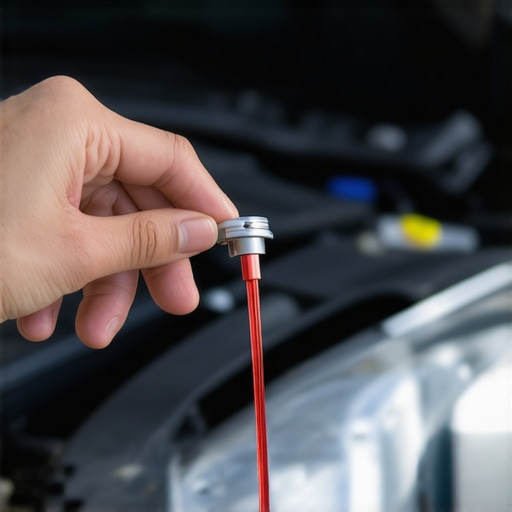
Check the Linkage Before Giving Up
Sometimes the problem is not the gears at all, but the physical connection between your shifter and the transmission. I once spent an hour in a frozen parking lot thinking my transmission had died when, in reality, a small plastic bushing had snapped. There is actually a the 20 part that fixes a car that wont shift out of park that looks exactly like a major mechanical failure. Always look at the small stuff first. Check if why your car makes a clunking noise when shifting into drive might be related to a loose engine mount rather than a internal gearbox explosion. These small diagnostic wins are what keep you from getting lowballed by a shop that just wants to sell you a whole new unit. If you are seeing top signs your car needs expert auto repair now, start with these basics to narrow down the culprit.
Stop Falling for the High-Pressure Flush Trap
Most drivers are taught that ‘cleaner is better,’ but when it comes to an aging transmission, that common belief can be a death sentence for your car. Let’s dig deeper into why a standard service might actually backfire. If your vehicle has high mileage and hasn’t had regular maintenance, those internal clutches have shed tiny particles of friction material into the fluid over the years. This ‘grit’ actually helps the worn clutches grip. When you perform a high-pressure flush, you aren’t just removing dirt; you are scouring away the very material keeping your gears from slipping. I have seen countless DIYers go from a slight morning lag to a completely dead car because they chose a flush over the much safer the difference between a transmission flush and a simple fluid change. In my experience, a gentle drain-and-fill is always the smarter play for a tired gearbox. 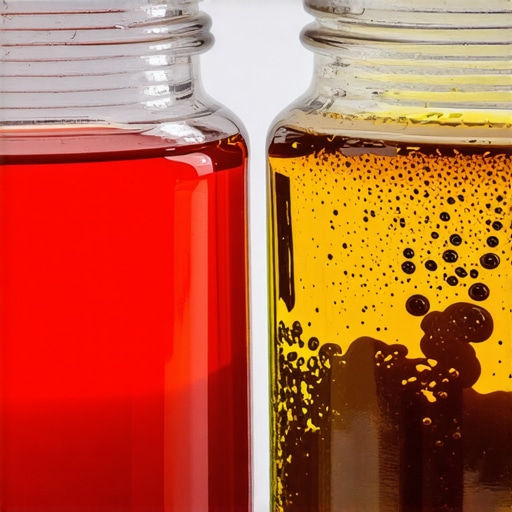
Can a Tiny Sensor Mimic a Total Gearbox Failure?
Before you start researching how transmission overhauls save you money in the long run, you need to consider the electronic side of the equation. Modern transmissions are basically computers on wheels. I once spent three days helping a friend diagnose a ‘dead’ second gear that turned out to be nothing more than a faulty output speed sensor. If your car’s brain doesn’t know how fast the wheels are turning, it won’t know when to shift, leading to symptoms that feel like a mechanical catastrophe. This is often why you might notice why your transmission makes a whining sound in first gear or erratic shifting patterns. Much like why your sensors arent working after a bumper repair, a simple wiring issue or a dusty connector can trigger a limp-mode response that mimics a $4,000 repair bill. Always scan for codes before you start turning wrenches on the hardware.
Why Your Lifetime Fluid is Actually a Ticking Clock
The ‘oops’ factor for most modern car owners is believing the manufacturer when they say the transmission fluid is ‘lifetime’ or ‘service-free.’ This is a marketing gimmick designed to lower the ‘estimated cost of ownership’ for the first five years, but it is a disaster for anyone planning to keep their car for a decade. According to technical reports from the Car Care Council, transmission fluid begins to thermally break down after about 60,000 miles, losing its ability to protect those delicate needle bearings. If you wait until you see top signs your car needs expert auto repair now, the damage might already be irreversible. You should treat your transmission fluid with the same respect as your engine oil if you want to maximize your cars lifespan with regular tune ups. Even if your car why your car feels sluggish even after a new air filter, don’t ignore the gearbox. Have you ever fallen into the trap of believing ‘lifetime’ fluid or had a simple flush turn into a nightmare? Let me know in the comments, because your ‘oops’ moment might just save someone else a fortune. We also have to be careful with other ‘clean-out’ services, as the truth about engine flushes for high-mileage cars often reveals similar risks of dislodging debris into places it doesn’t belong.
Get the Right Data Before You Get Under the Car
While I am all for the ‘feel’ of a car, I eventually realized that my physical senses are not as sharp as a computer. To truly master transmission health, I stopped relying on cheap twenty-dollar code readers and upgraded to a professional-grade scanner that supports live data streaming. I personally use an Autel diagnostic unit because it allows me to monitor solenoid engagement and slip ratios in real-time. If you want to know how to read live data to find a misfire, you can apply those exact same diagnostic principles to your gearbox. Seeing the fluid temperature climb on a digital screen tells me precisely when my car is ready to shift smoothly, rather than guessing based on how long it has been idling in the driveway. This kind of precision is what separates a weekend tinkerer from someone who can truly maximize your cars lifespan with regular tune ups.
How do I keep my transmission healthy for the long haul?
The secret isn’t some magic chemical additive poured into the dipstick tube; it is proactive thermal management. According to the Automatic Transmission Rebuilders Association (ATRA), heat is responsible for nearly 90% of all automatic transmission failures. I make it a point to install an auxiliary transmission cooler on any vehicle I plan to keep past the 100,000-mile mark, especially if I am doing any heavy hauling or mountain driving. This prevents the fluid from cooking and losing its lubricating properties. You should also be looking for top signs your car needs expert auto repair now, such as a slight shudder on the highway, which often indicates the torque converter clutch is struggling. Staying ahead of these minor shifts is much cheaper than researching how transmission overhauls save you money in the long run after your car is already stuck on the side of the road. 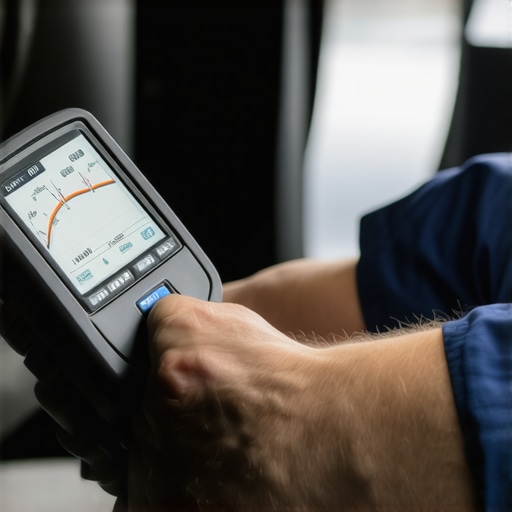
The Shift Toward Software-Defined Drivetrains
As we look toward the future of auto repair, the ‘wrenching’ part of the job is changing rapidly. We are moving into an era where a transmission ‘fix’ might just be a software update or a firmware flash from the dealership rather than a physical part replacement. Even today, many ‘clunky’ shifting issues are resolved by resetting the adaptive learning memory of the Transmission Control Module (TCM), which recalibrates how the clutches apply pressure based on wear patterns. It is a brave new world where your laptop might be more useful than your socket set. However, do not let the high-tech sensors distract you from the basic mechanical requirements; even the smartest computer in the world cannot overcome the weird noise your gearbox makes when its low on fluid. If you really want to take control of your car’s health today, try this advanced tip: buy a dedicated infra-red thermometer. After a long drive, point it at your transmission pan. If you are consistently seeing temperatures over 220 degrees Fahrenheit, your fluid is breaking down and you are on the fast track to a rebuild. Checking this once a month gives you a baseline so you will notice a cooling system failure before the dashboard warning lights ever flicker. Why wait for a disaster when you can see it coming with a five-second temperature check?
Hard Truths About Your Gearbox I Learned the Expensive Way
Over years of working under hoods and nursing old commuters through winter, I’ve realized that a transmission is much more sensitive than we give it credit for. First, never ignore a lazy shift; your car is literally trying to tell you that internal pressure is dropping before a catastrophic failure happens. Second, I learned that a three-minute warm-up isn’t just about the heater—it’s about saving the internal seals that make the car move. Most importantly, I’ve seen that staying on top of regular tune ups is the only real way to prevent a mid-winter breakdown. It’s the difference between a fifty-dollar fluid top-off and a four-thousand-dollar rebuild. I also learned that even if why your car feels sluggish even after a new air filter is a separate issue, it all contributes to the overall health of your vehicle.
The Gear I Actually Use to Save My Car
If you want to move beyond guessing, you need a few reliable tools in your garage to handle basic auto repair. I personally swear by a professional OBD2 Scanner for checking live data; it’s saved me from several unnecessary trips to the shop by identifying faulty sensors. I also keep an Infrared Temperature Gun handy to check the transmission pan temperature during long trips to ensure I’m not cooking the fluid. For those of you dealing with shifting issues, understanding the difference between a transmission flush and a simple fluid change will help you choose the right service when you’re at the shop. These tools give you the data needed to make smart decisions before things get expensive.
Master Your Machine Before the Tow Truck Arrives
Taking care of your vehicle doesn’t have to be a source of constant stress if you know what to look for. By staying proactive and watching for the top signs your car needs expert auto repair now, you can extend the life of your drivetrain significantly. Remember, you are the primary expert on how your car feels every morning. If you notice a change in how it engages, act on it immediately. Whether you’re researching how transmission overhauls save you money in the long run or just looking for a quick fix like the 20 part that fixes a car that wont shift out of park, knowledge is your best defense against high mechanic bills. Don’t let a cold morning stop your momentum. Have you ever felt that heart-sinking moment when your car just won’t shift? Share your story below!