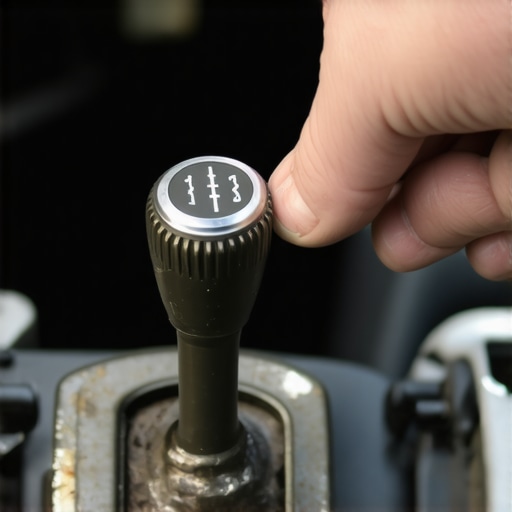
I still remember the first time it happened to me. It was a humid Tuesday morning, and I was already running five minutes late for a job interview. I jumped into my trusty (or so I thought) SUV, turned the key, and shifted into Drive. THUD. The whole car shuddered, and my heart sank right along with it. I sat there for a second, gripped by that familiar dread every car owner knows—the sound of an impending, four-figure repair bill. I’ve been around the block with expert auto repair for years, but that specific ‘clunk’ still makes my palms sweat. It feels violent, like two heavy pieces of metal just had a disagreement at thirty miles per hour while you’re standing perfectly still. It’s the kind of sound that makes you want to turn the radio up and pretend you didn’t hear it, but we both know that’s just delaying the inevitable. [IMAGE_PLACEHOLDER]
Stop Panicking About That Sudden Shifting Thud
Before you start browsing for a new vehicle or assume your gearbox has turned into a pile of expensive glitter, let’s take a breath. That noise is your car’s way of screaming that something is loose or worn out, but it isn’t always a death sentence. In my early days, I made the massive mistake of thinking a clunking noise automatically meant a total failure. I once paid for a full rebuild on an old truck when all I really needed was a fresh set of U-joints. Talk about a hard lesson learned. Today, I want to help you avoid that same trap and keep your hard-earned money in your pocket. We’re going to narrow down whether you’re dealing with a simple mounting issue or something that requires transmission overhauls to save the vehicle’s life. Most of the time, the fix is much less invasive than you’d think, provided you catch it before the vibration rattles the rest of your drivetrain to pieces.
Is my transmission actually going to fall out on the highway?
It’s the question that keeps us up at night, right? You hear a noise, and suddenly you’re picturing yourself stranded on the shoulder of a busy highway during rush hour. While a clunk is a serious indicator that your vehicle needs a check-up, it’s rarely as catastrophic as it sounds. Most of the time, the ‘clunk’ when shifting into Drive is actually related to ‘driveline slack.’ According to data from Consumer Reports, many shifting issues in older high-mileage vehicles are caused by worn engine mounts rather than internal gear failure. If your engine is physically moving too much when you engage the gears, it hits the frame, creating that jarring noise. Sometimes, the solution is as simple as a cheap $20 part or a loose bolt that just needs a bit of torque. Have you ever felt that jarring sensation and just ignored it, hoping it would go away? Drop a comment or reach out—I’d love to hear if yours sounds more like a ‘click’ or a ‘bang,’ because that distinction helps us diagnose it correctly without wasting money. Keeping your vehicle healthy doesn’t have to be a mystery. Sometimes, the solution is hidden in the basics, like how regular tune-ups can catch these loose mounts or worn-out rubber bushings before they snap entirely. Now, let’s get under the hood and look at the three most likely culprits for that annoying sound that’s been ruining your morning drives.
I’ll never forget the time my buddy brought over his beat-up sedan, swearing the transmission was about to fall out. We spent an hour poking around the gears before I noticed the engine mount was missing a chunk of rubber the size of a golf ball. Every time he shifted, the engine literally jumped an inch and slammed into the frame. That’s why your first move is always to inspect the mounts. Think of these like the shock absorbers for your drivetrain; they are designed to soak up the torque of the engine. To check them, you’ll need a friend. Have them sit in the driver’s seat, hold the brake firmly, and gently blip the throttle while shifting between Drive and Reverse. If you see the engine tilting excessively or hear that ‘clunk’ as it moves, you’ve found your culprit. It’s a classic sign that you need expert auto repair before the vibration ruins your radiator hoses or wiring harnesses.
Start With the Rubber Holding Your Engine Together
Engine and transmission mounts are essentially metal brackets with a thick rubber dampener in the middle. Over time, heat and oil leaks turn that rubber into a mushy mess or cause it to crack and harden. When you shift into Drive, the engine naturally wants to rotate. If the mount is broken, there is nothing to stop that rotation until the metal parts of the mount slam together. I once spent three hours trying to find a mystery bang in a customer’s SUV, only to realize the rear transmission mount was practically disintegrated. I could move the whole tail-shaft with my bare hands. If your car also makes a popping sound when you go over curbs, those mounts are almost certainly the source of your headache.
Look Down the Driveline for Worn Joints
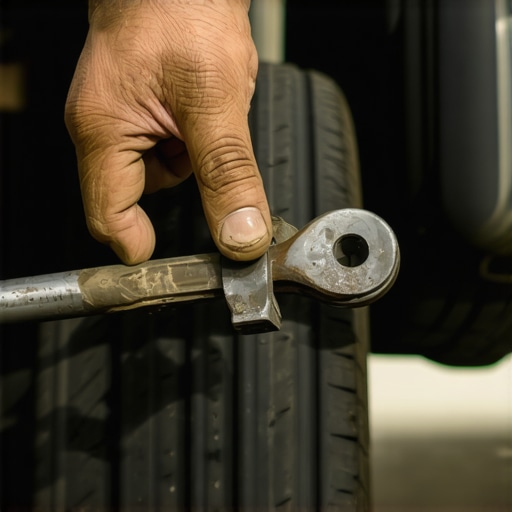
If the mounts look solid, we move down the line to the components that actually spin and transfer power to the wheels. In rear-wheel-drive vehicles, worn U-joints are the primary suspects for a metallic ‘clink’ or ‘thud.’ On front-wheel-drive cars, you’re looking for a CV joint that’s lost its grease. I’ve seen countless drivers ignore a torn rubber boot on their axle, only to have the joint dry out and start binding. You can learn how to spot a bad CV joint before it snaps by looking for dark grease splattered inside your wheel well. It’s like a bicycle chain that’s gone bone-dry; eventually, it’s going to jerk and pop instead of moving smoothly. While you are under there, it is also a good time to check other sounds, as you can often diagnose a bad wheel bearing by sound alone if the noise persists while you’re actually moving.
Check Your Transmission Fluid Before it Chews Up the Gears
Don’t overlook the simple stuff. I once helped a neighbor who was convinced her car was dying because it jerked into gear every morning. It turned out she was two quarts low on fluid because of a tiny leak. When the pressure is low, the transmission struggles to engage the internal clutches, leading to a delayed, violent ‘slam’ once the hydraulic pressure finally builds enough to catch the gear. This is especially common when your transmission slips when the engine is cold. Pull the dipstick and look at the color. If it smells burnt or looks like chocolate milk instead of bright red cherry juice, you’re looking at a fluid breakdown that’s affecting your shift quality. While efforts to maximize your car’s lifespan with regular tune-ups usually cover fluid checks, a sudden thud means you need to verify the level right now, not next month. Sometimes a ‘thud’ is just your car’s way of asking for a drink.
One of the biggest misconceptions I see in the service bay is the idea that a high-pressure transmission flush is a “magic bullet” for any shifting thud. In reality, if your vehicle has high mileage and has been neglected, a flush can actually be a death sentence for your gearbox. While the average driver thinks cleaning the system is always better, the contrarian truth is that a simple “pan-drop” and filter change is far safer. High-pressure machines can dislodge microscopic metal shavings that have safely settled in the corners of the case, forcing them into the delicate valve body passages. I’ve seen this “oops” factor turn a minor morning thud into a reason for transmission overhauls within a week of the service. It is very similar to the misunderstanding surrounding the truth about high-mileage oil additives; sometimes, introducing aggressive detergents into an old system does more harm than good.
The Dangerous Myth of the ‘Magic’ Transmission Flush
The real hidden nuance that catches even the most experienced DIYers is “adaptive learning.” Modern Transmission Control Modules (TCMs) are incredibly smart—they monitor exactly how many milliseconds it takes for a gear to engage and adjust hydraulic pressure to compensate for wear. If you replace a mechanical component like a solenoid or even just a severely worn engine mount, but fail to reset that computer memory, the car will continue to “hammer” the gear home with excessive pressure. This software lag is often why your transmission shifts better when its hot, as the thinner fluid at high temperatures partially offsets the computer’s aggressive pressure commands. According to the Car Care Council, a significant percentage of transmission complaints are actually software-related or caused by “ghost” data in the TCM rather than broken gears. 
Can a software update actually fix a mechanical-sounding thud?
The answer is a resounding yes. Car manufacturers are constantly fine-tuning the code that runs your drivetrain. They frequently release Technical Service Bulletins (TSBs) that provide software “re-flashes” to fix harsh engagement issues. If you ignore these updates, you’re basically trying to fix a computer bug with a hammer. I recently dealt with a case where a customer’s SUV had a violent jolt only on wet mornings—it turned out to be the reason your transmission shifts late when its raining, which was entirely a sensor communication error, not a mechanical failure. Before you agree to a major teardown, ensure your mechanic is checking for these digital patches. It’s one of the top signs your car needs expert auto repair now—a shop that treats your car’s brain with as much respect as its bolts. Have you ever fallen into the trap of paying for a massive repair only to realize a simple sensor or reset was the answer? Let me know in the comments; your story might just save someone else a few thousand dollars.
It drives me crazy when I see people throwing parts at a problem because they used a $15 code reader from the grocery store. Those cheap tools are great for clearing a gas cap light, but they’re virtually useless for deep drivetrain diagnostics. I personally swear by a mid-range tablet-style scanner that supports ‘Active Tests’ and ‘Live Data Streaming.’ Why? Because seeing the ‘Clutch Application Pressure’ in real-time tells you if a seal is leaking internally long before the metal starts grinding. Last summer, I had a truck that felt like it was shifting into a brick wall. Most shops would have quoted transmission overhauls immediately. But using live data, I could command the individual solenoids to fire while the engine was off. I heard a ‘click-click-thud’ on the 2nd-gear solenoid. It was a $40 electronic part, not a $3,000 mechanical failure. You can actually learn how to read live data to find a misfire or a shifting glitch yourself if you’re willing to spend a Saturday morning in the driver’s seat with a tablet.
The Scanner in My Toolbox That Saved Me Five Grand
When I’m looking at a ‘thud’ when shifting, I’m not just looking for error codes; I’m looking at the temperature. According to the Automatic Transmission Service Group (ATSG), for every 20-degree drop in operating temperature, you can nearly double the life of your transmission fluid. This is why I always keep a pressure tester handy. It’s similar to how to find a hidden coolant leak with a pressure tester—you are looking for the system’s ability to hold its own under stress. If your pressures are jumping all over the place, no amount of fluid is going to save you. 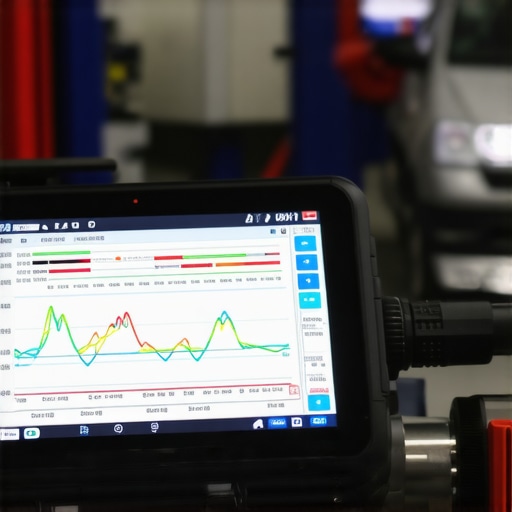
How do I maintain my transmission’s health for the next 100,000 miles?
The secret isn’t just changing the oil; it’s managing the heat and the friction modifiers. I recommend doing a ‘drain and fill’ every 30,000 miles rather than waiting for a 100,000-mile flush. This keeps the additive package fresh without shocking the system. Also, don’t be afraid to add an external cooler if you live in a hot climate or do a lot of stop-and-go driving. In the future, I predict we will see smart telematics where your car pings your phone to say ‘Solenoid B is showing 15% more resistance than last week; replace it now to avoid a tow truck.’ Until then, you have to be the one listening to your car. If you feel like you’re being overcharged for these simple checks, keep an eye out for the 5 red flags to watch for when choosing an Albuquerque mechanic or a shop in your local area.
Cooling is the Only Thing That Matters in the Long Run
Beyond the software and the sensors, basic physics still rules the road. Heat destroys the organic friction material on your clutch disks. If you notice your engine temperature creeping up, it’s often tied to your transmission health because they share a radiator. Using the $10 tool that saves your engine from overheating—a simple infrared thermometer—can help you spot a clogged transmission cooler line in seconds. My advanced tip for you today: next time you have the car on jack stands, check the electrical connector going into the transmission for oil wicking. If oil gets into that plug, it can cause ‘ghost’ signals that feel like a mechanical thud but are actually just a short circuit. If you’re ever in doubt about a weird sound, contact us or reach out to a specialist before the damage becomes permanent. Investing in regular tune-ups that include these deep-dive inspections is the only way to truly stay ahead of the curve.
The Expensive Shifting Mistakes I’ll Never Make Again
- Never assume the worst just because the sound is loud. That violent thud is often a simple rubber mount screaming for help rather than a internal gear failure.
- Software matters as much as steel. If your computer isn’t told you fixed a mechanical part, it might keep hammering your gears with excessive hydraulic pressure.
- Ignoring a small fluid leak is the fastest way to turn a simple $200 gasket service into $3,000 worth of transmission overhauls.
[IMAGE_PLACE_HOLDER]
Gear That Actually Makes Diagnosis Easier
I always tell my students to start with a quality OBD2 scanner that supports live data. It is the absolute difference between guessing and knowing. I also swear by an infrared thermometer to spot overheating in the cooler lines before the dash light even blinks. If you are ever feeling overwhelmed by a new sound, checking the top signs your car needs expert auto repair now can help you decide when to DIY and when to call in the pros. For deep technical specs, nothing beats a factory service manual specific to your VIN; it’s the only book that truly knows your car’s secrets.
Take Control of Your Car’s Drivetrain Today
You do not have to be a master mechanic to save your vehicle from the scrap heap. By listening to those early warnings—like that initial morning thud—you are already ahead of 90% of drivers on the road. Remember that you can maximize your car’s lifespan with regular tune-ups and a bit of proactive attention to your mounting bolts and fluid levels. Don’t let a mystery noise rob you of your confidence behind the wheel or your savings account. If you hit a diagnostic wall and need a second opinion from someone who has seen it all, feel free to contact us anytime. Have you ever had a scary car noise turn out to be a cheap, five-minute fix? I would love to hear your success stories in the comments below!