
I will never forget that one Tuesday morning in mid-January when my breath was coming out in thick clouds inside my own cabin. I sat there for ten minutes, idling in the driveway, waiting for that glorious blast of heat to save my frozen fingers. Nothing. The air stayed as cold as a refrigerator. But the second I shifted into gear and accelerated down the street? Instant warmth. It felt like my car was playing a cruel joke on me. If you are currently wearing gloves while sitting at a red light because your vents go cold the moment you stop, I know exactly how you feel. It is annoying, it is uncomfortable, and honestly, it is a bit localized to the weird quirks of automotive plumbing. Today, we are going to get to the bottom of why your heater is acting like a part-time employee.
The Cold Truth About Your Disappearing Cabin Heat
Most folks assume that if the heater works at all, the system must be fine. I made that exact mistake years ago. I figured as long as I was warm on the highway, I could ignore the cold idle. I even wasted a whole weekend trying to diagnose a non-existent issue because I thought the engine load was the only thing triggering the heat. Talk about a face-palm moment. The reality is that your heater is basically a mini-radiator, and it needs a steady flow of hot coolant to function. When that flow stalls at low RPMs, your comfort disappears. This is not just about being cozy; it is often the first warning sign of a cooling system that is struggling. Have you ever noticed your engine temperature fluctuates while driving along with the heater output? If so, you are not alone.
Is This Really Worth the Hassle of Fixing?
You might be thinking that as long as the car eventually gets warm, you can just live with it. I used to think that too, until I realized that a lukewarm heater is often a symptom of air pockets or a clogged radiator that can eventually lead to a full-blown overheat. According to the Car Care Council, cooling system failure remains a top cause of mechanical breakdowns on the road. By ignoring that cold breeze at the stoplight, you might be ignoring a cooling system that is slowly starving your engine of protection. We are going to look at the simple things first, like coolant levels and thermostat health, before we even think about expensive expert auto repair. Have you ever had to rev your engine just to get the defrost to work in the morning? Drop a comment and let me know, because that is the classic sign we are tackling today. [IMAGE_PLACEHOLDER]
Check Your Coolant Levels Before Doing Anything Else
The most common culprit is simply being low on “juice.” Think of your cooling system like a water slide; if there isn’t enough water, you just get stuck halfway down. When your coolant level drops, it might have enough pressure to circulate when the engine is revving, but at idle, the flow slows to a crawl, leaving your heater core empty. I remember working on an old SUV where the reservoir looked full, but the radiator itself was nearly empty. Always check the radiator directly—only when it’s completely cold—to be sure. If you suspect a slow disappearance of fluid, you should learn how to find a hidden coolant leak with a pressure tester to save yourself from future head gasket issues.
How to Burp the Air Out of Your Engine
Air pockets are the silent killers of cabin heat. If air gets trapped in the heater core, it acts like a physical wall that hot coolant cannot get past. This usually happens after a repair or if you have topped off the fluid recently. To fix this, you need to “burp” the system. Park on an incline with the nose of the car pointing up. This encourages the air to travel to the highest point, which should be your radiator neck.
The Messy Reality of Bleeding Coolant
I once spent three hours wrestling with a finicky cooling system on a mid-90s sedan. I thought I had topped it off, but the heater was still ice-cold at every red light. I finally grabbed a specialized funnel, let the car run with the cap off for twenty minutes, and watched as a massive bubble—the size of a grapefruit—finally gurgled to the surface. Instant heat followed. It is a tedious process, but it is often the only way to restore flow without paying for expert auto repair.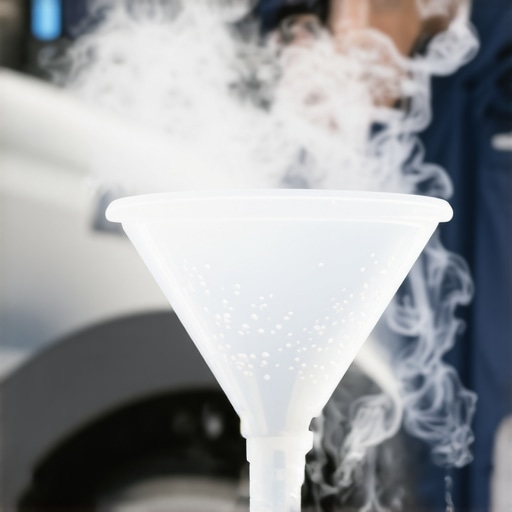
When Your Water Pump Cannot Keep Up at Idle
Think of your water pump as the heart of the car. If the impellers inside the pump are worn down or slipping, they might spin fast enough at 2,000 RPM to move water, but at 800 RPM, they just do not have the muscle. This is a classic “age” issue where the internal blades erode over time. To prevent this kind of mechanical fatigue, you should maximize your cars lifespan with regular tune ups that include inspecting the belt and pump for leaks or bearing noise.
The Clogged Heater Core Bottleneck
If your coolant is full and there is no air in the lines, the mini-radiator behind your dash might be filled with gunk. Over time, old coolant breaks down and creates a sludge that coats the tiny passages inside the heater core. At high speeds, the water pressure is high enough to force some heat through the debris, but at a stop, the flow hits a brick wall. You can sometimes flush this out with a garden hose, much like you would test for a clogged radiator without taking it apart. Using the 10 tool that saves your engine from overheating—a simple infrared thermometer—can help you see if the inlet hose is hot while the outlet hose is cold, confirming a blockage.
The Thermostat Myth Everyone Still Believes
Most DIYers and even some shops will tell you that if your car eventually reaches operating temperature, your thermostat is working perfectly. In my experience, that is a dangerous oversimplification. A thermostat that is lazy or stuck partially open might still allow the engine to warm up under the load of highway speeds, but it fails to maintain the precise thermal threshold needed to keep that heater core hot when you are sitting at a red light. If you have ruled out the fluid level, you should perform the simple test for a failing fan clutch or check the thermostat’s opening temperature. I have seen countless drivers replace their entire heater core only to find out a $15 thermostat was just slightly off-spec, causing the engine temperature fluctuates while driving and killing the cabin heat at idle.
Don’t Fall for the Universal Coolant Trap
Here is a specific ‘oops’ factor that kills more heating systems than anything else: the ‘All Makes, All Models’ coolant lie. While those jugs claim to work with everything, mixing different chemical bases can lead to a chemical reaction that creates a gel-like substance. This sludge settles in the narrowest part of your system first, which is almost always the heater core. If you have topped off with whatever was on sale at the gas station, you might need to investigate the truth about engine flushes for high mileage cars to clear out that gunk. According to a study by SAE International, even a thin layer of silicate dropout or scale can reduce heat transfer efficiency by up to 40%, which explains why your vents feel like a refrigerator the moment your RPMs drop. 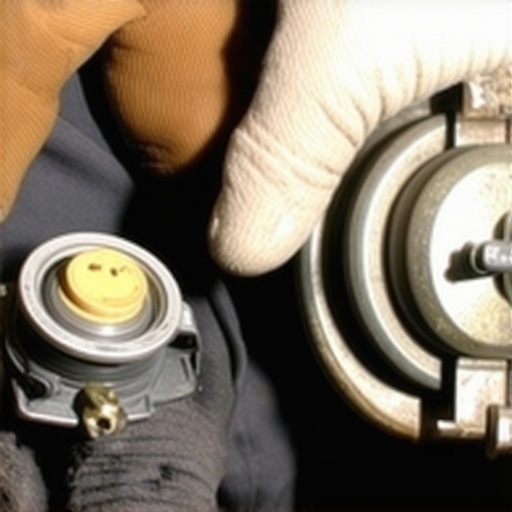
Why does the cabin stay freezing while the gauge says it’s hot?
This is the ultimate head-scratcher for many of my readers. You look at the dashboard, the needle is right in the middle, but your fingers are numb. This usually indicates a ‘blend door’ failure or a partially blocked core where the pressure isn’t high enough at idle to overcome the restriction. It is a nuanced diagnostic path that separates a basic regular tune up from deep mechanical troubleshooting. If you find yourself revving the engine just to stay warm, you are masking a flow problem that could eventually leave you stranded. Have you ever fallen into this trap of ignoring a lukewarm heater until it turned into a major repair? Let me know in the comments below. If the DIY path feels a bit overwhelming, it might be time to look for expert auto repair before the next cold snap hits. For any other questions about your car’s weird quirks, feel free to contact us directly.
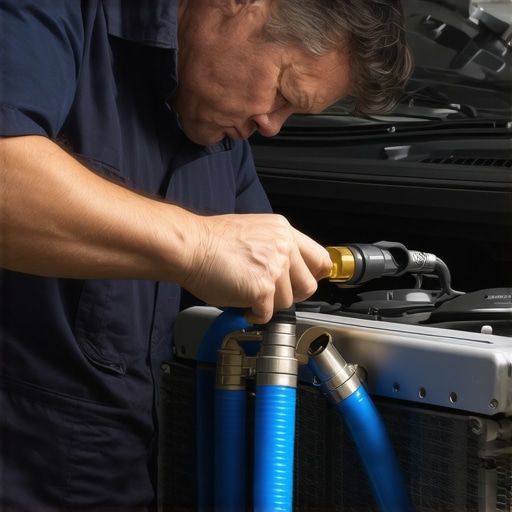
I’ve learned the hard way that throwing parts at a car is the fastest way to drain your bank account. If you have been chasing ghosts in your HVAC system, it is time to stop guessing and start measuring. I personally swear by a vacuum cooling system refiller kit. Unlike the old-school ‘burping’ method I mentioned earlier, these tools use shop air to create a vacuum in the entire cooling system. If the vacuum needle holds steady, you know for a fact you do not have a leak. If it drops, you have just saved yourself from pouring expensive coolant onto the garage floor. When you finally open the valve, the vacuum pulls the fluid into every tiny passage, including the heater core, leaving zero room for those stubborn air pockets that cause cold idles.
Stop the Guesswork with a Vacuum Refiller
Using a vacuum tool is not just for the pros anymore; it is the most reliable way to ensure your regular tune up actually solves the problem. It is much more efficient than waiting for the thermostat to pop. While you are at it, I recommend keeping an infrared thermometer in your glovebox. I call it the 10 tool that saves your engine from overheating because it lets you see the literal temperature of the hoses entering and exiting your firewall. If the inlet is 190 degrees and the outlet is 120, you have found your clog without turning a single wrench.
How do I maintain my car’s heating system over time?
Consistency is the secret sauce here. Most drivers wait for a failure before they act, but a cooling system should be treated with the same respect as your oil. To keep things flowing, you should perform a professional-grade flush every two to three years. Gates Technical Bulletin #43124-B points out that electrochemical degradation (ECD) is a silent killer of cooling components, where the coolant actually starts to conduct electricity and eats away at the heater core from the inside out. This is especially true for modern aluminum cores. By sticking to essential car service tips for safe summer drives, you are actually protecting your winter warmth too. Think of it like how transmission overhauls save you money in the long run—preventative cooling maintenance stops a small leak from turning into a cracked cylinder head.
Electric Heat is the Next Major Shift
Looking ahead, the days of using engine waste-heat are numbered. As we transition to electric vehicles, the ‘heater core’ as we know it is being replaced by high-voltage PTC (Positive Temperature Coefficient) heaters and advanced heat pumps. These systems provide nearly instant warmth because they do not have to wait for an engine to warm up. However, they are far more complex to repair. If you are driving a traditional internal combustion vehicle now, cherish that simple plumbing while it lasts. If your DIY efforts still leave you shivering at red lights, do not wait for the temperature to drop below zero before seeking out expert auto repair. My final tip for today: go out to your car tomorrow morning, let it reach operating temperature, and feel the two hoses going into the firewall. If one is significantly colder than the other, you’ve found your bottleneck.
Three Heater Mistakes That Cost Me a Fortune
Looking back at my years under the hood, the biggest mistake I ever made was assuming “good enough” was actually enough. I once spent an entire winter revving my engine at stoplights because I was too lazy to properly bleed the system. That laziness led to a warped cylinder head when a small air pocket finally turned into a localized hotspot. I also learned that ignoring a heater that cuts out is like ignoring a smoke alarm—it is a sign that your coolant flow is compromised. If your engine temperature fluctuates while driving, even slightly, treat it as an emergency for your comfort and your wallet. Lastly, never underestimate the power of a proper flush; old coolant is a chemical soup that slowly eats your heater core from the inside out.
The Diagnostic Tools I Never Leave Home Without
To truly master your HVAC system, you need more than just a set of wrenches. I personally rely on these three resources to keep my fleet running hot in the winter and cool in the summer:
- The Infrared Thermometer: This is literally the 10 tool that saves your engine from overheating by allowing you to map the heat throughout your radiator and heater core.
- Vacuum Coolant Refiller: This eliminates the “burping” guesswork entirely and is the secret to a professional-grade regular tune up.
- Manufacturer Service Bulletins: Always check for TSBs (Technical Service Bulletins) before you start ripping your dash apart; sometimes the fix is a simple software update for the blend door actuators.
Stop Shivering and Take Control of Your Vents
You do not have to live with a car that only keeps you warm when you are moving. By checking your fluid levels, purging trapped air, and ensuring your water pump is healthy, you can reclaim your cabin comfort. Remember that essential car service tips for safe summer drives are just as relevant in December—keeping that cooling system clean is a year-round job. If the DIY path feels like too much of a headache, do not hesitate to look for expert auto repair. A warm cabin is more than a luxury; it is what makes those early morning commutes bearable. Have you ever tried to flush your own heater core? Let me know how it went in the comments below!