
There I was, hunched over my steering column with a flashlight clamped between my teeth, smelling that unmistakable, heart-sinking scent of melting plastic. Every time I clicked a new fuse into the slot for my instrument cluster, it popped—snap—leaving me in total darkness again. I felt completely defeated, staring at a tangled web of copper that looked more like a bowl of cursed spaghetti than a wiring harness. We’ve all been there, right? You’re trying to enjoy a drive, but suddenly your car beeps when there is no warning light, and you just know a hidden electrical gremlin is about to ruin your weekend. It is the kind of frustration that makes you want to give up, but before you do that, let me share a secret that changed how I handle car electronics forever.
Stop Wasting Money on a Box of Blown Fuses
Solving an electrical short should not feel like a high-stakes game of Operation. For years, I did it the hard way. I would buy those big variety packs of fuses and just keep sacrificial lambs at the ready while I wiggled wires, hoping to find the spot where the insulation had rubbed raw. It was a tedious, expensive, and frankly dangerous way to work. I even once made the classic rookie mistake of thinking I had a dead alternator when I actually just had the hidden ground strap that causes weird electrical ghosts. I wasted a whole Saturday on a repair I did not need because I lacked the right diagnostic perspective. Today, I am going to show you how a simple $15 investment—specifically an automatic-resetting circuit breaker tool—will save your sanity and your wallet. We are going to pinpoint that short without tearing your entire dashboard apart or burning through another thirty bucks in fuses. It is often the one electrical fault that most mechanics misdiagnose, but with this tool, you will be ahead of the curve.
Is a Cheap Tool Actually Better Than a Professional Multimeter?
You might be skeptical that a tool costing less than a pizza can outperform a $200 multimeter, but for tracking shorts, it is often the superior choice. While a multimeter is great for static tests, a circuit breaker tool allows you to keep the circuit active safely while you hunt for the fault. According to data from the National Institute for Automotive Service Excellence (ASE), nearly half of all diagnostic time in professional shops is lost due to technicians using overly complex equipment for simple continuity faults. This little $15 gem provides the visual or audible feedback you need in real-time as you move the harness. Have you ever spent hours chasing a wire only to find out it was a simple five-minute fix? I want to hear about your most frustrating electrical nightmare in the comments below. Before we dive into the step-by-step, we need to understand exactly what that rhythmic click is telling us about your car wiring health.
Swap Your Blown Fuse for the Breaker
To start, you need to pull out that dead fuse and plug the automatic-resetting circuit breaker directly into the socket. Think of this tool like a resilient bouncer at a club; instead of locking the door and going home the moment there is a problem (like a standard fuse does), this bouncer kicks the troublemaker out, waits a few seconds, and then tries to open the door again. Because it cycles on and off, it sends a pulse of power through the wire without letting it get hot enough to melt anything. This pulse is your best friend. It creates a rhythmic click-click-click sound that you can follow like a heartbeat. If you are prepping for a road trip, knowing these essential car service tips for safe summer drives can prevent you from being stranded on the shoulder with a smoking dashboard. 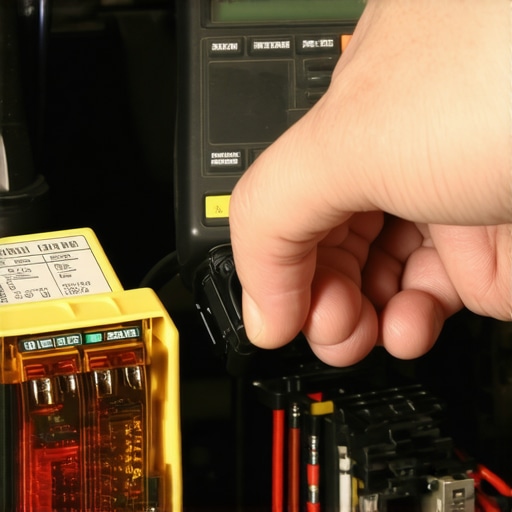
The Wiggle Test That Pinpoints the Fault
Once the breaker is clicking, the real hunt begins. You are going to perform what I call the ‘Wiggle Test.’ Start at the fuse box and physically move the wiring harness with your hands. You are looking for the exact moment that clicking stops or changes its rhythm. I remember a particularly nasty short on an old pickup where the radio kept dying. I had the breaker in, and I was crawling under the dash, tugging on every bundle of tape-wrapped copper I could find. Suddenly, I brushed against the steering column support, and the clicking stopped. Right there, hidden behind a sharp metal bracket, was a wire that had its insulation rubbed raw. It was a tiny, five-millimeter silver of exposed copper, but it was enough to kill the whole circuit. This kind of hands-on work is often why you see top signs your car needs expert auto repair now when electrical issues start affecting drivability.
Isolate the Harness Before You Tear It Open
If wiggling doesn’t immediately reveal the ghost in the machine, you need to start disconnecting components one by one. If you unplug the brake light switch and the clicking continues, you know the short is in the wiring, not the switch itself. This process of elimination is vital. It is much like how regular tune-ups prevent mechanical failure by catching small wear items before they break. By isolating connectors, you narrow down the search area from ‘the whole car’ to a specific two-foot section of wire. If you have recently detailed your vehicle, make sure you followed the best way to clean your engine bay without shorting wires, as moisture trapped in a connector is a common culprit for these phantom shorts.
Listen for the Arc in the Dark
If you are still struggling to find the physical rub-through, try this old-school trick: turn off the shop lights. Because the circuit breaker is constantly trying to re-energize the circuit, you might actually see a tiny blue spark jumping from the bad wire to the car’s frame. It is a primitive but effective way to see exactly where the energy is escaping. Just be careful not to keep the circuit powered for hours; even with a breaker, you are still putting stress on the system. If your car is prone to these issues, it might be a sign that the overall electrical health is declining, similar to how the hidden ground strap that causes weird electrical ghosts can make a perfectly good battery seem dead.While finding that electrical short is a victory, do not let it distract you from the bigger picture of vehicle longevity. Most car owners are told that their modern gearbox is a ‘sealed for life’ unit. It sounds great on paper because it implies one less thing to worry about when you maximize your cars lifespan with regular tune-ups. But here is the professional nuance: ‘life’ to a manufacturer usually means the 100,000-mile warranty period, not the 250,000 miles you actually want to drive. If you ignore your fluid because the manual says it is permanent, you are essentially waiting for a catastrophic failure. This is why I always tell people that how transmission overhauls save you money in the long run is usually by avoiding them in the first place through proactive maintenance.
Will New Fluid Make Your Transmission Slip?
There is a common old-wives’ tale that if you have not changed your high-mileage fluid, you should never touch it, because the ‘grit’ in the old fluid is the only thing keeping the clutches from slipping. This is a dangerous misunderstanding of hydraulic physics. According to technical data from the Automatic Transmission Rebuilders Association (ATRA), fluid oxidation is the primary cause of internal component wear. If your car already shows top signs your car needs expert auto repair now, like shuddering or delayed shifts, the damage is already done. New fluid does not ’cause’ the slip; it simply removes the varnish that was temporarily masking a mechanical failure. 
Don’t Fall for the Flush Trap
Here is the specific ‘oops’ factor that catches even seasoned gearheads: the difference between a fluid exchange and a high-pressure flush. Never, under any circumstances, allow a shop to use a high-pressure flushing machine on an older vehicle. These machines can force debris into the tiny orifices of the valve body, turning a simple maintenance task into a total rebuild. Instead, insist on a ‘drain and fill.’ It is a gentler process that replaces about 40-60% of the fluid at a time, allowing the system to adjust to the new detergents gradually. This is especially critical if you notice why your transmission slips when the engine is cold, as temperature sensitivity often points to fluid viscosity issues.
How to Know if the Shop is Playing You
When you take your car in, some mechanics might jump straight to recommending a full rebuild the moment they see dark fluid. Before you sign that four-figure check, you need to know how to tell if a transmission shop is lying about a rebuild. A simple diagnostic scan for codes can often reveal that a ‘blown’ transmission is actually just a faulty $50 output speed sensor or a corroded ground wire—much like those electrical ghosts we discussed earlier. Have you ever been told you needed a major repair only to find out it was something small? Let me know in the comments. Keeping your car on the road requires a healthy skepticism of ‘sealed’ components and a commitment to essential car service tips for safe summer drives, ensuring your gearbox stays cool when the pavement gets hot.Once you’ve mastered the ‘Wiggle Test’ and saved yourself from a potential $4,000 transmission rebuild, it’s time to upgrade from a casual DIYer to a diagnostic pro. If you’re serious about your vehicle, a generic $20 code reader from the gas station isn’t going to cut it anymore.
Get a Scanner That Actually Speaks Your Car’s Language
I personally switched to a bidirectional scan tool—specifically an Autel or a mid-range Launch unit—because it allows me to actually talk back to the car. Instead of just reading a code, I can command the cooling fans to turn on or pulse the fuel injectors individually to test their health. This is how you find top signs your car needs expert auto repair now before a warning light even flickers on your dashboard. According to the SAE International J1979 standard, these tools access deep-level PIDs (Parameter IDs) that reveal the hidden life of your engine and transmission sensors.
How do I keep my high-mileage car on the road forever?
The secret isn’t just oil changes; it’s data-driven maintenance. Every six months, I hook up my scanner and record a ‘baseline’ of my fuel trims and transmission fluid temperature during a standard 20-minute drive. If I see my long-term fuel trims creeping up toward 10%, I know I have a tiny vacuum leak or a tiring fuel pump long before the engine starts to stumble. This proactive approach is exactly how you maximize your cars lifespan with regular tune-ups. You aren’t just reacting to failures; you are predicting them. If you’re dealing with more complex systems, especially on older builds, having the 10 tool that saves your engine from overheating—like a simple infrared thermometer—can confirm what the sensors are telling you. 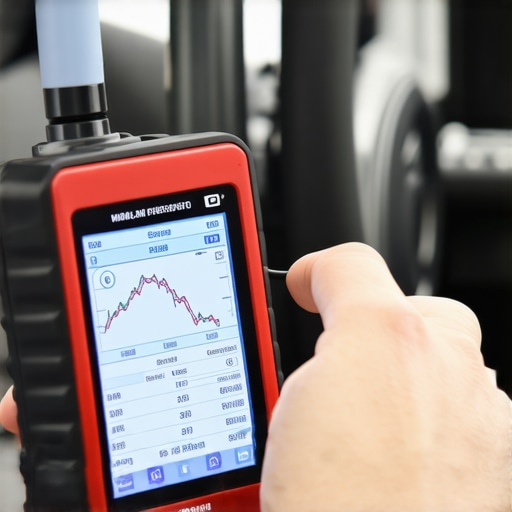 Looking ahead, the DIY world is shifting toward ‘software-defined vehicles.’ In the next five years, we won’t just be checking spark plugs; we’ll be managing over-the-air update logs and cooling systems for battery packs. But the mechanical fundamentals stay the same. Whether you’re figuring out why your transmission slips when the engine is cold or hunting for a ground fault, the goal is to stop small issues from snowballing. If you really want to level up, I challenge you to go into your scanner’s ‘Live Data’ menu this weekend and find your ‘Transmission Fluid Temperature’ PID. Watch how it fluctuates in stop-and-go traffic versus the highway. Understanding that thermal cycle is the first step toward seeing how transmission overhauls save you money in the long run by simply avoiding them through better cooling and fluid management.
Hard Truths About Modern Electronics I Had to Learn the Expensive Way
Looking back at my years under the hood, I’ve realized that the most expensive repairs usually start with a simple misunderstanding. First, the ‘lifetime’ fluid myth is just marketing; if you want to maximize your cars lifespan with regular tune-ups, you have to look past the owner’s manual. Second, electrical issues are rarely about the component that actually died—they are almost always about the wire that fed it. I used to replace sensors only to have them blow again, not realizing that a corroded ground was the real culprit. Lastly, never underestimate the power of a clean engine bay. Dirt holds moisture, and moisture creates the very shorts we’ve been hunting. Learning the best way to clean your engine bay without shorting wires is a fundamental skill that prevents half the problems people see in older cars.
My Secret Weapons for a Bulletproof Garage
You don’t need a professional shop setup to get professional results, but you do need tools that provide real data. I swear by my mid-range bidirectional scanner because it turns guesswork into a conversation with the ECU. Along with that, I never work on a cooling or transmission issue without the 10 tool that saves your engine from overheating—an infrared thermometer that confirms exactly where the heat is building up. For electrical work, that $15 resetting breaker we discussed is non-negotiable. These tools give you the confidence to know how to tell if a transmission shop is lying about a rebuild, because you’ve already seen the data yourself. #IMAGE_PLACEHOLDER_E#
Taking Back Control of Your Commute
Modern cars can feel like rolling computers that are impossible to fix, but at the end of the day, they still rely on basic physics and clean connections. Don’t be intimidated by a rhythmic click or a dark transmission fluid dipstick. When you catch the top signs your car needs expert auto repair now early, you aren’t just saving money—you’re building the confidence to handle whatever the road throws at you. Following essential car service tips for safe summer drives and keeping a proactive eye on your vehicle’s health ensures that you are the one in charge of your car’s destiny, not a tow truck driver. Your car is an investment in your freedom; treat it with a little diagnostic curiosity, and it will repay you with hundreds of thousands of miles. Have you ever found a ‘major’ electrical fault that turned out to be a simple loose wire? Let me know your story in the comments below!