
I was cruising down the highway last Tuesday, finally heading home after a marathon day at the garage, when it happened. A sharp, rhythmic beep-beep-beep echoed through the cabin. I immediately glanced at the dash, expecting to see a glowing check engine light or a red thermometer, but there was nothing. No lights, no warnings, just a perfectly normal instrument cluster staring back at me while that incessant noise continued to mock my sanity. It’s the kind of thing that makes you feel like you’re losing your mind. You start turning off the AC, muting the radio, and holding your breath just to hear if it’s coming from the engine or the speakers. If you’ve ever felt like your car was possessed by a very polite but very annoying ghost, you’re in the right place. Today, we are going to silence those phantom alarms once and for all. Most of the time, these noises aren’t a sign that your engine is about to explode, but they are a cry for help from a specific sensor. Whether it’s a rattling seat sensor or a forgotten door latch, these sounds serve a purpose. I’ve seen folks spend hundreds of dollars on a car service just to find out a seatbelt buckle was stuck. Trust me, I’ve been there—I once spent three hours diagnostic-testing a customer’s electrical system only to realize their phone was stuck between the seats, chirping a low-battery alert. I felt like a total amateur, but it taught me that the simplest answer is usually the right one.
Those Ghostly Chimes are Driving Us Both Crazy
The first thing we need to do is realize that your car’s computer isn’t always programmed to throw a light for every minor inconvenience. Sometimes, the beep is just a nudge, like a neighbor reminding you that you left your lights on. However, when it happens while you’re driving, it’s a distraction you don’t need. According to data from the National Highway Traffic Safety Administration (NHTSA), auditory alerts are designed to grab attention without overwhelming the driver, but ‘phantom’ alerts can actually lead to alarm fatigue, causing drivers to ignore real warnings later on. We want to stop that fatigue before it starts. Have you ever found yourself shouting ‘What do you want from me?!’ at your steering wheel during a mystery beep? If so, reach out or let me know, because I’ve definitely been there. Finding the source requires a bit of detective work, often starting with the basics like regular tune-ups to ensure no wires are fraying.
Is tracking down a mystery sound actually worth the headache?
You might be tempted to just turn up the radio and live with it. I get it. But ignoring a beep is like ignoring a small leak; eventually, it leads to something bigger. Keeping your vehicle in top shape through preventative maintenance often catches these weird electrical gremlins before they become expensive repairs. We are going to look at the ‘hidden’ triggers today—the ones that don’t trigger a code but definitely trigger a headache. From a hidden ground strap causing electrical ghosts to a simple weight sensor error, we’re covering it all so you can get back to a quiet ride. Stick with me, and we will find that ghost together.
Clear the Junk and Check the Latches
Before we dive into the wires, let’s look at the ‘dumb’ stuff. Modern cars are sensitive. If you have a heavy bag of groceries in the passenger seat, the car thinks a person is sitting there without a seatbelt. That is a classic source of the phantom beep. I’ve seen many people panic over a rattling passenger seat sensor that was just reacting to a heavy laptop bag. Check your door latches and trunk, too. A latch that is 99% closed but not fully engaged might not trigger a ‘Door Ajar’ light but can definitely make the chime module go haywire. It is the automotive equivalent of a pebble in your shoe—small, but it ruins the whole walk.
Why Ground Wires Are the Ultimate Ghost Makers
If the basics are clear, we have to talk about electricity. Think of your car’s electrical system like a plumbing circuit. If the ‘drain’ (the ground) is clogged, the water (electricity) backs up and causes a mess. A loose or corroded wire is often the hidden ground wire that ruins your sensors. When a sensor does not get a clean signal, it sends ‘noise’ back to the computer, which can trigger a random alert. 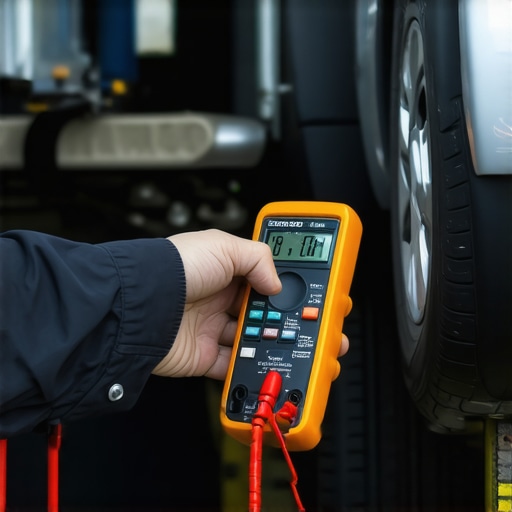 I remember a grueling Saturday with a client’s SUV. It would beep every time they used the left turn signal. We checked the bulbs, the fuses, and even the flasher relay. Nothing. Finally, I crawled under the chassis and found a ground strap that had nearly rusted through. It was a hidden ground strap causing electrical ghosts by cross-talking with the audio module. A $5 bolt and some sandpaper fixed a ‘haunted’ car that three other shops could not figure out. This is why a simple physical inspection of wires is more valuable than any computer scan.
Use Data to Stop Guessing
Stop throwing parts at the problem. If you are serious about silencing the noise, you need a multimeter. You can find a parasitic battery drain by testing the fuse box while the car is off. If a specific circuit is drawing power when it should not be, that is likely where your mystery beep is living. This is the one electrical fault that most mechanics misdiagnose as just a dying battery, but it is actually a module that refuses to ‘sleep.’ By pulling fuses one by one, you can isolate the chime to a specific system, like the radio or the seatbelt module, and target your repair.
Keep the Main Systems Happy
Sometimes the beep is not a ghost; it is a pre-emptive strike. If your transmission fluid is getting too hot or your engine is slightly out of time, some vehicles will chime before the hard failure occurs. Staying on top of regular tune-ups ensures that these sensors are not screaming because they are covered in carbon gunk or oil. If you wait until the sound becomes a physical vibration, you might be looking at transmission overhauls instead of a simple sensor swap. You need to spot an honest mechanic who will actually trace the voltage rather than just telling you the computer is glitching.The biggest mistake I see DIYers and even some junior techs make is treating the OBD-II scanner like a magic wand. People assume if there is no Check Engine Light, there is no problem. This is a massive trap. For instance, a transmission might be experiencing ‘shift hunting’ or hesitation because of a slightly fouled mass airflow sensor that hasn’t quite reached the threshold to trigger a hard fault code. You’ll feel the shudder, you’ll hear the chime, but the computer remains silent. Industry data from the Automotive Service Association (ASA) suggests that nearly 40% of initial diagnostic readings point to a symptom rather than the root cause. If you just follow the code blindly, you are basically playing parts-roulette with your bank account.
The Marketing Lie of Lifetime Fluids
Let’s talk about the ‘lifetime fluid’ scam. Manufacturers love to tell you that your transmission fluid is good for the life of the car. In my experience, ‘lifetime’ usually means ‘until the warranty expires.’ This is the hidden nuance that separates a car that hits 300,000 miles from one that dies at 120,000. When you see the truth about lifetime gearbox fluids, you realize it is just a way to lower the ‘total cost of ownership’ figures on a window sticker. In reality, heat and friction shred those chemical bonds. If you ignore this, you’ll eventually find that how transmission overhauls save you money in the long run is only true if you catch the damage before the metal shavings turn your gearbox into a blender. 
Why a ‘Clean’ Scan Tool Can Still Mean Trouble
If your car is beeping or hesitating but the computer says everything is fine, you are likely dealing with a mechanical or hydraulic failure that hasn’t manifested as an electrical anomaly yet. This is a common advanced scenario when your transmission feels like its neutralizing. The computer sees the command to shift, but the physical clutch packs or bands can’t keep up. It’s the nuance between ‘the brain sent the signal’ and ‘the legs actually moved.’ Most people get this wrong by assuming the computer is always the smartest guy in the room. Often, it’s the last one to know something is wrong.
Don’t Let a ‘Slipping’ Code Scare You into a Rebuild
Another ‘oops’ factor is the panic that sets in when a shop says the word ‘rebuild.’ I’ve had customers swear that a simple maximize your cars lifespan with regular tune-ups didn’t help their shifting issues, so they assumed the whole unit was toasted. But here is the secret: many ‘slipping’ symptoms are actually caused by low line pressure or a $50 solenoid, not a total mechanical meltdown. You absolutely must know how to tell if a transmission shop is lying about a rebuild before you sign that four-figure work order. Even something as simple as fluid choice matters; the real difference between full synthetic and blends can be the difference between a smooth-running valve body and one that sticks every time you hit a hill. Have you ever fallen into this trap of trusting a ‘lifetime’ claim or a clean scan tool only to have a major part fail a week later? Let me know in the comments.I’ve spent the better part of two decades under hoods, and if there is one thing I have learned, it is that your tools are the only thing standing between a quick fix and a weekend-long mental breakdown. If you are still relying on a cheap, pocket-sized scanner to tell you why your car is beeping, you are bringing a plastic knife to a gunfight. When I am hunting those ‘ghost’ signals we talked about, I reach for a PicoScope. Unlike a standard OBD-II reader that only gives you a snapshot of what happened, a high-speed oscilloscope lets me see the actual heartbeat of the electrical system in real-time. This level of detail is exactly how we maximize your cars lifespan with regular tune-ups by catching a failing alternator diode before it fries your entire ECU. Dealing with modern electronics requires a shift in how we think about car service; it is no longer just about wrenches and grease, it is about data integrity.
How do I maintain my car’s complex electrical brain over time?
The secret isn’t some magic spray; it is preventing resistance. Every single connection in your vehicle is a potential point of failure. According to the Society of Automotive Engineers (SAE) J1939 standards, the integrity of the CAN-bus communication network depends heavily on consistent voltage and terminating resistance. If your ground straps are crusty or your battery terminals have that fuzzy white ‘mold’ on them, you are inviting data corruption. This is why I tell people that how transmission overhauls save you money in the long run often starts with something as small as a $10 bottle of terminal protectant. Keeping those signals clean ensures the computer doesn’t get ‘confused’ and trigger a phantom chime. 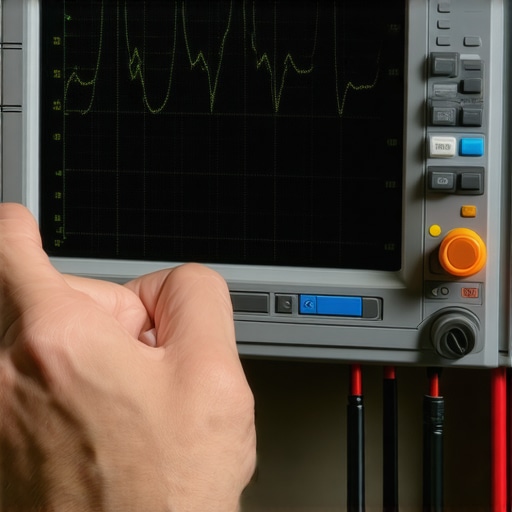
The Data Doesn’t Lie But Your Scanner Might
We are moving toward an era where ‘predictive maintenance’ will be the norm. Within the next decade, I predict every car will have a ‘digital twin’ in the cloud, where AI analyzes your real-time sensor data to tell you that a bearing is going to fail three weeks before it actually starts making noise. Until then, you have to be the AI. You have to notice when the real difference between full synthetic and blends affects your cold-start performance or why the truth about lifetime gearbox fluids is usually just a marketing ploy to keep service costs looking low on paper. Don’t be afraid to get your hands dirty and test things yourself. If you aren’t comfortable with a multimeter yet, you really need to how to spot an honest mechanic in yuma before you drop your keys who actually understands the nuance of electrical diagnostics. Here is my challenge to you: tonight, go out to your car with a flashlight and a wire brush. Clean your battery terminals and check the ground strap connected to the chassis. It is the most specific, high-impact maintenance task you can do to prevent those ghostly beeps from ever coming back. Trust me, your car’s ‘brain’ will thank you for the clean power.
The Hardest Lessons Modern Electronics Taught Me
After years under the hood, I’ve realized that a car’s computer is often a gossip—it tells you what it thinks happened, not necessarily the root cause. One of the biggest lightbulb moments in my career was discovering that ‘electrical noise’ is just as real as mechanical noise. A sensor might be perfectly fine, but if the wire running past it is poorly shielded or resting against a vibrating bracket, it creates interference. This is why you must always trust your eyes before your scanner. If you see a frayed wire, fix it, even if the computer says the system is ‘Green.’ Another lesson? Never assume a new part is a good part. In the era of cheap components, I’ve seen brand-new sensors fail right out of the box, leading techs on a wild goose chase. Always stay focused on the fundamentals to maximize your cars lifespan with regular tune-ups and avoid the trap of over-complicating a simple fix.
My Personal Troubleshooting Survival Kit
You don’t need a million-dollar shop to find these ghosts, but you do need the right mindset and a few specific tools. Here is what I keep in my own diagnostic bag:
- A Quality Digital Multimeter: This is your stethoscope for the electrical heart of the vehicle.
- Terminal Contact Cleaner: Before you replace a module, spray the connectors. You’d be shocked how often a little oxidation causes a ‘phantom’ chime.
- Baking Soda and Water: Use the trick to cleaning battery corrosion with baking soda and water to ensure your ground path is clear.
- A Dedicated Fuse Puller: Don’t use pliers; you’ll crack the plastic and make things worse.
#IMAGE_PLACEHOLDER_E#
If you’ve noticed why your dashboard lights dim when you idle, you already have the first clue that your electrical system is struggling. Keeping these tools handy means you can solve issues like how to fix a car door that wont lock with the remote in your own driveway rather than paying for a full-day diagnostic fee.
Reclaiming Your Sanity on the Road
Driving should be a time for focus or relaxation, not a battle against a beeping dashboard. By taking the time to inspect your grounds, clean your terminals, and listen to what your car is trying to tell you, you are doing more than just fixing a noise—you are preventing a future breakdown. If the sounds persist despite your best efforts, it might be time to look for the top signs your car needs expert auto repair now. There is no shame in calling in a pro when the CAN-bus data gets too deep, but knowing the ‘why’ behind the beep makes you a much more informed owner. Don’t let a ghost live in your machine; take control of your vehicle’s health and enjoy the silence of a well-maintained ride. Whether it’s a simple fix or a comprehensive car service, your peace of mind is worth the effort. Have you ever had a mystery beep that turned out to be something completely ridiculous? Let me know in the comments below!