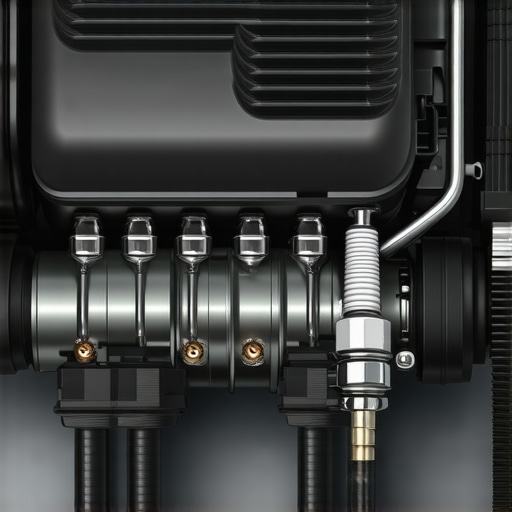
It was a gloomy Tuesday afternoon when I found myself stranded on the side of the road, engine stuttering like an old radio. That’s when I suddenly realized—I had installed my spark plugs incorrectly during my last tune-up. That lightbulb moment hit hard. Maybe you’ve been there too? The frustration of troubleshooting why your car suddenly runs rough despite seemingly perfect maintenance. Trust me, I’ve learned the hard way that improper spark plug installation isn’t just a minor hiccup; it can lead to serious performance issues and expensive repairs.
Why Ignoring Spark Plug Installation Mistakes Can Cost You Dearly
If your car isn’t running smoothly, the culprit could be something as simple as your spark plugs. But more often than not, incorrect installation can cause more than just a rough idle. It can affect fuel efficiency, cause engine misfires, or even lead to damage in your ignition system. I’d recommend everyone check their spark plugs if you notice sluggish acceleration or unexplained engine vibrations. Early detection can save a lot of hassle and money, and it’s easier than you think to identify if installation was the problem.
Could My Poor Car Performance Be Due to Wrong Spark Plug Placement?
Absolutely! A mistake I made early on was not verifying the torque specs for my spark plugs. Over-tightening or under-tightening can cause leaks or misfires, respectively. These errors highlight the importance of following the proper installation procedures, which I learned the hard way. Proper torque settings ensure a tight seal and optimal performance, and you can find these specifications in your vehicle’s manual or consult an expert. If you’re unsure whether your spark plugs were installed correctly, don’t hesitate to reach out through our contact page. Addressing this now can prevent further damage down the line.
Having recognized the importance of correct spark plug installation, let’s look at the top signs indicating your plugs might be wrongly installed. Ready to troubleshoot your engine and get back on the road? Keep reading, because I’ll show you exactly what to watch for and how to fix these issues before they snowball into costly repairs.
Remove the Old Spark Plugs Carefully
Start by disconnecting the negative terminal of your car battery to prevent any electrical accidents. Locate the ignition coils or spark plug wires, depending on your vehicle’s design. Gently yank off the wires or coils, noting their positions for reassembly. Use a spark plug socket and ratchet to loosen the old plugs, turning counter-clockwise. I once hurried and used a wrench, stripping a thread—lesson learned: patience is key here.
Prepare Your Spark Plugs Before Installation
Inspect the new spark plugs to ensure they match your vehicle’s specifications. Check the gap using a feeler gauge; for example, my Honda required a .044-inch gap. If it’s off, carefully bend the side electrode to adjust. Applying anti-seize compound on the threads helps prevent future removal issues. Remember, over-application can seize your plugs, so a light coat is sufficient.
Properly Torque the Spark Plugs
This step is critical—you need to tighten the plugs to your car manufacturer’s specified torque. Using a torque wrench, tighten until you hear a click or reach the recommended torque value in your manual. Over-tightening risks damaging the threads; under-tightening can cause leaks and misfires. I once failed to torque properly, leading to a misfire that required redoing the job. Precision here saves headaches later.
Apply a Sympathetic Torque Approach
Remember, it’s a bit like tuning a musical instrument—you want everything snug but not forced. Loosen, then tighten cautiously, ensuring you don’t cross the thread pitch or strip the head. This consistency ensures proper sealing and optimal spark delivery.
Reconnect and Test Your Engine
After all plugs are installed, reconnect the wires or coils, ensuring each is seated firmly. Reattach the negative battery terminal. Turn on your engine and listen—ideally, it should idle smoothly without misfires. If you notice rough running or rough idling, double-check the spark plug gaps and torque. Once, I missed a plug slightly loose, which caused a rough idle until I retightened it.
Check for Troubles and Final Adjustments
Drive your car gently and observe its performance. For additional assurance, use engine diagnostics if available. If you’re unsure about the installation process or want to check your vehicle’s overall health, consider consulting professionals through our contact page. Remember, regular tune-ups and maintenance help keep your car running at peak performance and prevent costly repairs down the line, as discussed in this guide.
Keep Your Engine Running Smoothly
By following these precise steps, you ensure your spark plugs function correctly, resulting in better fuel efficiency, smoother acceleration, and fewer engine problems. When in doubt, always verify your work and seek expert advice if necessary. Proper installation isn’t just a matter of routine; it’s about safeguarding your vehicle’s health and your safety on the road. Remember, a well-maintained engine is a happy engine.
Many car owners assume that basic maintenance or simple repairs can be handled with a quick DIY fix or by trusting common myths. But in my experience, there are nuanced pitfalls that even seasoned enthusiasts often overlook, leading to costly mistakes down the line. One widespread misconception is that changing transmission fluid is a straightforward task that doesn’t require attention to detail. In reality, improper fluid change procedures—like using the wrong type of fluid or neglecting to check for metal shavings—can accelerate wear or cause slipping issues. Experts recommend following manufacturer-specific procedures, as outlined in this detailed guide. A common trap is neglecting to address minor symptoms early. For example, ignoring slight transmission shuddering or delayed shifts can evolve into major failures, emphasizing the importance of prompt diagnosis. Advanced auto repair isn’t just about replacing parts but understanding the system’s subtleties. For instance, many drivers believe a tune-up is solely about replacing spark plugs; however, an optimal tune-up involves checking for vacuum leaks, sensor calibrations, and fluid conditions, which can drastically improve performance and fuel economy. This aligns with insights from automotive specialists who stress attention to the entire engine management system. Moreover, misconceptions persist around car service intervals—trusting a generic schedule without considering driving habits or environmental factors can result in premature wear. Regular checkups, as discussed in this comprehensive resource, are crucial to catching evolving issues early. One tricky area is transmission overhaul decisions. Many think it’s an expense to avoid until breakdown, but in reality, a well-timed overhaul can be more cost-effective than incremental repairs. As explained in this article, preventative measures and understanding internal transmission conditions can save you thousands over the vehicle’s lifespan. Always remember, the key is not just to follow routine maintenance but to understand the *why* behind each step. Doing so prevents missteps that can jeopardize your safety and budget. If you’ve ever fallen into this trap or have questions about your car’s needs, check out our contact page for expert advice. Making informed decisions today ensures your vehicle remains reliable and efficient tomorrow.
Investing in the Right Equipment for Long-Term Maintenance
When it comes to maintaining your vehicle, having the right tools isn’t just convenient—it’s essential for ensuring safety and efficiency. Personally, I swear by a high-quality torque wrench, like the Snap-on digital torque wrench. Precise torque application is critical, especially when installing components like spark plugs or tightening suspension bolts, because over-tightening can damage threads, and under-tightening may cause leaks or parts to loosen over time.
Another indispensable item is a reliable scan tool. I use the OBD2 scanner from Autel, which allows me to read error codes, monitor sensors, and clear warning lights without visiting the shop. This isn’t just about immediate troubleshooting; it helps me spot potential issues early, saving money and preventing breakdowns.
Refining Your Technique with Proven Methods
Beyond just tools, mastering specific methods makes a big difference. For example, during transmission maintenance, I follow manufacturer-specific procedures outlined in professional manuals. This ensures that fluid changes, filter replacements, and internal inspections are performed without jeopardizing the system’s integrity. Using a funnel with a flexible spout, I carefully refill transmission fluid to avoid spills and ensure the right level, which is crucial for smooth shifting and prolonged transmission life.
How do I maintain transmission health over time?
Consistent fluid checks, timely fluid replacements, and avoiding aggressive driving extend your transmission’s lifespan. If you notice slipping or delayed shifts, don’t ignore these signs; they can escalate into costly repairs. For ongoing health, I also recommend a periodic transmission flush—though it’s a procedure best performed following manufacturer guidelines, as detailed in this resource. This proactive approach keeps internal components well-lubricated and free of harmful deposits.
Automating Maintenance Processes and Future Trends
Advancements in automotive technology are making diagnostic and maintenance tasks easier. I recently invested in a Bluetooth-enabled OBD2 diagnostic device that connects to my smartphone, providing real-time data and maintenance alerts. These tools predict potential problems before they become critical, helping me plan repairs proactively. The future of auto maintenance points toward AI-driven diagnostics and robotics assisting with complex repairs, meaning DIYers like us can accomplish more at home. Embracing these innovations not only saves costs but also extends the lifespan of critical components.
Consistency Matters for Reliable Performance
Regular maintenance is key. Setting a schedule for inspections, fluid changes, and component replacements ensures your vehicle remains dependable. Incorporate detailed checklists—perhaps in a maintenance app—to track your progress. And always double-check your work; even a simple step like verifying torque settings can prevent a costly breakdown. Remember, the longevity of your vehicle depends on diligent, informed care.
Try integrating advanced tools like a professional-grade torque wrench or a comprehensive scan tool into your routine. For example, regularly checking and adjusting your transmission fluid with precision can dramatically improve shift quality and prevent deterioration. For detailed guidance on transmission care, consult this expert resource. Building good habits today will pay off with safer, smoother drives for years to come.
Ready to take your car maintenance to the next level? Use a high-precision torque wrench for your next spark plug or suspension bolt replacement—this small investment can prevent big issues down the line. Stay proactive, use the right tools, and keep your vehicle performing at its best.
What the Toughest Lessons Taught Me About Maintaining My Transmission and Car Service
One of the most valuable lessons I learned was the importance of patience and precision when working on critical components like the transmission or performing routine tune-ups. Rushing through a simple spark plug replacement or trimming corners during a fluid change can lead to bigger headaches later, such as costly repairs or safety issues. I’ve realized that quality work requires a little extra time and attention to detail, especially when applying torque or verifying sensor connections, as discussed in this comprehensive guide.
Another hard-earned insight is that trusting shortcuts or generic advice can backfire. For instance, neglecting manufacturer specifications for transmission fluid or ignoring early signs of wear often results in longer downtimes and expenses. It’s tempting to skip steps when busy, but I’ve found that following each step meticulously yields a smoother ride and prolongs your vehicle’s lifespan.
Lastly, I learned that the quality of your tools directly impacts your results. Investing in a calibrated torque wrench and a reliable scan tool saved me from multiple missteps, such as pretreating bolts improperly or missing an underlying sensor fault. These small investments make a big difference—more than just saving money, they provide peace of mind that your vehicle is getting the best care it deserves.
Gear Up for Success: My Favorite Resources and Tools
Over the years, I’ve come to rely on a few trusted resources for auto repair tips. The first is this guide on prolonging your vehicle’s life through regular tune-ups, which offers practical advice grounded in real-world experience. For diagnosing transmission issues, I highly recommend this detailed article—it demystifies complex repairs and highlights preventative strategies.
Tool-wise, my go-to is a quality torque wrench, as it ensures bolts like spark plugs and suspension components are tightened accurately. Pairing it with a dependable scan tool allows me to proactively catch warning signs before they become emergencies. These tools have helped me maintain my vehicle efficiently and confidently, reducing trips to the mechanic and increasing safety.
Your Next Step Towards Owning Your Auto Destiny
Remember, every repair or maintenance task carries an opportunity to learn and improve. By adopting a meticulous approach and leveraging reliable resources, you can prevent many common pitfalls in auto repair. Your vehicle isn’t just a machine—it’s a partner on your journeys, deserving of care and respect. So, take pride in your work, stay curious, and keep enhancing your skills—your car’s performance and your safety depend on it.
Have you ever overlooked a small detail that led to a bigger issue later? Share your story below and inspire others to avoid the same mistakes.