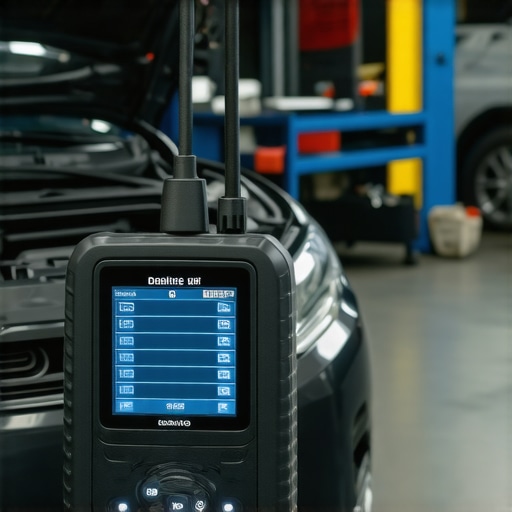
It was a chilly Saturday morning when I finally faced the dreaded check engine light blinking ominously on my dash. The feeling of dread hit me hard—none of my tools could tell me what was wrong, and I was debating whether to brave the local shop or risk guessing games with my car. That light was a wake-up call, whispering, “You can’t ignore me anymore.” Over the years, I’ve learned that the right diagnostic tool can save you countless hours and dollars, especially when you’re trying to figure out engine codes on your own.
Why a Simple Scanner Can Save Your Weekend—and Your Wallet
Whenever I work on my car, I ask myself a vital question: am I equipped to troubleshoot issues without immediately heading to the mechanic? Early missteps—like trying to fix things blind—cost me time, money, and patience. I remember when I first started diy repairs; I ignored an engine code, assuming it was just a minor glitch. Turns out, I was risking more damage. That’s when I discovered an affordable, reliable tool that changed everything: a dedicated OBD-II scanner. For around $20, I got the power to read engine trouble codes myself. Today, I’ll show you exactly why this tool is a game-changer.
Is this tiny gadget really worth the hype?
Honestly, I was skeptical at first. Could a small device really decode complex engine problems? My early mistake was thinking that I needed the most expensive scanner to get accurate readings. I bought a cheap one that barely worked. The key is to pick a model with good reviews and basics—something that reads codes clearly and quickly. Trusted sources, like Car and Driver, confirm that affordable OBD-II scanners are effective for most DIY repairs. If you’re tired of wandering in the dark when that warning light pops up, this little device might be your best investment.
Remember, diagnosis is the first step before any repair. Misreading or ignoring engine codes can lead to costly repairs down the line. Want to learn how this trusty tool can be your auto repair partner? Keep reading, and I’ll guide you through choosing the right scanner and using it effectively. If you’ve ever been stranded or uncertain about a warning light, you’ll find this information invaluable. Check out [our tips on safe summer drives](https://collisionfixer.com/essential-car-service-tips-for-safe-summer-drives) to keep your vehicle in top shape, and get ready to become your own mechanic with just a simple $20 gadget.
Start with the Right Device and Prepare Your Workspace
Before diving into diagnostics, ensure your OBD-II scanner is compatible with your vehicle. Clear a space in your garage or driveway—good lighting and a clean area make the job smoother. Gather basic tools like gloves, a flashlight, and your vehicle’s manual for quick reference.
Plug in and Read Engine Codes Accurately
Locate the OBD-II port, usually under the dashboard on the driver’s side. Connect your scanner securely, turn on the ignition without starting the engine, and power up the device. Navigate the menu to select ‘Read Codes’—most scanners will display a list of trouble codes. I once spent 30 minutes trying to interpret vague codes, but sticking to a scanner with a clear display saved me time.
For example, codes like P0300 indicate misfires, while P0171 points to a lean condition. Cross-reference these codes with your vehicle manual or online resources for clarity.
Understand What the Codes Mean and Prioritize Actions
Don’t just erase the codes—think of these as your car’s way of pointing out issues. If you see a P0420 code, for example, it relates to catalytic converter efficiency. Knowing this helps decide whether to attempt a repair or seek professional help. As a rule, address the most critical and common issues first, such as misfiring or sensor errors, which can cause further damage if ignored.
I remember fixing a misfire caused by a fouled spark plug after reading a P0302 code. Replacing the plug was straightforward, cost-effective, and immediately improved performance. For more complex issues, consult resources like top signs your car needs professional repair.
Clear Codes and Test Drive to Confirm Repair
Once repairs are made, use your scanner to clear the engine codes. Drive your car for a few miles to see if the warning light returns. If it stays off, you’ve likely addressed the problem. If it reappears, recheck the codes or consider professional diagnosis.
Remember, regular diagnostics can prevent minor issues from escalating. For ongoing maintenance tips, consider reading maximize your car’s lifespan with regular tune-ups. Always keep your scanner updated and your tools handy—this approach saves time and money and keeps you confident on the road.Many car owners believe they understand what it takes to keep their vehicles running smoothly, but in reality, misconceptions and overlooked nuances often lead to costly mistakes. One common myth is that a quick, inexpensive tune-up or replacing a few parts will fix all issues. However, experienced mechanics know that true auto maintenance involves a comprehensive approach—addressing underlying causes rather than just surface symptoms. For example, a simple spark plug change might seem straightforward, but if it’s a symptom of deeper engine timing issues, the problem persists. Overlooking this can cause repeated failures and engine damage.
Another widespread mistake is underestimating the importance of proper transmission care. Many drivers ignore transmission fluid levels or dismiss signs like slipping gears, assuming these issues will resolve on their own. In reality, neglecting transmission health can lead to extensive repairs or replacements, which are far more expensive than routine servicing. Regularly checking and changing transmission fluid, especially using proper techniques, is critical. For instance, seeing dark, burnt-smelling fluid during inspections signals the need for a service, which can prevent costly overhaul in the long run.
What do I need to know to avoid common pitfalls with modern car electronics?
Advanced automotive systems are becoming increasingly complex, integrating sensors, computers, and delicate wiring. A common trap is inaccurately diagnosing electronic issues, leading owners to replace parts unnecessarily. Relying solely on basic code readers can mislead you, as many modern codes are generic and mask deeper problems. Experts recommend using a sophisticated diagnostic toolkit or consulting professional services when dealing with intricate issues—especially if symptoms like engine hesitations or dashboard warning lights persist even after attempting basic fixes. Proper diagnostics can reveal issues like faulty sensors, bad wiring, or software glitches, which an amateur might overlook. Trusting experienced technicians prevents unnecessary replacements and ensures the problem is genuinely solved. To boost your understanding, check out how professional auto repairs, like those offered at CollisionFixer, emphasize accurate diagnostics before any repairs begin. Proper diagnostics combined with regular maintenance—like timely fluid changes and inspections—are the foundation of reliable car ownership. Regular check-ups and preventive care, including those suggested in our essential summer driving tips, help avoid unexpected breakdowns and extend your vehicle’s lifespan. So, next time you’re tempted to fix a symptom, ask yourself if you’re addressing the root cause. Remember, a proactive approach saves money and keeps you safe on the road. Have you ever fallen into this trap? Let me know in the comments.When it comes to keeping your car running smoothly over the years, investing in the right tools and establishing effective maintenance routines is crucial. Personally, I recommend starting with a high-quality OBD-II scanner that offers real-time data and customizable functions. Brands like Autel or BlueDriver have models that I trust because they provide detailed diagnostics and compatibility with most vehicles. These tools help me catch potential issues early, reducing costly repairs. Additionally, a good set of torque wrenches ensures that I apply the correct tension during replacements, preventing over-tightening or loose fittings. For cleaning and minor repairs, I keep a cordless electric grease gun; it’s a game-changer for maintaining the suspension and chassis components without the hassle of manual pistons.
In terms of software, I rely on repair databases like ALLDATA or Mitchell 1 for accurate wiring diagrams and service procedures. They streamline the troubleshooting process, especially for complex systems like transmissions or collision repairs. Using these resources regularly, I’ve managed to extend my vehicle’s lifespan and avoid unnecessary trips to the shop.
Looking ahead, I believe diagnostic technology will continue evolving into smarter, more integrated systems—think AI-powered tools that can predict failures before they happen. Embracing these advancements early can save time and money, particularly when scaling auto maintenance for a professional auto shop or dedicated hobbyist garage. For ongoing upkeep, following expert advice on routine services, such as those outlined in our summer driving tips, helps ensure long-term reliability.
How do I maintain my tools and systems over time? Regular calibration and updates are essential. For example, I update my diagnostic software monthly and send my torque wrenches for calibration annually. This ensures accuracy and prevents damage from improper tensioning. Never underestimate the significance of a well-maintained toolkit—it’s the backbone of effective auto repair and upkeep. If you’re interested in optimizing your maintenance routine, try using an ultra-precise digital torque wrench combined with a comprehensive diagnostics app; this duo offers unparalleled control and insight, saving you both time and money in the long run.
Lessons That Changed My Approach to Car Care
- One surprising lesson I learned is that sometimes, the most straightforward tools—like a basic OBD-II scanner—can prevent major headaches. Relying on these devices early helped me catch issues before they turned into costly repairs, saving both money and stress.
- Another insight was recognizing the importance of patience and thorough research. Instead of rushing into repairs based solely on codes, taking the time to understand what those codes meant prevented me from unnecessary part replacements or misguided fixes.
- I also discovered that mastering basic diagnostics builds confidence. Knowing how to interpret trouble codes empowers me to make informed decisions and communicate effectively with professional mechanics, turning me into a true partner in my car’s health.
Tools and Resources That Have Elevated My DIY Game
- BlueDriver Bluetooth Scanner: I trust this device because it offers detailed reports and live data, helping me understand my vehicle’s issues comprehensively. Its user-friendly interface makes diagnostics accessible for enthusiasts like me.
- Mitchell 1 Repair Database: This software provides accurate wiring diagrams and step-by-step repair procedures. It’s been invaluable when tackling complex systems, ensuring I follow proper protocols and avoid mistakes.
- Autel Maxisys Scanner: For more advanced diagnostics, this tool offers expandability and in-depth analysis, which has helped me diagnose tricky electronic issues that basic scanners can’t handle effectively.
Your Journey Starts Now—Don’t Hesitate to Make a Difference
Taking control of your auto repairs with a simple scanner and a curious mind can transform your relationship with your vehicle. Each step you take towards understanding your car enhances safety, saves money, and fosters independence. Remember, the road to confident DIY car maintenance begins with small, informed actions—so gear up and start today! Have you ever tried diagnosing your car yourself? Share your experiences below and keep the conversation going.