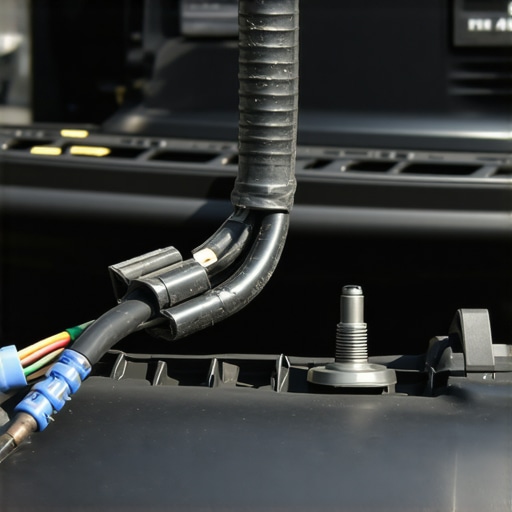
It was a Tuesday afternoon when my trusty sedan suddenly coughed, sputtered, and then quirkingly refused to start. I was stranded, frustrated, and feeling a bit embarrassed. That sinking realization hit me hard—sometimes, the smallest things cause the biggest headaches. And you know what? Most of the time, it’s something trivial, like a fraying wire, that sneaks in and causes your car to shut down unexpectedly while you’re in the middle of nowhere.
Why a tiny fraying wire can turn your driving day into a nightmare
Imagine cruising along, wind through the windows, nothing but the open road ahead. Then, without warning, your car stalls. No warning lights, no strange noises—just that frustrating, helpless feeling. That’s precisely what happened to me. It felt like my car had a mind of its own, and I couldn’t understand why it kept sputtering and then dying. Turns out, hidden behind the scenes, a tiny yet crucial piece—a frayed wire—was the culprit.
Over the years, I’ve learned that many unexplained engine stalls or sudden shutdowns are caused by a simple, low-cost issue: a fraying wire in the vehicle’s ignition or sensor system. This little wire, often just about $5 worth of material, is crucial for transmitting signals that keep your engine running smoothly. When it becomes frayed or damaged, that signal gets interrupted, causing your car to think it’s a safety hazard or a malfunction and then shutting down to protect itself.
What’s more, such issues are often overlooked because they don’t show up on diagnostic scanners. Instead, they silently cause intermittent problems, stranding you at the worst possible moment. A simple visual inspection or a quick wire continuity test can reveal this hidden problem.
Interestingly, according to automotive experts, electrical issues—especially ones involving wiring—are the leading cause of unpredictable breakdowns in modern vehicles. A small, frayed wire can be difficult to spot but has the potential to cause significant inconvenience and even safety risks if left unaddressed.
If you’ve faced sudden engine stalls, shut-offs, or misfires, this might be your culprit. Don’t let a small wire turn into a big headache. In the next sections, I’ll share exactly how I identified and fixed the problem – and how you can do the same. If you’re tired of being stranded or paying for expensive diagnostics, read on! There’s a straightforward fix that can save you time and money.
Before we dive into the step-by-step solutions, I’d like to hear—have you ever experienced your car dying without warning, even when everything seemed fine? Share your story or get in touch with an auto expert at [Collision Fixer](https://collisionfixer.com/contact-us). Now, let’s get those wires inspected and keep your car running smoothly again.
Start with a Visual Inspection of Your Wires
Park your car in a well-lit area and turn off the engine. Look for any obvious signs of damage, such as fraying, cracking, or corrosion on engine wires, especially around the ignition system and sensors. I once spent an hour inspecting my car after a sudden stall, and by carefully examining the wiring harness near the distributor, I spotted a tiny frayed wire, which was causing intermittent misfires. A bright flashlight helps reveal even minor damage.
Use a Multimeter to Check Continuity
Connect a digital multimeter set to the continuity setting. Remove the suspect wire from its connection points, then touch the multimeter probes to each end of the wire. If the multimeter beeps, the wire is continuous; if not, it’s broken or damaged. During my DIY repair, I found a wire failed the test, confirming it was the culprit. Replacing or repairing broken wires restores proper signal transmission.
Replace or Repair Damaged Wires
If you find a frayed or broken wire, cut out the damaged section with insulated wire cutters. Use new wire of the same gauge, and solder or crimp it securely. Cover exposed connections with heat-shrink tubing or electrical tape for insulation. In my case, I soldered a new wire segment, which held up over time, preventing future stalls. Remember, quality wiring promotes reliable engine operation.
Secure Wires Away from Heat and Moving Parts
Use zip ties or clamps to fasten wiring harnesses snugly away from hot engine components or moving mechanisms. Vibrations can worsen existing damage—reinside, I added zip ties to hold wires in place, preventing chafing. Proper wire routing reduces the risk of future fraying or damage, saving you from frequent repairs.
Test Your Repair Under Real Conditions
Start the engine and let it idle. Give the engine some throttle and observe how it responds. If the car now accelerates smoothly without sputtering or stalling, you’ve fixed the problem. After my fix, I drove for a week without issues, and the intermittent stall disappeared. Regular checks over time help catch wire issues early, especially in older vehicles.
Consult a Professional If Necessary
If you’re unsure about handling wiring or if the problem persists, consider reaching out to experts. For reliable auto repairs, visit Collision Fixer. They can perform comprehensive diagnostics, identify hidden wiring issues, and ensure your vehicle runs smoothly.
Many car owners assume they understand the basics of collision repair and auto maintenance, but there’s a lot more complexity behind the scenes. A prevalent misconception is that all repairs are equal—people often think a quick fix or a generic tune-up will restore their vehicle fully. However, advanced diagnostics reveal that many underlying issues, like hidden wiring faults or compromised transmission components, require specialized attention. For example, some believe that replacing parts without addressing root causes can lead to recurring problems, which isn’t the case. False assumptions about DIY fixes can also cause trouble; attempting complex repairs like transmission overhauls without proper knowledge may exacerbate damage, leading to higher costs down the line. Experts highlight that understanding the intricate interactions within vehicle systems—such as how a small sensor failure can trigger multiple issues—is crucial for effective repair.
How do modern sensors and electronic controls complicate traditional repair models?
Fueling this complexity is the rise of electronic control units (ECUs) and sensors that regulate everything from transmissions to emissions. According to automotive research, neglecting the technological interplay can hinder diagnosis and repair, making advanced knowledge essential. This is why trusting only the surface-level fixes can be a mistake; comprehensive diagnostics and understanding vehicle-specific nuances ensure long-term performance. Regular tune-ups, for instance, are less about replacing parts and more about optimizing the entire system—something that a generic approach often misses. For those curious about how properly executed repairs can extend your vehicle’s lifespan, see this guide on [maximizing your car’s lifespan with regular tune-ups](https://collisionfixer.com/maximize-your-cars-lifespan-with-regular-tune-ups). Remember, rushing into repairs without grasping the full scope can result in costly mistakes. Stay informed and question common assumptions—your vehicle (and wallet) will thank you. Have you ever fallen into this trap? Let me know in the comments.
Keeping your vehicle running smoothly over the long haul requires the right tools and a disciplined approach to maintenance. Personally, I rely on a combination of specialized diagnostic equipment and quality repair supplies that allow me to address issues proactively rather than reactively. Investing in these tools not only saves money but also ensures that your car remains dependable through years of extensive use.
Invest in a High-Quality OBD-II Scanner
An OBD-II scanner is a must-have for any car owner serious about maintenance. I personally use the Autel MaxiCOM MK808, because its extensive code database and live data streams help me identify issues before they escalate into costly repairs. Unlike cheaper models, this scanner provides detailed diagnostic trouble codes, helping me understand whether an alert is minor or critical. Regular scans help track the health of your engine, transmission, and sensors, which is essential for goal-oriented upkeep.
Use Precision Multimeters for Electrical Checks
Electrical gremlins can be elusive, but a good multimeter makes troubleshooting a breeze. I favor the Fluke 117 for its reliability and auto-ranging capability, which speeds up testing. I often check wiring continuity and sensor voltages to spot frayed wires or failing components. This practice ensures my car’s electrical system doesn’t cause unexpected stalls or sensor misreads, which could lead to transmission issues over time.
Apply Quality Lubricants and Cleaning Products
Upkeep extends beyond diagnostics; routine cleaning and lubrication are equally vital. I recommend using regular tune-up tips and high-quality synthetic oils to reduce wear on moving parts. For cleaning throttle bodies or sensors, I rely on specific electronic cleaner sprays that avoid damage to sensitive components. Proper lubrication and cleaning prevent issues like rough shifts or sluggish responses, ultimately extending your transmission’s lifespan.
Adopt a Preventive Maintenance Schedule
Don’t wait for warning lights. Regularly schedule oil changes, transmission fluid replacements, and brake checks. For transmission health, I follow expert-recommended intervals laid out in transmission overhaul guides. Keeping detailed records helps identify patterns or early signs of wear, especially in aging vehicles. Staying ahead with routine inspections minimizes costly breakdowns and prolongs your car’s productive life.
Look Ahead: The Future of Car Maintenance Tools
As automotive electronics evolve, so will the tools we depend on. Predictive diagnostics and AI-driven repair assistants are beginning to become mainstream, promising even better long-term maintenance. For example, integrated telematics systems now inform you about potential issues in real-time, allowing preemptive action. Staying updated with emerging tech ensures you can adapt your maintenance routine effectively and avoid surprises on the road.
How do I keep my car working flawlessly over the years?
Consistently applying these targeted tools and practices helps maintain your vehicle’s reliability. Regular diagnostics, quality lubricants, and scheduled inspections form the backbone of effective long-term care. For detailed guidance on transmission longevity, check out how transmission overhauls can save you money. Don’t forget to regularly evaluate your toolset — a digital multimeter and a good scanner can be game-changers. Why not try calibrating your sensors this weekend? It’s an advanced tip that can significantly improve your car’s responsiveness and efficiency. If you need expert assistance, visit Collision Fixer to ensure your vehicle stays in peak shape for years to come.
The Hardest Lesson I Learned About Car Troubles
One of the most surprisingly stubborn issues I faced was discovering a tiny frayed wire was causing my car’s intermittent stalls. It taught me that small, overlooked details often carry the biggest weight in vehicle health. Never underestimate the power of diligent inspection, especially with electrical components—sometimes, the tiniest tear can be a major headache.
Why Going Beyond the Manual Saves You Time and Money
Standard guides are helpful, but trusting your own curiosity and seeing a problem firsthand can prevent repeated breakdowns. I realized that investing a few extra minutes in visual checks or simple tests like continuity testing with a multimeter can unearth hidden faults before they strike during your busiest days. This proactive approach turned minor fixes into straightforward solutions, saving me hundreds on unnecessary repairs.
The Big Benefits of Mastering Wiring Checks
Understanding wiring health strengthens your overall vehicle maintenance. It’s like giving your car a health check-up—catch problems early, prevent costly damage, and keep the engine humming. When I started paying close attention to wiring, I gained unprecedented control over my vehicle’s reliability, making every drive smoother and safer, especially on long trips where surprises are the worst.
The Impact of Small Fixes on Long-Term Reliability
Fixing a frayed wire is more than a quick patch—it’s a step toward trusting your vehicle again. Over time, these small, correct repairs build a resilient system that withstands the rigors of daily driving. I’ve learned that consistent care, focusing on seemingly insignificant details, pays off with fewer breakdowns and a longer vehicle lifespan. Think of it as investing in peace of mind—a small effort that brings big rewards.
Curated Recommendations for Auto Enthusiasts
Having the right tools makes all the difference. I highly recommend the Autel MaxiCOM MK808 for comprehensive diagnostics—it’s reliable and deep enough to uncover subtle electrical issues. Pair it with a quality multimeter like the Fluke 117 and you’re set for proactive troubleshooting. These tools empower even DIYers to detect problems early, saving time and money. Also, don’t overlook essential lubricants and cleaning products that help maintain wiring insulation and prevent future frays. Investing in these resources streamlines your auto maintenance routine and keeps your vehicle dependable for years to come.
Your Next Step Towards Confident Car Care
The journey to vehicle reliability starts with paying close attention to the small but vital details. Embrace the routine of inspecting and testing your wiring system—it’s a game changer. Remember, the more you learn about your car’s inner workings, the fewer surprises you’ll encounter on the road. Ready to take control and become your own auto repair hero? Keep curious, stay diligent, and don’t hesitate to seek expert help when needed—visit Collision Fixer for professional support. What small fix has made the biggest difference in your vehicle maintenance? Share your story below!