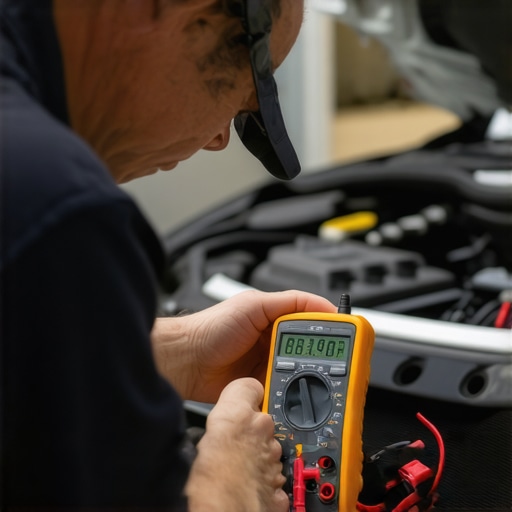
Ever been stranded on the side of the road, wondering why your car just wouldn’t start, especially during those chilly mornings or after a long drive? That frustrating moment when your vehicle’s electrical system acts up can really throw a wrench in your day. I remember the first time I faced this: my car flickered, then died completely, leaving me scratching my head. It was only later I learned that a failing alternator was the culprit, but by then, I was already late for an appointment and feeling pretty stranded.
Why Checking Your Alternator Should Be Part of Your Routine
Let me tell you, diagnosing a bad alternator isn’t as complicated as many make it out to be. In fact, with just a basic multimeter—something you probably already own—you can catch early signs of alternator trouble before it leaves you completely stranded. This knowledge not only saves you time and cash but also enhances your confidence in handling minor auto issues. After all, your car’s battery won’t last forever, and sometimes, it’s the alternator that’s secretly under the weather, quietly failing and causing all sorts of electrical gremlins.
Is Testing an Alternator Actually Worth the Hype?
I used to think that only seasoned mechanics could handle diagnosing alternators, but I quickly realized my mistake early on. I once skipped this simple step, and it cost me a lot more in repairs down the line. Properly testing your alternator ensures you’re not just chasing dead batteries or replacing them unnecessarily. Plus, avoiding breakdowns keeps you safe and prevents those unwanted towing fees. For a more comprehensive look at maintaining your vehicle’s critical systems, I recommend checking out this helpful guide.
Now, let’s get into how you can use your multimeter to perform this quick test at home. Trust me, once you’ve mastered this, you’ll never have to wonder why your car is acting up again. Ready to become your own mechanic? Let’s dive into the simple steps to diagnose that sneaky alternator before it leaves you stranded again.
Prepare Your Vehicle for Testing
Start by safely parking your car on a level surface and engaging the parking brake. Turn off all electrical accessories, such as lights and the radio, to ensure accurate readings. Open the hood and locate the battery and alternator; these are the key components you’ll be working with. Remove any plastic covers if necessary to access the terminals.
Set Up Your Multimeter Correctly
Use a digital multimeter set to DC voltage, ideally in the 20V range. This setting allows you to measure the battery’s voltage and verify the alternator’s output. Before testing, ensure the multimeter’s probes are properly connected: black to COM (common) and red to VΩmA (voltage). Practice handling the probes carefully to avoid accidental shorts.
Test the Battery Voltage
Connect the multimeter probes to the battery terminals—red to positive (+) and black to negative (−). With the engine off, your reading should be around 12.6 volts for a fully charged battery. I once tested my battery after a long trip, and the voltage hovered at 12.4 volts, indicating a slightly discharged state, which prompted me to replace my battery soon after.
Start the Engine to Measure Alternator Output
Start your vehicle and observe the multimeter reading. A healthy alternator should produce between 13.8 and 14.8 volts. If the voltage is below this range, your alternator may be failing. For example, I once noticed my reading was only 13.2 volts, which led me to suspect the alternator before I faced complete power loss on the highway.
Check the Voltage During Electrical Load
Turn on headlights, air conditioning, and other electrical accessories to put load on the system. Keep the engine running and observe the multimeter. The voltage should stay within 13.8 to 14.8 volts; significant drops indicate a weak alternator. I tested this during a hot summer day, and the voltage dipped to 13.4 volts when all accessories were on, confirming my alternator was on its way out.
Inspect Connections and Belts for Issues
Examine wiring connections to the alternator for corrosion, looseness, or damage. Ensure the drive belt is tight and not slipping; a loose belt can cause low voltage output. I once fixed a slipping belt that had become frayed, which immediately restored proper charging. Proper maintenance of these components prevents unnecessary replacements and keeps your electrical system running smoothly.
Interpreting Your Results
If your multimeter shows less than 13.8 volts with the engine running, or if the voltage drops significantly under load, it’s time to consider replacing or repairing your alternator. Conducting this test regularly, especially if your car shows signs of electrical issues, can save you money and prevent unexpected breakdowns. Regular checks serve as a frontline defense, much like preemptive maintenance for safer drives.
Additional Tips for Accurate Testing
Always perform tests with the engine at idle and after revving to around 2000 RPM to observe how the voltage changes under different conditions. Remember, sudden drops or inconsistent readings indicate potential problems. Over time, these diagnostic steps build your confidence to troubleshoot minor issues yourself, much like how understanding transmission overhauls can save money.
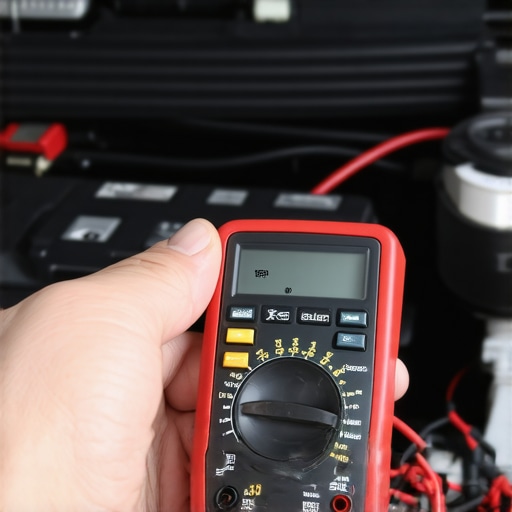 }Many car owners believe that basic service routines, like oil changes and filter replacements, are sufficient for vehicle longevity. However, the hidden nuances in auto repair reveal that overlooking details like transmission maintenance or proper tune-up procedures can lead to costly repairs down the line. For instance, some assume that a simple fluid top-up is enough, but studies show that neglecting regular transmission flushes can cause significant damage over time. This misconception often results from a lack of understanding about how interconnected vehicle systems truly are.
A common myth is that professional auto repairs always guarantee quality, yet many shops may cut corners if you’re unaware of what to look for. For example, a poor-quality sealant or subpar parts replacement can cause rework and expenses that could have been avoided with proper knowledge. It’s essential to ask technicians about their methods, especially for critical components like the transmission system or timing belts.
From my experience, one of the biggest pitfalls is ignoring the importance of a comprehensive tune-up. Many drivers believe that once a car runs smoothly, further maintenance isn’t necessary. But in reality, regular tune-ups optimize engine performance, improve fuel efficiency, and prevent minor issues from escalating. You can learn more about maximizing your car’s lifespan through consistent tune-ups by visiting this resource.
So, what about the advanced questions that often trouble seasoned DIYers? One frequent concern is whether advanced diagnostics are worth performing without specialized tools. The truth is, modern vehicles use intricate electronic systems that communicate via modules and sensors. A simple scan with a basic code reader might not reveal all underlying issues. As experts explain, investing in comprehensive diagnostic tools can save money and time—underscoring that superficial inspections might miss hidden problems, especially with complex systems like transmissions or fuel injection. This perspective aligns with findings from automotive researchers emphasizing diagnostic accuracy for longevity and safety.
Have you ever fallen into this trap of underestimating the importance of detailed diagnostics or overlooked the subtleties of professional auto repair? Let me know in the comments. Remember, understanding these nuances helps prevent costly repairs and keeps your vehicle running smoothly for years to come.
Invest in Precision: Tools That Make a Difference
When it comes to keeping your vehicle in top shape, quality tools are non-negotiable. I personally rely on a high-accuracy digital multimeter, like the Fluke 117, because its precision ensures accurate readings, which is crucial when diagnosing alternator issues or checking battery health. Additionally, a sturdy set of automotive-specific wrenches, like the GearWrench metric set, allows me to access tight spots without slipping or stripping bolts, saving time on each repair session. For transmission diagnostics, I use an OBD-II scanner such as the Autel MaxiCOM, which provides detailed error codes and live data to identify hidden problems that generic code readers might miss.
Why a Good Diagnostic Software Is a Game Changer
Advanced software like the Snap-on Verus Pro has revolutionized my approach to auto repair. It not only pulls comprehensive system reports but also suggests possible causes and solutions. This targeted information accelerates repairs and prevents unnecessary part replacements. As vehicle electronics become more complex, investing in top-tier diagnostic tools ensures you stay ahead of potential issues, especially with systems like transmissions that are sensitive to minor sensor failures. To put this into context, knowing how to interpret transmission error codes can prevent costly overhauls, as explained in this detailed guide.
Long-Term Maintenance: Guard Your Investment
Consistent maintenance, such as regular fluid changes and belt inspections, extends your vehicle’s lifespan. I schedule transmission flushes every 30,000 miles, following OEM recommendations, to prevent buildup that can cause shifting problems or complete failure. Using the right grade of oil and filters is equally vital; synthetic transmission fluid, for example, offers better thermal stability, reducing wear and tear over time. Remember, routine checks for corrosion, especially on battery terminals and electrical connectors, can prevent unexpected breakdowns. For more comprehensive insights, visit this essential guide.
Scaling Your Maintenance Routine for Longevity
As your vehicle ages, proactive upgrades like replacing worn belts or updating software can avoid major repairs. For instance, updating your vehicle’s ECU firmware through certified technicians can enhance performance and efficiency without invasive procedures. Moreover, keeping an eye on their trending diagnostic tools, such as the upcoming integration of AI-powered analysis, promises even better predictive maintenance in the future. Starting with a systematic approach—regular diagnostics combined with preventative parts replacements—turns your car into a reliable companion, not a source of stress. Remember, staying ahead with tools like the Autel scanner can dramatically reduce downtime and repair costs, making your auto repair experience smoother and more predictable.
How Do I Keep My Car Running Smoothly Over Time?
Routine checks are your best defense. Regularly testing your alternator with a multimeter, particularly after long drives or during seasonal changes, helps catch issues early. Also, leveraging software solutions for diagnostic scans ensures that no warning lights or error codes go unnoticed, enabling timely interventions. Advanced preventive measures, such as replacing transmission fluid based on diagnostic readings rather than just schedules, can save hundreds in future repairs. As vehicle technology continues to evolve, adopting these high-precision tools and proactive habits positions you as your car’s best caretaker. I encourage you to try performing a comprehensive alternator voltage test today—it’s simple, quick, and can save you from sudden breakdowns. For detailed guidance on this procedure, visit this resource.
As we wrap up this journey through the nuances of auto repair, I’ve come to realize that the most valuable lessons aren’t always the obvious ones. There’s a unique satisfaction in knowing that simple diagnostic tools, like a multimeter, can save you from unexpected breakdowns, empowering you to take control of your vehicle’s health. Over the years, I’ve learned that understanding your car’s systems — especially something as critical as the alternator — can transform your maintenance routine from reactive to proactive. Sharing these insights aims to help you avoid pitfalls and discover the peace of mind that comes with being informed.
The Hard-Earned Wisdom About Car Maintenance
- Never underestimate the power of a quick check: Regularly testing your alternator with a multimeter isn’t just for mechanics; it’s a simple step that can prevent costly repairs. I once caught a failing alternator early, saving me hundreds. This small investment of time pays off tremendously.
- Listening to your vehicle’s signals: Warning lights, fluctuating battery voltage, or strange electrical behavior often hint at deeper issues. Trusting your instincts and performing timely checks keep minor problems from becoming major headaches.
- Routine maintenance is your best friend: Consistent oil changes, belt inspections, and transmission fluid replacements extend your car’s lifespan. Remember, a well-maintained transmission can avoid unpredictable failures that leave you stranded.
- Quality tools make the difference: Investing in reliable diagnostic equipment like the Fluke multimeter or Autel scanner equips you with the means to troubleshoot effectively. These tools demystify complex systems and give you confidence in your DIY repairs.
Tools and Resources That Changed My Approach
- Essential maintenance guide: This resource helped me craft a proactive schedule that prevents breakdowns, especially during seasonal transitions.
- Transmission overhaul insights: Understanding the long-term benefits of routine transmission care has saved me from costly repairs.
- Routine tune-up tips: Regular tune-ups tailored to my car’s needs keep engine performance optimal and fuel efficiency high.
- DIY repair tricks: Small fixes like addressing a stuck power window remind me that many car issues are manageable with a bit of guidance.
Your Next Step Toward Smarter Car Care
Empower yourself by integrating these simple diagnostic practices into your routine. Testing your alternator isn’t just for mechanics; it’s a vital skill that can save you time, money, and stress. Remember, the road to reliable and worry-free driving starts with knowledge. So, why not perform a quick alternator check today and see the difference it makes in your confidence behind the wheel? Have you ever caught an early sign of trouble with a simple test? Share your stories below—I’d love to hear about your experiences and tips to keep our vehicles running smoothly for years to come.
,