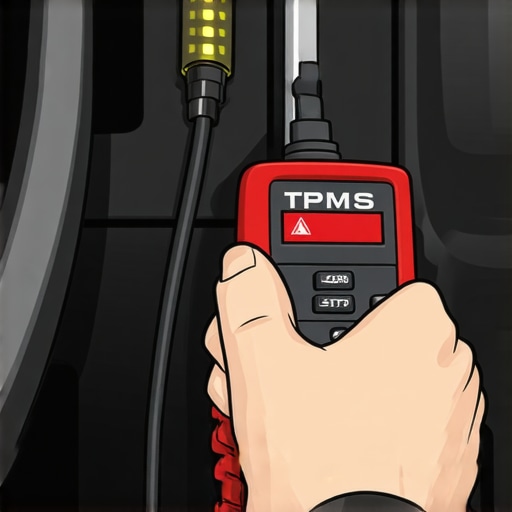
Have you ever been mid-road trip and noticed that annoying TPMS (Tire Pressure Monitoring System) light blinking on your dashboard? I remember the first time this happened to me—I was about to head out for a weekend getaway, only to be greeted by that persistent warning light. My initial reaction was panic; I thought I might be forced into a costly dealership visit just to clear a simple glitch. Turns out, my frustration was justified, but the solution was much simpler than I expected.
Why Your TPMS Light Puts You in a Rut and How to Get It Off on Your Own
Many drivers don’t realize that the TPMS light isn’t just there to nag you. It’s a crucial safety feature that alerts you when tire pressures drop below safe levels—something that can save you from blowouts or poor fuel efficiency. But what if the light stays on after you’ve checked and corrected your tire pressures? That’s when a frustrating cycle begins: you’re worried about safety, but also annoyed by the flashing light that just won’t quit. Luckily, I’ve discovered the secret: you don’t have to make that dealer appointment or fork over extra cash for a simple reset. Today, I’m going to walk you through exactly how to do it yourself, saving both time and money.
Skeptical about DIY resets? I was too—and I made some mistakes early on
Initially, I believed only professional mechanics could reset the TPMS, and I was hesitant to try. My first attempt was a total flop—I didn’t realize that some vehicles require a specific sequence or that certain models need a special procedure to reset the system effectively. That mistake cost me extra trips to the dealership and a lot of frustration. If you’re like I was, feeling unsure if this process is worth the effort, know this: with a little guidance, you can master it, and I’m here to share what I’ve learned along the way. Curious if your car actually responds well to a DIY reset? Keep reading, and I’ll cover all the tips you need to succeed.
Plus, it’s good to remember that sometimes the TPMS light is triggered by issues beyond just low tires. For example, a faulty sensor or a dead battery in the sensor can also set off the warning. For more detailed insights into other common auto problems, check out this helpful guide.
Now, let’s dive into the straightforward steps you can take right now to get that pesky warning off your dashboard without risking further trips to the mechanic.
Locate the TPMS Reset Button or Menu
Start by sitting in your driver’s seat with the ignition turned to the ‘ON’ position without starting the engine. Look for a small button labeled ‘Reset’ or a menu option in your vehicle’s infotainment system. On some cars, the reset function is hidden within the vehicle settings, so consult your owner’s manual if needed. During my own experience, I found a tiny button beneath the steering wheel, almost hidden behind a panel, which I had to pry open carefully with a flathead screwdriver.
Check and Correct Tire Pressures
Before proceeding with the reset, ensure all tires—including the spare—are inflated to the recommended pressure specified in your owner’s manual or on the sticker inside the driver’s door. Use a reliable tire pressure gauge; I learned this the hard way when I mistakenly overinflated one tire and then struggled with the reset process. Properly pressurized tires not only help turn off the warning but also improve safety and fuel economy. If low pressure was the actual cause of the warning, correcting it might be enough to clear the light without further steps.
Perform the Reset Procedure
Depending on your car model, the reset can be achieved by pressing and holding the reset button for a few seconds, or selecting the ‘Reset TPMS’ option in the menu. On my vehicle, holding down the button for 3 seconds triggered a blinking indicator, signaling the system was resetting. For models with a menu, navigate to ‘Vehicle Settings’ > ‘TPMS’ and select ‘Reset’.
When the System Doesn’t Reset Immediately
If, after following these steps, the warning light remains on, drive the car at speeds above 50 mph for about 10 minutes. This helps the system recalibrate, similar to how a collision repair shop like Collision Fixer ensures all car parts work harmoniously. Sometimes, sensors need a bit of road to realign themselves after a tire pressure correction or minor collision repairs.
Replace Faulty Sensors if Reset Fails
Persistent TPMS warnings can stem from faulty sensors or dead batteries in the sensors. If your reset attempts fail repeatedly, it might be time to have a professional inspect or replace the sensors. A common cause I encountered was a sensor battery dying unexpectedly, which requires specialized tools to replace. For insights into other common auto issues, check out this guide.
Verify the Reset
After completing the reset, turn off the ignition and start the engine. Confirm that the TPMS warning light has disappeared. If it remains, repeat the process or consult your vehicle’s manual for model-specific instructions. Remember, not all vehicles respond to a simple reset, and some might need a diagnostic scan to clear lingering faults—especially if sensors are damaged or the system has experienced a recent collision. For detailed repair options, consider reaching out to experts at Collision Fixer.
Many car owners harbor misconceptions about tune-ups, auto repairs, and specialized services like transmission overhauls or collision repairs. Let’s dig deeper into the nuanced truths behind these topics, debunking myths that could lead you astray and highlighting pitfalls that often catch even seasoned drivers off guard.
Why Not Every Car Issue Requires a Complete Overhaul
Conventional wisdom suggests that if your transmission shows signs of trouble, a full rebuild is inevitable. However, according to automotive experts, most transmission problems stem from simple issues like worn solenoids or dirty fluid that can be remedied with a proper diagnosis and targeted repairs. Overlooking less invasive fixes can lead to unnecessary expenses and time-consuming replacements. For instance, a clogged transmission filter can cause shuddering and slipping, but a fluid flush or solenoid replacement often suffices—preventing a costly overhaul. Educating yourself on these nuances can save significant money, as detailed in this guide.
The Hidden Trap of Routine “Tick-the-Box” Maintenance
Many drivers stick to a generic maintenance schedule, assuming that regular oil changes and tire rotations are all that’s needed. While essential, this oversimplification ignores critical systems like the cooling, braking, and electrical systems, which demand advanced attention. For example, neglecting the electric wiring can lead to mysterious electrical failures or phantom warning lights, costs that escalate if not diagnosed early. A common mistake is assuming that the absence of symptoms equates to no issues, which isn’t always true. Regular comprehensive inspections can identify vulnerabilities before they become costly problems, as explained in this article.
What’s the impact of ignoring subtle transmission signs in high-mileage cars?
Advanced drivers know that subtle shifts or slight delays can indicate imminent transmission failure. Ignoring these signs often leads to catastrophic failures that demand full system replacements. To avoid costly surprises, consider proactive measures like fluid analysis or diagnostic scans. For detailed insights, check out this deep dive.
Do Autoparts and Services Always Live Up to Their Promises?
It’s tempting to assume that all auto shops or aftermarket parts are created equal. Yet, some low-cost repairs or cheap parts may compromise safety and longevity. For instance, using substandard parts during a quick collision repair can result in misalignments or reduced crashworthiness. Similarly, a poorly executed tune-up may fix a perceived issue temporarily but fail to address underlying causes, leading to recurring problems. The key is understanding that quality matters—skimping on components or workmanship often costs more in the long run. To ensure reliable repairs, consult reputable experts at Collision Fixer.
Have you ever fallen into this trap? Let me know in the comments how you’ve navigated the complex world of auto repair, and stay vigilant against common misconceptions that can lead to unnecessary expenses or safety risks. Remember, a well-informed car owner is a safer and more economical driver.
Maintaining your vehicle’s optimal performance requires more than just basic know-how—it demands the right tools and methods to diagnose and address issues promptly. Over the years, I’ve refined my toolkit to include equipment that not only saves me money but also ensures safety and reliability on the road.
Investing in Precision Diagnostic Equipment
One of my top recommendations is a high-quality OBD-II scanner. Unlike basic code readers, my preferred device—the Autel MaxiCOM MK808—offers comprehensive diagnostic capabilities, including live data streams and active tests. This allows me to pinpoint issues like transmission faults or engine misfires with accuracy, often avoiding unnecessary repairs. When I suspect a problem, I connect the scanner to retrieve detailed trouble codes, such as those linked to faulty transmission solenoids. For a deeper dive, check out this guide that emphasizes diagnostic precision.
Specialized Tools for Transmission Tune-Ups
Transmission health is vital for smooth shifting and longevity. I rely on a hydraulic pressure tester—specifically, the Actron CP7600—to assess system pressures. This tool helps me verify if your transmission’s solenoids and pumps are functioning correctly, preventing costly overhauls. Regularly monitoring transmission fluid pressure ensures early detection of issues like slipping or shuddering, which can often be remedied with targeted repairs. To learn more, visit this resource.
Maintaining Battery and Electrical Systems
Reliable starting and electrical operation are critical. I swear by a digital multimeter—such as the Fluke 115—to measure voltage, test fuses, and diagnose wiring problems. It’s my go-to for quick checks, especially when my car shows signs of flickering lights or dashboard glitches. Conducting voltage tests on the battery and alternator can reveal weak spots before they cause breakdowns. For more advanced troubleshooting, consulting this article helps understand electrical issues that often mimic transmission problems.
Tools That Will Transform Your Maintenance Routine
Besides diagnostic gear, I also recommend a reliable set of hand tools—such as ratchets, sockets, and screwdrivers—that are ergonomically designed for ease of use. Keeping a digital torque wrench handy ensures I tighten components like wheel lug nuts and suspension bolts to precise specifications, preventing long-term issues. Additionally, a quality cleaning kit for sensors and connectors helps maintain optimal performance of systems like TPMS and EFI.
Looking Ahead: The Future of DIY Car Maintenance
The trend is moving toward smarter, more integrated diagnostic systems, with vehicle manufacturers embedding sensors that communicate directly with smartphone apps. As technology advances, expect to see more affordable tools capable of complex diagnostics, empowering car owners to maintain their vehicles proactively. Staying ahead of these developments means investing in adaptable, future-proof equipment now—like updating your OBD-II scanners regularly.
How do I keep my tools and methods effective over time?
Consistent calibration and proper care of your diagnostic devices are vital. Regularly updating software firmware, storing tools in a dry, clean environment, and following manufacturers’ maintenance guidelines will extend their lifespan and accuracy. And don’t forget to stay educated; reading manufacturer manuals and reputable auto repair blogs ensures you’re aware of any new techniques or tool updates. If you’re ready for a step further, try integrating this advanced tip: periodically perform a comprehensive scan of your vehicle’s systems using your OBD-II scanner to catch issues early and save significant repair costs, as discussed in this detailed overview.
Lessons from My Own Drive to Clarity
- One of the toughest lessons I learned was never to underestimate the complexity of simple systems like TPMS sensors. Early attempts to reset my system without proper knowledge only cost me more trips to the dealership. Now, I understand that patience and proper research save both time and money.
- Misdiagnosing issues can lead to unnecessary parts replacement. A faulty sensor might be the culprit behind tire pressure warnings, not always low pressure. Consulting trusted guides or professionals helps avoid costly mistakes and prolonged frustration.
- I realized that vehicle model MIGHT have specific reset procedures, which means always checking the owner’s manual or reputable auto repair resources before proceeding. This small step ensures successful resets and better system understanding.
Tools and Resources That Changed My Approach
- A high-quality OBD-II scanner like the Autel MaxiCOM MK808 has been invaluable for me. It not only reads trouble codes but provides live data, allowing me to identify issues beyond simple resets. Trust me, investing in good diagnostic tools pays off, especially when trying to understand complex auto systems.
- Premium tire pressure gauges matter. I prefer digital models for accuracy, which help me correctly inflate tires and ensure the TPMS system recognizes proper pressure. Correct pressure not only turns off warning lights but also enhances safety and fuel efficiency.
- For models that require specific reset sequences, online forums and manufacturer websites are goldmines of practical advice. They often reveal tricks that dealerships might not advertise openly.
Your Turn to Embrace Auto Repair Confidence
Understanding your vehicle’s systems and knowing how to troubleshoot common issues like a stubborn TPMS warning empowers you to save money and boost safety. Every successful reset or repair builds your confidence, transforming what once seemed daunting into a manageable task. Remember, informed drivers become better owners, ensuring their vehicles serve them reliably for years to come.
Have you ever struggled with resetting your TPMS or tackling a small auto repair? Share your experience below, and let’s learn from each other’s journeys toward automotive independence!