
Have you ever been stopped at a red light and felt that unsettling shudder run through your whole car? It’s an experience that can make your stomach tighten and your heart wonder if something’s seriously wrong. I remember the first time it happened to me—sitting there, engine idling, and suddenly my steering wheel trembled like a leaf in the wind. Immediately, I started imagining the worst: what if my transmission is slipping? Or worse, the engine is about to give out? Turns out, that common annoyance has a surprisingly simple cause, but it took me a lot of digging and trial-and-error to understand what was happening inside my vehicle.
Discovering the Real Culprit Behind Your Car’s Idle Shake
Getting to the bottom of why your car only shakes when stopped is crucial, not just for peace of mind but to prevent costly repairs down the road. That trembling isn’t just a random quirk; it’s often a sign your vehicle needs some urgent attention—especially if it’s been happening regularly. What I promise you today is that you won’t need to be a professional mechanic to understand the root cause. Together, we’ll uncover simple checks you can do yourself and point you toward the right steps to take. After all, ignoring this issue could lead to more serious problems like uneven tire wear, engine damage, or even complete breakdowns. So, buckle up and let’s get into what’s really going on when a car shakes only at those seemingly innocent moments.
Skeptical About Fixing Your Car Yourself? Don’t Worry, You’re Not Alone
My biggest mistake early on was assuming that such a specific issue required a costly visit to the mechanic right away. That was before I learned some key basics—like checking the engine’s idle control or inspecting the motor mounts. Trust me, I’ve been in your shoes. If you’re worried about messing things up further, remember that some of the most common causes are straightforward, and many can be addressed with simple tools and guidance. For more ideas on what to watch out for, you might want to explore our list of top signs your car needs expert auto repair. Now, grab a cup of coffee; we’re about to get into the practical steps to diagnose and fix that annoying shake.
Start with a Visual and Auditory Check
Before diving into complex diagnostics, observe your vehicle when it starts and while idling. Listen for odd noises like engine sputtering or irregular engine idling. Notice if the shaking worsens with engine temperature or accessories like AC. Remember, a parked and cooled engine can reveal different issues than a hot one. I once noticed my car’s shake intensified after a long drive, prompting me to check further. This initial step helps narrow down potential causes and sets the stage for targeted fixes.
Inspect Motor Mounts for Looseness or Damage
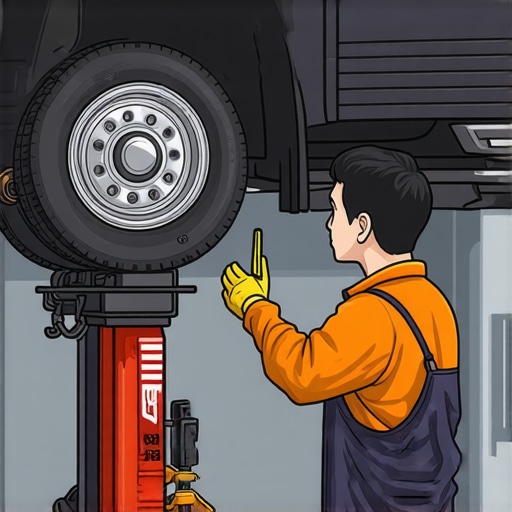
Motor mounts secure the engine to the chassis, absorbing vibrations. A worn or broken mount lets engine movements translate into shaking. To check, safely lift the car with a jack, support it securely, and look for cracked or damaged rubber or metal components. Use a pry bar to gently test for excessive movement. Once, I noticed a cracked mount during this inspection, which was causing excessive engine vibration at stops. Replacing damaged mounts restored smooth idling. If you’re unsure, learning how to spot a failed motor mount is straightforward and can save you from unnecessary repairs.
Test the Idle Control System
Your car’s idle speed is managed by the idle air control valve or motor. If obstructed or faulty, it causes rough idling or shaking. Locate the idle control valve—consult your vehicle manual—and remove it carefully. Clean with throttle body cleaner to remove carbon buildup. Be cautious to avoid damaging delicate components. My experience involved cleaning mine, which improved idle stability significantly. Regularly maintaining this part ensures your engine runs smoothly even at a standstill.
Check Spark Plugs and Ignition Components
Weak or misfiring spark plugs can cause engine vibrations during idling. Remove a spark plug wire, and inspect for corrosion or fouling. Use a spark plug socket to remove plugs, and examine their condition. Replace worn or fouled plugs promptly. I once found my spark plugs covered in soot, leading to rough idle and shaking. Swapping them out with new ones made a noticeable difference. Maintaining ignition components keeps the engine firing correctly, reducing vibrations and enhancing fuel efficiency.
Evaluate the Air Intake and Fuel System
Clogged filters or dirty fuel injectors compromise airflow and fuel delivery, causing rough idling. Start by replacing the engine air filter—it’s an easy and affordable step—then consider cleaning fuel injectors with a specialized cleaner. For stubborn deposits, professional cleaning or injector replacement might be necessary. In my case, replacing the air filter and adding injector cleaner improved idle smoothness. These simple steps prevent uneven combustion that can cause shaking.
Perform a Basic Transmission Check
Although less obvious, transmission issues, especially with the torque converter or fluid, can cause vibrations at stops. Check the transmission fluid level in accordance with your owner’s manual—generally with the engine running and at operating temperature. If fluid is dark, low, or foul-smelling, consider replacing it. For automatic transmissions, irregular shifting signs can also hint at internal problems, which may manifest as shaking. I once changed my transmission fluid, and the improvement in smoothness was noticeable during gear shifts and at idle. A clean transmission fluid can significantly reduce vibrations and prolong component lifespan.
Test and Replace Faulty Components
If after all these checks your car still shakes, consider replacing other common culprits like the throttle position sensor or mass airflow sensor, which influence engine management. Advanced diagnostics with a scan tool can identify error codes that point to these parts. For DIYers, start with the most accessible and affordable fixes first, and then move toward more complex repairs. Remember, many issues stem from simple wear-and-tear parts that are easy to replace with basic tools.
Recognize When to Seek Professional Help
If your troubleshooting efforts don’t resolve the shaking, or if you’re uncomfortable performing inspections yourself, it’s wise to consult a professional. Sometimes, deeper issues like transmission problems or engine misfires require expert diagnosis and repair. Visit our guide on signs your car needs professional help for more details. Timely intervention can save you money and prevent further damage, ensuring your vehicle stays reliable and safe.
 Many car owners operate under misconceptions that can lead to costly mistakes and missed opportunities for savings. One common myth is that all auto repairs are equally complicated and require a professional technician from the start. In reality, understanding the nuances of basic maintenance can prevent unnecessary trips to the shop and even extend your vehicle’s lifespan. For example, many assume that a transmission overhaul is always necessary when shifting issues arise, but in many cases, simple diagnostics and fluid changes can resolve the problem—saving you hundreds of dollars. Another misconception involves the importance of routine tune-ups. While some believe they are obsolete with modern cars, regular tune-ups—like inspecting spark plugs and filters—are vital for maintaining performance and fuel efficiency.
A crucial trap to avoid is neglecting the signs of wear on critical components such as motor mounts or ignition coils. Overlooking subtle symptoms can lead to more severe damages down the line. For example, a worn motor mount might seem insignificant initially but can cause excessive engine vibrations affecting comfort and safety—a fix that’s often overlooked until major damage occurs.
Let’s address a frequently asked question from advanced car enthusiasts: *Can neglecting minor maintenance prolong or shorten the life of my transmission?* Absolutely. According to automotive experts, failure to perform regular transmission fluid changes or ignoring subtle slipping signs often results in irreversible damage, requiring costly replacements down the line. Proper maintenance, including timely Fluid flushes and checks, can significantly extend transmission life, as highlighted in detailed guides on how transmission overhauls can save you money in the long run.
Moreover, many people forget that modern vehicles are equipped with complex sensors and computers that require precise calibration after repairs. An incorrect reset or misdiagnosis can cause lingering issues like rough shifting or poor fuel economy. Always ensure that diagnostic tools are used correctly, and consider consulting experienced professionals when in doubt.
In sum, debunking these myths and understanding advanced nuances empower you to make smarter decisions. Recognize the subtle signs of wear and always stay informed about the latest maintenance practices. After all, preventive care is your best defense against expensive repairs. Have you ever fallen into this trap? Let me know in the comments. For more insights, check out our comprehensive guide on how transmission overhauls save you money in the long run.
How Do I Maintain My Car Over Time?
Keeping your vehicle running smoothly requires more than occasional check-ups; it involves a combination of reliable tools, consistent maintenance routines, and understanding when to seek professional help. First, investing in high-quality diagnostic equipment is invaluable. I personally rely on an OBD-II scanner like the BlueDriver because it provides comprehensive readings and error codes that can alert you to issues before they become costly repairs. Regular inspections of critical components such as belts, hoses, and fluid levels—using simple tools like a flashlight, a mirror, and a digital thermometer—can dramatically extend your car’s lifespan.
For ongoing maintenance, I recommend setting a schedule based on your manufacturer’s guidelines. This includes oil and filter changes, coolant flushes, and transmission fluid replacements. For example, I follow the advice from this guide to stay ahead of transmission issues. Using quality products like synthetic oils and OEM filters ensures optimal performance and reduces wear. Additionally, routine cleaning of vital parts—like the throttle body or air filters—can prevent buildup that diminishes fuel efficiency and engine response.
I also implement a set of specialized tools for specific repairs. For instance, a brake caliper piston tool makes pad replacements safer and more precise. These tools save time and ensure safety, especially when working on delicate components. For headlight maintenance, I keep a kit of cleaning supplies like toothpaste and microfiber cloths to clear foggy lenses—an easy DIY improvement that boosts visibility.
Looking ahead, the trend in car maintenance points toward integrated diagnostics with smartphone connectivity and AI-powered sensors. This progress aims to make vehicle upkeep more intuitive and proactive—detecting issues before they impact safety. Embracing these innovations now, like installing telematics systems or advanced diagnostic scanners, prepares you for the future of automotive care.
What’s the Best Way to Keep My Car Performing Well Long-Term?
Those wondering how to maintain their vehicle’s reliability over years should focus on consistent preventive measures. Regularly scheduled tune-ups—such as checking and replacing spark plugs, inspecting belts, and testing battery health—are fundamental. For my own car, I use an OBD-II scanner regularly to monitor engine parameters. Additionally, keeping a detailed maintenance log helps track when components are due for service and can alert you to patterns indicating deeper issues.
Don’t underestimate the power of simple tools like a torque wrench or a multimeter. The latter, in particular, has been instrumental in diagnosing battery and alternator performance. For example, careful inspection of your battery terminals with a digital multimeter can preempt unexpected failures. Simple, consistent care like this can prevent many emergencies on the road.
Lastly, always remember the value of professional inspections. Even seasoned DIYers benefit from periodic expert assessments, ensuring that hidden issues aren’t overlooked. If you notice persistent symptoms, consult an experienced technician—sometimes a professional diagnosis can save thousands in repairs. You might consider scheduling a full vehicle health check before your next long road trip or seasonal change. For more information, explore our recommendations for maximizing your car’s lifespan with routine tune-ups. Ready to take your vehicle maintenance seriously? Try a diagnostic scan today to identify hidden issues—sometimes, the smallest tools make the biggest difference.
Lessons From the Pit: What I Wish I Knew About Car Troubles
- Trust your instincts—those subtle shakes often hide simple fixes like loose mounts or dirty filters, but ignoring them can lead to costly repairs down the line.
- Regular maintenance isn’t just routine; it’s your best defense against unexpected vibrations. Small checkups—like inspecting spark plugs or fluid levels—save money and hassle.
- Never underestimate the power of a DIY inspection. Many common causes of idle shake are easy to diagnose with basic tools and a bit of patience, empowering you to take charge of your vehicle’s health.
- Knowing when to call in a professional can prevent minor issues from becoming major headaches. Recognize the warning signs early, and you’ll keep your car running smoothly for years.
- Educating yourself helps sidestep myths and misconceptions—like believing only a mechanic can fix engine vibrations—making you a smarter and safer driver.
My Essential Toolbox for Auto Troubleshooting
- OBD-II Scanner (like BlueDriver): Critical for quick diagnostics and understanding error codes—my go-to for early problem detection.
- Basic Hand Tools (wrenches, screwdrivers): Perfect for inspecting mounts, filters, and loose fittings without needing to visit a shop.
- Throttle Body Cleaner: Keeps the idle control system running smoothly, reducing vibrations caused by carbon buildup.
- Good Quality Replacement Parts: Whether it’s spark plugs or motor mounts, using OEM or quality parts ensures durability and performance.
Your Turn to Take Action
Don’t let car shakes at a stop light shake your confidence in vehicle maintenance. Start with these simple checks, and remember—small maintenance steps can have a big impact on your vehicle’s longevity. Are you ready to become your own auto repair hero? Share your experiences or questions below, and let’s keep each other moving smoothly on the road!
,