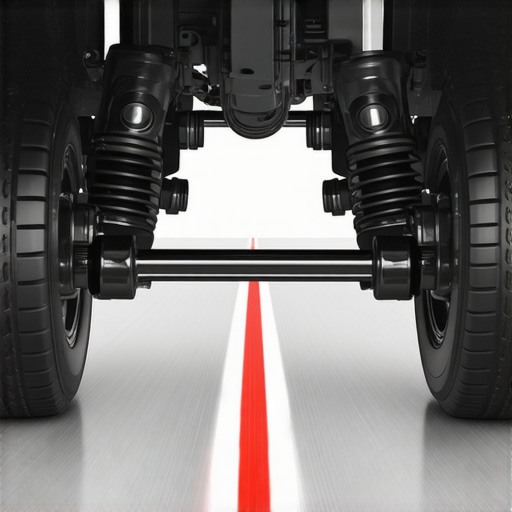
Have you ever been cruising down the highway when a sudden, unsettling squeak sneaks in every time you hit a bump? At first, I thought it was just the car’s way of saying it needed a new tune-up. But soon, that squeal turned into a rattling, and I started to wonder: Are my struts actually shot, or is this just noise? That moment of doubt can be nerve-wracking, especially when you rely on your vehicle for daily commutes or road trips. I remember the first time I brushed off the warning signs, only to find myself dealing with a bumpy ride and costly repairs later. It’s a lesson many of us learn the hard way—ignoring strange noises can lead to serious suspension problems.
Why It’s Crucial to Identify Your Struts’ Real Condition
Understanding whether your suspension is genuinely failing or just making noise is more than just a mechanic’s quirk. Your car’s health depends on it. Worn-out struts compromise your vehicle’s stability, steering, and braking. This isn’t just about comfort; it’s about safety. Properly diagnosing the issue can save you hundreds of dollars and prevent dangerous situations on the road. According to automotive experts, early detection of suspension issues can prolong your car’s lifespan significantly.
But here’s the catch—those noises can be deceptive. Sometimes a loose or worn-out strut makes a racket, but other times, it’s just a minor squeal caused by a bit of debris or a dry joint. Making the mistake of misdiagnosing can lead you down a costly repair path or, worse, a roadside emergency. I recall one mishap early in my car-owning days where I replaced what I thought was a bad strut, only to realize it was just a worn-out sway bar link. Lesson learned: identifying the root cause is key.
Is It Truly Worth the Hype to Replace Your Struts?
Many car owners are skeptical—does every squeak really mean a trip to the shop? Or is it just normal wear and tear? I once ignored a faint thumping, thinking it was something minor. Turns out, it was a blown strut. The truth is, ignoring subtle signs can lead to uneven tire wear, poor handling, and increased stopping distances. So, whenever in doubt, better to be safe than sorry. These issues don’t just go away—they often get worse, pushing repair bills sky-high.
Getting the right diagnosis can be tricky, but don’t worry. I’ll walk you through the signs that indicate your suspensions might need urgent attention, and how you can check the condition yourself before calling in a pro. Ready to save yourself from unnecessary expenses and ensure your ride remains smooth and safe? Let’s dive into the practical ways to tell if your shocks and struts are really shot—no fancy tools required.
Start With Visual Inspections
Park your car on a level surface, turn off the engine, and engage the parking brake. Open the hood and visually examine the shock absorbers and struts for leaks, dents, or signs of oil seepage. Pay attention to uneven wear or damage around the suspension components. Do a similar inspection from underneath, looking for rust, cracked mounts, or broken springs. I once used a flashlight and mirror to spot a small oil leak on my front-left strut, confirming it needed replacement.
Perform the Bounce Test
Apply firm downward pressure on each corner of your vehicle, then release quickly. Observe how many times the car bounces before settling. A healthy suspension should bounce only once or twice; excessive bouncing indicates worn-out components. I did this test myself and noticed my front-end bounced three times, which prompted me to schedule a suspension check.
Check for Uneven Tire Wear
Inspect your tires for irregular tread patterns or cupping, which are signs of suspension issues. Uneven wear can signify that your struts aren’t absorbing shocks properly. I found uneven tread on one tire, hinting at a suspension problem. Keeping an eye on tire health can save your wallet and improve ride quality.
Test Drive with Focus on Handling
Drive slowly over a flat stretch and soften your grip on the steering wheel. Notice if the car pulls to one side or if there’s excessive bouncing or swaying. Pay attention to any strange noises like squeaks or knocking sounds during turns or bumps. During one test drive, I felt my steering pull left whenever I hit a bump, indicating a possible suspension imbalance. This real-world test often reveals issues that visual checks miss.
Look for Signs of Damage on Struts
Remove the wheels if you’re comfortable with basic repairs or have a mechanic do it. Visually examine the visible parts of the struts for rust, corrosion, or physical damage. Look for broken or worn-out rubber bushings and loose mounting bolts. In my experience, a loose bolt was causing rattling noises, which I tightened myself, restoring smoother handling.
Consider Professional Diagnostic Tools
If you’re uncertain or want a definitive assessment, visit a trusted auto repair shop. Mechanics may use hydraulic compression testers or other diagnostic equipment to evaluate shock absorber performance accurately. Remember, early detection can prevent costly repairs later—so don’t hesitate to seek expert opinions when in doubt.
Applying these steps systematically allows you to identify whether your suspension needs attention, saving you from unnecessary replacements and keeping you safe on the road. For more insights on vehicle maintenance, explore our tune-up tips and maintain optimal performance.
 Many car owners assume they understand the ins and outs of vehicle maintenance, but in reality, a few widely-held beliefs about collision repair and tuning can lead to costly mistakes. For instance, everyone talks about the importance of regular tune-ups, but what they overlook is the nuanced timing and the specific components that benefit most from proactive maintenance. Regularly scheduled tune-ups, as emphasized in our maintenance tips, can prevent small issues from escalating into major repairs, especially when it comes to the transmission’s health.
A prevalent myth is that all auto repairs are immediately necessary once symptoms arise. In truth, many issues, like minor transmission shudders or occasional squeals, can be monitored temporarily without urgent repairs if diagnosed correctly. Jumping into full replacement often stems from a misinterpretation of warning signs. An advanced mistake is assuming transmission overhauls are always expensive and unnecessary; in fact, according to experts, properly timed overhauls can save you substantial money by avoiding repeated repairs.
Another misconception revolves around the role of small, often overlooked parts in auto repair. For example, many neglect to check the ground wiring of electronic systems, which can cause persistent radio static or sensor issues. This hidden nuance can be a life-saver, as seen in cases where a ground wire defect had a ripple effect on multiple systems. Visiting a trusted shop that understands these complexities can make all the difference, so don’t hesitate to reach out for expert diagnostics.
Now, for the advanced car enthusiast or meticulous DIYer, how do you differentiate between a minor anomaly and a sign of impending failure? What diagnostic steps are most effective for superficial checks versus in-depth analysis? To answer this, thinking beyond the surface is key—consider analyzing vibration patterns, fuel efficiency dips, or subtle shifts in gear engagement. Studies in automotive reliability, such as those published by the SAE International, support the idea that detailed attention to these nuances can predict failures before they happen, reducing downtime and repair costs.
Have you ever fallen into this trap? Let me know in the comments. Challenging misconceptions and understanding the deeper nuances of auto repair not only saves money but also keeps you safer on the road. Remember, the smarter you diagnose, the better your vehicle’s lifespan and performance.
Keep It Running with the Right Tools and Methods
Maintaining your vehicle’s health isn’t about guessing or relying solely on a mechanic’s intuition; it’s about equipping yourself with precise tools and proven techniques that ensure long-term performance. I personally swear by a comprehensive set of diagnostic equipment and regular maintenance routines that save me time and money over the years.
One essential tool I recommend is a high-quality OBD-II scanner. Unlike generic code readers, a professional-grade scanner provides detailed live data and freeze-frame information, allowing me to pinpoint issues like transmission misfires or sensor malfunctions before they escalate. For instance, I use the Autel MaxiCOM series, which offers advanced features suitable for both DIY maintenance and professional diagnostics.
In addition to diagnostic tools, I utilize a quality hydraulic lift and jack stands for safe, effortless access to the undercarriage. This setup makes tasks like inspecting shocks, replacing transmission fluid, or checking suspension components far more manageable. I’ve found that investing in sturdy, reliable equipment upfront pays dividends in safety and ease of repairs.
Beyond physical tools, software plays a crucial role. Regularly updating my vehicle’s service manuals and diagnostic software ensures I stay current with manufacturer-specific parameters and repair procedures. Platforms like AllData or Mitchell1 give me detailed repair guides tailored to my vehicle, reducing guesswork and increasing repair accuracy.
Correct maintenance isn’t just about tools—it’s about methods. I follow a disciplined schedule for fluid changes, tire rotations, and system inspections. For example, consistent transmission fluid changes based on manufacturer recommendations (often every 30,000-50,000 miles) prevent costly overhauls, as detailed in this article.
Looking ahead, I believe the trend will shift towards more intelligent, AI-assisted diagnostics. As machine learning models become integrated into repair tools, pinpointing faults will become faster and more accurate, further empowering vehicle owners to maintain their cars proactively.
How Do I Maintain Vehicles Over Time?
The key is consistent, scheduled care combined with the right tools. Regularly check your fluid levels, inspect for leaks or corrosion, and adhere to service intervals recommended by your manufacturer. Using advanced diagnostics periodically reveals hidden issues before they manifest as costly repairs. Remember, investing in quality equipment like a reliable OBD-II scanner or lifting device not only extends your vehicle’s lifespan but also enhances safety and peace of mind. So, consider trying out a diagnostic scanner this month—your car will thank you, and you’ll become more confident in the maintenance process.
The Hardest Lessons I Learned About Collisionfixer, Car Service, Transmission, Auto Repair, Tune Up
One of the most valuable insights I gained was recognizing that not every noise or wobble warrants immediate panic or expensive repair. Sometimes, a squeak is just a bit of debris, and other times, it’s a sign of a failing strut waiting to cause bigger problems. Over the years, I’ve realized that patience combined with keen observation helps prevent unnecessary expenses and surprises on the road. The pattern of wear, subtle changes in handling, or tire tread irregularities are clues that, once decoded, can save you time, money, and stress.
3 Surprising Myths About Collisionfixer, Car Service, Transmission, Auto Repair, Tune Up That Held Me Back
First, I believed that all suspension noises meant immediate replacement, which isn’t always true. A lot of times, minor issues like worn bushings or loose bolts can be fixed with simple tightening or lubrication. Second, I thought regular tune-ups were only about changing oil, but my experience showed that comprehensive inspections can uncover hidden problems long before they become costly repairs. Lastly, I used to assume that high-mileage cars need more frequent repairs—yet I learned that tailored maintenance based on the vehicle’s condition and driving habits is far more effective and economical.
What Experts Won’t Tell You About Collisionfixer, Car Service, Transmission, Auto Repair, Tune Up
One secret is that early signs of suspension wear often mimic minor issues, so a routine bounce test performed yourself can reveal a lot. Also, many professionals rely on specific diagnostic tools, but understanding basic visual and tactile cues empowers you to act swiftly and confidently. For example, noticing uneven tire wear or a pulling steering wheel when braking could be signs of impending suspension trouble—details that aren’t always covered in generic advice but can be caught with a little guidance from trusted resources I use regularly.
Real knowledge comes from experience, and I’ve found that combining DIY checks with professional diagnostics creates a proactive approach that keeps my vehicle in top shape. By learning the nuances and applying them consistently, I’ve managed to extend my car’s life and enjoy safer rides. Have you ever caught a hidden issue early because of a simple inspection? Share your stories below and let’s learn together!
Keep Your Ride Smooth: The Drive for Better Maintenance
Maintaining your vehicle isn’t just about troubling yourself with repairs; it’s an ongoing journey toward safety, reliability, and performance. My experience has taught me that small, regular checks—like inspecting suspension components or listening for unusual noises—can make a world of difference. Equipping yourself with basic tools and knowledge transforms car care from a dreaded chore into an empowering habit. Remember, the effort you put in today protects you from costly repairs tomorrow. Curious about which tools have made my maintenance routine easier? Check out our recommended gear and resources—we’ve curated the best insights just for passionate car owners like you.