I’ll never forget the morning I got into my car, expecting a smooth start like usual. Instead, I was greeted with a sluggish shift, almost as if my transmission was stretching its legs after a long nap. That moment was a lightbulb going off in my head—something wasn’t quite right, especially when cold. It’s a frustrating experience, and I know I’m not alone in feeling puzzled or even a bit worried about it.
How Cold Weather Throws Off Your Transmission’s Rhythm
When the engine’s cold, especially during those chilly mornings, you might notice your transmission delays shifting gears. It’s more common than most folks realize. The reason? Low temperatures cause the transmission fluid to thicken, making it harder for the system to function smoothly. Think of it like honey versus water—both are liquids, but their flow differs dramatically with temperature. This change in viscosity impacts how quickly your transmission responds, leading to that frustrating late shift.
The Big Question: Is This Normal or a Sign of Trouble?
At first, I thought it was just because of the cold, a simple thing I could ignore. But the delay persisted, making me wonder if I’d overlooked a more significant issue. Turns out, late shifts in cold weather are often normal but can also indicate underlying problems—like worn-out sensors or low transmission fluid levels. Early on, I made the mistake of neglecting these signs, which led to more costly repairs down the line. Learning from that, I now check my fluid regularly and keep an eye on any unusual shifts, especially when temperatures drop. If you’re experiencing something similar, don’t dismiss it—this [signs your car needs expert auto repair](https://collisionfixer.com/top-signs-your-car-needs-expert-auto-repair-now) page might help you determine whether it’s time to consult a professional.
But the good news? Understanding why your transmission behaves this way can save you money and headaches. In the next sections, I’ll share practical tips and insights that helped me troubleshoot and even improve my vehicle’s performance during those cold mornings. Trust me, a little knowledge goes a long way in maintaining your car’s health and extending its lifespan.
,
Check Your Transmission Fluid First
Start by inspecting the transmission fluid level and condition. Locate your transmission dipstick, pull it out, and wipe it clean with a rag. Reinsert it fully, then pull it out again to read the level. If the fluid is low, top it up with the recommended type. If it looks dark or smells burnt, consider scheduling a transmission flush—this simple step can restore proper flow during cold starts. I once ignored this on a chilly morning, and the delayed shift worsened, leading to a costly repair; checking the fluid early could have prevented that.
Perform a Quick Sensor Test
Many late shifting issues stem from faulty sensors, like the throttle position sensor (TPS) or transmission range sensor. Use a scan tool to read out sensor data, or visit a professional if you’re unsure how. If reading indicates inconsistent signals, replacing the sensor often solves the delay. Once, I swapped a transmission range sensor myself after watching a quick tutorial—saving money and gaining insight into my vehicle’s health.
Warm Up Your Vehicle Effectively
Make it a habit to let your car idle for a couple of minutes before driving, especially in winter. This allows the transmission fluid to warm up naturally, reducing viscosity and improving shifts. During my first winter with my car, I noticed immediate improvements by simply warming up for a few minutes—avoiding the rough shifts and potential strain on the system. Remember, aggressive driving immediately after starting can exacerbate cold-related delays.
Regular Tune-Ups Matter More in Cold
Consistent maintenance keeps your transmission performing optimally, especially in freezing weather. Schedule periodic inspections, fluid changes, and filter replacements—these can prevent buildup and sluggishness. Proper tune-ups can also identify issues early, such as worn-out clutches or bands, which become more problematic in the cold. Check out this tune-up guide for detailed steps on maintaining your vehicle’s health.
Consider Professional Transmission Overhaul if Needed
If delays persist despite your efforts, it may be time for a professional assessment. Transmission overhauls can address internal damage or worn components causing sluggish shifts, especially after prolonged neglect or severe cold. I learned this the hard way when my repair shop recommended a full overhaul, which ultimately extended my car’s lifespan and saved me money in the long run. Learn more about how overhauls can benefit your car.
Stay Ahead with Preventive Measures
Adopt a proactive maintenance schedule that includes checking fluid levels, inspecting sensors, and replacing filters before winter hits. This approach minimizes surprises and keeps your transmission responsive. Remember, a well-maintained vehicle during cold snaps not only shifts smoothly but also prolongs its overall lifespan—saving you from costly repairs down the line.
When it comes to auto repair, many car owners operate under misconceptions that can lead to costly mistakes. One prevalent myth is that all repair shops are created equal; however, **the truth is that not every mechanic or service center employs the same standards or expertise**. For instance, CollisionFixer specializes in transmission repairs and diagnostics, which many general repair shops might overlook or misdiagnose, leading to premature failures. Recognizing this nuance is vital for making informed decisions about your vehicle’s maintenance. Additionally, there’s a widespread belief that frequent tune-ups are unnecessary or only required when problems arise. In reality, as emphasized in our comprehensive guide on regular tune-ups, proactive maintenance significantly extends your car’s lifespan and prevents costly breakdowns.
An often-overlooked advanced mistake is assuming that all transmission fluid and filters can be replaced with generic parts or fluids. However, **using the correct specifications recommended by your vehicle manufacturer is crucial**, especially in colder climates where fluid viscosity affects cold start shifting smoothly. Consult your vehicle’s manual or a trusted expert to avoid damaging internal components.
A common trap lies in neglecting subtle warning signs that precede major failures. For example, a slight delay when engaging gears might seem normal but could indicate underlying issues like sensor malfunctions or internal wear. As supported by automotive studies, early detection and intervention have a significant impact on repair costs and safety. To dive deeper into this, visit our page on signs your car needs expert auto repair.
For those who wonder whether a transmission overhaul is necessary for long-term durability, understanding the *nuance* of what a rebuild entails is key. Contrary to popular belief, a well-executed overhaul can *save* money over repeated minor repairs by restoring internal components to factory specifications. This approach is especially beneficial if your vehicle has high mileage or internal damage that cannot be addressed with simple fluid changes. To learn more about how overhauls can be cost-effective, check our in-depth article on transmission overhauls.
Finally, it’s a misconception that DIY fixes are always economical. While minor tasks can be handled at home, attempting complex diagnostics or repairs without proper tools or expertise risks causing more damage. **Engaging professionals like CollisionFixer ensures precision and safety**, particularly for critical systems like the transmission. If your vehicle exhibits persistent issues, don’t wait—reach out through our contact page for a thorough assessment.
Have you ever fallen into this trap? Let me know in the comments and share your experiences with misconceptions about auto repair—your insights might help others avoid unnecessary expenses and repairs.
Essential Equipment for Auto Care Enthusiasts
Personally, I rely heavily on a high-quality scan tool like the BlueDriver Bluetooth Pro, which pairs seamlessly with my smartphone. This tool allows me to run comprehensive diagnostics, clear error codes, and monitor real-time sensor data—crucial when addressing cold start transmission delays. Unlike generic scanners, BlueDriver offers manufacturer-specific data, helping me identify issues before they escalate. I also keep a detailed maintenance log, marking fluid changes, sensor replacements, and inspections, which proves invaluable over the years.
Investing in a good multimeter, such as the Fluke 117, helps me verify electrical components like sensors and relays. For brake systems, I use a dedicated brake caliper piston tool, which simplifies pad replacements and prevents uneven wear. Using the right tools not only accelerates repairs but also ensures safety and precision, especially when tackling complex tasks like transmission overhauls.
Top Software for Keeping Tabs on Vehicle Health
Auto repair has increasingly become data-driven. I recommend digital maintenance tracking apps like Drivvo, which sync with your vehicle’s OBD-II port via your scanner. These apps log error codes, fuel consumption, and maintenance schedules—allowing me to stay ahead of potential issues. Additionally, having access to manufacturer-specific service bulletins through platforms like Alldata makes it easier to understand anomalies, such as delayed shifts in cold weather, that could indicate deeper issues—saving money and time in the long run.
Best Practices for Long-Term Performance
Regular transmission fluid checks, especially before winter, are essential. I always ensure the fluid is within the recommended level and free of burnt smell or dark coloration. During colder months, using synthetic transmission fluids designed for low temperatures helps maintain optimal viscosity, facilitating smoother shifts. Furthermore, periodic sensor testing—like the throttle position sensor—can head off delays and rough shifts. For instance, replacing a malfunctioning TPS, which can be diagnosed with my scan tool, often restores a vehicle’s responsiveness without costly repairs.
How do I maintain my car’s reliability over years?
Adopting a preventive maintenance schedule is key. I recommend scheduling professional inspections for transmission, brakes, and sensors at least biannually. These visits can identify early signs of wear—like slight delays during shifts—that even diligent DIYers might miss. For example, my experience with sensor diagnostics taught me that quick replacements can often prevent major overhauls, especially in cold climates where viscosity issues are prevalent. As automotive technology advances, integrating software diagnostics and hardware tools will become even more critical to maintain reliability and safety.
Looking ahead, the trend moves toward smarter, interconnected vehicle systems that notify owners of maintenance needs via smartphone alerts—making vehicle health management more proactive. For now, try implementing a routine check of your transmission fluid and sensor health using the tools I’ve mentioned. This small step can make a significant difference in your car’s longevity and performance.
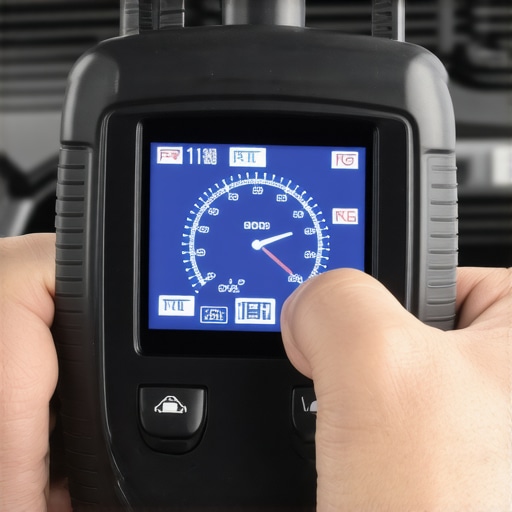
Proactive maintenance with the right tools ensures your vehicle stays in top shape, despite the challenges of cold weather or long drives. Remember, seldom is a problem solved by guesswork—diagnostics and proper equipment are your best allies. For a deeper dive into the specifics of sensor testing, check out this guide for practical tips. Don’t hesitate—try a sensor test today and see how it can prevent costly repairs down the line!
What My Toughest Cold Morning Taught Me About Transmission Health
Sometimes, the harshest lessons come from the coldest mornings. I used to dismiss the occasional sluggish shifts as minor hiccups, but I soon realized they signaled deeper issues. These experiences taught me that listening to my car’s subtle signals—especially during winter—can save me a lot of money and stress down the road. Paying attention to delayed shifts in cold weather isn’t just about comfort; it’s about proactive maintenance that keeps my vehicle running smoothly.
The Real Edge of Knowing Your Vehicle’s Needs
When I delved into the intricacies of transmission behavior during winter, I uncovered invaluable insights—like how proper fluid maintenance and sensor checks can prevent minor delays from becoming costly repairs. Recognizing the importance of regular tune-ups and using the right tools, such as diagnostic scan tools, transformed my approach. This knowledge has empowered me to address issues early, ensuring that my vehicle’s transmission stays responsive regardless of the temperature.
Gaining More Than Just Information—A New Perspective
Beyond technical know-how, I learned that understanding the reasons behind transmission delays fostered patience and confidence. It shifted my mindset from reactive repairs to preventive care. This proactive approach emphasizes the significance of trusting experts when needed and investing in quality components, all of which prolongs my vehicle’s lifespan. In essence, the more I know, the better I care for my car, especially when faced with winter’s challenges.