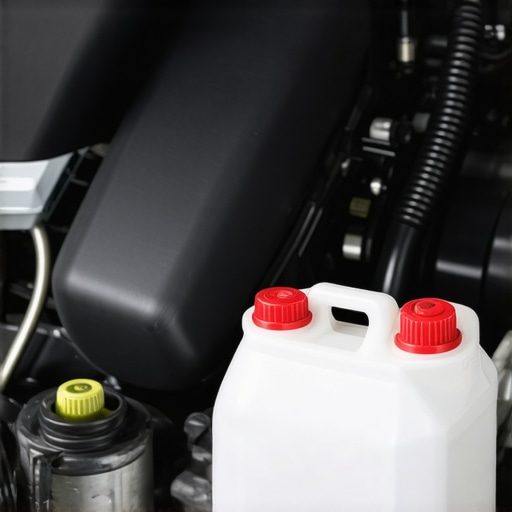
Have you ever poured a bottle of high-mileage oil additive into your car’s engine, hoping to squeeze out a few extra miles or prevent that nagging ticking sound? I remember the moment I did it—feeling a mix of optimism and skepticism—only to realize months later that the car’s performance hadn’t changed at all, and I’d wasted money on a product that might not have even been necessary. That lightbulb moment made me question everything I thought I knew about engine care, especially those mysterious high-mileage oil additives that seem to promise so much.
Why I Began Questioning the Hype Around High-Mileage Oil Additives
As a car enthusiast and someone who’s spent years tinkering under the hood, I’ve learned that not all products are created equal. When I first heard about high-mileage oil additives, I assumed they were a magic potion for old engines. The ads made it sound so convincing—adding these little bottles would rejuvenate worn seals, reduce oil consumption, and extend engine life. But after trying them firsthand, I noticed no drastic improvements. Instead, I paid more attention to what actually makes a difference for my vehicle’s health.
Is It Worth the Hype or Just a Scam?
Early in my journey, I made a costly mistake: I relied solely on claims and didn’t do enough research. I assumed that since these products were designed for high-mileage engines, they must be effective. But a quick peek at reputable sources, like top signs your car needs expert repair, revealed that many problems attributed to engine wear are better addressed through proper maintenance and regular tune-ups. This realization shifted my focus from quick fixes to fundamental care, like changing oil regularly and inspecting vital parts.
Did you have a similar experience—buying an additive or product with high hopes, only to feel disappointed? If so, you’re not alone. Many car owners get caught up in marketing hype without understanding what really benefits their engine in the long run. That’s why I want to share what I’ve learned: the truth about high-mileage oil additives and what actually helps extend your engine’s life, saving you money and avoiding unnecessary products. Ready to cut through the confusion and find out what works? Let’s dive into the practical steps that can make a real difference in your vehicle’s longevity.
In my experience, the most straightforward way to keep an engine running smoothly is to stick to the recommended oil change intervals. I once neglected this for a few thousand miles, leading to sluggish performance and increased engine wear. By setting a reminder and using quality oil, I noticed immediate improvements and prevented costly repairs. Treat oil changes like feeding your car nutritious food—regular, fresh, and appropriate for its needs.
Choosing the correct viscosity and type of oil is critical. Consult your owner’s manual or ask an expert at a trusted auto repair shop. Using the wrong oil can cause friction, reduce fuel efficiency, and accelerate engine wear. When I upgraded to synthetic oil based on my car’s specifications, I observed smoother operation and quieter engine sounds, especially during cold starts.
Transmission issues can be costly, but regular maintenance prevents them. I once experienced a delayed shift puzzle—my car hesitated before engaging gears. After a professional transmission service, including fluid change as recommended in this guide, the shifting became seamless. Regularly check and replace transmission fluid to avoid slippage and overheating, much like changing the oil but tailored to your transmission type.
If you notice slipping gears, burning smell, or strange noises during shifts, don’t ignore these signs. These symptoms can signal severe wear, and addressing them promptly saves money in the long run. I learned this the hard way when a minor delay turned into a full transmission rebuild. Always consider consulting an experienced mechanic before issues worsen—early intervention is key.
Overheating can cause catastrophic engine damage. I make it a point to regularly inspect the radiator, hoses, and coolant levels. Flushing the cooling system as suggested in this tutorial helps prevent rust and blockages. During a summer road trip, I caught a small leak early by noticing a slight drop in coolant levels, averting engine overheating on a hot day.
Cracked or frayed belts can break suddenly, leaving you stranded. I replaced my serpentine belt proactively after noticing minor cracks. It’s a simple fix that avoids engine overheating, loss of power steering, or alternator failure. Regular visual checks, especially before high-mileage trips, keep these critical components in check.
Air, cabin, and fuel filters become clogged over time, reducing efficiency. I replaced my cabin air filter before summer to improve airflow and remove musty odors, as explained here. Ensuring filters are clean enhances performance and prolongs component life, much like breathing clean air.
Brakes are vital for safety. I once ignored squeaking noises until a test drive revealed diminished stopping power. After a quick inspection, I replaced worn brake pads, which was much cheaper than dealing with rotor damage later. Periodic brake checks prevent accidents and costly repairs, especially in emergency stops.
Pay attention to unusual noises, vibrations, or smells. During a routine drive, I noticed a slight vibration in the steering wheel that worsened over time. An expert diagnosis revealed a warped wheel and imbalance. This simple recognition saved me from further suspension problems. Regularly inspecting your vehicle helps catch issues before they become expensive repairs.
While DIY maintenance is beneficial, routine professional tune-ups are invaluable. They include comprehensive checks and adjustments—like timing, spark plugs, and idle speed—that preserve your vehicle’s health. I schedule a tune-up every 30,000 miles, which has consistently improved my car’s performance, fuel economy, and longevity. Learn more about this essential service here.
When it comes to maintaining your vehicle, there’s a widespread misconception that quick fixes and superficial remedies are sufficient. In reality, many car owners overlook the importance of understanding the intricacies involved in auto repair, transmission care, and routine servicing—leading to costly mistakes down the line. Let’s explore some of these overlooked details and dispel common myths that could be holding you back from truly optimizing your car’s lifespan.
One of the most persistent myths is that all transmission fluids are equal. In fact, using the wrong type or neglecting to replace transmission fluid at recommended intervals can cause severe damage. As explained by experts at Collision Fixer, the misconception that lifetime fluid never needs replacing is risky. Regularly scheduled overhauls, including fluid changes, are vital to prevent slipping, overheating, and eventual transmission failure.
Many owners also believe that a professional tune-up is only necessary when problems become apparent. However, routine tune-ups go far beyond replacing spark plugs or inspecting belts—they are about proactively diagnosing hidden issues before symptoms appear. Advanced diagnostics can uncover subtle signs of mechanical wear, such as early signs of engine misfire or fuel system leaks. For detailed insights on maximizing your vehicle’s longevity through scheduled tune-ups, check this comprehensive guide. Regular maintenance keeps your vehicle performing optimally and can save you hundreds or thousands in repairs over its lifespan.
A common mistake I see is neglecting the cooling system, underestimating its critical role in engine health. Overheating isn’t always due to a catastrophic failure; often, it results from overlooked issues like worn hoses or low coolant levels that gradually cause damage. Proper inspection and timely replacements of radiator components are essential. For instance, a simple coolant flush, as outlined here, can prevent rust buildup and corrosion, extending the life of your engine.
But what about the sophisticated questions that challenge even seasoned car owners? For example, how does regular transmission overhaul impact long-term costs versus the risks of neglect? Actually, neglecting transmission maintenance can lead to complete rebuilds or replacements, which are significantly more expensive than routine overhauls. According to Collision Fixer, timely overhauls—if performed at appropriate intervals—can drastically reduce the risk of catastrophic failure, saving you money in the process.
Have you ever fallen into this trap? Let me know in the comments. Being aware of these hidden nuances helps you make smarter decisions, avoiding costly repairs and ensuring your vehicle remains reliable longer. Remember, a well-informed owner is a proactive owner—equipped to handle the subtle signs of impending issues before they become emergencies.
The Right Equipment Makes All the Difference
Having the right tools on hand is essential for keeping your vehicle running smoothly over the years. I personally rely on high-quality equipment that balances durability, precision, and ease of use. For example, I swear by a digital multimeter like the Fluke 115 — it’s my go-to for diagnosing electrical issues, whether checking battery health or testing sensors. Its accurate readings and rugged design give me confidence during critical diagnostics, eliminating guesswork and ensuring I address issues correctly the first time.
Why a Reliable Jack and Stands Are a Must-Have
When it comes to routine inspections or minor repairs, a sturdy hydraulic jack coupled with a set of professional-grade jack stands is indispensable. I prefer those with a rated capacity well above my vehicle’s weight, such as the Arcan ALJ3T, which provides stability and safety. Investing in quality equipment prevents accidents and lets me work efficiently—especially when replacing filters or inspecting the undercarriage, which are vital for long-term maintenance.
Specialized Hand Tools for Precision Work
For tasks like changing serpentine belts or replacing a stuck oil filter, I turn to specific tools like a serpentine belt tool kit from Lisle, designed to reach tight spaces without damaging hoses or pulleys. Similarly, an oil filter removal tool—such as the AmazonBasics Oil Filter Wrench — helps me perform quick, damage-free replacements. These tools save me time and money by making jobs straightforward and less frustrating.
Investing in Diagnostic Software and Apps
Beyond physical tools, I find value in diagnostic software like CarScanner or OBDLink. These apps connect to your vehicle’s OBD-II port via Bluetooth and provide real-time data, error codes, and sensor readings. Regularly monitoring parameters like fuel trim, coolant temperature, or transmission behavior helps me catch potential issues before they escalate. For DIY enthusiasts, these tools bridge the gap between basic maintenance and professional diagnostics, giving confidence that your car is in good shape.
Predicting the Future of Auto Maintenance Tools
I believe that advancements in portable diagnostic tech, augmented reality, and AI-driven maintenance guidance will revolutionize how we care for our vehicles. Imagine slipping on AR glasses that overlay step-by-step repair instructions and diagnostics in your line of sight, making complex repairs accessible for everyone. Staying updated with these trends ensures you can leverage new tools and techniques, maintaining your vehicle at peak condition for longer.
How do I maintain tools and diagnostic systems over time?
Regularly calibrate your diagnostic equipment, keep tools clean and properly stored, and stay informed about updates or new tech in automotive repair. Proper maintenance extends the lifespan and accuracy of your tools, ensuring consistent performance. For example, cleaning contact points on your multimeter and updating diagnostic software can prevent errors during crucial repairs. Setting aside time each year for tool calibration and inspection helps you avoid unexpected breakdowns and costly repairs down the line.
To optimize your maintenance routine, I recommend trying out a high-quality multimeter like the Fluke 115 and exploring diagnostic apps compatible with your vehicle. These investments pay off by giving you early insights into emerging issues—saving you money and escalating repair costs. Ready to boost your DIY repair game? Start by testing your vehicle’s sensor outputs with your multimeter today and see the difference precision makes in long-term vehicle health.

Throughout this journey, I’ve learned that successful vehicle maintenance isn’t about chasing quick fixes or marketing gimmicks—it’s about understanding your car’s unique needs and dedicating yourself to consistent, informed care. The most valuable insights came from those moments of frustration turning into clarity—like realizing routine oil changes and proactive inspections outweigh any miracle additive. When you treat your car as a trusted partner, with regular attention and respect, it rewards you with reliable performance and extended lifespan.
What I Wish I Had Known at the Start
- Routine Overhaul is a Lifesaver: Skipping transmission fluid changes might seem harmless, but it often leads to costly rebuilds. Learning from experts, I now prioritize scheduled maintenance—it’s like giving your vehicle a health checkup that keeps minor issues from escalating.
- Matching Tools with Tasks: Investing in quality diagnostics and essential tools transformed my DIY approach from guesswork to precision. Whether it’s a reliable multimeter or a good jack, proper tools empower you to handle repairs confidently and safely.
- Listening to Your Car’s Whispers: Early signs like subtle vibrations or strange smells shouldn’t be ignored. My years of experience have shown that paying close attention can prevent breakdowns and save money—knowledge that only comes from experience and curiosity.
- Understanding Is Better Than Assuming: There’s a myth that all additives work wonders, but understanding what your engine truly needs—like clean filters, proper fluids, and timely inspections—makes all the difference.
My Recommended Gear to Keep You Moving
- High-Quality Diagnostic Apps: Apps like CarScanner provide real-time insights that catch issues early—saving time and avoiding surprises on the road.
- Trusted Maintenance Guides: Visiting resources such as this guide helps me schedule tune-ups and replacements before problems arise.
- Durable, Precision Tools: A good multimeter and sturdy jack stands make DIY repairs safer and more effective—investments that pay off long-term.
- Reliable Replacement Parts: Choosing high-quality filters and fluids, as recommended by trusted sources, ensures your engine runs smoothly and lasts longer.
Keep Your Passion for Safe Driving Alive
Maintaining your vehicle is an ongoing journey, filled with lessons and rewarding milestones. Embrace the knowledge gained, invest in the right tools, and listen to what your car tells you. Each step you take toward understanding and caring for your vehicle is an investment in safety, savings, and the pleasure of driving a well-loved machine. Are you ready to trust your instincts and build a maintenance routine that lasts a lifetime? Share your experiences below—what’s your next step in mastering vehicle care?