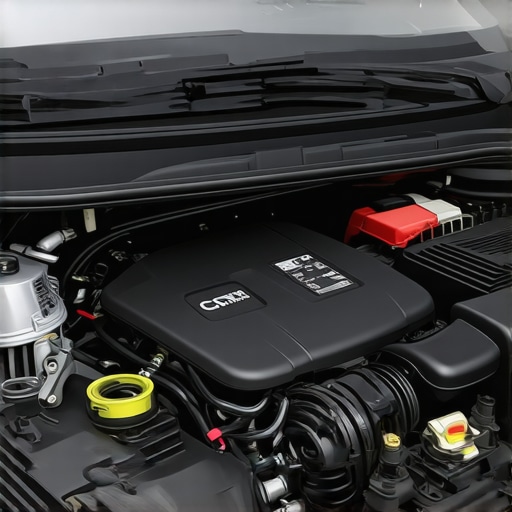
Ever been stranded on the side of the road because your car decided to stall without warning? That frustrating moment when you’re halfway through your commute, and suddenly, everything comes to a halt. I remember the first time it happened to me; I was just a few blocks from home when my car sputtered and died, leaving me perplexed and annoyed. It felt like a joke—spending hundreds on repairs, only to find out the issue was something you could have easily overlooked. That lightbulb moment led me down a rabbit hole of research and trial, and now I want to share what I’ve learned.
Why Your Car’s Stalling Might Cost You Less Than You Think
Here’s the truth—most of these random stalls aren’t caused by huge, expensive failures. In fact, a tiny component, often costing around five bucks, can be the culprit. This little device, known as a sensor, plays a crucial role in your car’s engine management system. If it’s malfunctioning, your engine might receive incorrect data, leading to unpredictable stalls or poor idle performance. The good news? Once you diagnose and replace this sensor, your car can run smoothly again, saving you hundreds or even thousands in costly repairs.
Early in my auto repair journey, I made a common mistake: I ignored the warning signs and thought it was just a matter of bad fuel or minor misfire. Trust me, I learned the hard way that ignoring tiny sensors and their signals can turn a simple fix into a major headache. This is precisely why understanding the role of this essential component can save you time, money, and stress.
If you’re tired of your car suddenly quitting on you and want to avoid being stranded, keep reading. We’re about to get into the nuts and bolts of identifying this little-known sensor that could be causing your woes. You might be surprised how such a small part can have such a big impact on your daily driving. For more tips on reliable car maintenance, check out essential car service tips. Now, let’s dive into the question that might be running through your mind right now.
Is a $5 Sensor Really Causing Your Car to Stall?
Absolutely. It sounds unbelievable, right? But this particular sensor, often called the intake air temperature sensor or a mass airflow sensor, can fail or give false readings, prompting your engine computer to act erratically. Many drivers report that replacing this tiny component restores smooth operation almost instantly. But here’s the catch: early on, I underestimated the importance of these sensors and paid the price in unpredictable stalls. I hope you won’t make the same mistake. Stay with me as we explore how to pinpoint this sneaky culprit and get your car back to reliable running condition.
Identify the Culprit: Find the Sensor That Causes Stalling
Start by locating the sensor responsible for idle stability, typically the intake air temperature sensor or the mass airflow sensor. To do this, connect an OBD-II scanner to your vehicle’s diagnostic port—usually under the dashboard—and check for stored trouble codes. Use the scanner to monitor real-time sensor data while idling or during a test drive. I once borrowed a scanner from a neighbor, and watching the live data revealed that the mass airflow sensor was providing erratic readings, even when the engine was warm. This pointed directly to the sensor as the faulty component, saving me hours of guesswork.
Access the Sensor Without Turning Your Car Into a Scrapheap
Locate the sensor, which is typically situated near the throttle body or air filter box. Before touching anything, disconnect the negative terminal of the battery to prevent accidental electrical shorts—think of it as unplugging your phone before cleaning the charging port. Using appropriate tools, remove any clips or screws holding the sensor in place. Careful removal is essential because forcing parts can break delicate plastic clips or connectors. I once pulled too hard on a connector and had to buy a replacement—lesson learned.
Clean the Sensor to Ensure Accurate Readings
Before replacing, clean the sensor with a suitable cleaner—either electronics contact cleaner or a specialized sensor spray. Gently wipe off dust, oil, or carbon deposits that can interfere with its operation. I remember carefully spraying the mass airflow sensor, ensuring not to drip any liquid into the delicate components, then letting it dry for a few minutes. This simple step can sometimes revive a sensor that failed due to dirt, avoiding unnecessary replacement.
Install the New or Cleaned Sensor Correctly
Reconnect the sensor connector carefully, making sure it clicks into place, and secure it with its mounting clips. Reassemble any air ducts or covers you removed, ensuring all fasteners are tight to prevent air leaks, which can cause further issues. When I replaced mine, I double-checked every clip and connection, which prevented future idle problems. Remember, a loose connection can mimic sensor failure—so take your time here.
Test Drive and Monitor Results
Reconnect the negative terminal, start the engine, and clear any stored trouble codes with your scanner. Take your car for a short test drive, paying attention to idling stability and engine response. During a previous fix, I watched the real-time data with my scanner and confirmed that the sensor was now providing stable readings. If the symptoms persist, revisit the diagnosis—sometimes multiple sensors or other issues might be involved. Also, consider reviewing your vehicle’s maintenance schedule to prevent future sensor failures—regular tune-ups help keep all systems functioning smoothly. For example, regular air filter replacements, as detailed here, can prevent contaminants from reaching sensitive sensors.Many car owners believe that transmission issues are always catastrophic and require expensive overhauls. However, in my experience, this isn’t always the case. Common myths, like the idea that all transmission problems mean a complete rebuild, can lead you to overpay or make unnecessary repairs. In reality, many issues stem from minor components or lack of regular maintenance, which, if addressed early, can save you thousands. A significant misconception is that transmission fluid is lifetime and doesn’t need changing. Yet, some studies, such as those referenced in this article, reveal that regular fluid changes extend transmission life and improve performance. Neglecting routine tune-ups might seem harmless, but it often leads to avoidable breakdowns, especially when sensors and filters become clogged or worn out. For instance, a simple transmission flush can prevent costly repairs down the line. Beware of the trap of delaying repairs until symptoms worsen; early intervention is key. Advanced issues can sometimes be diagnosed through real-time data monitoring, which many casual owners overlook. I recommend using diagnostic tools or consulting specialists who understand the nuanced differences between minor glitches and serious failures. Remember, not every warning light indicates the need for a full overhaul; sometimes, a minor adjustment suffices. Understanding the intricacies of your vehicle’s transmission can make all the difference in budgeting and vehicle longevity. If you’re unsure about your auto repair needs, check out signs your car requires expert repair. And don’t forget, consistent tune-ups and timely service are among the most cost-effective ways to keep your car running smoothly, as discussed here. Have you ever fallen into the trap of delaying transmission repairs? Let me know in the comments.
Keep It Running Smoothly with the Right Tools
Maintaining your vehicle over time is about more than just routine oil changes; it requires precision tools that can diagnose issues early and keep your car performing optimally. I personally rely on a high-quality OBD-II scanner like the BlueDriver because it provides comprehensive real-time data and customizable reports. Unlike generic scanners, BlueDriver offers manufacturer-specific codes, which allow me to pinpoint problems such as faulty sensors or transmission glitches with confidence. Regularly monitoring your vehicle’s data helps catch issues before they escalate, saving you significant repair costs.
Another invaluable tool I keep in my garage is a stethoscope mechanic’s kit. This isn’t just for medical emergencies; using a mechanic’s stethoscope helps identify source noise from parts like wheel bearings or valve lifters. When I hear unusual sounds, I clip the stethoscope to the suspected component for an accurate diagnosis, which often eliminates the need for unnecessary replacements. Pairing this with a fuel pump testing method saves me time and keeps my fuel system in top shape.
Methodical Maintenance for Longevity
Consistent maintenance is key for long-term performance. I swear by using a digital torque wrench to ensure all bolts are tightened to manufacturer specifications. Over-tightening can damage threads, while under-tightening invites leaks or component failure. I calibrate my torque wrench regularly – a practice recommended by technical manuals like auto repair experts – because precision matters. Setting the right torque preserves parts and prevents costly repairs down the line.
Where Do I Keep My Eyes Open?
Visual inspections should not be neglected. I utilize a magnetic inspection mirror to check hard-to-see areas under the vehicle, paying special attention to seals and hoses that may deteriorate without obvious signs. Combining this with a flashlight and a digital camera helps document issues so I can address them promptly. Staying ahead with visual cues prevents small leaks or cracks from becoming major failures. Remember, proactive checking often catches problems before dashboard warning lights illuminate, or worse, breakdowns occur.
Scaling Tools as Your Skills Grow
As I gained experience, I started investing in more advanced diagnostic tools like an oscilloscope to analyze electrical signals in the engine management systems. This equipment helps me troubleshoot complex problems such as wiring issues or misfiring ignition coils. Tech is rapidly advancing, and I predict that diagnostics powered by AI will be game-changers in the near future, offering even more precise maintenance insights. To stay updated, I check resources like industry case studies that showcase innovative solutions.
How do I maintain vehicle tools over time?
Proper storage and routine calibration are vital. I keep my tools in a dedicated toolbox, organizing everything by function, which prevents damage and makes inspections faster. Regularly cleaning and calibrating tools like torque wrenches and diagnostic scanners ensures accuracy. For instance, consulting manufacturer guidelines (see auto repair documentation) helps me understand the tight tolerances involved. Try scheduling bi-annual checks of your equipment so you can trust your diagnostics and repairs—saving money and extending your vehicle’s life.
Throughout my auto repair adventures, I’ve realized that some of the most effective fixes come from understanding the small components that often go unnoticed. When it comes to preventing car stalls and being stranded unexpectedly, paying attention to sensors that cost just a few dollars can make all the difference. My personal breakthrough was discovering that the secret to smooth engine performance lies in these tiny yet vital parts—like the mass airflow sensor—that dictate how your car manages air intake and fuel mixture. Recognizing their importance has transformed how I approach vehicle maintenance and saved me from costly repairs.
Lessons That Changed My Auto Repair Perspective
- Don’t overlook the small stuff. I learned the hard way that ignoring tiny sensors can lead to frequent stalls and breakdowns. Regularly checking and cleaning these components prevents small issues from escalating.
- Use technology wisely. Investing in a good OBD-II scanner allowed me to read real-time sensor data, revealing faulty readings that could be fixed with a simple sensor replacement or cleaning, rather than expensive part overhauls.
- Maintenance is cumulative. Consistent cleaning, timely replacements, and visual inspections of air intake sensors and hoses keep my engine running smoothly and extend its lifespan.
- Adopt a proactive attitude. Addressing minor sensor issues early can avoid getting stranded, especially during long drives or in unpredictable weather conditions. It’s about preventive care, not just reactive fixes.
- Stay curious and informed. Reading trusted resources like essential car service tips keeps me updated on best practices, helping me make smarter decisions about my vehicle’s health.
Tools and Resources That Make a Difference
- BlueDriver OBD-II Scanner: Trusted for its comprehensive diagnostics and manufacturer-specific codes, it’s my go-to for pinpointing sensor issues quickly and accurately.
- Sensor Cleaning Kit: Specially formulated sprays help me carefully clean delicate sensors without damaging their sensitive components, often restoring performance without replacement.
- Auto Repair Guides: Resources like industry case studies and manuals deepen my understanding and confidence in DIY repairs.
- Visual Inspection Tools: Magnetic inspection mirrors and quality flashlights ensure I can spot issues in hard-to-reach areas, preventing hidden problems from worsening.
- Regular Maintenance Schedule: Following a routine check and service plan, including air filter and sensor inspections, keeps my vehicle performing at its best and minimizes surprise breakdowns.
Gear Up for a Safer Drive Ahead
Taking control of your vehicle’s health starts with awareness and proactive care. Remember, even the smallest sensor failures can have a big impact on your safety and convenience. Equip yourself with the right tools, stay informed with expert resources, and maintain a curious mindset—your reliable ride depends on it. If you’ve ever missed an early warning sign or struggled with a stubborn stall, share your experience below. Your story might just help another driver avoid their own roadside surprise.