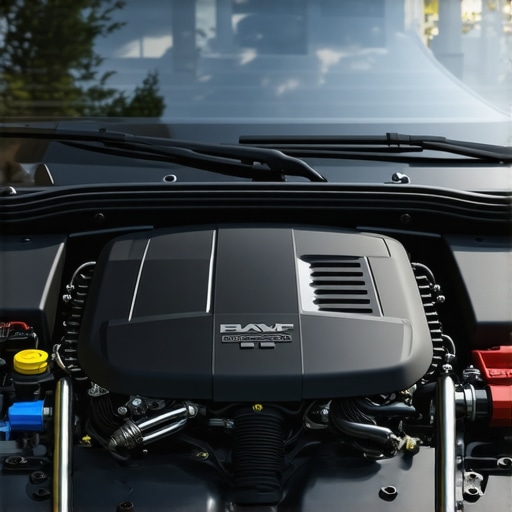
Have you ever been sitting at a red light, feeling that unsettling shake from your engine, and wondered, “Why is my car vibrating only when I come to a stop in drive?” I remember the first time this happened to me. I was surprised—my car was smooth as butter just a mile ago, and suddenly, it felt like I was in a mini earthquake every time the light turned red. It’s a perplexing and sometimes nerve-wracking experience, especially when you have places to be and peace of mind to maintain.
Getting to the Root of the Vibration Problem
Understanding why your engine vibrates when stopped isn’t just about comfort; it’s about safety and preventing costly repairs down the line. In my early days of car ownership, I made the mistake of ignoring these vibrations, thinking they were just minor quirks. But I learned the hard way that such symptoms often hide bigger issues—like worn-out motor mounts or idle control problems—that can deteriorate if left unaddressed. Tackling this problem head-on can save you money and keep your vehicle running smoothly for years to come. Want some expert tips? I’ve gathered the most effective advice for diagnosing and fixing this common issue that affects many drivers.
Is This Engine Vibration Just a Passing Phase or a Sign of Trouble?
From my personal experience, the moment I ignored a slight rough idle, it escalated into more noticeable shaking and even rough engine performance. The mistake I made early on was dismissing small vibrations as normal, underestimating their significance. Scientific studies support that persistent engine vibrations are often early indicators of mechanical problems, such as misfiring spark plugs or unbalanced rotors (source: Collision Fixer). Recognizing these signs early can prevent expensive repairs and extend the life of your vehicle. So, have you already faced this issue, or are you trying to prevent it from happening? Understanding the cause is the first step toward finding effective solutions, and in the next sections, I’ll guide you through practical steps to diagnose and fix engine vibrations when stopped in drive.
Inspect Your Engine Mounts First
Begin by checking your engine mounts, which resemble the shock absorbers for your engine. Worn or broken mounts allow excessive movement, causing vibrations. To test them, open your hood, hold the engine with a sturdy tool, and gently rock it; if there’s excessive play or uneven movement, your mounts need replacing. I once jacked up my car and used a flashlight to inspect mounts; finding cracked rubber, I replaced them myself, instantly reducing engine shake. Replacing mounts can be straightforward if you follow a repair manual or online guide, and it’s a cost-effective way to eliminate a major vibration source. For detailed mount replacements, see regular tune-ups.
Diagnose Idle Control System Components
Next, focus on your idle air control valve and throttle body, which regulate engine speed at stoplights. Remove the intake hose to access the throttle body; look for grime or carbon buildup, which blocks airflow. Using throttle body cleaner, spray and scrub gently with a soft brush—this can restore smooth idle. I once cleaned my throttle body, and my vibrations disappeared within minutes. After cleaning, see if the idle is stabilized; if not, test the idle control valve with a multimeter or consider replacing it if faulty. A clean throttle body improves engine stability and reduces shaking. For tips on cleaning, visit throttle body cleaning.
Verify the Spark Plugs and Ignition System
Worn or fouled spark plugs can cause misfiring, leading to vibrations. Remove a spark plug and inspect it: if the electrode is worn or covered with soot, replace all plugs as a set to ensure smooth combustion. Use a spark plug socket and gapping tool to install new plugs with proper gaps tailored to your car’s specs. I had a misfire from old plugs, and replacing them immediately stabilized the engine idle. Consistent spark firing ensures your engine runs smoothly at stoplights. For more about spark plug maintenance, see spark plug signs.
Address Possible Transmission Issues
Sometimes, vibrations originate not from the engine but from transmission misbehavior—especially if your car vibrates only in drive. Check the fluid level and condition; low or dirty transmission fluid can cause rough engagement. Locate the transmission dipstick (consult your manual), wipe clean, and check the fluid. If it’s dark or has a burnt smell, a fluid change may resolve the issue. I once performed a transmission fluid exchange, which removed metal shavings and restored smooth shifting and idling. Regularly scheduled transmission service extends component lifespan and improves smoothness when stationary. Visit transmission maintenance tips for detailed steps.
Perform a Comprehensive System Scan
If the causes above are ruled out, use an OBD-II scanner to check for stored fault codes. Many modern vehicles log engine and transmission issues that can illuminate the root of vibrations. Connecting a scanner is straightforward: plug it into the port, turn your ignition on, and read the codes. For example, misfire codes or sensor errors can explain idle roughness. Acting on these diagnostics might involve replacing sensors or repairing wiring. Always address the specific fault codes to prevent recurring vibrations and keep your vehicle performing optimally. Learn more about diagnostic techniques at car service tips.
Conclusion: Close Monitoring and Preventative Measures
Addressing engine vibrations requires a systematic approach—starting from mounting points to ignition systems and transmission health. Regular maintenance, like periodic tune-ups, prevents many issues before they escalate. Keep an ear and eye on your vehicle’s behavior, and don’t ignore small irregularities, as they often precede costly repairs. Handling vibrations promptly ensures your car remains a reliable and safe ride, especially when stopping in drive. For professional assistance or more tailored advice, contact experts through contact us and keep your vehicle in top shape.Many car owners operate under misconceptions that can lead to costly mistakes. For example, the belief that a simple tune-up is all you need for reliable performance is widespread, but in reality, a comprehensive approach often yields the best results. A tune-up focusing solely on spark plugs without inspecting ignition coils or fuel injectors might overlook underlying issues that contribute to poor engine health. It’s essential to understand that routine maintenance isn’t just about replacing parts—it’s about diagnosing the subtle signs of wear before they escalate. Relying solely on generic advice can set you up for an ‘oops’ moment, especially if you neglect advanced diagnostics like system scans or pay attention to transmission health. For instance, many drivers don’t realize that a transmission fluid change can drastically improve shifting smoothness, yet they postpone it until symptoms become severe. Additionally, there’s a common myth that auto repair shops push unnecessary services to inflate bills. In my experience, reputable shops, like Collision Fixer, focus on transparency and preventative care, which actually save you money in the long run. Are you aware of the nuances that distinguish a basic service from a comprehensive repair strategy? Dive deeper into these details and avoid common pitfalls by exploring expert tips on [maximizing your car’s lifespan with regular tune-ups](https://collisionfixer.com/maximize-your-cars-lifespan-with-regular-tune-ups).
Why do so many car owners get caught off guard by transmission issues or unexpected repairs? The answer lies in understanding the complex interplay of vehicle systems. For example, neglecting early warning signs like minor vibrations or hesitation can lead to severe damage requiring costly overhaul. Advanced diagnostics, such as reading error codes with an OBD-II scanner, can reveal hidden transmission faults or sensor failures that casual inspections miss. Moreover, overlooking essential components like engine mounts or throttle bodies can cause ongoing vibrations, compromising both comfort and safety. A crucial misconception is that every mechanic will recommend unnecessary repairs; however, choosing a shop committed to transparency and preventative maintenance, like Collision Fixer, ensures you are educated on what your vehicle truly needs.
Are you making the most of your car’s diagnostic tools? Proper use of diagnostic scans, combined with thorough routine checks, empowers you to catch problems early. Remember, proactive maintenance extends your vehicle’s lifespan and maintains optimal performance. Don’t fall prey to outdated beliefs—embrace a nuanced understanding of auto care that considers the intricate details behind each symptom. Want to learn more about how to read your car’s signals and avoid costly surprises? Check out expert advice on [how transmission overhauls can save you money in the long run](https://collisionfixer.com/how-transmission-overhauls-save-you-money-in-the-long-run) and make smarter maintenance choices. Have you ever fallen into this trap? Let me know in the comments.
Why Investing in Quality Tools Elevates Car Maintenance
Having the right equipment can transform your approach to auto repair from guesswork to precision. I personally rely on a high-quality digital multimeter because it allows me to diagnose electrical issues quickly, saving time and avoiding unnecessary repairs. When testing sensors or detecting short circuits, a multimeter is indispensable, especially if you want to avoid expensive trips to the mechanic. Remember, using accurate and reliable tools isn’t just about efficiency—it’s about ensuring safety and optimal performance for your vehicle.
My Top Recommendations for Diagnostic and Maintenance Equipment
Beyond basic hand tools, I advocate for digital OBD-II scanners, like the BlueDriver. This device provides comprehensive fault codes and live data, helping me catch issues like transmission shuddering or engine misfires early. A good scanner should have updated software and a user-friendly interface—features I prioritize after years of trial and error. Additionally, a streak-free cleaning kit keeps my windshield clear, improving visibility and safety during long drives.
Methods that Ensure Long-Term Vehicle Health
Regular tune-ups and fluid exchanges significantly extend the lifespan of vital components. I schedule preventative maintenance based on manufacturer recommendations, but I also keep an eye on signs of wear, like subtle engine vibrations or strange noises. Using specialized cleaning agents, such as intake manifold cleaners, can restore lost horsepower and improve acceleration—trust me, after performing a thorough throttle body cleaning, my car responded like new. This proactive approach prevents small issues from snowballing into costly problems, especially with critical parts like transmissions and engine mounts.
Strategies for Scaling Your Car Care Routine
As your vehicle ages, integrating advanced diagnostics and maintenance becomes more critical. Investing in a high-quality transmission fluid tester enables me to monitor fluid health and plan timely exchanges. Scheduled inspections and updates to diagnostic software ensure compatibility with evolving vehicle systems. Looking forward, AI-powered diagnostic tools and remote monitoring will likely become standard, making vehicle health tracking more accessible and precise. To stay ahead, I recommend embracing these innovations early—think of it as giving your car a personalized health plan that grows smarter over time.
How do I maintain my tools and ensure their longevity?
Proper storage and regular calibration are key. Keeping tools in a clean, organized toolbox prevents damage and loss. For instance, regularly checking the calibration of your multimeter ensures accurate readings, which is critical when diagnosing electrical faults. I also recommend creating maintenance logs for your tools, noting calibrations and repairs, so you can track their performance over the years. This habit not only preserves your investment but also enhances your confidence in your diagnostic capabilities.
In conclusion, equipping yourself with precise tools and effective methods transforms your car maintenance from routine chores into proactive, reliable care. I encourage you to try a detailed intake manifold cleaning or invest in a quality OBD-II scanner—I promise, the long-term savings and increased vehicle confidence are worth it. Want more expert strategies? Reach out through contact us for personalized advice tailored to your vehicle’s needs.
What My Sneaky Car Taught Me About Routine Checks
One underestimated lesson I learned is that small, persistent engine vibrations are often your vehicle’s way of whispering warnings. Ignoring these signs might save a moment, but it can cost you a lot later, both financially and in safety. So, paying close attention to subtle changes in your car’s behavior can be the key to preventing major breakdowns—trust me, your car is a lot smarter than we give it credit for.
How a DIY Toolkit Turned My Auto Care Into a Passion
Building a personal set of reliable tools has profoundly changed my approach to vehicle maintenance. From a sturdy multimeter to a quality OBD-II scanner, each piece has become a trusted partner. These tools empower you to diagnose issues early and learn the ropes of auto repair, saving money and fostering a sense of achievement. For any car enthusiast, investing in essential diagnostic equipment like the multimeter and a good scanner is worth every penny.
Take Action Now—Your Car Will Thank You
Getting ahead of engine vibrations isn’t just about fixing your current issue; it’s about cultivating a proactive mindset that keeps your vehicle in peak condition. Regular tune-ups, honest diagnostics, and timely repairs can extend your car’s lifespan and ensure safe, comfortable drives. What’s one small step you can take today to better understand your vehicle’s health? Remember, early detection is your best car care secret.