Ever been behind the wheel, pressing the gas pedal only to feel sluggishness or hesitation? That sinking feeling of your car not responding like it used to can be downright frustrating, especially when you’re trying to merge onto the highway or just enjoy a smooth ride. I remember the first time I noticed my car dash with a rough idle and a noticeable delay in acceleration—confusing and a bit worrying. Turns out, that sticky throttle body was the culprit, causing poor throttle response and diminishing my driving experience.
Why a Dirty Throttle Body Can Ruin Your Driving Experience
When the throttle body gets coated with carbon deposits or grime, it can obstruct the throttle plate’s movement. This restriction leads to inconsistent airflow into the engine, which then affects acceleration and overall responsiveness. The result? A car that feels sluggish, idles rough, or stalls unexpectedly. If you’ve dealt with these issues, you’re not alone. Many drivers overlook this component, but maintaining a clean throttle body is key to keeping your vehicle running smoothly.
Is Cleaning Your Throttle Body Really Worth the Hassle?
Initially, I thought a thorough tune-up or replacing sensors would fix the issue, but I learned that simple maintenance, like cleaning the throttle body, can have a profound impact. I made the mistake early on of ignoring this step, assuming it wasn’t urgent. That was a costly oversight because eventually, the problem persisted and even worsened. Trust me, taking the time to clean it yourself can save you money and extend your engine’s lifespan. Want to know the step-by-step process? Let’s dive in.
Gather Your Supplies and Prepare Your Car
First, ensure your engine is cool to avoid burns. Open the hood and locate the throttle body, which is usually between the air filter box and the intake manifold. Disconnect the negative terminal of the battery to reset your car’s electronics later. Gather necessary tools: screwdrivers, socket set, throttle body cleaner, and a clean rag. Remember, safety comes first—wear gloves and eye protection.
Remove and Access the Throttle Body
Loosen and remove the intake hose clamp using a screwdriver or socket. Carefully detach the hose from the throttle body—avoid forcing it to prevent damage. If your vehicle has an electronic throttle control, consult your manual for specific disconnection points. To illustrate, think of the throttle body as the valve that controls airflow—similar to a fish tank’s filter valve, which needs cleaning to keep water clear.
Clean the Throttle Body Thoroughly
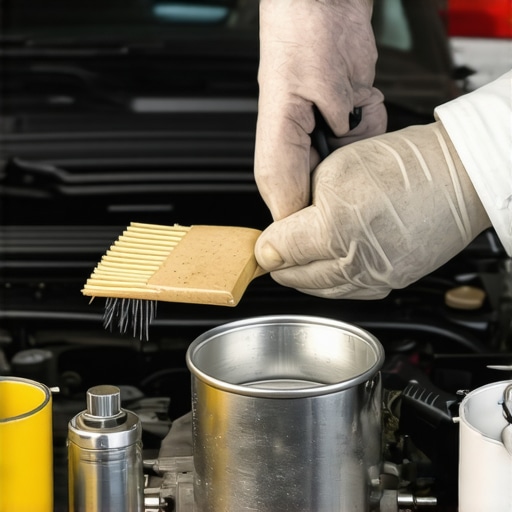
Spray throttle body cleaner onto a lint-free cloth or toothbrush and scrub the throttle plate and bore. Pay close attention to carbon buildup around the edges, which can be like stubborn plaque on teeth. For stubborn deposits, let the cleaner sit for a few minutes before wiping. I once stained my hand with cleaner, but the results on the throttle plate were worth it—engine response improved noticeably after a proper scrub.
Reassemble and Test Drive
Reattach the intake hose securely, tighten all clamps, and reconnect the negative battery terminal. Start your engine and allow it to idle for a few minutes. During this period, the ECU recalibrates itself—similar to how a camera auto-adjusts after a firmware update. Observe the engine’s idle behavior; it should be smoother and more responsive. If needed, recheck all connections for leaks or loose fittings. For leaks and misfires, check out how we fixed a stubborn misfire, which sometimes originates from throttle issues.
Perform Calibration if Necessary
Some cars require a throttle body adaptation or calibration to optimize performance. Use an OBD-II scanner or your car’s specific procedure—consult your manual. This is crucial because the ECU needs to recognize the cleaned throttle plate position for smooth operation. Think of it as teaching your car to recognize its new, cleaner airflow pathway—much like syncing a new thermostat for accurate temperature control. For a quick calibration, check out how to reset your throttle body. Keep in mind, regular maintenance extends your engine’s lifespan, as detailed in maximize your car’s lifespan with tune-ups.
Monitor Your Vehicle’s Performance
Drive your car normally and pay attention to acceleration and idle quality. If issues persist, you might need professional help or further diagnostics. Remember, a clean throttle body is just one piece of the puzzle—other components like sensors and the exhaust system also influence response. For signs your car needs expert repair, visit top signs your car needs expert help.Many car owners and even seasoned DIYers fall prey to misconceptions that can lead to costly mistakes. One widespread myth is that all auto repairs are straightforward and DIY-friendly. In reality, services like transmission overhauls require precise diagnostics and expert knowledge; attempting such repairs without proper training can worsen the problem and void warranties. For example, improper transmission fluid replacement or neglecting to perform a thorough overhaul can result in increased wear and eventual failure, as detailed in this comprehensive guide. Another common myth is that all collision repairs involve repainting or replacing entire panels, but advanced techniques like spot welding and minimal repainting can restore a vehicle’s integrity cost-effectively.
What advanced signs should prompt a professional inspection beyond basic visual checks?
Often, drivers overlook subtle symptoms such as irregular shifting patterns, delayed engagement, or vibrations during acceleration—that might indicate deeper issues like failing transmission solenoids or engine misfires. A quick diagnostic with an expert can prevent catastrophic failures, saving you money and stress. For instance, experienced technicians use specialized tools to detect hidden problems like vacuum leaks or coolant system faults, which even some professional-grade scanners might miss, as discussed in this case study. Furthermore, a frequent mistake is neglecting the importance of regular tune-ups. Many believe these are unnecessary or only for older cars, but routine maintenance ensures your vehicle’s components like spark plugs, filters, and fluids are in optimal condition, extending its lifespan. Learn how to optimize your car’s health at this resource. One trap to watch out for involves ignoring early signs of transmission wear, such as subtle slipping or delayed shifting, which, if unaddressed, can escalate into complete transmission failure. Recognizing these signals early and consulting with an expert at top signs of necessary repair can save thousands. Remember, understanding the nuanced differences in repair techniques and diagnostics helps you make smarter decisions, ultimately safeguarding your investment. Have you ever fallen into this trap? Let me know in the comments.
Investing in Quality Equipment for Reliable Vehicle Care
Maintaining your vehicle over the years demands more than just basic tools; it requires precision instruments and software tailored for auto repair, especially when dealing with complex systems like transmissions. I personally rely on a high-quality digital multimeter for diagnosing electrical issues and a reliable OBD-II scanner to interpret engine codes swiftly. For example, the BlueDriver scanner offers advanced diagnostics that go beyond generic codes, helping me pinpoint problems faster and avoid unnecessary repairs.
When it comes to transmission maintenance, having a fluid exchange machine has been a game-changer. It ensures thorough fluid replacement, which prolongs transmission life and preserves performance, as discussed here. Regular use of these tools, combined with genuine OEM parts, translates into smoother rides and less downtime.
Future of Auto Repair Tools
The trend is moving toward AI-assisted diagnostics and portable scan devices that communicate seamlessly with smartphones. This evolution promises faster, more accurate repairs, making DIY enthusiasts more empowered and professional technicians more efficient.
How do I maintain my tools to ensure longevity?
Proper storage, regular calibration of electronic devices, and keeping tools clean and dry are fundamental. For electrical components, using dielectric grease on connections prevents corrosion, maintaining signal integrity over the years. Investing in organized storage solutions prevents losing essential bits and ensures quick access when you need them most.
Scaling your toolkit doesn’t mean buying everything at once; it’s about selecting high-impact, versatile equipment that can handle most common issues. Despite the initial investment, the savings from diagnosing problems accurately and avoiding unnecessary trips to the shop are significant.
Looking towards the future, I believe smart repair tools integrated with machine learning will become standard, providing predictive diagnostics that can forecast failures before they happen. Staying updated with this technology will ensure your vehicle remains in top shape longer.
If you’re serious about maintaining your car’s health, I recommend starting with a professional-grade OBD-II scanner combined with quality hand tools. For more tailored advice, feel free to reach out and see how I can help you build the ideal maintenance kit tailored to your vehicle’s needs.
Reflecting on my journey with vehicle repair, I realize that the most valuable lessons often come from unexpected sources—like a stubborn transmission or a misfiring engine. These experiences taught me to pay attention to the nuances of auto maintenance and to question the myths I once believed. For instance, I learned that regular tune-ups aren’t just for older cars; they are vital for preserving performance and preventing costly repairs, as emphasized here. Looking back, the smartest move I made was investing in quality diagnostic tools, which allowed me to catch issues early and avoid unnecessary expenses. If you’re serious about extending your vehicle’s lifespan, embracing consistent maintenance routines and staying informed can truly make a difference.
Lessons That Changed How I Approach auto repair and maintenance
- Not all repairs are DIY-friendly: Attempting complex fixes like transmission overhauls without proper knowledge can backfire, potentially costing more than professional service, as explained here. Recognizing my limits kept my vehicle or running smoothly.
- Myths can lead to costly mistakes: Believing that all collision repairs require full panel replacement, when techniques like spot welding can save money and restore integrity, has been a game-changer. Always seek expert advice before jumping into repairs.
- Subtle signs matter more than I thought: Symptoms like delayed shifting or subtle vibrations often signal deeper issues, like failing transmission solenoids. Addressing these early, with help from calibrated diagnostic tools, saves time and money, as discussed here.
My arsenal for vehicle success and why I trust them
- BlueDriver scanner: This device provides detailed diagnostics beyond generic codes, helping me act swiftly on issues. Its reliability keeps my repairs efficient and cost-effective.
- High-quality multimeter: Electrical troubleshooting becomes less daunting with a good multimeter, preventing misdiagnosis and unnecessary replacements.
- Transmission fluid exchange machine: Ensuring clean, fresh fluid keeps my transmission shifting smoothly, extending its life and avoiding headaches.
- Reputable OEM parts: Using genuine parts ensures longevity and performance, giving me peace of mind on the road.
Your next step in vehicle confidence
Embarking on smarter and proactive vehicle maintenance isn’t just about avoiding breakdowns; it’s about empowering yourself to understand your car better. The future of auto repair is leaning toward smarter diagnostics and accessible tools that make DIY repairs more successful and less intimidating. By investing in quality equipment now and staying inquisitive, you’re paving the way for a safer and more dependable driving experience.
What’s the one auto repair myth you once believed that turned out to be false? Share your story below—I’d love to hear how changing your perspective improved your vehicle care journey!
,