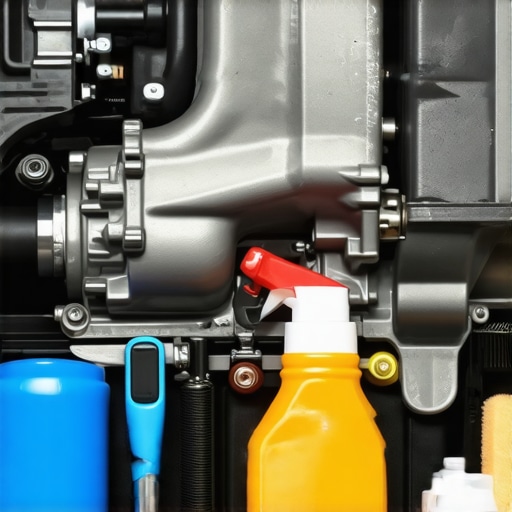
Picture this: you’re cruising down the highway, feeling good until suddenly your car starts to feel sluggish. That initial burst of power is gone, replaced by a noticeable dip in performance. I’ve been there—thinking I was doing something wrong, or that my car just aged out. But it turned out that the real culprit was something surprisingly simple: a dirty intake manifold. That lightbulb moment changed everything for me, and I want to share how a straightforward intake manifold cleaning can breathe new life into your engine’s power.
Why Your Car Loses Power and How a Simple Cleanup Can Fix It
Is Intake Manifold Cleaning Really Worth the Effort?
Initially, I was skeptical. I’ve spent years in the auto repair world, and I know what it’s like to chase after complex problems that turn out to be dirt simple. Early on, I made the mistake of assuming that engine power loss was always due to expensive repairs or worn-out parts. That’s a common misconception. The truth is, carbon buildup in the intake manifold can significantly reduce airflow, causing a noticeable drop in horsepower and fuel efficiency. According to a study by the Society of Automotive Engineers, carbon deposits can clog intake runners by up to 50%, leading to engine misfires, rough idling, and sluggish acceleration. It’s not just theory—it’s real, and it can be remedied with a little elbow grease.
If you’re experiencing a decline in your vehicle’s performance, don’t jump straight to the repair shop. Sometimes, a cleaning routine can do wonders, saving you money and unnecessary headaches. Plus, it’s a rewarding DIY project that restores that initial pep in your engine. But before diving in, I want to address common doubts and fears—like whether this process will really make a difference, and if I mess up, will I do more harm than good?
Prepare Your Workspace and Tools
First, ensure your vehicle is parked on a flat surface, engine cooled down to prevent burns, and the parking brake engaged. Gather necessary tools: socket set, screwdrivers, pliers, rubber gloves, safety goggles, and intake manifold cleaner spray. Wearing gloves and goggles keeps you protected from harsh chemicals and debris. I once started without goggles and got splashed—trust me, safety first makes the job smoother.
Remove Obstructions and Access the Intake Manifold
Disconnect the Battery and Intake Components
Start by disconnecting the negative terminal of the battery to prevent electrical shorts. Locate the intake manifold—usually at the top of the engine—and remove any engine covers or air intake hoses blocking access. Use socket wrenches to loosen clamps and bolts. I remember in a past job, I had to remove the air filter housing first; skipping that step would’ve made the process messier. Keep track of all bolts to avoid losing parts.
Clean the Intake Manifold Effectively
Spray and Scrub Carbon Deposits
Spray the intake manifold cleaner generously onto the carbon buildup inside the manifold and runners. Let it sit for about 10 minutes to loosen grime. Use a soft-bristled brush or a cloth to scrub stubborn deposits gently. I once rushed this step, and residual grime caused the engine to cough later—patience pays off. For intricate areas, toothpicks can help dislodge stubborn carbon without damaging surfaces.
Rinse and Wipe for a Clean Finish
Wipe away loosened deposits with a clean cloth. Avoid using high-pressure water, which might damage sensitive components. For thorough cleaning, repeat spraying and scrubbing until the manifold appears shiny and free of deposits. Once cleaned, inspecting the manifold for cracks or wear is wise—damaged parts could lead to larger issues down the line. I caught a tiny crack during one maintenance session, saving myself from future headaches.
Reassemble and Test Drive
Reattach all removed components in reverse order, ensuring all bolts are securely tightened. Reconnect the battery terminal, start the engine, and listen for smooth operation. You might notice an immediate boost in responsiveness and idle stability. To avoid recontamination, consider replacing the air filter if it’s dirty. After my last clean, my car felt more lively—like it had regained some lost energy. Regular maintenance prevents carbon buildup, keeping your engine running at its peak. For more tips on maintaining your vehicle, visit [maximize your car’s lifespan with regular tune-ups](https://collisionfixer.com/maximize-your-cars-lifespan-with-regular-tune-ups).Many car owners assume that a routine tune-up or auto repair is just about ticking off checklists like replacing spark plugs or changing oil. But in my extensive experience working with vehicles, I’ve observed a common misconception that can lead to costly mistakes. The truth is, understanding the nuances of vehicle maintenance can make a significant difference in how well your car performs and how long it lasts. For instance, many believe that sticking strictly to manufacturer-recommended service intervals is enough—yet ignoring subtle signs of wear or misdiagnosis can exacerbate underlying issues. Research by automotive experts reveals that a proactive approach to diagnostics, including advanced transmission analysis and engine sensors, often prevents major failures before they happen. But beware of the trap of oversimplification; some assume that all auto issues are straightforward fixes, which isn’t always the case. For example, a silent transmission slip might seem minor but can evolve into a costly overhaul if overlooked. My advice? Dig a little deeper by consulting with experienced technicians who utilize comprehensive diagnostic tools rather than relying solely on visual inspections or generic maintenance routines. Additionally, many underestimate the importance of proper cleaning and systemic checks beyond visible parts—neglecting these can lead to hidden failures, especially in complex components like the transmission or engine control modules. Take the transmission, for example: a slight hesitation during shifting might seem insignificant but could indicate early internal wear that, if caught early, can be remedied through targeted repairs instead of full replacement. *Have you ever fallen into this trap?* Let me know in the comments. For more insights on how detailed diagnostics influence car longevity, visit maximize your car’s lifespan with regular tune-ups.
Why Choosing the Right Tools Matters for Long-Term Auto Care
Maintaining a vehicle over the years requires more than just routine inspections; it demands precision tools that can handle the complexity of modern cars. I personally swear by a high-qualitydigital multimeter for diagnosing electrical issues. Unlike generic models, my Fluke 115 offers the accuracy needed to pinpoint problematic sensors or wiring faults, saving me time and avoiding unnecessary replacements. For example, when inspecting the transmission, I use a specializedOBD-II scanner with advanced capabilities, like theBlueDriver app, which provides detailed error codes and live data streams. This tool helps me identify subtle issues that a standard scanner might miss, ensuring I can address problems before they turn costly.
Another must-have is astubby socket set for tight engine compartments—trust me, reaching those bolts can be a nightmare without it. I choose my tools based on durability and ergonomic design; spend a little extra upfront, and your tools will last for years, making every repair more efficient. As vehicle technology advances, so do the tools needed to maintain them effectively; precision diagnostic devices are becoming increasingly indispensable.
Optimizing Maintenance with Proven Methods
Beyond tools, adopting proper techniques makes all the difference. For instance, regularly checking and flushing yourtransmission fluid using a dedicated pump system, such as theMityvac Fluid Extractor, ensures the process is clean and complete. I recommend using non-corrosive, synthetic fluids, which extend transmission life and improve shifting smoothness. Keep in mind, the trend is leaning toward integrating software diagnostics with physical inspections, allowing for more accurate assessments of your vehicle’s health.
Predictive maintenance is on the rise, with sensor data analyzing components like thecoolant temperature sensors orO2 sensors to preempt failures. Future developments include AI-driven diagnostic software that learns your driving habits, flagging issues before warning lights appear. Staying ahead in vehicle care means embracing these technological advancements now, rather than waiting for problems to escalate.
How do I maintain transmission health over time?
Keeping your transmission in top shape involves regular fluid changes, using high-quality lubricants, and monitoring for early signs of wear. I suggest setting a schedule based on your vehicle’s manual and sticking to it strictly. Additionally, utilizing atransmission condition analyzer like theOTC 6522 can help you detect issues such as solenoid failures or slipping, so you can address them promptly. Learning to interpret these readings allows you to catch problems early, much like spotting a small leak before it becomes a flood.
If you’re serious about boosting your vehicle’s longevity, I highly recommend trying my go-to method: invest in adiagnostic scan tool that can communicate with all onboard systems. It’ll provide you with real-time data and error codes, empowering you to perform more effective and precise repairs. For comprehensive guidance, visit maximize your car’s lifespan with regular tune-ups and get started on upgrading your maintenance arsenal today!
As I reflect on my journey through auto repair, one lesson stands out: sometimes, the simplest solutions pack the biggest punch. I’ve seen countless drivers overlook the quiet culprits like carbon deposits in the intake manifold, which quietly sabotage engine performance. My lightbulb moment came when I realized that a thorough intake manifold cleaning can revitalize your vehicle’s power, proving that you don’t always need high-dollar repairs.
Lessons Drivers Rarely Discover About Engine Efficiency
- Don’t underestimate the power of regular maintenance: I used to think only major repairs could boost engine health, but tiny tasks like cleaning the intake manifold can make a visible difference.
- Patience is key during cleaning: Rushing the process can leave stubborn deposits behind. A meticulous approach ensures the best results, much like giving your engine a spa day.
- Early detection saves money: Spotting carbon buildup before it causes misfires or poor acceleration prevents costly repairs. Trust me, a little proactive work goes a long way.
- Proper tools matter enormously: Using quality spray cleaners and brushes ensures safety and effectiveness. My favorite tools have become essential parts of my maintenance arsenal.
- Understanding your vehicle empowers you: Knowing how intake deposits affect airflow and power demystifies the repair process and makes DIY projects more rewarding.
Gear Up for Tested Strategies That Keep Your Engine Shining
- Regular tune-ups from trusted sources provide comprehensive care — don’t neglect scheduled maintenance.
- Invest in a quality set of auto repair tools for precise work, making your DIY efforts safer and more effective.
- Consult detailed guides and videos to ensure proper cleaning techniques, preventing accidental damage.
- Use manufacturer-recommended cleaners to avoid chemical damage and ensure compatibility.
Your Next Move Toward a Snappier Engine Starts Today
Remember, your vehicle’s power is a reflection of your attention to detail. By embracing simple maintenance like intake manifold cleaning, you can unlock hidden performance that modern engines are capable of providing. Don’t wait for symptoms to worsen—regular care keeps your engine humming smoothly for miles to come. Have you ever surprised yourself with a DIY fix that transformed your car’s performance? Share your story below and let’s learn together from our experiences.
For more tips on maximizing your vehicle’s lifespan, visit this comprehensive guide and start making a difference today!
,