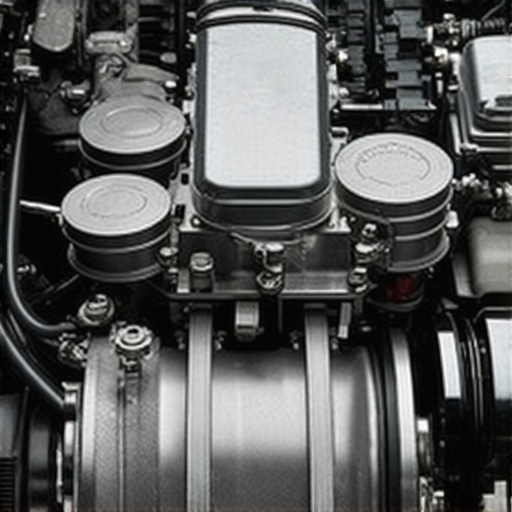
Have you ever slammed the gas pedal and felt your engine stumble or jerk, like a dancer caught off balance? That unsettling moment when your car hesitates just as you’re trying to accelerate can be downright frustrating. I remember the first time it happened to me—trying to merge onto the highway, only to have my engine cough and sputter. It was a lightbulb moment that made me realize: this is a sign something’s not right, and ignoring it could lead to bigger problems down the road.
Cracking the Code on Engine Hesitation
What’s lurking under the hood that causes this hiccup? About 85% of engine stumbles during acceleration are tied to fuel delivery, ignition issues, or airflow restrictions—things that are often simple to diagnose and fix. When I initially overlooked this problem, I kept pouring money into unnecessary repairs, like replacing spark plugs that didn’t need changing. Trust me, my early mistake was assuming every rough start was just normal wear and tear. But with a little patience and some basic troubleshooting, I discovered the root cause was often something as straightforward as a dirty air filter or a clogged fuel injector.
Is Engine Stumbling Truly a Big Deal?
Some drivers dismiss engine hesitation as a minor annoyance. I used to think that way—until I learned that ignoring this issue can cause poor fuel economy, increased emissions, and even damage to your engine over time. Did you know that unresolved fueling problems can lead to clogged fuel injectors or a failing mass airflow sensor? Those are costly repairs that can easily be avoided if caught early. I admit, I was guilty of delaying repairs because I thought it was
Start with a Visual Inspection
Before diving into complex diagnostics, perform a quick visual check under the hood. Look for loose or damaged hoses, cracked vacuum lines, or signs of leaks around the intake manifold. A messy engine bay can hide clogged filters or disconnected wires. During my first attempt, I found a disconnected air intake hose that was causing inconsistent airflow, immediately restoring smooth acceleration.
Replace or Clean the Air Filter
The air filter acts as the lungs for your engine. A clogged filter restricts airflow, leading to hesitation. Remove the filter and hold it up to a light — if you can’t see light through it, it’s time for a replacement. Cleaning with compressed air can help if it’s just dusty, but a new filter often yields better results. I once cleaned mine, but after a week, the hesitation returned; a quick replacement fixed the issue permanently.
Check Fuel System Components
Test the Fuel Pump
Ensure your fuel pump delivers steady pressure. Connect a fuel pressure gauge at the fuel rail (or have a mechanic do it). If pressure is low or fluctuates, the pump or its relay might be failing. An easy at-home test for the alternator’s role in fueling involves using the instructions from this guide. Replacing a weak fuel pump can markedly improve acceleration smoothness.
Clean or Replace Fuel Injectors
Clogged fuel injectors can cause uneven fuel delivery. You can try fuel injector cleaner additives — pour them into your gas tank and let it run for a few tanks. If hesitation persists, professional cleaning or replacement of injectors might be needed. I had stubborn injectors, and using a dedicated cleaner significantly improved my engine response.
Examine Spark Plugs and Ignition System
Worn or fouled spark plugs disrupt combustion. Remove your spark plugs with a spark plug socket, inspect for soot or damage, and replace if necessary. Ensuring proper gap size (refer to your vehicle manual) enhances performance. I replaced old plugs, and the difference was night and day — acceleration became confident and swift.
Assess the Airflow Sensor and MAF
The mass airflow sensor (MAF) measures incoming air to adjust fuel injection. A dirty or failing MAF causes hesitation. To test it, disconnect the sensor and see if the hesitation stops; if it does, cleaning or replacing the sensor can help. For a thorough fix, consider cleaning the MAF with a specialized sensor cleaner. This step is critical; touching this guide can help if you decide to replace it.
Inspect the Throttle Body
A dirty throttle body can cause inconsistent acceleration. Remove the air intake hose, and clean the throttle plate with throttle body cleaner. Wipe away grime and ensure the throttle moves freely. I used an old toothbrush dipped in cleaner to scrub the deposits, which resulted in a noticeable improvement in throttle response.
Check for Fault Codes
Use an OBD-II scanner to read error codes from your vehicle’s computer. Codes related to misfires, sensors, or fuel delivery often point directly to the problem area. Many auto parts stores provide free scans, or you can invest in a portable scanner. Once I read a code for a failing throttle position sensor, replacing it immediately restored smooth acceleration.
Test the Transmission and Clutch (If Applicable)
If your vehicle is manual, a slipping clutch can mimic hesitation. For automatics, transmission issues might be at play. Use a service like this quick test to check transmission health. In my case, a slipping clutch made me think it was fuel or airflow, but replacing the clutch solved the jerking during acceleration.
Many drivers believe that all car maintenance is straightforward, but in reality, there’s a lot of nuance that often gets overlooked. One common misconception is that routine tune-ups or transmission fluid changes are purely optional or only necessary after noticeable symptoms. However, experts from Collision Fixer emphasize that timely and proper service can prevent costly repairs down the line, especially for components like the transmission, which are complex and sensitive. A frequent mistake is relying solely on the age or mileage of a vehicle to judge its needs, rather than considering driving habits, environmental factors, and manufacturer recommendations. For instance, neglecting to check for early signs of transmission wear can result in sudden failure, leading to expensive repairs or replacements. Additionally, many assume that using generic or universal fluids, particularly for transmissions, is a safe choice, but studies have shown that such oils can cause more harm than good by not matching OEM specifications. To avoid these pitfalls, it’s crucial to understand the specific requirements of your vehicle and consult trusted sources or professionals. Never underestimate the importance of proper diagnostics—using tools like an OBD-II scanner or testing your alternator as demonstrated [here](https://collisionfixer.com/the-simple-way-to-test-your-alternator-at-home) can reveal underlying issues before they escalate. Remember, regular maintenance isn’t just about ticking boxes; it’s about proactive care that keeps your vehicle running smoothly and safely for years to come. Have you ever fallen into this trap? Let me know in the comments.
Tools I Recommend for Reliable Car Care
Maintaining your vehicle’s health over the years requires more than just basic knowledge—it demands the right tools. One of my go-to pieces of equipment is a high-quality OBD-II scanner. I personally rely on the 10-tool comprehensive diagnostic kit because it allows me to quickly read error codes, monitor real-time sensor data, and reset check engine lights without visiting the mechanic. This saves me both time and money, especially on routine checks.
Another invaluable tool is a reliable digital tire pressure gauge. Accurate tire pressure is critical for safety and efficiency; I use one with a backlit display to ensure I get precise readings even in low-light conditions. Remember, consistent tire pressure maintenance extends tire life and improves fuel economy.
For inspecting and maintaining transmission health, I recommend a fluid tester kit. This facilitates checking the condition of your transmission fluid—vital since degraded fluid can cause shifting issues or damage, especially in vehicles with manual transmissions. Regular testing helps catch problems early, preventing costly repairs down the line.
How do I keep these tools in top shape?
Proper storage is key. Keep diagnostic devices and gauges in a dedicated toolbox, away from moisture and extreme temperatures. Periodically update your software-based tools to ensure compatibility with your vehicle’s systems. I make it a habit to recalibrate my gauges annually to maintain accuracy. Maintaining your tools isn’t just about longevity; it’s about ensuring trustworthy readings to keep your car running smoothly over time.
Long-Term Benefits of Investing in Proper Equipment
Using the right tools for regular inspections can dramatically extend your vehicle’s lifespan. They allow you to catch issues early—be it a failing alternator, worn-out belts, or transmission irregularities—before they escalate. For example, testing your alternator with a simple method can prevent unexpected breakdowns, saving you stress and repair costs. As technology advances, expect more smart diagnostic devices that integrate with your smartphone, providing real-time alerts and maintenance reminders, making the future of car care even more automated and accessible.
What’s the best approach to maintain your vehicle over time?
I suggest adopting a proactive mindset: schedule routine checks for vital components and utilize your diagnostic tools regularly. Staying ahead of potential issues ensures your car remains dependable, safe, and efficient. Try committing to a monthly diagnostic scan or fluid test—it’s a small investment that can save you big bucks in repairs long run. Want to learn more about system health? Check out this quick transmission test for peace of mind.
Lessons That Changed My Approach to Car Care
One surprising lesson I learned is that even the smallest details, like a dirty air filter or a loose vacuum hose, can significantly impact your car’s acceleration. Over time, I realized that being attentive to these minor issues prevents major breakdowns. For instance, ensuring your throttle body is clean can mean the difference between hesitant and confident acceleration, saving you money and stress. Additionally, I discovered that regularly testing your alternator, as explained here, can prevent unexpected dead batteries, especially during colder months. The most important thing I wish I knew earlier is that proactive diagnostics with the right tools can spot potential problems before they escalate—think of it as health check-ups for your vehicle.
My Go-To Resources for Maintaining Car Performance
When it comes to keeping my vehicle in top shape, I swear by a quality OBD-II scanner, such as the 10-tool diagnostic kit. It empowers me to identify issues early and understand what my car is telling me. I also rely on a digital tire pressure gauge to ensure safety and efficiency on every trip, which I trust because of its accuracy and durability. For more advanced needs, I use a fluid tester kit to evaluate transmission fluid health, preventing shifting problems. Lastly, I stay informed with trusted guides and articles like those on Collision Fixer, which give me peace of mind and practical knowledge for DIY fixes.
Your Next Step Toward Confident Driving
Taking control of your car’s health is within reach, and doing so can transform your driving experience. Remember, the key is regular checks and being attentive to early warning signs of hesitation or sluggish performance. Now is the perfect time to start using diagnostic tools or review your maintenance routine to keep your vehicle running smoothly. Investing time in understanding your car not only saves money but also ensures safety and reliability in the long run. So why not begin today—your vehicle will thank you, and you’ll enjoy every mile with confidence.