
I’ll never forget the first time I heard that strange clicking noise while turning the steering wheel. It was late afternoon, and I was just trying to pull into my driveway after a long day. Suddenly, that sharp, almost mechanical sound echoed through my car’s cabin, making me stop dead in my tracks. My first instinct? Panic. Was my steering about to give out? Did I break something? That feeling of helplessness is all too familiar for many of us, especially when our trusty rides start acting up unexpectedly.
What’s Behind That Annoying Click?
The truth is, that telltale clicking sound is more than just an irritation—it’s a sign something might be amiss with your vehicle’s steering system. From worn-out CV joints to loose steering components, there are several common culprits. But before you start imagining costly repairs, let’s clear the air: often, a simple fix can restore your peace of mind and your car’s smooth operation.
Is the Buzz Worth Worrying Over?
Trust me, I’ve made my share of mistakes early on. Once, I ignored the clicking, assuming it was minor, only to find it worsened over time, leading to expensive repairs. According to automotive experts, ignoring these sounds can sometimes escalate minor issues into major headaches. So, if you’re tired of that nagging noise and want to keep your car in top shape, you’re in the right place. Today, we’ll uncover what’s causing the click and how you can address it without breaking the bank. Curious if your problem is something simple or serious? Stay tuned because the solutions might surprise you. Additionally, if you notice other unusual noises or handling issues, it might be worth checking out related issues, such as steering heaviness or strange vibrations, which often hitch a ride with clicking sounds. For example, heavy steering during parallel parking often points to power steering system issues—a common concern for many drivers.
Now, before we jump into specific fixes, I want to share a quick story. During my early Auto Repair days, I once misdiagnosed a steering problem, only to realize later the importance of thorough inspection. Don’t make that mistake! Instead, let’s walk through the most common causes of steering clicks and what you can do about them. Ready to get your hands dirty and keep your car running smoothly? Great—here’s where the real troubleshooting begins.
Inspect Your Steering Components for Wear
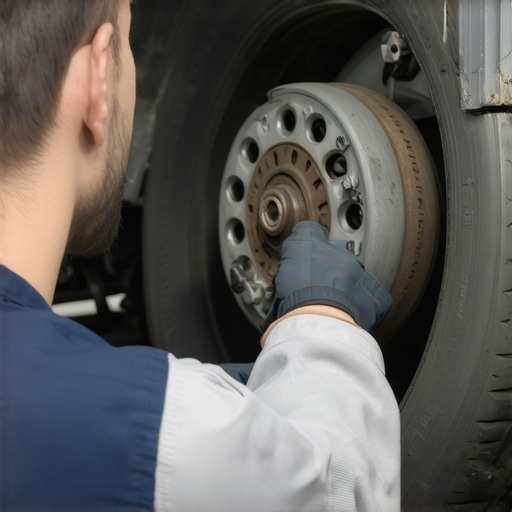
Begin by safely lifting your vehicle and removing the wheel to access the steering assembly. Visually examine the steering rack and linkage for signs of damage or play. A worn-out CV joint or loose connection could be the culprit. I once took my car apart during a weekend project and found a visibly cracked CV joint boot—replacing it immediately stopped the clicking and improved steering smoothness.
Lubricate or Replace Worn Parts
If the components look intact but feel dry or gritty, apply proper lubricant or consider replacing heavily worn parts. Lacking specific tools? Think of it like lubing squeaky door hinges; a little spray can restore quiet and functionality. Remember, applying the right lubricant ensures longevity of steering parts. During my last repair, a simple greasing job transformed a noisy, clicky steering system into a silent, responsive setup.
Check for Loose or Damaged Bushings and Bearings
Loose bushings might cause play that results in clicking noises. Tighten or replace bushings and bearings as needed. It’s like replacing worn-out shock absorbers to smooth your ride—these small parts have a big impact. In my experience, neglecting these can cause persistent noise and uneven steering. Using a torque wrench ensures proper tightness, preventing over-tightening which can damage parts.
Verify Power Steering Fluid Levels and Condition
Low or dirty power steering fluid can make steering feel heavy and cause clicking sounds during turns. Check the fluid level using your vehicle’s reservoir. If it’s low, top it off with manufacturer-recommended fluid, but be cautious—overfilling can be as bad as running low. Sometimes, flushing old fluid is necessary. Flushing your power steering fluid can clear debris that causes noise and stiffness. I once added fluid to fix a slight resistance, only to find that a full flush was needed when noises persisted after a month.
Test the Steering for Play and Noise
After adjustments, carefully test the steering by turning the wheel left and right at low speeds. Feel for any looseness or abnormalities. An easy method is to hold the wheel at the 12 and 6 o’clock positions and gently wiggle; excessive movement indicates worn steering components. If clicking continues, revisit the inspection points or consider professional diagnostics. When I diagnosed a persistent click, I found a loose steering rack bolt—tightening it resolved the issue entirely.
Maintain Your Steering System Regularly
Prevent future clicking by scheduling routine inspections, especially if your vehicle is older or driven on rough roads. Regularly lubricate joints and check fluid levels, much like scheduling a dental cleaning to keep your smile bright. Consistent maintenance saves money and keeps your driving smooth and safe.
When it comes to car maintenance, many enthusiasts and everyday drivers operate under a set of common beliefs that, surprisingly, can be misleading. While routine service like oil changes and tire rotations is essential, there’s a deeper layer of nuances that often go unnoticed—nuances that can make or break the longevity and performance of your vehicle. Let’s uncover some of these lesser-known truths and pitfalls that even seasoned owners tend to overlook, ensuring you make smarter decisions during your auto repair journey.
Why Relying Solely on Routine Checks Can Backfire
A prevalent misconception is that sticking strictly to the recommended service intervals guarantees longevity. However, in my experience, this approach overlooks the significance of diagnosing emerging issues early, especially in components that degrade faster under harsh conditions. For instance, neglecting to scrutinize your transmission fluid’s condition beyond just checking the level can lead to premature gear wear. Studies suggest that contaminated or degraded transmission fluid significantly accelerates transmission failure, emphasizing the importance of inspecting the fluid’s state regularly—more than just ensuring it’s topped off. This step is often skipped by owners who assume fluid levels alone tell the whole story.
Advanced Mistakes: The Fine Line Between DIY and Professional Repairs
Many believe they can handle complex tasks like replacing a clutch spring or fixing a fault in the gear linkage with basic tutorials. While some repairs are feasible for the dedicated DIYer, attempting intricate repairs without the proper tools or knowledge can cause more damage. For example, installing a misfitted gasket leak repair, such as a mass airflow sensor gasket, or improperly sealing a transmission can result in performance drops or catastrophic component failure. Remember, the devil is in the details, and sometimes the most straightforward fix isn’t suitable for a novice. Understanding the small components that impact your clutch pedal can guide you in avoiding costly mistakes.
Do I Really Need a Full Tune-Up Every Year?
Contrary to popular belief, a full tune-up might not be necessary annually for every vehicle. Modern cars have advanced sensor systems and onboard diagnostics that flag issues when they arise, reducing the need for proactive, blanket tune-ups. Instead, paying close attention to symptoms like rough starts, misfires, or dropping fuel economy can help you target specific problems, saving time and money. For instance, replacing spark plugs only when fouled or worn out, rather than on a fixed schedule, respects the vehicle’s actual needs. As experts highlight, over-maintenance can sometimes cause more harm than good, like excessive use of non-recommended fluids or unnecessary filter replacements.
How Can Overlooking Fluid Quality Damage Your Vehicle?
One of the most underappreciated factors is fluid condition. Many owners believe that maintaining maximum fluid levels suffices, but neglected fluids—such as engine oil, brake fluid, or coolant—can quickly become contaminated, reducing their effectiveness. Dirty transmission fluid, for example, can lead to sluggish gear engagement and early transmission failure. Flushing and replacing these fluids as part of scheduled preventative maintenance can prevent costly repairs down the road. Remember, clean fluids are the lifeblood of your vehicle’s systems, ensuring smooth operation and extending component life.
Are Your Car’s Warning Lights Really Reliable Indicators?
Some drivers dismiss warning lights as occasional glitches, but these signals are often early alerts of underlying issues. Ignoring them, especially the check engine or transmission warning lights, can lead to severe damage. For example, a persistent check engine light might stem from a simple sensor malfunction or a more serious engine misfire or leak—such as a gasket leak causing airflow errors. Consulting an experienced mechanic for accurate diagnosis is always the prudent step—don’t wait until it’s too late. Gasket leaks and airflow errors are common issues often mistaken for minor problems but can escalate quickly.
Finally, it’s essential to recognize that complex system interactions, like the relationship between your vehicle’s power steering, transmission, and engine management, can exhibit symptoms that seem unrelated but are interconnected. Advanced diagnostics and a comprehensive understanding of these nuances enable you to maintain your vehicle optimally and avoid costly surprises. So, have you ever fallen into this trap? Let me know in the comments. Staying informed is the key to smarter auto repair!
How do I maintain my vehicle’s performance over time?
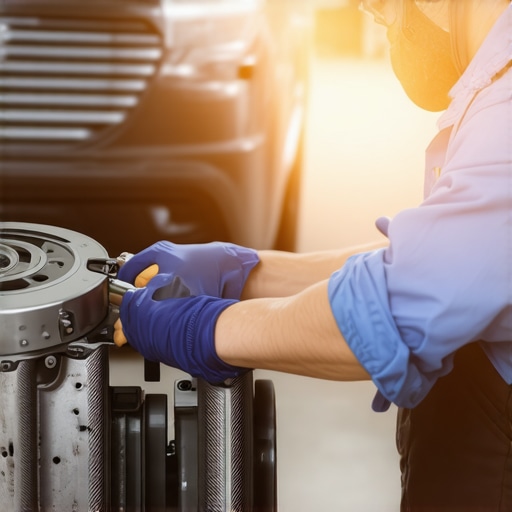
Maintaining your car effectively requires not just knowledge but also investing in the right tools that can handle routine inspections and minor repairs. I personally vouch for a high-quality digital inspection mirror and a sturdy torque wrench. The digital inspection mirror allows me to access hard-to-see areas like behind the engine or under the chassis without the need to lift the entire vehicle, saving time and reducing the risk of injury. I prefer a mirror with adjustable lighting so I can spot leaks or corrosion easily during inspections.
The torque wrench is indispensable when tightening nuts and bolts to manufacturer specifications, particularly for safety-critical parts such as wheel lug nuts or suspension components. Correct torque prevents over-tightening, which can damage components, or under-tightening, which could lead to accidents. I use a calibrated torque wrench regularly, especially during wheel alignments or brake jobs, to ensure safety and longevity of parts.
Why reliable diagnostic software is a game-changer
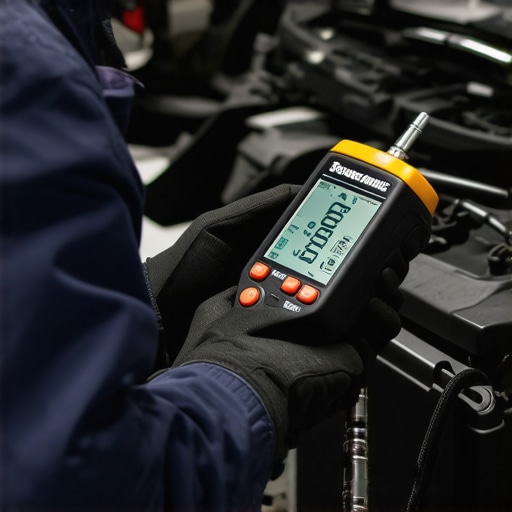
In today’s auto repair landscape, integrated diagnostic software like the OBD-II scan tools combined with a laptop or tablet has revolutionized how I diagnose issues. It provides real-time data, error codes, and live sensor readings, enabling me to pinpoint problems like misfires, sensor failures, or fluid leaks promptly. For example, during a recent check, I discovered a mass airflow error caused by a gasket leak, which was quickly diagnosed and fixed, saving both time and money.
Predicting future trends, I believe AI-powered diagnostic tools will soon incorporate predictive analytics, alerting owners about potential failures before symptoms appear. This proactive approach could route maintenance from reactive to preventative, prolonging vehicle lifespan and reducing repair costs.
Using specialized cleaning agents for long-term results
Regular cleaning is vital, especially for components like the idle air control valve. A proven method I recommend is using a dedicated electrical contact cleaner combined with a brush to remove carbon buildup that often causes rough starts. For the transmission, I use a high-quality transmission fluid cleaner, which dissolves deposits and restores smooth shifting, extending the life of the gearbox.
Scaling up your auto maintenance is easier than you think
If your car has accumulated miles or you own a fleet, investing in a scan tool with advanced features and training staff to use it can drastically improve maintenance efficiency. Automated scheduling software integrated with diagnostics can notify you before symptoms worsen, reducing downtime. As the trend points towards smarter, connected vehicles, staying ahead with the right tools will become essential for ongoing reliability and safety.
Don’t forget, consistent use of these tools and methods ensures your vehicle remains in top shape. Why not start today by checking your fluid levels with an advanced diagnostic scanner? It’s a simple step that can reveal hidden issues before they develop into costly repairs.
Over the years, I’ve learned that the most valuable insights into car maintenance often come from personal experiences and lessons that aren’t found in standard manuals. These insider wisdom nuggets have saved me from unnecessary repairs and have helped me build a more intuitive understanding of vehicle health.
The Hardest Lesson I Learned About car service,transmission,collisionfixer,tune up,auto repair
- Never underestimate the importance of fluid condition – a simple transmission fluid flush can prevent costly gearbox issues, as highlighted here. Ignoring this often leads to premature transmission failure.
- Understanding that small components like bushings and gaskets play an outsized role in the smooth operation of your vehicle. Replacing a worn gasket or a damaged bushing early on can save you from complex repairs down the line.
- Realizing that diagnostics are your best friend — investing in quality scan tools can provide early warnings about potential issues, allowing you to act proactively rather than reactively.
- Learning to trust your instincts — if something feels off during a drive, don’t dismiss it. Addressing minor symptoms early often prevents major breakdowns later.
My Essential Toolkit for Auto Knowledge
- Diagnostic Scanner: A reliable OBD-II scanner helps me identify issues before they escalate, which is crucial in maintaining vehicle longevity. I personally recommend models that connect easily with smartphones for real-time data.
- Torque Wrench: Ensures all nuts and bolts are tightened to manufacturer specs, which is vital for safety and durability. My calibrated torque wrench has become my go-to tool for every repair.
- Quality Lubricants and Fluids: Using the right lubricants prolongs component life. I swear by manufacturer-recommended products for different parts, especially for steering and transmission.
- Cleaning Agents: Regular cleaning with specialized agents, like those for the idle air control valve, keeps systems running smoothly and prevents buildup that can cause issues.
Remember, Maintenance Begins with You
Your vehicle’s health isn’t solely in the hands of mechanics or repair shops; it’s a partnership. Regular checks, timely fluid changes, and attentive listening to your car’s subtle cues can make all the difference in extending its lifespan and performance. The more you educate yourself and stay proactive, the more money and stress you save.
So, what’s the one thing you’ve overlooked in your car maintenance routine? Drop your experience below and let’s learn from each other’s journeys to smarter auto care.