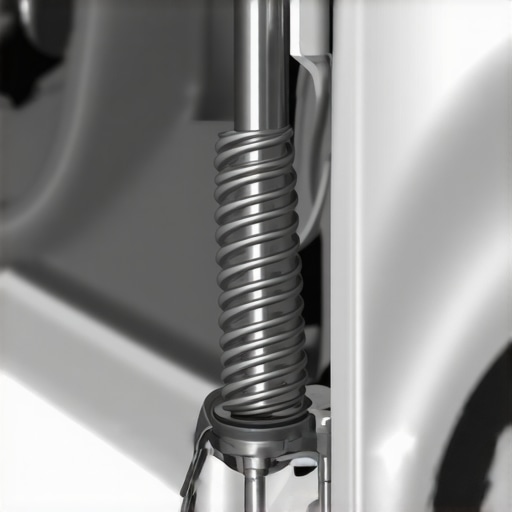
Ever been in the middle of a crucial drive when suddenly your clutch pedal feels like it’s glued to the floor? It’s a sinking feeling, and honestly, it sneaks up on you like a bad surprise. One day, I was cruising along, shifting smoothly, then bam—the pedal just wouldn’t come back up after a shift. I had no idea what was going on, and honestly, I was pretty worried about a costly repair. Turns out, it was a tiny spring—the kind most folks overlook—that was causing all the frustration.
A Small Spring with Big Consequences
Imagine this: a tiny spring that’s responsible for returning your clutch pedal to its resting position suddenly breaks or gets stuck. As a result, the pedal sticks, making your car nearly impossible to shift properly. That’s exactly what happened to me, and I bet many of you have experienced or will experience this at some point. The good news? This issue is often simple to fix and doesn’t require a full clutch replacement.
But here’s the thing—many drivers, myself included early on, make a common mistake: ignoring that weird feeling or delayed pedal return. We tend to think it’s just a minor nuisance or the symptom of an aging clutch. That’s where the danger lies. If you ignore it, you might end up damaging other clutch components or facing off with more expensive repairs down the line.
Today, I promise to walk you through exactly how to identify if your clutch pedal sticking is caused by that small spring, and more importantly, how to fix it. It’s a quick, affordable fix that can save you a lot of headache—and money.
Is It Really Worth the Fuss Over a Tiny Spring?
You might be skeptical—probably thinking, ‘It’s just a spring. How big of a deal can it be?’ I get it. I used to dismiss these tiny components as insignificant. But I learned the hard way that overlooking small parts can lead to bigger problems. A broken clutch spring can lead to inconsistent clutch engagement, which impacts your safety and driving comfort. Plus, it can wear out your clutch disc prematurely.
My early mistake was ignoring that sluggish pedal and hoping it would sort itself out. Instead, I should have inspected the clutch system sooner. That oversight almost ended with a costly clutch replacement.
If you’re feeling unsure or have faced this frustrating pedal sticking problem, don’t worry. There’s a practical solution, and I’ll guide you through it step-by-step. Whether you’re a seasoned DIYer or just someone looking to save some cash, understanding this minor, yet critical, component can keep your clutch functioning smoothly.
Once we identify the culprit, I’ll show you how to easily replace that small spring and restore your clutch’s quick response. Ready to get started? Let’s dive into the root cause and how to fix it fast.
Accessing the Clutch Assembly
Start by parking your car on a flat surface and engaging the handbrake. Use jack stands to lift the front of the vehicle securely. Locate the clutch pedal inside the driver’s footwell; then, remove any panels or covers beneath the dashboard to expose the pedal assembly. This initial step ensures you have clear access for inspection and repair.
Identifying the Spring
With the pedal exposed, look for the return spring—typically a small coil or torsion spring—that attaches between the pedal and the firewall or linkage. I recall a time when I discovered my spring had become detached after noticing the pedal lagging; replacing it immediately restored proper pedal function.
Removing the Broken or Stuck Spring
Use pliers or a small screwdriver to carefully detach the spring from its hooks. Be cautious—these springs are under tension and can snap unexpectedly. Wear gloves for protection. If the spring is broken, remove all remnants from the attachment points. For a spring stuck in place, gently release any tension or corrosion that’s causing it to stay put.
Tip:
If you’re having trouble removing or installing the spring, applying a bit of penetrating oil can loosen rust and ease the process. Just ensure to wipe off excess to prevent dirt buildup.
Installing the New Spring
Attach the new spring by hooking one end onto the pedal’s mounting point. Then, stretch the spring carefully to attach the other end to the firewall or linkage. Use the pliers for leverage, but don’t overstretch the spring—otherwise, it may break prematurely. Once secured, check the tension by pressing the pedal; it should return smoothly and promptly to its resting position.
Testing and Final Checks
Lower the vehicle from the jack stands. Step on the clutch pedal multiple times to ensure consistent movement and return. If the pedal feels spongy or sticks again, double-check spring placement or look for additional issues like cable misalignment or hydraulic leaks. Remember, even a minor misadjustment can cause big driving discomfort.
Preventative Tips
Inspect the clutch spring periodically, especially if you’ve noticed sluggish pedal response. Lubricate hinges and linkage points to avoid corrosion buildup. Regular maintenance prolongs the lifespan of these small but critical components, saving you time and money down the line.
Many car owners believe they understand the fundamentals of vehicle maintenance, but certain misconceptions persist that can lead to costly mistakes. One widespread myth is that all repair shops are equally trustworthy. In reality, not every shop adheres to the same standards, making it crucial to know which signs indicate quality service, especially when dealing with complex repairs like transmissions or engine diagnostics.
Another misconception is that using universal transmission fluids is always acceptable. However, as detailed in this article, different transmission systems require specific fluids to maintain optimal performance and prevent damage. Using the wrong type can lead to early wear or complete failure, often unnoticed until severe symptoms appear.
Are DIY Repairs as Cost-Effective as They Seem? Uncovering Hidden Risks
Many enthusiasts jump into DIY repairs, believing they can save money. While this is true in simple tasks, such as replacing a fuse or changing oil, attempting advanced repairs without proper expertise can be dangerous. For instance, improperly replacing transmission components or failing to calibrate sensors correctly can exacerbate issues, leading to more expensive repairs down the line. For example, misdiagnosing a differential fluid problem might mask symptoms that indicate a need for immediate professional intervention, as explained here: warning signs of dry differential fluid.
Furthermore, misunderstandings about repair processes can impact vehicle safety and longevity. Overlooking subtle signs like incomplete sealing or improper torque can result in recurring problems. This highlights the importance of knowing your limits and recognizing when to consult a professional, especially for critical components such as the torque converter or the timing belt.
In the realm of car service, it’s tempting to believe that routine maintenance is optional or can be postponed indefinitely. Contrary to this belief, neglecting scheduled tune-ups and inspections can cause minor issues to escalate. For example, a small gasket leak—if ignored—could lead to a significant airflow error impacting fuel efficiency, as discussed here.
To sum up, understanding the nuances of vehicle repair—not just the basics—can prevent unnecessary expenses and ensure your car remains safe and reliable. Always question common beliefs and consult trusted sources or experts when in doubt. Remember, quick fixes and assumptions might save time in the short term but could cost you dearly later. Have you ever fallen into this trap? Let me know in the comments!Maintaining your vehicle’s performance over time requires more than just basic knowledge; investing in the right tools and adopting proper maintenance routines can save you significant money and stress. I personally rely on specialized equipment and software that cater to the nuances of auto repair, especially when dealing with complex systems like transmissions or engine diagnostics. For instance, a high-quality scan tool like the Autel MaxiSys MS919 allows me to quickly read and clear fault codes, track sensor behavior, and even perform calibration procedures without visiting a shop. This particular device’s extensive ECU coverage and user-friendly interface make it invaluable for both professional mechanics and dedicated DIY enthusiasts.
How do I maintain car systems over time?
Consistency in routine inspections is key. I.follow a scheduled checklist that includes checking fluid levels, inspecting belts and hoses, and ensuring that electronic systems are functioning correctly. Regularly updating software on your vehicle’s diagnostic tools ensures compatibility with the latest car models and features, which is crucial in an evolving automotive landscape. As cars become more connected, investing in tools that facilitate remote diagnostics or software updates is becoming increasingly advantageous. Looking ahead, the integration of AI-driven diagnostic systems may further streamline maintenance, allowing even complex issues to be diagnosed and addressed swiftly and accurately. Remember, preventive maintenance with the right tools not only extends your vehicle’s lifespan but also enhances safety and driving enjoyment.Ever faced that unsettling moment when your clutch pedal sticks to the floor right in the middle of a drive? It’s a maddening experience that often seems to come out of nowhere. I recall a time when I was cruising comfortably, shifting with ease, only for my pedal to stubbornly stay down after a gear change. At first, I thought it was a major problem, but it turned out to be a small spring—not more than a coil—that was the culprit. This tiny component can have outsized effects on your driveability, and understanding it can save you a ton of headaches.
Unveiling the Power of Small Details in Auto Repair
Discovering that a single spring’s failure could cause my clutch to malfunction was a real eye-opener. It taught me to pay closer attention to the seemingly insignificant parts, because they often govern essential functions. Overlooking a broken spring or ignoring delayed pedal return can lead to premature wear on your clutch components or even hazardous driving conditions. The key takeaway? Never dismiss small issues—they’re often the signs of bigger problems on the horizon.
Step-by-Step Fix for a Sticking Clutch Pedal
Accessing the clutch assembly involves safely elevating your vehicle and removing interior panels to reveal the pedal mechanism. Spotting the spring is straightforward once you understand what to look for—a small, coil-like component connecting the pedal to the firewall or linkage. Carefully detach the damaged spring using pliers, always wearing gloves to protect against sudden tension release. When installing the new spring, ensure it’s properly hooked without overstretching, to maintain optimal tension. After reassembly, testing the pedal’s response confirms the fix was successful.
Transforming Small Repairs into Preventative Wins
Regularly inspecting your clutch spring and linkage can prevent unexpected sticking and costly repairs. Applying a bit of penetrating oil to rusted parts keeps the tension springs flexible and functioning. Remember, maintaining these small yet vital components translates into smoother shifts, longer clutch life, and safer driving. A proactive approach to minor issues often pays dividends in reliability and performance.
The Power of Knowledge: Small Parts, Big Impact
Understanding the role of tiny components like springs reshapes how we approach automotive issues. It reminds us that detailed knowledge empowers us to perform effective repairs and avoid unnecessary shop visits. Personal experience has shown that even a seemingly insignificant spring can be the difference between a routine fix and a costly overhaul. Embracing this detail-oriented mindset is the secret to true mastery over your vehicle’s health.
My Top Tips for Lasting Clutch Performance
– Keep an eye on pedal feel and response—early signs of spring wear or linkage issues.
– Use penetrating oil periodically to prevent rust buildup on springs and moving parts.
– When in doubt, consult trusted guides or professionals before dismissing minor pedal irregularities.
For further insights into clutch system care, you might find this article helpful: warning signs of dry differential fluid. Regular maintenance and understanding your vehicle’s nuances can drastically enhance your driving experience.
Have you ever overlooked a minor component that turned out to be critical? Share your story below—I’d love to hear how small parts made a big difference for you.