I remember the first time I bought a used car. Excitement quickly turned into anxiety when I reached the transmission part—would it shift smoothly? That nagging doubt about the car’s inner workings haunted me every time I took it for a spin. One day, after a frustrating experience at the mechanic—where I waited hours and paid a hefty bill—I realized I missing out on a simple, quick test I could do myself. A lightbulb went off: testing the transmission carefully doesn’t have to be complicated or time-consuming, especially if you know what signs to look for in just five minutes.
Why Testing Your Transmission Matters More Than Ever
In the world of used cars, knowing the condition of your transmission can save you thousands. A bad transmission isn’t just a nuisance; it can become an expensive repair nightmare that drains your wallet and ruins your driving experience. Recent studies show that many used cars are sold with hidden transmission issues, often undetectable during a quick inspection—leading to buyer’s remorse or unexpected breakdowns. As I learned from my own early mistakes, not testing the transmission properly often means leaving behind red flags that could save you from future headaches. But here’s the thing: you don’t need special tools or hours of work to get a good sense of your used car’s transmission health. In fact, you can do a quick test on the spot that reveals a surprising amount of information. Curious? Keep reading, because I’ll walk you through the simple steps that turned my car buying experience around and can do the same for you.
Is a 5-Minute Transmission Test Really Worth the Hype?
Early on, I fell into the trap of trusting that shiny exterior and smooth accelerator—only to find out later that the transmission was on its last legs. A mistake I made was ignoring basic but crucial signs like delayed gear engagement or strange noises, thinking they were minor. Trust me, I’ve been there. It’s easy to underestimate how quickly a transmission can degrade—especially if you’re not familiar with the signs. The good news? There’s a simple, effective method to test your used car’s transmission in just a few minutes, without fancy diagnostics. Discovering these signs early can mean the difference between a smooth ride and an expensive repair bill. Want to learn how to perform this quick check yourself? Let’s dive into the steps that can help you assess your car’s transmission health efficiently and confidently—saving you time, money, and stress.
Get Your Hands Dirty: Step-by-Step Transmission Testing
First, find a flat and safe road where you can accelerate and shift gears without distractions. Start the engine, press the brake, and shift into “Drive.” Accelerate to about 20-30 mph, then release the gas pedal and observe how the transmission responds. I did this during my last used car hunt—initially, I was nervous, but following these steps revealed a hesitation in shifting that I would have missed otherwise. Next, come to a complete stop, shift into “Reverse,” and gently accelerate backward. Smooth engagement indicates healthy transmission operation.
Feel for Delays and Strange Noises
During the test drive, pay close attention to when the gear shifts happen—if there’s a delay or an unusual clunk, that could signal trouble. When I tested my friend’s car, I noticed a slight hesitation between gears, likening it to a gear hitch in a buggy. Several times, I jarned at how similar that was to transmission hunting gear issues. If you notice delayed or rough shifts, it’s a red flag. Also, listen for high-pitched whines or grinding sounds—these are often signs of internal damage or low fluid levels, which can be verified by checking the fluid condition and levels.
Check for Transmission Fluid Condition
Transmission fluid is like the blood of your gearbox—if it’s dark, smells burnt, or is cloudy, it indicates poor maintenance or imminent failure. For a quick inspection, locate the transmission dipstick (consult your vehicle manual if unsure) and pull it out. Wipe it clean with a rag, reinsert, then pull it out again to check the level and color. A bright red, translucent fluid at the proper level is good; if it’s dark or smell burnt, that suggests the need for a fluid change or further diagnostics. When I did mine, I found the fluid was slightly burnt, prompting me to consider a transmission cooling tune-up—saving myself from costly repairs.
Test for Overheating Signs
Driving a few miles in around-town conditions while monitoring how the transmission feels can reveal overheating issues. A transmission that heats up quickly and shifts poorly is a concern. You can also perform a quick check by feeling the transmission pan or casing—if it’s excessively hot to touch, that signals a problem. I once ignored this simple tip and ended up with a cooked transmission—an experience I wouldn’t want anyone else to have. Regularly checking the fluid temperature and condition helps prevent overheating and extends your transmission’s lifespan.
Use Your Senses to Confirm
At every step, trust your senses. Strange smells, vibrations, or noises during the test are clues—think of your senses as the car’s health report cards. The goal is to identify these warning signs early, much like noticing a tiny leak before it becomes a flood. Remember, a quick, attentive check can be the difference between a smooth ride and a sudden breakdown. Incorporate these simple steps into your routine, and you’ll gain confidence in identifying transmission issues before they escalate.
Many car owners operate under misconceptions when it comes to routine maintenance and repairs, often leading to costly mistakes. One prevalent myth is that all transmission fluids are universal; however, using the wrong type or neglecting timely fluid changes can accelerate transmission wear, as explained by automotive experts. Additionally, a common trap is assuming that a shiny exterior guarantees mechanical health—while appearances matter, the engine and transmission condition are crucial indicators of a vehicle’s reliability. Tap into the subtle signs that reveal underlying issues, like inconsistent shifts or strange noises, instead of relying solely on visual cues.
Does Regular Maintenance Actually Extend Your Car’s Life?
Contrary to popular belief, neglecting scheduled tune-ups, especially for critical components like the transmission or cooling system, can lead to unexpected breakdowns. Regularly inspecting and replacing fluids such as coolant, transmission oil, and brake fluid help prevent corrosion and internal damage, which could otherwise be costly. For instance, using a simple check to assess your transmission fluid’s condition—by examining its color, smell, and level—can save you from major repairs later. You can learn more about the importance of fluid maintenance at this guide. Many drivers overlook the significance of small fixes, such as ensuring your battery isn’t draining overnight or checking that your alternator is functioning properly. These issues, if ignored, compound over time, causing larger failures.
Another frequent mistake is delaying repairs until symptoms worsen—waiting for a complete breakdown can be costly. Staying proactive by monitoring subtle changes, like a slight delay during gear shifts or a faint smell of burnt fluid, can help you catch issues early. This approach aligns with what seasoned mechanics recommend: consistent inspections are the key to longevity.
Some drivers falsely believe that a quick stop at the mechanic is sufficient, but neglecting to ask detailed questions about diagnostics or maintenance history can be risky. For example, not verifying if a vehicle’s transmission has been flushed recently might mean missing an opportunity to prevent overheating or shifting problems. That’s why understanding what procedures your vehicle needs—such as distinguishing between a flush and a simple drain—makes a difference. You can find useful tips on this at this resource.
Furthermore, ignoring or misdiagnosing noises and behaviors during routine drives often results in more severe damage. A squealing sound when turning could be a failing power steering pump, which, if left unaddressed, might damage the rack or pump entirely. Regularly listening for such cues and performing basic checks, like inspecting fluid levels or checking for leaks, is vital. Consider also whether your vehicle’s sensors are providing accurate information; some issues, such as a faulty oxygen sensor, may be masked but can affect engine efficiency and emissions, leading to longer-term problems.
To sum up, the key to effective car maintenance is understanding the nuanced differences between symptoms, causes, and proper repair techniques. Taking small but consistent steps, like verifying fluid health or listening for unusual sounds, empowers you to maintain your vehicle’s reliability and avoid expensive repairs. Think you might be missing some subtle signs? Don’t hesitate—regular checks and informed inspections are your best defense. For more insights on advanced diagnostics, check out this detailed guide. Have you ever fallen into this trap? Let me know in the comments.
Investing in the Right Equipment for Longevity
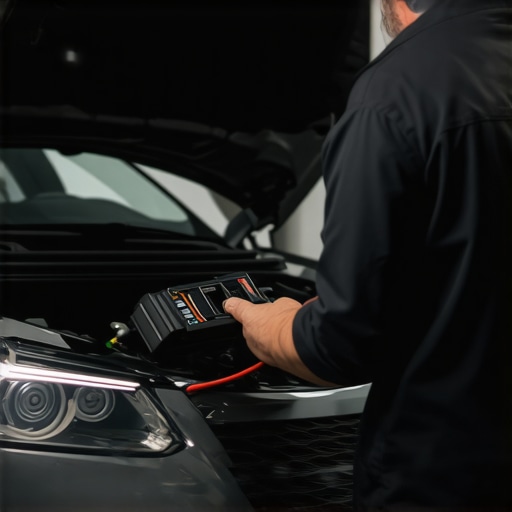
Having the proper tools is crucial to maintaining your vehicle effectively and avoiding costly trips to the mechanic. I personally rely on a high-quality OBD-II scanner, like the BlueDriver, which I use regularly to monitor real-time engine diagnostics and identify issues before they escalate. This device connects effortlessly to my smartphone, providing clear error codes and potential fixes, saving me time and money. Additionally, a reliable multimeter helps me check battery health and troubleshoot electrical problems—something I learned from experience when my car’s battery was mysteriously draining overnight. Over time, these tools empower me to perform basic diagnostics myself, catching problems early and maintaining optimal performance.
How do I maintain my vehicle over time? Practical techniques and routines
Consistency is key. Regularly checking fluid levels, such as oil, coolant, and transmission fluid, keeps vital components functioning smoothly. For instance, I recommend referring to this simple battery test to prevent unexpected failures. Changing fluids at manufacturer-recommended intervals, often involving a simple drain or flush, extends your car’s lifespan and reduces the risk of overheating or corrosion. Furthermore, inspecting tire pressure and tread depth prevents uneven wear and improves safety, which is why I keep a digital tire gauge handy. Paying attention to subtle signs like unusual vibrations or noises can alert you to issues that require prompt attention, thus avoiding long-term damage.
Tools I recommend for ongoing maintenance
For ongoing maintenance, I swear by my stethoscope-like mechanic’s stethoscope. It helps me quickly pinpoint rattles or squeaks beneath the hood, saving hours of guesswork. Additionally, a quality brake caliper piston tool allows me to service brakes confidently without needing expensive shop visits. As for software, I use specialized diagnostic programs like Autel MaxiSYS to access detailed vehicle histories and repair guides—resources that are invaluable when troubleshooting complex issues. Keep in mind, investing in these tools is not just about fixing problems but also about proactive maintenance to extend your vehicle’s life.
What’s the future of car maintenance tools?
Advancements in technology suggest that DIY diagnostics will become even more affordable and sophisticated. Imagine autonomous systems that alert you to issues via your smartphone and recommend immediate actions, reducing reliance on guesswork. Companies are already developing smarter sensor arrays that continuously monitor vital signs like fluid levels, temperature, and vibrations, providing real-time health reports. Embracing these innovations now can mean fewer surprises on the road—and more control over your vehicle’s longevity.
Interested in starting with an easy upgrade? Try integrating a compact diagnostic kit into your routine. It’s a small investment that can pay off big time by catching issues early. Over time, building your toolbox and knowledge base will make your vehicle maintenance more intuitive and cost-effective, giving you confidence on every journey.
Three Lessons the Road Taught Me About Transmission Wisdom
One of the most surprising insights I gained was how overlooked routine checks can prevent major repairs—sometimes, a simple fluid inspection can save hundreds. I also realized that trusting my senses—listening for strange noises or feeling unusual shifts—gives me early warnings that manuals or computer scans might miss. Finally, I learned that investing in quality diagnostic tools not only empowers me to troubleshoot but also deepens my understanding of my vehicle’s unique needs, transforming maintenance from a chore into a confidence-building routine.
Tools and Resources I Trust for Keep My Transmission in Top Shape
I rely heavily on my advanced diagnostic scanner to monitor real-time data and catch issues early. For fluid health, a clear, color-coded inspection method helps me quickly assess the quality of my transmission fluid. Additionally, I keep a trusted handy multimeter for electrical checks, ensuring all systems work harmoniously. These tools make routine maintenance proactive rather than reactive, reducing stress and saving money over time.
Take Charge and Keep Your Transmission Happy
Whether you’re a seasoned gearhead or just starting out, remember that your vehicle’s health is within your control. Regular self-checks, attentive listening, and investing in reliable tools turn car care from an intimidating chore into a meaningful habit. Because in the end, a well-maintained transmission isn’t just about avoiding costly repairs—it’s about enjoying the ride with confidence. Ready to embrace your inner mechanic? Your journey toward a smoother, more reliable drive begins now!