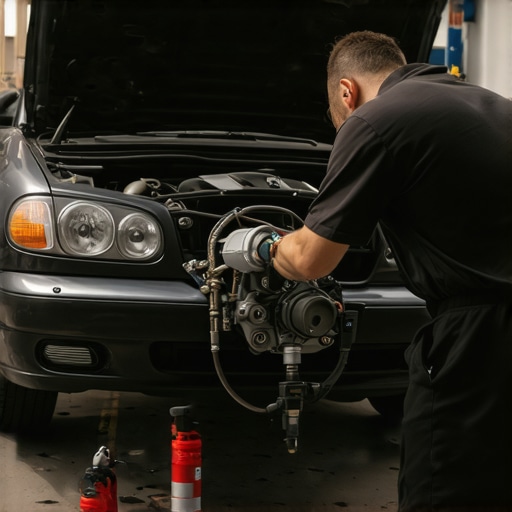
It was a blazing summer afternoon when I first overheated my transmission, and let me tell you, the sinking feeling in my gut was worse than my engine overheating. I had just finished a long drive, and suddenly, my car started slipping gears and struggling to move. That lightbulb moment made me realize how fragile and costly transmission issues can be, especially when heat tears through them without warning. If you’ve ever faced that terrifying silence after a warm engine refuses to shift smoothly, you’re not alone.
Why Overheating a Transmission Doesn’t Mean the End
Many drivers assume that once a transmission overheats, it’s a total loss, destined for a costly rebuild or replacement. But from personal experience—and plenty of research—I can tell you there’s usually some hope. Overheating can cause temporary or even semi-permanent damage, like warped clutches or damaged hydraulic seals, but with the right interventions, you might just extend your transmission’s life and avoid spending thousands. Today, I promise to share proven methods and some insider tricks to save your transmission after an overheated episode, so keep reading.
Is a Cold, Overheated Transmission Really Repairable, or Just a Money Pit?
Here’s the truth I wish I knew early on: one major mistake I made was ignoring early signs of heat stress. I ignored the light warning signs, thinking it was normal, and paid for it later with a rougher ride and costly repairs. Trust me when I say, recognizing the signs early and acting swiftly makes all the difference. If you’re skeptical about whether your transmission can be saved without draining your savings, I’ve been there, and I understand your doubts. For additional insights into avoiding shady repair quotes that can inflate costs, check out [this article](https://collisionfixer.com/3-red-flags-collisionfixer-experts-use-to-spot-overpriced-repair-quotes). Now, let’s explore how heat affects your transmission and what you can do immediately to mitigate the damage.
Cool Down Immediately to Prevent Further Damage
First, pull over safely and turn off your engine to allow the transmission to cool down naturally. The heat trapped inside can cause warping or melting of critical components. Use a fan or moisture-based cooling methods, such as spraying a mixture of water and ice on the transmission cooler lines, but avoid opening the transmission case unless you’re experienced. This initial step can mean the difference between a minor fix and costly replacement.
Check Transmission Fluid and Address Low Levels
Next, open the hood after the engine cools and inspect the transmission fluid level. If it’s low or dark in color, top it off with the manufacturer-recommended fluid. Low fluid levels can cause overheating, so topping up immediately can restore proper lubrication and cooling. Remember, using the correct fluid type is essential, as mixing wrong types can worsen damage. Fix logic errors or consult your manual for exact specifications.
Flush and Replace Transmission Fluid for Long-Term Relief
Once cooled, schedule a complete transmission fluid flush if you suspect contamination or excessive degradation. This process removes burnt or partially fluid, restoring proper flow and heat dissipation. Use a professional service to ensure the old fluid doesn’t mix with new, which can create blockages or sludge. Regular flushes, especially after overheating, can prevent future issues and extend your transmission’s lifespan.
Inspect for External Damage and Leaks
Visually examine the transmission case, hoses, and cooler lines for leaks, cracks, or bulges. Overheating can compromise these parts, leading to fluid loss or further heat buildup. If any seals or hoses are damaged, replace them promptly. For example, a cracked cooler line could cause a heat cascade, so replacing it can prevent repetitive overheating episodes. Identify red flags that might indicate hidden damages.
Install an External Transmission Cooler
Adding an auxiliary cooler can dramatically reduce the risk of overheating in the future, especially if you often tow or drive in hilly terrain. Mount the cooler in front of the radiator for optimal airflow, and ensure it’s compatible with your vehicle’s system. This upgrade acts as a heat sink, dispersing excess heat efficiently and protecting sensitive internal components.
Test Drive and Monitor Transmission Performance
After completing repairs, take your car for a gentle test drive, observing for smooth shifting and normal operation. Pay attention to any slipping, unusual noises, or shifting hesitations. Use a diagnostic scanner if possible to check for sensor errors or stored codes, which can hint at lingering issues. Consistent monitoring helps you catch problems early and avoid repeat overheating scenarios.
Implementing these actionable steps—cooling, fluid management, inspection, and cooling system upgrades—can effectively save an overheated transmission from costly damage or replacement. Remember, proactive maintenance is your best defense against heat-related failures, and timely intervention can keep your vehicle running smoothly for miles to come.
When it comes to auto repair and maintenance, many drivers cling to common myths that can actually hinder their vehicle’s longevity and performance. A notable misconception is that a simple tune-up or oil change addresses all underlying issues, but this oversimplifies the complexity of modern automotive systems. In fact, vehicles today are equipped with numerous sensors and computerized modules, making routine maintenance a nuanced art rather than just ticking off a checklist. For example, neglecting to recognize the importance of sensor calibration after repairs can lead to misdiagnoses and further damage, as highlighted in expert sources discussing sensor-related issues in vehicles.
Many believe that cheaper, DIY solutions for problems like transmission Shudder or engine roughness are sufficient, but these often ignore the deeper, hidden causes such as worn-out internal components or hidden corrosion. For instance, a transmission that slips or shudders might seem like a simple fluid issue, but could actually involve damaged clutches or faulty solenoids that require specialized diagnostics. To avoid falling into this trap, it’s crucial to have a professional perform comprehensive system checks rather than relying solely on surface-level fixes.
Another critical point is the discrepancy between perceived and actual repair costs. Many are lured by low quotes that hide the true extent of necessary work, which can lead to higher expenses down the road. Recognizing red flags of overpriced or subpar repairs—like incomplete diagnostics or unverified parts—can save you from costly mistakes. For an illustrative guide, check out this helpful article.
What’s the one advanced tip most drivers overlook about ensuring their car runs smoothly?
It’s the importance of understanding how each component interacts within the vehicle’s systems. Modern engines and transmissions are interconnected; a malfunction in one area often spirals into others if not promptly addressed. For example, a neglected vacuum leak can cause significant engine performance issues, which might be mistaken for a simple tune-up fix. Regularly inspecting and maintaining these interconnected systems using specialized diagnostics can prevent minor issues from escalating. Studies have shown that proactive sensor calibration and system checks significantly improve vehicle lifespan and fuel efficiency, underscoring the need for expert insights over generic repairs.
So, next time you’re tempted to ignore a warning light or opt for the cheapest service, remember there’s often a hidden layer of nuance that can make or break your vehicle’s performance. Ensuring you understand these intricacies and trusting qualified technicians with your repairs can save you time, money, and prevent unexpected breakdowns. And hey, have you ever fallen into this trap? Let me know in the comments.
How do I maintain peak performance over time?
Maintaining your vehicle’s health requires more than just routine oil changes. I personally rely on a combination of specialized diagnostic tools and a systematic approach to auto repair. For instance, I swear by the use of an OBD-II scanner like the BlueDriver, which provides comprehensive live data and engine codes. This device helps me pinpoint issues with sensors, transmission logic, or electronic modules before they escalate into costly repairs. Additionally, I use a digital multimeter to test grounding points—like the ground straps that can cause transmission limp mode if corroded, as discussed in this article.
Tools such as high-quality torque wrenches ensure I tighten components to their precise specifications, preventing future failures. For cleaning and maintenance, I recommend a long brush with stiff bristles for cleaning contact points and delicate connections. As technology advances, I see vehicle diagnostics becoming even more integrated with AI-assisted systems, allowing for predictive maintenance—saving drivers time and money.
When it comes to long-term car health, I also automate regular checks through maintenance software like AutoEnginuity. It schedules reminders for fluid replacements, system scans, and component inspections, which I consider essential. That way, I catch issues early—whether it’s a slipping transmission or a faulty sensor—before they turn into major repairs.
You should consider investing in these precise tools and adopting a proactive maintenance mindset—things like regularly checking for vacuum leaks or transmission fluid conditions. For example, a simple vacuum leak fix can prevent rough idling and improve fuel economy, as detailed in this guide. Take your time to familiarize yourself with your vehicle’s systems, and keep a detailed maintenance log.
Advancing in automotive care means staying updated with the latest diagnostic techniques and tools. Expect future trends to include smarter, AI-powered diagnostics capable of predicting failures before warning lights even turn on. This shift will make auto maintenance more about prevention than reactive repairs.
If you want to truly extend your car’s lifespan, I challenge you to try a detailed sensor calibration, like resetting your blind spot sensors after a minor collision, to understand their nuanced operation better. Doing so not only enhances safety but also trains you to recognize subtle signs of system wear.
Remember, a well-maintained vehicle is a happy vehicle. Equip yourself with these precise tools and proactive methods to keep your car running seamlessly for miles to come.
The Tough Lessons That Changed How I Approach Transmission Repairs
One of the most profound lessons I learned was the importance of proactive transmission maintenance instead of reactive fixes. Ignoring early warning signs like slipping gears or unusual noises often led me down costly repair paths, whereas addressing small issues early saved me thousands in the long run. Additionally, investing time in understanding how heat affects transmission components proved invaluable. Recognizing that simple actions like installing an external cooler could prevent overheating episodes became a game-changer in maintaining smooth shifts. These insights taught me that knowledge, combined with timely action, empowers drivers to extend their vehicle’s lifespan significantly.
Tools and Resources That Transformed My Auto Repair Approach
Over the years, I’ve come to rely on several specialized tools that make diagnostics more accessible. The OBD-II scanner like BlueDriver offers comprehensive live data, helping me catch issues before they escalate. For precise component tightening, a high-quality torque wrench ensures repairs meet manufacturer specs, preventing future failures. Additionally, keeping handy a digital multimeter allows me to test electrical ground points, essential for detecting sensor-related problems. Combining these tools with trusted resources like expert articles on red flags of overpriced repairs helps me maintain confidence in every repair I undertake.
Your Turn to Keep Things Rolling
Remember, the key to lasting transmission health lies in early detection, proactive maintenance, and having the right tools at hand. By integrating these lessons into your routine, you’ll not only save money but also enjoy a smoother, more reliable ride. Don’t wait for that sudden gear slip—start implementing these strategies today to protect your investment and ensure peace of mind on every journey. Have you ever struggled to diagnose a transmission issue before it became serious? Share your experiences below, and let’s learn together.