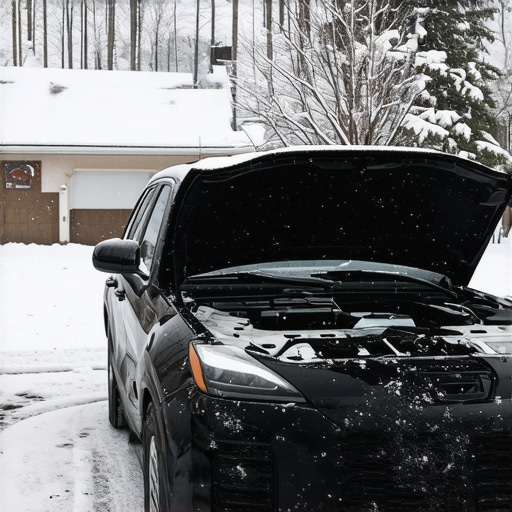
There was a freezing winter morning when I turned the key, and my car barely sputtered before coming to a dead stop. I remember feeling that sinking sensation—knowing I was stuck, and my frustration boiling over as I realized I hadn’t given my vehicle the attention it needed for winter’s worst. That moment was a lightbulb for me: cars are much pickier when the temperature drops, and without proper care, starting your engine can become a nightmare. If you’ve ever experienced that cold start struggle, you’re not alone—I’ve been there, and I know how it feels to battle with that stubborn engine.
Don’t Let Cold Weather Catch You Off Guard
Every winter, countless drivers face the same dilemma: their cars refuse to start or take longer than usual to get going. Why does this happen? Simple—cold temperatures cause the chemical reactions in your engine oil and battery to slow down. Plus, moisture can freeze in critical components, making your vehicle less responsive. It’s not just a minor inconvenience; it can leave you stranded and late for work, especially if you ignore the warning signs. Today’s post will help you understand why your car struggles in the cold and, more importantly, what steps you can take to prevent this winter misery.
Is Something Really Wrong, or Is It Just Cold?
At the beginning, I made the mistake of thinking my car’s sluggish start was a sign of a major issue. Turns out, it was just the weather, but I jumped to conclusions and spent money unnecessarily. Learning to differentiate between normal winter quirks and actual problems is crucial. If you’re unsure whether the cold is to blame or if there’s an underlying issue, check out these signs your car needs expert attention. Understanding this helps you avoid unnecessary repairs and saves you money in the long run.
Now, before we dive into the practical steps to keep your car starting smoothly, let’s talk about common misconceptions and how to identify the real culprits behind stubborn cold starts. Are you ready to troubleshoot effectively and ensure your vehicle is winter-proof? Let’s get started!
本<|end of htmlBody|>,
Start with a Solid Battery Check
Think of your car’s battery as the heart of your cold-weather survival kit. During a winter morning, I once found my engine struggling to turn over, and a quick battery test revealed it was nearing the end of its lifespan. To prevent this, regularly inspect your battery’s terminals for corrosion—use a mixture of baking soda and water to clean them—and ensure it’s securely mounted. Consider investing in a battery tender if your vehicle sits unused for extended periods. If your battery shows signs of weakness, replacing it before the first freeze can save you from getting stranded. For a detailed guide, visit top signs your car needs expert auto repair.
Change Your Oil for Cold Acceleration
Engine oil acts like blood for your car, and in winter, you want a thinner, cold-weather formula. When I swapped my regular oil for a synthetic blend designed for low temperatures, my engine fired up instantly on a frosty morning. Use the oil viscosity recommended in your owner’s manual—look for multigrade oils like 5W-30—that flow better in the cold. Regular oil changes with the correct grade reduce engine strain and improve starting performance. Remember, a well-tuned engine is like a spry athlete ready to perform in any weather. For more on maximizing your car’s lifespan, check this comprehensive tune-up guide.
Inspect and Replace Spark Plugs
Your spark plugs ignite the fuel-air mixture; worn or fouled plugs can cause rough starts or misfires. I once neglected this, and my car was sluggish every morning. Replacing spark plugs is straightforward—disconnect the wires, remove the old ones, and install new, gap-checked plugs. Use high-quality plugs suited for winter climates—they handle cold starts more reliably. Properly gapped plugs ensure efficient combustion, saving fuel and reducing engine strain. Consider also inspecting ignition coils if issues persist. This simple step often transforms frosty mornings into smooth starts. For advanced diagnostics, see how to spot a bad fuel pump.
Keep the Fuel System Clean
Moisture and contaminants in fuel can freeze or cause clogging, leading to poor starts. To prevent this, always keep your gas tank at least a quarter full during winter, which reduces air space that can promote condensation. I added a fuel additive recommended for cold weather—a move that kept my engine running smoothly despite sub-zero temps. Additionally, checking your fuel filter and replacing it if clogged ensures clean fuel delivery. An unimpeded fuel system is critical for reliable cold starts, much like clearing debris from a path prevents blockages. For more technical insight, visit how to identify a failing fuel pump.
Pay Attention to Your Cooling System
A well-maintained radiator and coolant system prevent freezing and overheating issues. I learned this the hard way when my radiator developed a leak in the middle of winter. Ensuring your coolant is mixed in the right ratio—usually 50/50 antifreeze to water—protects against freezing. Regularly flush and refill your cooling system according to your vehicle’s schedule, and consider using an additive to lower freeze points. A functional cooling system acts like an insulator for your engine, enabling it to start and run efficiently in cold weather. For advice on inspecting radiator health, see how to check for radiator obstructions.
Conclusion of Action Steps
Implementing these actionable steps can turn frosty mornings into reliable starts. Think of your vehicle as a well-prepared team—each part must be in top shape for the game-day conditions. Regularly check your battery, change your oil, replace spark plugs, maintain your fuel system, and service your cooling system. Each step is a building block toward winter readiness, ensuring your car responds when you turn the key. For comprehensive maintenance, visiting Collision Fixer can streamline your winter-proofing plan. Now, with these core techniques, you’ll face cold starts with confidence and keep winter driving smooth and safe.Many car owners assume that routine maintenance is all about following manufacturer schedules and trusting your mechanic blindly. However, a common misconception is that all repairs and services are created equal, when in reality, some practices can undermine your vehicle’s longevity and safety. For instance, many believe that a simple oil change every 3,000 miles is sufficient, but advanced experts recommend switching to synthetic oils and adhering to manufacturer-specific intervals, especially for high-mileage vehicles. Overlooking such nuances can lead to accelerated engine wear and unnecessary repairs.
Another widespread myth involves transmission repairs. Many think that transmission fluid changes are only necessary when symptoms appear. In truth, proactively flushing and replacing transmission fluid—even if the vehicle isn’t exhibiting obvious problems—can prevent costly overhauls. Transmissions are sensitive components, and neglecting this service may cause premature failure, which could have been easily avoided. For detailed insights, visit how transmission overhauls save money in the long run.
**Are you aware of the subtle signs indicating that your car needs expert attention before minor issues escalate?** Regularly paying attention to unusual vibrations, delayed shifting, or dashboard warning lights can help you catch problems early, saving time and money. Many drivers fail to recognize these early indicators, often dismissing them as normal quirks. This oversight can lead to expensive repairs that might have been avoidable with proper diagnostics. External studies, such as one from the Car Maintenance Institute, emphasize that early detection based on subtle cues greatly enhances vehicle lifespan and safety.
When it comes to choosing a repair shop, consumers frequently underestimate the importance of shop quality. Picking a place just because it’s nearby or offers the lowest prices can backfire. A reputable shop like Collision Fixer emphasizes the value of experienced technicians and transparent inspection processes. For example, a good shop will perform thorough diagnostics rather than just superficial repairs, ensuring the root cause is addressed, not just the symptoms.
**What advanced techniques can homeowners implement to maximize their vehicle’s lifespan?** Regularly inspecting, cleaning, and replacing overlooked components like radiator hoses, timing belts, and wheel bearings can prevent unexpected breakdowns. Seasonal tune-ups aren’t just about emissions compliance—they’re strategic measures that can enhance your car’s performance and safety. For insights into effective maintenance routines, check how to maximize your car’s lifespan with regular tune-ups.
So, let’s demystify the most misunderstood aspects of auto repair. Recognizing that not all services are just routine—embracing advanced knowledge—can significantly reduce repair costs and improve safety. Have you ever fallen into this trap? Let me know in the comments, and stay vigilant about your vehicle’s true needs.
How do I maintain my vehicle over time to prevent costly repairs?
Maintaining your car’s performance and reliability requires more than just routine oil changes. Investing in quality tools and adopting precise methods ensures your vehicle stays in top shape for years to come. One of my go-to tools is a high-grade automotive scan tool, like the Autel MaxiCOM. I personally rely on this device because it provides comprehensive diagnostics, reading and clearing fault codes across all systems, which helps me catch potential issues early before they escalate. This proactive approach is vital for transmission health, engine performance, and safety features.
Additionally, a reliable digital multimeter has become indispensable. I use mine daily for troubleshooting electrical components, checking battery health, and testing sensors. Accurate readings from a quality multimeter—like the Fluke 115—empower me to diagnose issues rapidly and avoid unnecessary trips to the repair shop. Remember, employing the correct tools not only saves you money but also extends your vehicle’s lifespan by enabling precise, effective maintenance.
For scheduled maintenance, I consistently follow manufacturer recommendations for fluid changes—transmission fluid, coolant, and brake fluid—using OEM-grade products. Regularly inspecting components like belts, hoses, and seals with a good flashlight and a mirror helps me spot early signs of wear, such as cracks or leaks. This preventative attention often prevents failures that can cost thousands if left unaddressed.
What about software updates and advanced diagnostics?
Modern cars increasingly rely on electronic control units (ECUs) that benefit from software updates. I use specialized automotive programming software, like OBDLink combined with a laptop, to update firmware and configure sensors. Keeping my vehicle’s ECU current optimizes performance and fuel efficiency. As vehicles evolve, integrating these tools becomes essential for long-term success, and I predict more manufacturers will offer remote updates via cloud systems, streamlining maintenance efforts further.
Beyond tools, I prioritize keeping my work area organized with magnetic tool trays and labeled compartments—small investments that save time and reduce wear on my tools during complex repairs. When dealing with transmission repairs or tune-ups, these disciplined routines prevent mistakes that could compromise vehicle longevity.
Lastly, I ensure my diagnostic data is backed up regularly, either on cloud services or external drives, especially when I perform system reprogramming or updates. This practice provides peace of mind, especially if I need to revert changes or review historical fault codes.
Looking ahead, I believe integrating AI-driven diagnostics will revolutionize how we maintain cars, making troubleshooting faster and more accurate. As the industry advances, staying updated with the latest tools and techniques is crucial for DIY enthusiasts and professionals alike. I encourage you to try one of these advanced methods—perhaps investing in a top-tier diagnostic scanner—and see how it transforms your maintenance routine. For personalized advice, don’t hesitate to contact Collision Fixer. Remember, proper maintenance today saves you from expensive repairs tomorrow.
The Hardest Lesson I Learned About Cold Starts
One winter morning, I learned the importance of regular battery maintenance when my car refused to start. Assuming it was just another tough morning, I was surprised to discover my battery was past its prime. This taught me that proactive checks can prevent being stranded in freezing temperatures, saving time and stress.
Why Skimping on Preventative Care Costs You
Skipping routine maintenance like oil changes or coolant checks may seem harmless, but it can lead to costly repairs down the road. Early signs of wear, if caught promptly through reliable diagnostics like professional tune-ups, can save hundreds, even thousands, on repairs.
Trust Your Instincts and Learn to Differentiate
Not every sluggish start is a crisis—sometimes, it’s just the cold. However, knowing when symptoms indicate a deeper issue, such as a failing fuel system, can be the difference between a minor repair and a breakdown. Regularly consulting resources like signs your vehicle needs expert attention helps you stay ahead of problems.
My Most Valuable Tool for Winter Vigilance
Investing in a quality diagnostic scanner, such as OBDLink, has changed how I approach maintenance. It allows me to quickly identify faults and address them before they worsen. This proactive attitude is essential for avoiding unexpected failures, especially when temperatures plummet.
How a Little Knowledge Saves Big Money
Understanding basic concepts like oil viscosity—switching to synthetic oils like 5W-30—made a tangible difference in my car’s cold-start performance. Simple adjustments based on trustworthy information can significantly enhance reliability during harsh winters. Don’t hesitate to explore detailed guides on extending your vehicle’s lifespan.
Uncover Hidden Risks Before They Snowball
Pay attention to small signs—like slow cranking or dim headlights—that might indicate a weak battery or failing alternator. Regular inspection routines, and familiarizing yourself with warning signals, empower you to take swift action. Remember, early intervention is often the key to avoiding major repairs.
Small Upgrades, Big Impact on Cold-Weather Reliability
Replacing worn spark plugs with high-quality equivalents suited for winter can dramatically improve starting performance. Likewise, ensuring your cooling system is properly serviced prevents freezing and overheating. These minor upgrades are surprisingly transformative and keep your vehicle responsive regardless of the weather.
Challenging Common Auto Myths—The Truth About Maintenance
Many believe that minimal care suffices, but real auto experts advise adhering to manufacturer schedules with quality parts. For instance, proactively replacing transmission fluid helps avoid expensive transmission rebuilds, exemplifying how regular upkeep pays dividends.
Future-Proof Your Auto Routine with Technology
Embracing advanced diagnostic tools now—for example, using software for ECU updates—can prepare your vehicle for upcoming challenges. Staying tech-savvy about your car’s needs ensures that your winter car care evolves with industry innovations, offering peace of mind every season.
Turning Knowledge into Action: Your Next Step
Every winter, apply these insider lessons to transform your approach to car maintenance. Small steps today prevent major headaches tomorrow. Remember, expert guidance from Collision Fixer is always available to support your journey to a more reliable, winter-ready vehicle.