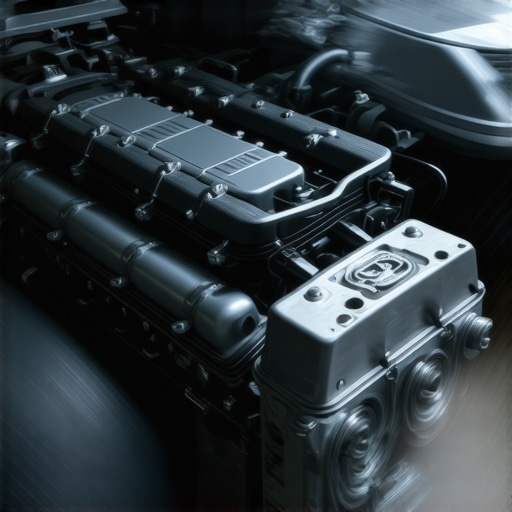
I remember the moment clearly—stuck in traffic, feeling that unsettling tremor vibrate through the steering wheel and seat. It was a quiet Saturday afternoon, and my usual smooth ride suddenly felt off. That little shake became a persistent annoyance, but more importantly, a warning sign I couldn’t ignore. For years, I brushed off minor vibrations, assuming it was just part of aging or a simple misfire. Until one day, it felt like my engine was fighting itself at idle.
If you’ve ever experienced your car shimmying or pulsing when it’s just sitting there, doing nothing, you’re not alone. And I promise, there’s a reason behind it—one that’s easier to fix than you might think. Today, we’ll uncover the **real reason your car vibrates at idle** and, more importantly, how to troubleshoot and resolve it without breaking the bank.
Why Does My Car Vibrate When It’s Idle? The Hidden Culprit
Many folks, including myself early on, dismiss the vibrating sensation as normal or cosmetic. But it’s often a nagging sign of underlying issues—something needing your attention before it snowballs into an expensive repair. The primary reason behind idling vibrations usually boils down to engine misfires, worn-out mounts, or fuel system hiccups. For instance, a common culprit is a _misfiring spark plug or ignition coil_ that causes uneven engine rotation, leading to those unsettling shakes.
Another often-overlooked cause is _vacuum leaks_, which throw off the air-fuel mixture. This imbalance can make the engine run rough and vibrate at idle. Plus, _dirty fuel injectors_ or _clogged filters_ can disrupt smooth engine operation, resulting in that pulsating feel.
Early in my own journey, I made the mistake of ignoring a slight jitter, thinking it was just a quirk. That was a costly error. As I learned, regular maintenance—like replacing worn spark plugs or checking engine mounts—can make a world of difference. And if you let these issues slide, they can strain your engine or clutch, or even cause damage to the transmission.
Thankfully, diagnosing these problems isn’t as intimidating as it sounds. From simple visual checks to using a code reader, you can identify the root cause before it becomes a big headache. For detailed insights, refer to resources like [how transmission overhauls can save you money in the long run](https://collisionfixer.com/how-transmission-overhauls-save-you-money-in-the-long-run).
So, have you noticed your car vibrating at idle? If so, you’re not alone, and there’s a good chance a simple fix can restore smoothness. Up next, we’ll explore the exact steps to pinpoint and solve this common but annoying issue, helping you regain that effortless drive.
Start with a Visual Inspection
Pop the hood and check for obvious issues like cracked or loose spark plug wires, worn engine mounts, or disconnected vacuum hoses. During my first attempt, I discovered a loose ignition coil, which surprisingly was easy to tighten and improved the idle significantly. Ensuring all visible components are secure lays the foundation for further diagnosis.
Check and Replace Spark Plugs
Worn or dirty spark plugs are common culprits. Remove each plug and inspect for carbon build-up or worn electrodes. Replacing them with fresh plugs can smooth out engine misfires causing vibrations. I replaced mine following a tutorial from this guide, and immediately noticed better idling performance.
Test Engine Compression
If spark plugs are fine, assess the engine’s compression. Use a compression tester—if readings are uneven, it indicates internal issues like worn piston rings or valves. This step can be tricky, so consider consulting a professional if you’re unsure. Low compression often requires more involved repairs, but early testing can save hundreds by catching problems early.
Scan for Error Codes
Employ an OBD-II scanner to identify engine fault codes related to misfires or sensor issues. For example, codes like P0300 indicate random misfires. I borrowed a scanner from a local auto parts store, which helped me pinpoint a faulty ignition coil. Regularly scanning your vehicle can reveal problems before they turn into costly repairs.
Inspect and Replace Engine Mounts
Worn engine mounts often cause noticeable vibrations, especially at idle. Using a floor jack, support the engine and examine mounts for cracks or excessive movement. During my inspection, I discovered one mount had split, causing engine movement and vibration. Replacing mounts is straightforward and can be done at home or by a mechanic, greatly reducing engine shake.
Address Vacuum Leaks
Vacuum leaks cause air-fuel imbalance. Spray carburetor cleaner around hoses and intake manifold—if engine RPMs change, a leak exists. I found a cracked hose this way, leading to a quick fix. Replacing cracked hoses is inexpensive and can restore smooth engine operation, eliminating idle vibrations.
Clean Fuel Injectors
Clogged fuel injectors disrupt fuel delivery, causing rough idling. Use a fuel injector cleaning kit or have them professionally cleaned. In my case, using a DIY cleaner improved fuel spray patterns, smoothing engine idle. Maintaining clean injectors ensures consistent combustion and a vibration-free engine.
Verify and Service the Throttle Body
Carbon buildup in the throttle body can restrict airflow. Remove it and clean with throttle body cleaner for optimal airflow. I cleaned mine, which immediately reduced idle fluctuations. Keeping this component clean is essential for stable engine performance.
Check for Proper Idle Settings
Adjust the idle speed using the vehicle’s ECU settings, if your car permits it. Consult your owner’s manual or a professional to ensure correct idle RPM. Proper idle settings prevent unnecessary vibrations and improve overall smoothness.
Many vehicle owners operate under misconceptions about essential services like transmissions, tune-ups, and general auto repairs. A common myth is that you can neglect regular transmission fluid changes, believing it lasts for life. In reality, expert sources like this article reveal that lifetime fluids may not be as durable as advertised, leading to premature wear and costly rebuilds. Another misconception is that a simple tune-up can fix all driving issues. While tune-ups address many problems, over-reliance on DIY solutions without understanding specific symptoms can mask underlying severe issues, such as internal transmission damage or ECU malfunctions, which need professional diagnosis. Common pitfalls include using generic parts instead of OEM components, which can compromise safety and longevity—something I learned firsthand when aftermarket spark plugs caused misfires, emphasizing the importance of quality over savings. Additionally, many drivers overlook the importance of analyzing error codes with proper diagnostic tools, rather than guessing or ignoring warning lights. This mistake often results in delayed repairs and exacerbated damage, especially concerning transmission faults or sensor failures. For instance, ignoring a subtle engine or transmission hesitation can lead to significant component failures, as highlighted in this expert guide. Advanced car systems today also mean that specialists need to interpret data from multiple sensors, not just rely on visual inspections or old-fashioned rebuilds. Misdiagnosing or delaying repairs can cost hundreds or thousands more, making it vital to understand the nuanced differences between routine maintenance and critical repairs. Have you ever fallen into this trap of thinking auto repairs are simple or avoiding professional help? Let me know in the comments!
Essential Tools for Long-Term Vehicle Care
One of my go-to investments is a high-quality OBD-II scanner. I personally rely on the FIXD Bluetooth OBD-II scanner because it seamlessly connects to my smartphone, providing real-time diagnostics and code explanations. This allows me to quickly identify issues like misfires or sensor failures, which are often the root causes of idle vibrations. Using such tools empowers you to catch problems early, saving money and preventing major repairs.
Another indispensable tool is a digital multimeter. I use it for diagnosing electrical issues, such as faulty sensors or failing actuators. For example, when my engine misfired, a quick voltage test helped me confirm a failing ignition coil. A reliable multimeter like the Fluke 117 has proven invaluable in tracking electrical anomalies.
Software and Apps That Make Maintenance Easier
Adopting modern software streamlines ongoing care. I recommend AutoEnginuity, a professional-grade diagnostic platform that connects to your car via OBD-II interface. It offers a deeper insight into vehicle systems, including transmission adaptives and fuel trims, which are crucial when addressing idle vibrations. While it’s more advanced and requires some learning, the investment pays off in precise diagnostics, especially for complex issues like transmission shudders or misfires.
For everyday maintenance, apps like MyCARFAX help track service schedules, alerting you when to replace belts, check fluid levels, or inspect engine mounts. Staying ahead with scheduled tune-ups minimizes the risk of vibrations caused by worn components.
Exact Methods for Consistent Vehicle Health
Regular visual inspections complemented by diagnostic scans create a proactive maintenance routine. For instance, I recommend checking engine mounts quarterly using a flashlight and gauge to detect cracks or excessive movement. Diagnosing vacuum leaks by spray testing intake hoses with carburetor cleaner can pinpoint air-fuel imbalance sources. Recently, I found a small crack in my intake hose this way, which was quick to replace and restored smooth idling.
Document each check and repair, maintaining a detailed log. This habit helps identify wear patterns and plan long-term scaling of repairs, especially for DIY enthusiasts aiming to extend their vehicle’s life.
Planning for Future Trends in Auto Maintenance
The evolution in vehicle electronics suggests that diagnostic tools will become smarter and more integrated. Artificial intelligence-driven diagnostics and remote monitoring are emerging, promising to streamline maintenance even further. Staying updated with these innovations ensures your car remains reliable and cost-efficient as systems become more complex. In fact, industry experts predict that by 2030, the majority of routine diagnostics may be managed via smartphone apps integrated with vehicle hardware—a trend I believe will make car ownership more accessible and less stressful.
How do I keep my transmission and tune-up routines effective over time?
Adopting a disciplined maintenance schedule is key. This includes regular tune-ups and transmission fluid changes based on your vehicle manufacturer’s recommendations, rather than waiting for symptoms to appear. Using the right diagnostic tools to monitor system health allows you to plan proactive repairs and avoid costly breakdowns. For example, understanding the importance of transmission overhauls can help you decide the right timing for such extensive repairs, ensuring your car runs smoothly for years to come.
Try integrating a reliable OBD-II scanner into your routine. Honestly, it’s become an essential part of my car maintenance toolkit, especially when troubleshooting subtle issues like unusual vibrations or engine hesitation. Being proactive with diagnostics and maintenance not only extends your vehicle’s lifespan but also enhances safety and driving confidence.
The Hardest Lesson I Learned About transmission,tune up,car service,auto repair,collisionfixer
One of the most valuable insights I gained was realizing that neglecting small signs like engine vibrations can lead to much bigger, costly problems later. I once ignored a subtle shake, thinking it was just a normal quirk, only to face an expensive transmission overhaul. Now I know that proactive maintenance saves money and stress.
3 Myths About transmission,tune up,car service,auto repair,collisionfixer That Held Me Back
Believing that lifetime transmission fluids never need changing or that a simple tune-up fixes all issues was a misconception that delayed my diagnostics. These myths can cause you to overlook early warning signs, leading to more significant failures. Regular diagnostics and confirming maintenance schedules are crucial.
What Experts Won’t Tell You About transmission,tune up,car service,auto repair,collisionfixer
Many professionals conceal how small issues like a pulsating transmission or rough idle can be early indicators of internal damage. Addressing these signs early with the right tools like an OBD-II scanner and professional guidance can prevent extensive repairs. Being informed makes a difference in your vehicle’s longevity.
My Essential Toolkit for transmission,tune up,car service,auto repair,collisionfixer
Having a quality OBD-II scanner, such as the FIXD Bluetooth device, allows me to catch issues before they worsen. Also, a reliable digital multimeter helps identify electrical faults that could affect transmission operation. These tools are invaluable for any car owner committed to long-term care.
Where to Go from Here to Safeguard Your Car’s Future
If you want to prevent unexpected breakdowns, schedule regular tune-ups and keep an eye on transmission health. Utilizing diagnostic tools and maintaining proper fluid levels can significantly extend your vehicle’s lifespan and keep your transmission shifting smoothly.
Ready to Take Action
Your vehicle’s health is in your hands—by catching early signs like vibrations and understanding proper maintenance, you can avoid costly repairs. Start implementing regular diagnostics and schedule timely services today. How have you handled unexpected vibrations in your car? Share your experiences below.