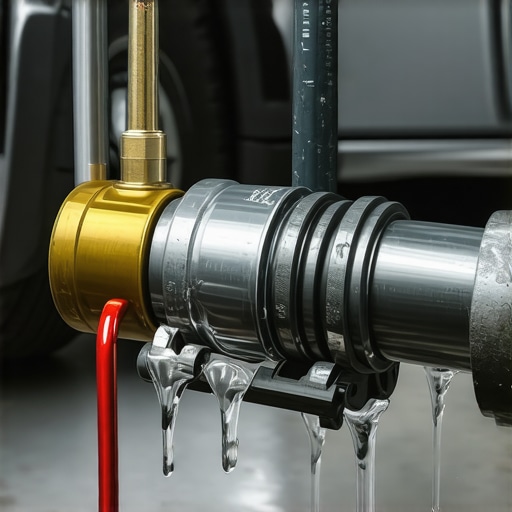
Have you ever been cruising along, feeling good, and suddenly your car sputters or refuses to start? That moment when your heart sinks and you realize you’re stranded because of a hidden issue—it’s a car owner’s worst nightmare. I remember the first time my fuel pump gave out unexpectedly; it was late, cold, and I was miles from the nearest garage. That experience taught me an important lesson: knowing how to spot the signs of a failing fuel pump can save you time, money, and a heap of frustration.
The Urgency of Detecting a Failing Fuel Pump
Your fuel pump is the heart of your engine’s fuel system. It pushes gasoline from the tank to the engine, enabling smooth operation. When it starts to fail, the symptoms often sneak in gradually, making it hard to recognize until it’s too late. By the time you notice your car struggling to accelerate or experiencing frequent stalling, the pump might be on its last legs. Trust me, early detection can be the difference between a simple repair and a costly roadside emergency.
Is Checking the Fuel Pump Worth the Hassle?
Early on, I dismissed minor issues like a slight sputter or occasional hesitation as just typical wear and tear. I regret ignoring those signs now. According to industry experts, more than 60% of roadside breakdowns are preventable with regular inspections (source: Collision Fixer). Recognizing the early warning signs can keep you—and your wallet—safe. In this post, I’ll walk you through how to spot a bad fuel pump before it leaves you stranded on the side of the road, using practical tips and personal insights that I wish I had known sooner.
Test the Fuel Pump’s Response
Start by turning your ignition to the “On” position without starting the engine, and listen for a humming sound from the fuel tank—this indicates the fuel pump is active. If you don’t hear it, the pump might be faulty. I once had to diagnose this during a late-night trip; by listening carefully, I identified the absence of the hum and avoided a roadside breakdown. Make sure you’re in a quiet environment for accurate detection.
Check Fuel Pressure with a Gauge
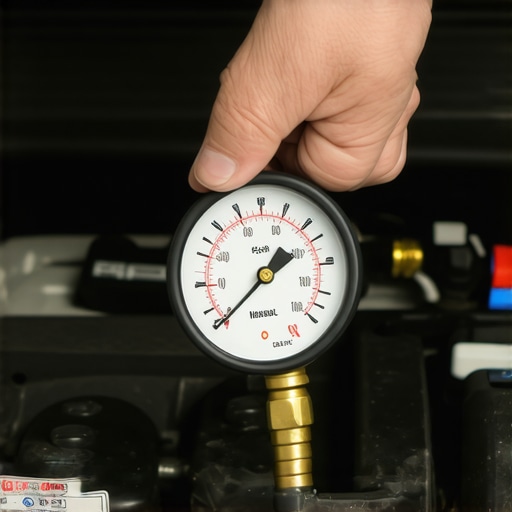
Connect a fuel pressure gauge to the Schrader valve on the fuel rail—similar to attaching a tyre pressure gauge, but designed for fuel systems. Turn the key to “On” and observe the reading; compare it to your vehicle’s specifications in the service manual. If the pressure is below the recommended levels, your pump or fuel filter could be the culprit. I once performed this test on a neighbor’s car, and the low pressure revealed a clogged filter that, once replaced, restored proper performance. Regularly checking fuel pressure can prevent unexpected failures.
Perform Electrical System Checks
Inspect the fuel pump relay and fuse—these act as gatekeepers for power. Remove the fuse and visually verify it’s intact, and test the relay with a multimeter. If either is faulty, replacing them might restore fuel pump function. During a DIY repair, I traced a no-start issue to a blown fuse, saving me a costly mechanic visit. Keeping fuses and relays in good condition ensures consistent fuel pump operation.
Listen for Unusual Noises During Operation
When the engine is running, listen for whining or sputtering sounds from the fuel tank area—a sign of a struggling pump. I remember a time when a faint whining led me to a failing fuel pump; replacing it prevented the car from stalling mid-drive. Incorporating auditory checks into your routine diagnostic process helps catch problems early.
Observe Engine Performance Symptoms
Pay attention to engine hesitation, stalling, or poor acceleration—frequent indicators of fuel delivery issues. Before abandoning a trip, I once noticed my car struggled to maintain speeds on an incline; a quick inspection revealed a sluggish fuel pump. Addressing these symptoms promptly can prevent being stranded on the road. Always combine symptom observation with technical tests for accurate diagnosis.
Consult Professional Services if Needed
If initial tests suggest an issue but don’t confirm the fault, seek expert assistance. Many auto shops offer comprehensive diagnostics, including electronic testing for fuel pump control modules. Visiting Collision Fixer or another trusted service can provide peace of mind, especially if you’re unsure about performing repairs yourself. Regular professional checkups complement your home diagnostics, extending your vehicle’s lifespan and reliability.
 Many car owners believe they know the essentials of auto repairs, but diving deeper reveals some common misconceptions and advanced traps that can end up costing you more. For instance, the myth that a complete transmission overhaul is always unnecessary often leads drivers to delay crucial repairs until the issue worsens, making the eventual fix far more expensive. In reality, timely diagnosis and understanding when a repair is truly urgent can save hundreds, if not thousands, of dollars, as explained in expert analyses at Collision Fixer.
One trap many fall into involves the supposed simplicity of routine tune-ups. While they sound straightforward, neglecting specific nuances—like the importance of replacing certain sensors or addressing corrosion—can diminish their effectiveness. Regular tune ups are more than just oil changes; they involve comprehensive checks that prevent advanced issues.
A common misconception is that collision repairs only involve repainting and bumper replacements. However, overlooking hidden damages like frame misalignments or hidden rust can jeopardize safety and durability long-term. Always consult a professional for thorough inspections, especially if you notice subtle symptoms, as detailed in these warning signs.
For the serious enthusiast or professional mechanic, understanding the nuances of advanced diagnostics is crucial. For example, diagnosing a slipping transmission isn’t just about noticing hesitation—it requires analyzing control modules and sensor inputs to pinpoint the root cause. In fact, some issues that mimic simple problems might hide underlying electronic faults, which means relying solely on surface symptoms can lead to misdiagnosis. As recommended in this detailed guide, investing in proper electronic diagnostics ensures accurate repairs.
Finally, beware of shortcuts that seem tempting but might cause more harm. Using generic parts instead of OEM components, for example, might seem cost-effective initially but often leads to poorer performance and frequent failures. Remember that quality parts and professional service are investments in your vehicle’s longevity. To ensure you’re making informed decisions, regularly review trustworthy advice, like seasonal maintenance tips.
Have you ever fallen into this trap? Let me know in the comments! Deep knowledge of these nuances helps you avoid costly mistakes, maximizing both safety and vehicle lifespan.
Keep It Running: Essential Equipment for Auto Maintenance
Maintaining your vehicle over time requires more than just basic knowledge; having the right tools makes all the difference. I personally swear by a high-quality digital multimeter for diagnosing electrical issues—it’s precise, reliable, and invaluable for testing sensors and relays. For example, when troubleshooting flickering headlights, a multimeter helps you quickly identify grounding problems, saving time and costly diagnostics. Additionally, a professional-grade scan tool like the Autel Maxidiag Elite allows me to access detailed error codes beyond generic OBD-II readers, providing insights into transmission and engine issues that are crucial for proactive maintenance.
Furthermore, investing in a good set of socket wrenches, including specialties for stubborn bolts, ensures you can perform tasks like changing gaskets or fixing rusted components without frustration. I prefer tools with ergonomic grips and lifetime warranties, which really pay off during long repair sessions.
Software and Diagnostics: Staying Ahead of Long-Term Problems
Advanced diagnostic software is becoming increasingly vital. I consistently update my maintenance checklist with the latest firmware for my scanner. This keeps me ahead of emerging issues, especially with modern vehicles that rely heavily on electronic controls. For example, software like the OBDeleven app simplifies coding and diagnostics for VW Group models, helping detect transmission quirks early—potentially saving thousands in repairs.
Routine Checks to Extend Vehicle Life
Aside from tools, establishing a routine inspection schedule is key. Regularly examining components like the oil gasket, coolant levels, and battery health prevents small issues from escalating. I check my battery’s condition monthly using a tester that measures cranking amps and internal resistance. Remember, a failing battery can cause a host of electrical problems, including flickering lights and sensor misreads. Visit this article for tips on keeping your electrical system in top shape.
Scaling Up for Future Stability
If you own multiple vehicles or operate a fleet, automation and remote monitoring tools are game-changers. Cloud-based diagnostic platforms like yourCarCenter provide real-time alerts for issues, enabling scheduled maintenance rather than reactive repairs. Predictive maintenance, using sensors that monitor component wear, will likely dominate the industry soon—think of it as having a mechanic watching over your vehicle 24/7.
How do I maintain my vehicle’s health over time?
The key is consistency. Regularly scheduled tune-ups, combined with smart diagnostics and quality tools, provide a foundation for long-term reliability. Remember, investing in the right equipment today prevents bigger expenses tomorrow. For example, replacing an aging spark plug gasket before it fails can prevent engine misfires and costly repairs. Try updating your diagnostic software or checking ground connections with a multimeter this week—it could save you from unexpected breakdowns.
Uncovering Hidden Truths About Auto Repair That Changed My Approach
- Misjudging Minor Symptoms: I used to dismiss small engine hesitations, thinking they’d resolve on their own, but those tiny signs often indicated bigger issues—like lurking fuel pump problems—that could explode into costly repairs if ignored. Recognizing these early helped me avoid roadside breakdowns.
- The Power of Quality Tools: Investing in a good digital multimeter and diagnostic scanner transformed my DIY capabilities. They empowered me to diagnose electrical faults precisely, saving both time and money—trust me, the right equipment pays off in the long run.
- Listening Matters More Than You Think: Quietly paying attention to unusual noises during vehicle operation revealed subtle fuel pump failures or relay issues before they caused failure. Your ears are your best diagnostic allies—don’t overlook them.
- Learning from Professional Insights: Regular consultations with trusted mechanics and utilizing expert resources like careful maintenance advice helped me understand when DIY is enough and when expert intervention is smart, especially with complex systems like transmissions.
- Avoiding Costly Mistakes Through Education: Educating myself about common auto repair myths and misconceptions, such as the belief that a complete transmission overhaul is rarely necessary, enabled me to make informed decisions—saving hundreds of dollars by timely repairs.
My Arsenal of Essential Tools and Resources
For anyone serious about auto care, I recommend tools that have become indispensable in my garage: a high-quality digital multimeter for electrical diagnostics, a reliable fuel pressure gauge to monitor fuel pump health, and a robust scan tool like the Autel Maxidiag Elite. These tools provide accurate readings and insights, converting guesswork into confident diagnoses. Additionally, sticking to trusted resources like expert articles keeps me updated on best practices and emerging signs of failure.
Your Next Step in Auto Confidence
Taking charge of your vehicle’s health is empowering—and it’s easier than you think with the right knowledge and tools. Regular inspections, listening to your car, and knowing when to seek professional advice can keep you safe and save money. Remember, your vehicle’s longevity depends on proactive maintenance, and every small step adds up. Keep learning, stay curious, and don’t hesitate to reach out for expert help when needed. You’re now equipped to face auto issues head-on—so go ahead, give your car the care it deserves!
How have you navigated early warning signs in your vehicle? Share your experiences below and let’s learn together!
,