
I was sitting at the intersection of Main and 5th, waiting for the light to turn green, when I felt it. A rhythmic, subtle thump-thump-thump against the bottom of my right foot. I wasn’t moving. My car was in drive, but completely stationary. It felt like my car had developed a nervous twitch, and honestly, it gave me a bit of a panic. I remember the first time this happened in my old 2004 pickup; I was convinced the transmission was about to drop onto the pavement. It’s a visceral, unsettling feeling that makes you want to shift into park and just walk home. But before you assume your car is headed for the scrap heap, let’s talk about what’s actually happening under the hood.
Stop Ignoring That Weird Vibration Under Your Foot
Most drivers associate a shaking brake pedal with warped rotors, mostly because the steering wheel shakes only when you hit the brakes while you’re at highway speeds. But when you are at a complete standstill? That is a different beast entirely. It is one of those top signs your car needs expert auto repair now, yet many of us shrug it off as just another quirk of an aging vehicle. I’ll be the first to admit that early in my DIY days, I made the expensive mistake of throwing a whole new set of high-end pads and rotors at this exact problem. I spent a whole Saturday getting greasy and sore, only to pull out of the driveway and feel that same thumping at the first stop sign. I had ignored the actual culprit because I fell into the trap of assuming that any brake issue must be mechanical hardware.
Is a vibrating pedal actually dangerous or just annoying?
It can be both, but it is rarely ‘nothing.’ If your Anti-lock Braking System (ABS) is engaging while you are stopped, it means a sensor is sending garbage data to your car’s brain. This isn’t just a comfort issue; it means your car might not know how to react in a real emergency. According to the National Highway Traffic Safety Administration, brake-related failures are a leading cause of accidents attributed to mechanical failure. Whether it is a failing sensor or a hidden vacuum leak that makes your car stall at stoplights, the pulsing is a signal that your car’s systems are fighting a battle they shouldn’t be. Have you ever felt your pedal push back against you while you were just sitting there minding your own business at a red light? Today, we are going to dive into why this happens and how to tell the difference between a cheap fix and a serious safety hazard.
Look at the ABS Sensors Before You Pull the Wheels
The most common reason for a pulsating pedal at a standstill is a ‘false’ ABS activation. Think of your ABS system as a nervous co-pilot; it is designed to prevent your wheels from locking up, but it relies entirely on the data it receives from wheel speed sensors. If a sensor is caked in road grime or has a frayed wire, it might report that a wheel is spinning even when you are motionless. I remember working on a muddy Jeep Cherokee where the pedal would kick back like a frantic heartbeat every time I hit a red light. I was convinced the master cylinder was failing, but after cleaning a thick layer of dried clay off the front-left tone ring, the vibration vanished instantly. This is a classic example of why regular tune-ups should include a quick visual inspection of your sensors. 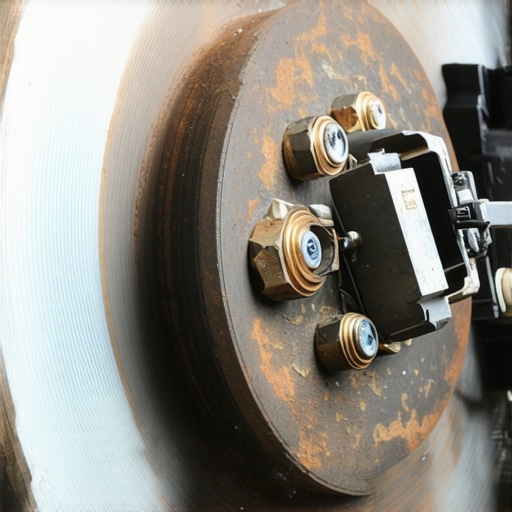
The Invisible Air Leak Messing With Your Pedal
Your power brakes operate on vacuum pressure pulled directly from your engine. If your engine’s idle is stumbling because of the hidden vacuum leak that makes your car stall at stoplights, that pressure won’t be consistent. When the vacuum drops, the brake booster struggles to maintain the same level of assist, causing the pedal to slightly rise or pulse under your foot. It is a subtle tug-of-war happening behind the firewall. If you notice your dashboard lights dimming or the needle on your tachometer bouncing while you feel the thump, you are likely looking at an engine performance issue rather than a mechanical brake failure.
Worn Out Rubber is Often the Real Culprit
Sometimes the ‘thump’ isn’t the brakes at all—it is the engine’s vibration being physically transmitted to your foot. Your engine and transmission sit on heavy-duty rubber mounts designed to absorb movement. When these mounts tear or harden with age, the engine’s natural vibration at idle bypasses the dampening and travels through the chassis. I once chased a ‘brake pulse’ for weeks on an old Honda, only to find that the rear transmission mount had snapped. The engine was essentially resting on the frame, and every combustion stroke felt like a kick to the bottom of my shoe. Before assuming you need a transmission overhaul, use a floor jack to slightly support the engine; if the vibration stops, you’ve found your broken mount.
Check for Software Glitches and Sensor Sensitivity
Modern vehicles are increasingly reliant on electronics for every movement. A software bug or a miscalibrated sensor can lead to the subtle error that makes your cars automatic braking too-sensitive. This can cause the calipers to ‘micro-bite’ while you are stopped if the computer thinks the car is creeping forward. Unlike a mechanical shudder, this feels more like a digital twitch. If your car is still under warranty, this is often fixed with a simple ‘reflash’ or software update at the dealer, which is far cheaper than replacing hardware that isn’t actually broken.Let’s dig deeper into why we so often look in the wrong places when our cars start acting up. Most people think that a tune-up is a magical cure-all for any vibration, but that is a dated perspective from the carburetor era.
Stop Chasing Spark Plugs for Every Shudder
The common belief is that if the car is shaking at a stop, it must be the ignition system or fouled plugs. However, in my experience, throwing parts at the engine before checking the chassis is the fastest way to empty your wallet. While you want to maximize your cars lifespan with regular tune-ups, a standard plug swap won’t fix a torn mount or a sensor sending erratic signals to the ABS. I’ve seen people spend $500 on maintenance packages when the real issue was a $20 frayed cable causing an electrical bottleneck.
Can a Simple Loose Wire Mimic a Dying Transmission?
Absolutely. This is where most DIYers and even some pros get tripped up by the ‘oops’ factor. There is a specific phenomenon known as the hidden ground strap that causes weird electrical ghosts. If the engine isn’t properly grounded to the frame, the electrical interference can mess with the sensitive solenoids that control your idle speed and brake assist. It feels like a mechanical thump, but it’s actually an electrical hiccup. According to the National Institute for Automotive Service Excellence (ASE), complex electrical issues are among the most frequently misdiagnosed problems in modern vehicles because they often present as mechanical failures. 
Don’t Fall for the Expensive Rebuild Trap
If a shop tells you that your standstill vibration requires a full gear-set replacement, you need to know how to tell if a transmission shop is lying about a rebuild. A vibration at a stop is almost never internal transmission damage. While understanding how transmission overhauls save you money in the long run is important for slipping gears, it is an expensive mistake for a simple idle pulse or a vacuum leak. Have you ever fallen into this trap and paid for a major repair that didn’t actually fix the underlying vibration? Let me know in the comments. Digging into these nuances saves you thousands—don’t let a nervous brake pedal scare you into a major financial blunder.
Stop Guessing and Start Reading Live Data
If you want to move beyond the ‘parts cannon’ approach to repair, you need to see what your car is thinking in real-time. For years, I relied on gut feeling, but the moment I bought a $20 Bluetooth OBD-II adapter, my diagnostic life changed. This tool allows you to watch ‘live data’ on your phone. If you feel that weird thump at a red light, you can look at individual wheel speed sensors. If three sensors show 0 MPH and one is flickering to 2 MPH while you are sitting still, you have found your ghost. This is far more efficient than guessing if you need how transmission overhauls save you money in the long run when the problem is actually a dirty sensor. I specifically recommend apps like Torque Pro or OBD Fusion because they let you graph the data, making it easy to spot a ‘noisy’ electrical signal that causes the ABS to kick in erroneously. 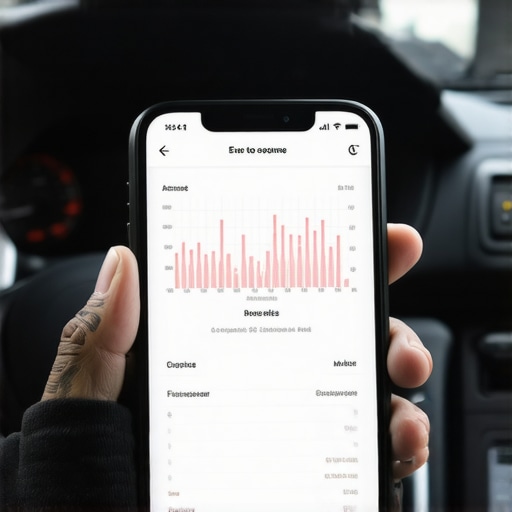
How do I maintain a smooth idle over time?
The secret isn’t a single big repair; it’s the accumulation of small wins. To maximize your cars lifespan with regular tune-ups, you should treat your engine bay like a living system. Every six months, I perform a ‘wiggle test’ on my main wiring harnesses and ground straps. You would be surprised how many vibrations are solved by simply tightening a 10mm bolt. I also keep a the 10 dollar tool that saves your engine from overheating—a basic infrared thermometer—to check for hot spots on the radiator and block, which can indicate a failing water pump or a clogged passage that might cause a rough, thumping idle.
Master Your Multimeter to Kill Electrical Ghosts
If you have ruled out mechanical parts, you have to get comfortable with a basic multimeter. Most people are intimidated by them, but you only need to know one setting: DC Voltage. You can use it to how to find a parasitic battery drain with a simple multimeter or, more importantly for our thumping pedal issue, to check the health of your ground points. According to the SAE J1979 diagnostic standard, modern vehicles require extremely stable voltage to process sensor data correctly. Even a minor drop of 0.5 volts due to a corroded terminal can cause the computer to misinterpret a stationary car as moving. If you hear a whining noise while turning the wheel during these tests, don’t panic; it might just be the 20 dollar fix for a whining power steering pump rather than a total steering rack failure.
The Future of Home Diagnostics
We are heading toward a world where your car will likely email you a PDF of its own faults before you even feel a vibration. Telematics and AI-driven diagnostics are becoming standard, but for those of us driving ‘analogue’ machines from the last two decades, the hardware approach is still king. I predict we will see more affordable thermal imaging tools for DIYers, which will make finding a vacuum leak or a sticking brake caliper as easy as looking through a viewfinder. Before you head to the shop for your next essential car service tips for safe summer drives, I want you to try one thing: pop your hood while the car is idling and carefully move the wiring harness near your ABS module. If the idle changes or the pedal thumps, you’ve found a loose connection that costs zero dollars to fix.
Hard-Won Lessons from My Decade Under the Hood
I’ve spent more hours than I’d like to admit chasing vibrations that didn’t exist, and the biggest takeaway is that dirt is often the enemy, not broken metal. Before you ever pull a wrench, spend ten minutes with a rag and some cleaner on your ABS sensors; it’s the highest ROI task in your garage. Another thing I learned is that “electrical ghosts” are real, especially the hidden ground strap that causes weird electrical ghosts which can trick your car’s brain into thinking you’re moving while you’re stopped. Finally, don’t let the complexity of a modern car intimidate you. Most systems are just a collection of sensors and wires that need a steady connection to function properly. #IMAGE_PLACEHOLDER_E#
My Personal Diagnostics Starter Pack
When friends ask me how I manage my own repairs, I point them to these four essentials:
- The Bluetooth OBD-II Adapter: Combined with an app like Torque Pro, this is your direct line to the car’s thoughts. It’s how I avoid being scammed when I need to know how to tell if a transmission shop is lying about a rebuild.
- A Reliable Multimeter: This is vital for checking battery health and learning how to find a parasitic battery drain with a simple multimeter.
- Infrared Thermometer: I call this the 10 dollar tool that saves your engine from overheating because it detects friction and heat before the smoke starts.
- Factory Service Manuals: Forums are great, but the literal blueprint for your specific VIN is the only way to ensure your maximize your cars lifespan with regular tune-ups are actually effective.
Master Your Machine and Drive with Confidence
Solving a mysterious thumping under your foot is about more than just comfort; it’s about regaining trust in your vehicle. When you take the time to look for top signs your car needs expert auto repair now, you move from being a passive passenger to an empowered owner. Don’t be afraid to get your hands dirty or try a new diagnostic tool before heading to the shop. With the right approach, you’ll keep your car on the road longer and handle every essential car service tips for safe summer drives with ease. Proper auto repair isn’t a dark art—it’s just a series of logical steps and the right information. Have you ever felt a vibration that completely disappeared after a simple cleaning or a cheap part swap? Let me know in the comments below!