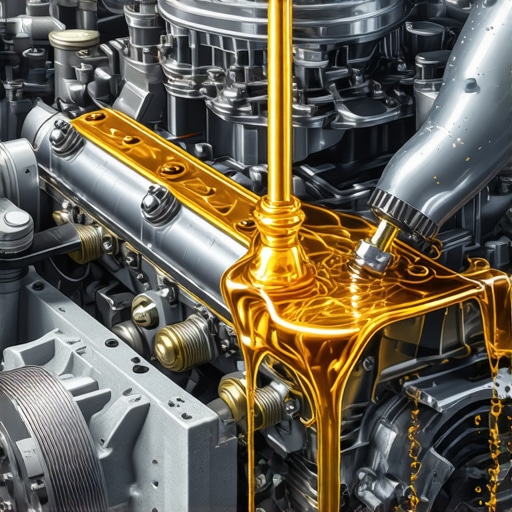
Have you ever been halfway through a routine oil change only to notice puddles forming under your car the next morning? I remember the frustration and confusion I felt when my trusty old engine started dripping oil after switching to synthetic. It was a lightbulb moment for me, realizing that sometimes, what seems like an upgrade can unexpectedly cause new problems.
The Unexpected Leak: A Personal Discovery
Switching to synthetic oil is often touted as a way to keep your engine running smoother and last longer. But if your vehicle is older, like mine, you might encounter a strange side effect: leaks that weren’t there before. I initially dismissed it as a coincidence, but after a few weeks, the puddles grew larger, and I started worrying about potential engine damage. That’s when I learned that synthetic oils, with their different chemical compositions and higher detergency, could actually exacerbate existing leaks or even create new ones, especially in engines with worn seals.
This realization changed how I approached engine maintenance. I promised myself I’d figure out the root cause and find a way to fix it without turning the repair into a costly nightmare. And I want to share that journey with you, so you don’t have to go through the same confusion and frustration.
What You Need to Know Before Switching to Synthetic Oil
Many car owners are unaware that synthetic oils are more effective at cleaning engines, but this cleaning action can lead to increased leakiness if your gasket or seals are already compromised. According to experts at the collisionfixer.com, old seals and gasket materials may shrink or crack when exposed to the detergents and solvents in synthetic oils, making leaks more likely. This is not a flaw in synthetic oils—they simply react with your engine’s existing condition.
What I failed to do early on was assess my engine’s seals before switching oils. I would recommend doing a thorough inspection or consulting with a trusted mechanic to evaluate your engine’s condition, especially if it’s seen many miles or rough conditions. This way, you can balance the benefits of synthetic oil with the necessary preventive maintenance.
Have you experienced similar issues after switching to synthetic? Drop a comment below—I’d love to hear your story!
Now that I understand the cause, I’ll walk you through some practical steps to prevent and fix leaks caused by synthetic oil. So, stay tuned, and let’s get your engine sealing tight again without breaking the bank or risking further damage.
Assess Seal Health Before Switching Oils
Start with a thorough inspection of your engine’s seals and gaskets. Use a flashlight and mirror to check for cracks, dryness, or signs of wear, especially around valve covers and oil pan seals. I recall the time I noticed my gasket looking brittle; replacing it prevented future leaks after switching to synthetic. This step ensures your engine can handle the more aggressive cleaning action of synthetic oil without leaking.
Perform a Visual Inspection
Remove engine covers if necessary, and examine gasket surfaces closely. Look for oil residue, cracks, or bulges. Pay special attention to the valve cover gasket and oil pan gasket, as these are common leak points that synthetic oils can exacerbate if compromised. If you find damaged seals, replacing them now prevents a messy leak down the road.
Prepare Your Engine for Re-Sealing
Clean all gasket mating surfaces thoroughly with a brake cleaner or gasket scraper. Remove old sealant or residues that can prevent a proper seal. Think of this like preparing a clean canvas for a mural — a spotless surface ensures the new gasket adheres correctly, preventing leaks. Use a plastic scraper to avoid gouging the metal surface, which could cause future leaks.
Apply High-Quality Gasket Sealant
If the manufacturer recommends, apply a thin layer of gasket sealant compatible with your vehicle. Be precise; excessive sealant can enter the engine and cause issues. During my last gasket replacement, I used a silicone-based sealant recommended by my mechanic, which created a tighter, long-lasting seal.
Replace and Torque Seals Properly
Install new gaskets and tighten bolts in the recommended sequence and torque specifications. Over-tightening can deform gaskets, leading to leaks, while under-tightening leaves gaps. Use a torque wrench to get it right. I learned this the hard way when I under-tightened my valve cover bolts, which caused a small leak that turned into a bigger mess.
Double-Check Your Work
After reassembling, inspect the sealed surfaces for proper alignment. Start the engine and let it run for a few minutes, then turn it off and inspect for any signs of leaks. It’s a critical step — I remember a time when I missed a bolt and detected a leak after the test run, leading me to re-tighten everything properly.
Maintain Engine Cleanliness and Regular Checks
Routine inspections, especially after switching to synthetic oil, are vital. Keep an eye on oil levels and look for signs of fresh leaks. Regularly changing your oil as per manufacturer guidelines and visiting a trusted service provider like collisionfixer.com ensures your engine remains sealed and functioning optimally.
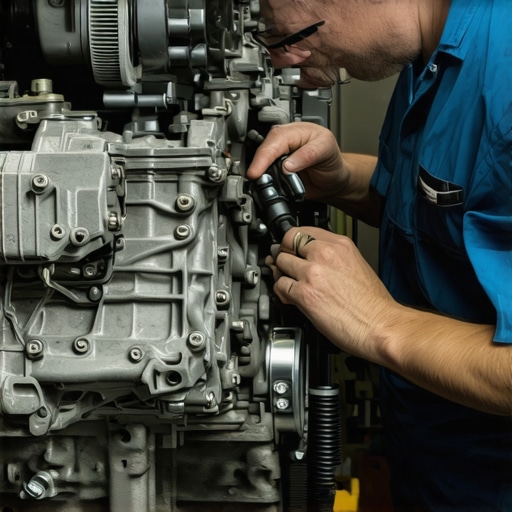 Many car owners believe that all transmission services are created equal, but the truth is far more nuanced. A widespread myth is that a simple transmission flush is always necessary every other oil change; however, based on industry insights such as those from collisionfixer.com, partial fluid changes and targeted repairs often provide better long-term value. Falling for the “more is better” trap can lead to unnecessary expense and even damage. Additionally, some assume that transmission repairs are always quick and inexpensive—what many don’t realize is that timely diagnostics and understanding the specific failure modes, like worn clutches or solenoid issues, are essential for effective fixes. Overlooking this milestone increases the risk of costly overhauls down the road. Another common mistake involves neglecting regular tune-ups; many drivers wait for noticeable issues, but preventative maintenance like inspecting fluid levels and examining for leaks can catch problems early, saving money and preventing breakdowns. Be cautious of falling into the trap of assuming that all auto repairs are purely mechanical; modern vehicles rely heavily on electronic systems, so understanding and maintaining advanced sensors and wiring is equally important. Contrary to popular beliefs, a comprehensive approach combining mechanical and electronic diagnostics often yields the best results. Are you aware of the subtle signs your vehicle gives before a major failure? Learning to interpret early warning signals can save you money and stress. Consider reading up on top signs your car needs professional repair to stay ahead of costly surprises. Remember, the key lies in a holistic understanding—regular maintenance, proper diagnostics, and avoiding common pitfalls can extend your vehicle’s lifespan significantly.
Essential Tools for a Home Garage
Maintaining your vehicle’s performance over time requires the right equipment. I personally swear by a quality digital multimeter for diagnosing electrical issues. It’s precise and easy to use, saving me time and money when checking battery health or alternator output. For fluid and filter changes, a power torque wrench ensures bolts are tightened to manufacturer specifications, preventing leaks or component failures. These tools have become my staples because they provide reliability and accuracy, which is crucial when working on vital systems like transmission or engine seals.
Precision Matters: The Impact of Proper Torque
Using a torque wrench correctly can significantly extend your vehicle’s lifespan. Over-tightening can deform parts, while under-tightening increases the risk of leaks or parts coming loose. I always refer to the vehicle’s service manual — a small detail that many overlook — to determine the exact specifications. Investing in a digital torque wrench, which displays the torque reading, has paid off in consistent, quality repairs. This level of precision ensures long-term benefits, especially when reassembling critical components like cylinder heads or oil pans.
Software Solutions for Better Diagnostics
Beyond physical tools, I use advanced diagnostic software like OBD2 scanners with live data capabilities. My go-to is the BlueDriver app paired with a Bluetooth adapter, because it provides real-time engine parameter readings and trouble code definitions that are easy to interpret. This software helps me identify issues early, whether it’s a failing sensor or subtle oil consumption patterns. As automotive electronics grow more complex, investing in up-to-date diagnostic tools is vital for accurate troubleshooting and planned maintenance.
Stay Ahead with Regular Data Checks
Routine scans can prevent costly breakdowns. For example, monitoring sensor data such as coolant temperature or transmission fluid status can reveal impending problems. I recommend incorporating these scans into your maintenance schedule, ideally monthly. It’s a proactive approach that keeps your car running smoothly and avoids surprises during busy weeks.
Long-Term Strategies for Maintainance and Scaling
As your vehicle ages, scaling your maintenance routine becomes essential. Regularly scheduled tune-ups not only prolongs engine health but also optimizes performance, fuel efficiency, and safety. For larger projects like transmission overhauls, understanding the importance of proper fluid exchange—using the right fluids and seals—can save thousands. Tools like fluid extractors and professional-grade transmission flush machines streamline this process, making DIY much more feasible and effective.
How do I keep my auto repair skills sharp over time?
I stay updated through reputable sources like collisionfixer.com and participate in online forums, which help me learn about emerging trends and best practices. As technology advances, I predict that diagnostic software will increasingly incorporate AI, offering predictive maintenance insights. Embracing these tools now prepares you for future challenges — so, try upgrading your diagnostic setup with a modern OBD2 scanner and see how much more confidently you can troubleshoot issues before they worsen.
Remember, the key to long-term vehicle health is continuous learning combined with the right equipment. If you’re ready to take your maintenance to the next level, explore comprehensive guides on diagnostics and maintenance techniques and consider investing in a professional-grade toolkit. Your car will thank you for it, and you’ll save money by catching problems early and performing precise repairs yourself.
Lessons That Changed My Approach to Engine Care
- Never assume new products are always better for your vintage engine. Switching to synthetic oil felt like a move forward but revealed hidden vulnerabilities in my engine seals. Listening to my engine’s hidden signals taught me to evaluate its condition thoroughly before making changes.
- Visual inspections can save you from costly surprises. Checking seals and gaskets regularly prevented minor issues from becoming major leaks, especially after switching oils. A simple inspection can make all the difference in engine longevity.
- The importance of proper sealing techniques cannot be overstated. Cleaning mating surfaces and applying high-quality sealant ensured a tight, leak-free seal. Small details like torque specifications and sequence affect the health of your engine.
- Proactive maintenance beats reactive fixes every time. Routine checks and timely gasket replacements keep the engine running smoothly, saving money and stress in the long run.
- Understanding your engine’s unique needs is key. Each vehicle has its quirks, and what works for one may not work for another. Customizing your maintenance routine—like assessing seal health before switching oils—can extend your engine’s lifespan.
My Toolkit for Smarter Auto Care
- Reliable Sealant and Gasket Sets: I trust high-quality, OEM-recommended materials that fit my vehicle perfectly, reducing the risk of leaks after repairs.
- Torque Wrench with Digital Readout: Precision is vital; I use my torque wrench to ensure bolts are tightened to exact specifications, preventing deformation or leaks.
- OBD2 Diagnostic Scanner: Modern vehicles demand modern tools. My BlueDriver scanner provides instant insights, helping me spot early signs of seal or gasket issues.
- Regular Service Guides: Staying updated with trusted sources like collisionfixer.com ensures I’m aware of latest techniques and recalls, enabling me to maintain my vehicle effectively.
Your Next Step in Boosting Engine Confidence
Take control of your vehicle’s health by learning to recognize early leak signs and understanding when to seek professional help. The right knowledge and tools make all the difference. Remember, a well-maintained engine is your strongest ally on the road. Ready to explore more advanced diagnostics? Consider visiting collisionfixer.com for expert maintenance tips. Have you faced unexpected leaks after switching to synthetic oil? Share your experience below and let’s learn together!