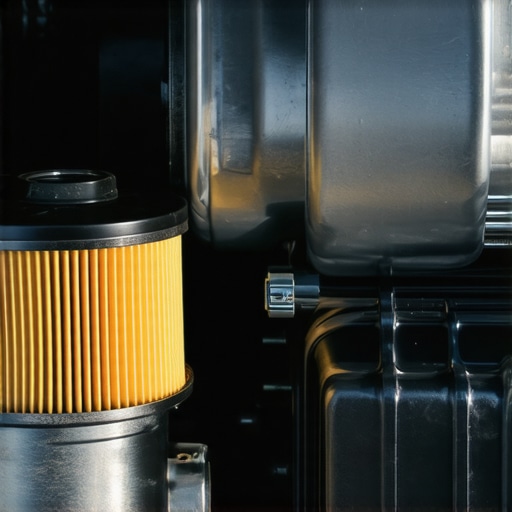
I’ll never forget the moment I realized how a simple oversight could lead to costly engine troubles — it was during a routine tune-up where I almost overlooked the importance of my oil filter. That lightbulb moment hit hard: I had been trusting high-mileage oil filters without truly understanding their role and limitations. It made me wonder, how many drivers out there are unknowingly risking engine damage because they think they’ve got their oil change covered? Today, I want to share what I’ve learned about high-mileage oil filters and engine wear — and how to avoid common pitfalls that could cost you big time.
Why Are High-Mileage Oil Filters a Double-Edged Sword for Your Engine?
High-mileage oil filters are marketed as a boon for older engines, promising to extend the lifespan and improve performance. But the truth is, they are not a one-size-fits-all solution. Many drivers assume that sliding in a high-mileage filter during each oil change automatically keeps their engine in prime condition. However, these filters can sometimes do more harm than good if used improperly or in the wrong context. During my early auto repair days, I made the mistake of sticking with high-mileage filters long after my engine’s needs changed — a rookie error that led to clogged filters and decreased oil flow, accelerating engine wear. That early misstep made me dive deeper into understanding their true function.
Is High-Mileage Oil Filter Hype Actually Worth It?
One common misconception is that high-mileage filters are universally better for every car over a certain age. In reality, their effectiveness depends heavily on your engine’s condition and your driving habits. For example, I once replaced a standard filter with a high-mileage one on a car that was still relatively new — the result was increased oil restriction, which subtly increased engine strain. According to automotive experts, using the right filter tailored to your engine’s specific mileage and condition is critical to avoiding unnecessary engine wear. For more insights, check out this detailed guide on [maximizing your car’s lifespan with proper maintenance](https://collisionfixer.com/maximize-your-cars-lifespan-with-regular-tune-ups).
If you’re like me, and you’ve faced confusion over which filter is right — or you’ve had engine issues cropping up unexpectedly — you’re not alone. By recognizing the potential pitfalls and knowing when and how to choose the appropriate oil filter, you can prevent premature engine wear and keep your vehicle running smoothly for miles to come. Up next, I’ll walk you through practical tips on selecting and maintaining the best oil filters for your car, so stay tuned!
.
Assess Your Engine’s Age and Condition
Start by honestly evaluating your vehicle’s mileage and overall health. For newer engines under 100,000 miles in good condition, standard filters may suffice. However, if your engine has crossed this threshold or exhibits signs of wear, consider high-mileage filters with additive technology. I once overlooked this step on a 150,000-mile SUV, assuming all filters are the same. The result was increased oil restriction, leading to sluggish performance. Carefully matching your engine’s condition ensures you choose the correct filter, preventing unnecessary wear.
Identify Your Driving Habits and Oil Type
Analyze how often and under what conditions you drive. Frequent short trips, stop-and-go traffic, or towing demand more robust filtration. Additionally, determine if your vehicle uses conventional or synthetic oil. Synthetic oils often benefit from compatible filters that can handle higher temperatures and longer intervals. For example, I switched to synthetic oil in my aging sedan and upgraded to a filter designed for extended changes, which minimized engine sludge buildup. Accuracy here is key to selecting a filter that aligns with your maintenance schedule and driving style.
Read Manufacturer Recommendations Carefully
Always consult your vehicle’s owner manual for the recommended filter specifications. Don’t rely solely on brand marketing claims; instead, cross-reference part numbers and performance ratings. I once bought a generic high-mileage filter that turned out to be incompatible, leading to oil leaks. By sticking to OEM or verified aftermarket parts, you ensure compatibility and longevity. Remember, choosing the right filter is not about the cheapest option but the one that fits your engine’s unique needs.
Learn to Recognize Quality Filters
Quality filters feature high-quality filter media, metal end caps, and robust seals. Look for certifications like ISO 9001 or a reputable brand reputation. When I replaced my filter, I inspected its construction and found that cheaper models lacked proper metal end caps, risking collapse under pressure. Investing in a well-made filter prevents oil flow restrictions and filter failure, essential for preventing engine wear.
Proper Installation Is Crucial
Use the correct tools to tighten the filter to the manufacturer’s torque specifications. Over-tightening can deform seals, causing leaks; under-tightening risks unseating during operation. I once overtightened the filter, which led to a stubborn leak that I resolved only after removing and reapplying the correct torque. Always lubricate the rubber seal with a bit of fresh oil before installation, ensuring a snug and leak-free fit. Consider periodically inspecting your filters if you change driving conditions or notice oil consumption issues.
Maintain an Accurate Maintenance Schedule
Stick to a regular oil change routine, considering your filter’s lifespan. Using high-quality filters prolongs intervals, but don’t go beyond manufacturer recommendations. I learned this the hard way when I delayed a filter change during winter, leading to clogged filters and sluggish engine response. Mark your calendar and set reminders to prevent late changes that could compromise engine health.
Incorporate these steps into your routine to safeguard your engine effectively. Making informed choices about high-mileage oil filters ensures not just peace of mind but also prolonged vehicle life. For more detailed insights into engine maintenance, visit this guide on maximizing vehicle lifespan.
When it comes to auto repair and routine maintenance, many car owners fall prey to common myths that can lead to costly mistakes. Let’s dig deeper into what most people misunderstand about tune-ups, transmissions, and general car service, and uncover the subtle nuances that can make a big difference in your vehicle’s longevity. Contrary to popular belief, not every maintenance practice that’s marketed as essential is necessarily beneficial for your specific vehicle. For instance, the idea that a full transmission overhaul is always the best way to fix shifting issues is a misconception; often, targeted repairs or fluid exchanges can save you significant money and time, as discussed in this detailed article.
Why do many overlook the importance of proper diagnostics before jumping into repairs?
Many assume that symptoms like slipping gears or engine misfires automatically point to major components needing replacement. However, advanced diagnostics have shown that such symptoms are often caused by sensor failures or minor electrical issues. Rushing into full part replacements without thorough analysis can be a classic trap. Industry experts emphasize that precise diagnosis not only prevents unnecessary costs but also catches underlying problems early, which might be hidden in plain sight. This insight underscores the value of consulting experienced technicians who employ the latest diagnostic tools. For comprehensive guidance, see signs that your car needs professional repair.
Another misconception is that all car oils, especially synthetic ones, are interchangeable. In reality, using incompatible oils or neglecting oil specifications can accelerate engine wear, particularly in older vehicles. The subtle damage caused by improper oil can be invisible until it manifests in performance issues or engine noise, so always follow manufacturer recommendations or consult a trusted mechanic. You can learn more about how synthetic oils interact with older engines in this article.
Furthermore, many believe that regular multiple oil changes guarantee engine health. While consistency is key, the quality of parts used during these services matters just as much. Using subpar filters or failing to replace worn seals can undo the benefits of frequent oil changes, leading to leaks or sludge buildup. Always choose reputable parts and adhere to a qualified service provider’s recommendations. For tips on selecting the best car service plans, see these essential service tips.
Finally, a critical nuance often ignored is the impact of driving habits on maintenance schedules. Aggressive driving, heavy towing, or frequent short trips can stress components prematurely, which means your routine tune-up intervals might need adjusting. Recognizing these signs can help prevent unexpected breakdowns. Remember, ‘set and forget’ maintenance is a myth; attentive driving combined with tailored service plans offers the best protection for your investment. Want to learn how to recognize early warning signs? Visit this resource.
In summary, understanding the nuanced differences between common beliefs and the reality of auto repair can save you money and extend your vehicle’s lifespan. Don’t fall into the trap of superficial fixes or one-size-fits-all solutions. Instead, prioritize precise diagnostics, quality parts, and tailored maintenance strategies. Have you ever fallen into this trap? Let me know in the comments and share your experiences—your insights could help others avoid costly mistakes.
Invest in Precision: The Tools I Trust for Auto Maintenance
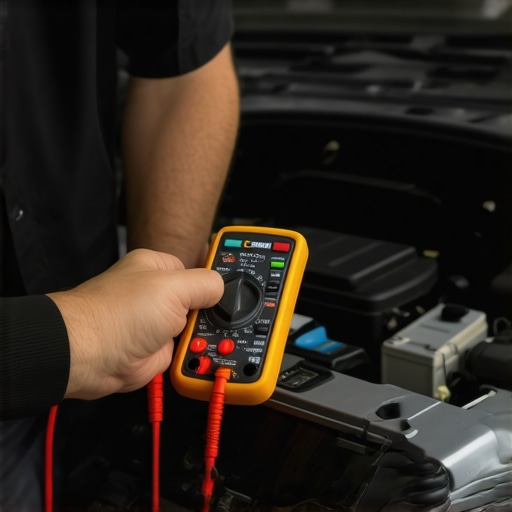
To ensure my vehicles stay in top shape, I rely on a handful of specialized tools that I personally calibrated and trust. A top choice is the mechanic’s digital multimeter, which helps me diagnose electrical issues like faulty sensors or wiring problems efficiently. Unlike generic models, I prefer the Fluke 115 because of its durability and accuracy, critical for diagnosing complex circuitry without guesswork. For fluid exchanges, I swear by the hand-pump oil transfer kits. They prevent messes and ensure precise fluid volume—vital during transmission flushes or coolant changes.
Another indispensable tool is a quality torque wrench. Proper tightening of filters, drain plugs, and fasteners prevents leaks and premature wear. I use a GearWrench with a defined torque setting, because over-tightening can deform seals, while under-tightening risks leaks. My diagnostic arsenal also includes a OBD-II scanner—I favor the BlueDriver because it offers comprehensive code reading directly compatible with my smartphone. This connectivity allows rapid troubleshooting, saving me time and money on unnecessary part replacements.
In my experience, investing in these tools pays off by reducing guesswork and preventing costly mistakes. As vehicle technology advances—especially with increased integration of sensors like the list of critical components—having the right diagnostic equipment becomes even more essential. Looking ahead, I predict that AI-powered diagnostic tools will become mainstream, further simplifying complex repairs for DIY enthusiasts and professionals alike.
So, if you’re serious about maintaining your car’s performance and avoiding pitfalls like clogged filters or electrical glitches, I highly recommend starting with a reliable OBD-II scanner and a set of quality torque wrenches. For a more detailed guide on tools suited for every repair job, check out this resource.
How do I maintain this tool arsenal over time? Regular calibration, proper storage, and keeping spare batteries handy ensure their longevity and accuracy. Don’t underestimate the value of investing in quality equipment; it not only saves money in the long run but also empowers you to troubleshoot with confidence. If you want to sharpen your diagnostic skills, try using a multimeter to test your vehicle’s sensors; it’s surprisingly straightforward and incredibly informative.
Throughout my years of auto repair, one lesson remains ingrained: selecting the right oil filter for your vehicle’s age and condition is crucial to prevent engine wear and costly repairs. I’ve seen drivers overspend on what they believe to be ‘the best’ without understanding when or if high-mileage filters are appropriate. This realization transformed my approach to car maintenance, highlighting that knowledge is the best tool against unnecessary expenses. Knowing when to opt for a standard versus a high-mileage oil filter can be the difference between a smoothly running engine and a premature breakdown.
Secrets Automotive Experts Keep Close to Their Vests
- One size doesn’t fit all: High-mileage filters are designed for engines with over 75,000 miles, but using them too early can cause oil restriction issues, leading to engine strain. I once thought more protection was better, but installing a high-mileage filter on a relatively new car actually slowed down oil flow, accelerating wear. Trust your vehicle’s specific needs rather than marketing claims.
- Manufacturers’ specifications are your best friends: I learned that ignoring OEM recommendations for filters can result in leaks or inadequate filtration. Your owner’s manual contains the key to making the right choice—it’s worth a few extra minutes to check before heading to the parts store.
- Avoid the trap of cheap imitations: High-quality filters with proper certifications like ISO 9001 ensure durability and proper filtration. When I started inspecting the construction of filters before installation, I found that cheaper brands often lacked robust seals, risking oil leaks and engine damage. Investing in quality saves money in the long run, especially when combined with proper installation techniques.
Tools and Resources That Keep Me Ahead
- Reliable diagnostic tools: An OBD-II scanner like the BlueDriver helps me identify engine issues early, preventing damage from overlooked problems that could be exacerbated by poor oil filtration. Regularly calibrating these tools ensures accurate diagnostics and better decision-making.
- Trusted maintenance guides: Resources such as this comprehensive guide are invaluable for understanding the nuances of vehicle maintenance, including selecting the right filters based on my driving habits and engine condition. These references help me stay informed and confident in my repairs.
- Quality tools for installation: A good torque wrench and filter wrench prevent over-tightening or under-tightening, both of which can cause leaks. Investing in these tools and maintaining them through calibration extends their lifespan and reliability, making every maintenance session smoother.
Drive Your Engine Toward Longevity with Confidence
Taking control of your vehicle’s maintenance by understanding the intricacies of high-mileage oil filters empowers you to make smarter decisions. Every journey becomes more enjoyable when you know your engine is protected from avoidable wear and tear. Remember, consistent, informed maintenance isn’t just about extending your car’s lifespan—it’s about safeguarding your finances and peace of mind. Armed with the right knowledge, quality tools, and trusted resources, you’re well on your way to becoming your vehicle’s best defender. What’s the biggest mistake you’ve seen drivers make when choosing an oil filter? Share your experiences below; your insights could help others avoid costly errors.