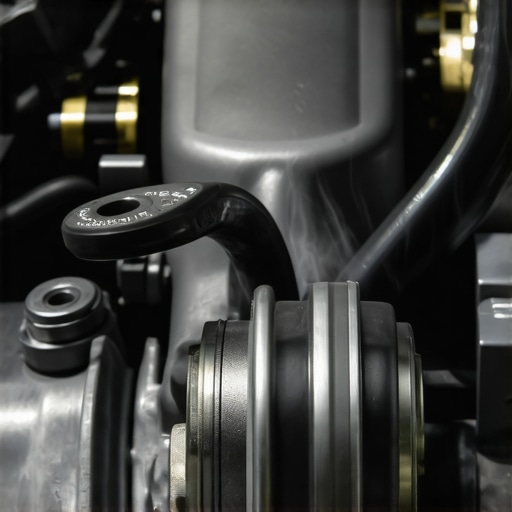
I was pulling into my driveway last Tuesday when I heard it—that high-pitched, piercing shriek that sounded exactly like a tea kettle hitting its boiling point. It wasn’t coming from my kitchen; it was coming directly from my engine bay. My neighbor, Dave, looked up from his lawnmower with that classic “good luck with that” expression we all dread. I felt that familiar pit in my stomach, the one where you start calculating how many digits are about to vanish from your bank account. I have spent years under the chassis of everything from beat-up old Civics to vintage trucks, but that specific whistle still makes my hair stand on end. It’s visceral, embarrassing, and frankly, a bit scary when you’re five miles from home and just want to park. Sometimes the whistle is a steady drone, and other times it chirps like a cricket on caffeine. Mistakes happen to the best of us, and I once spent an entire Saturday morning chasing a “ghost whistle” only to realize I hadn’t tightened a simple cap!
Don’t Ignore the Tea Kettle Under Your Hood
I’ll be the first to admit I haven’t always been the “perfect” car owner. Years ago, I ignored a similar faint whistling sound because I figured it was just an old belt being moody on a cold morning. I kept driving, turning up the radio to drown it out, until that whistle turned into a full-blown scream, followed by a snap that left me stranded on the I-40 at midnight. It turns out, that noise is your car’s way of begging for help before something catastrophic happens. Today, I want to help you decode exactly what that pitch means so you don’t end up like I did, waiting three hours for a tow truck in the rain. Whether it is a tiny vacuum leak or a pulley on its last legs, we are going to pinpoint the culprit and keep your vehicle on the road without the drama.
Most of the time, these sounds are top signs your car needs expert auto repair now, but they don’t always mean you need a whole new engine. According to the automotive experts at Car and Driver, even a pin-sized hole in a vacuum hose can create a whistle loud enough to turn heads in traffic. That tiny hole throws off your internal air-to-fuel ratio, making your car run like garbage and absolutely killing your fuel economy. This is exactly why regular tune-ups are the difference between a five-dollar fix and a thousand-dollar headache. I’ve learned the hard way that a little bit of grease today saves a lot of grief tomorrow.
Is a Little Whistle Really Worth the Trip to a Shop?
I get it. You are busy, the kids need to get to practice, and the car still starts every morning. You might think it is just a cosmetic nuisance or something you can fix “eventually.” But a whistle usually points to a hidden vacuum leak that is slowly starving your engine of the performance it was built for. In my experience, if the whistle changes pitch when you hit the gas pedal, you are likely looking at an intake issue or a belt tensioner that is about to quit. These aren’t just “noises”; they are mechanical warnings. Have you ever had a strange noise that you just hoped would go away on its own, only for it to get louder the next day? I’ve been there too, and I’d love to hear your story in the comments. It’s time we stop guessing and start fixing.
If you’ve been putting off your routine maintenance, checking out some essential car service tips can help you stay ahead of the curve. It is about taking control of the situation before your car decides to take a permanent vacation on the side of the highway. Let’s get into the nitty-gritty of how to tell a harmless whistle from a “stop driving right now” alarm. [IMAGE_PLACE_HOLDER]
Find the Source Before the Screaming Starts
Once you’ve decided to stop ignoring that tea-kettle whistle, you need to become a bit of a mechanical detective. Think of your engine like a giant wind instrument; if there is a hole where there shouldn’t be one, or if a part is spinning off-balance, it is going to make music you don’t want to hear. I remember a humid Saturday spent hunched over a client’s SUV that hummed like a kazoo every time they accelerated. I initially thought it was the transmission, and I was worried we were looking at how transmission overhauls save you money in the long-run, but it turned out to be much simpler. It was a hairline crack in the intake boot. I wasted two hours looking at the big components when the tiny rubber bits were the real villains.
Hunt for Tiny Cracks in Your Vacuum Lines
Vacuum leaks are the most common cause of that high-pitched hiss. Your engine relies on a constant vacuum to manage everything from braking power to fuel mixing. If a hose is brittle or disconnected, air rushes in, creating that signature whistle. To find it, start with the engine off and run your fingers along every rubber hose you see. If it feels crunchy or leaves black soot on your hands, it is toast. Sometimes, a hidden vacuum leak is so small you can’t see it, but it will still make your car stall at stoplights. A pro trick I use is to spray a little bit of soapy water on the hoses while the engine is running; if the bubbles get sucked in or the engine RPM changes, you’ve found your leak.
Check Your Belts for Glazing or Wear
If the whistle sounds more like a chirp or a rhythmic squeal, the culprit is likely a belt. Think of your serpentine belt like a rubber band that is constantly being pulled and heated. Over time, it gets ‘glazed’—which is just a fancy word for becoming smooth and slippery like ice. When it slips against a pulley, it screams. I once had a belt that looked perfectly fine on the outside, but it had lost just enough tension to drive me crazy. Checking this is part of why regular tune-ups are so vital; a mechanic can see the micro-cracks before the belt snaps and takes your alternator with it. If the noise gets louder when you turn the wheel, you might actually be looking at a 20-dollar fix for a whining power steering pump rather than a whole new engine.
#IMAGE_PLACE_HOLDER_B#
Listen to the Bearings with the Stethoscope Method
Sometimes the whistle isn’t air or rubber—it’s metal. Inside your alternator, water pump, and idler pulleys are tiny ball bearings. When the grease inside them dries up, they start to howl. To diagnose this, you can use a long screwdriver as a makeshift stethoscope (carefully!) by placing the tip on the non-moving part of the component and your ear on the handle. If you hear a grinding or a high-pitched metallic whine, that bearing is cooked. Learning how to diagnose a bad wheel bearing by sound alone is a similar skill that saves you from overpaying at the shop. Being able to tell a mechanic ‘it’s the idler pulley’ instead of ‘my car makes a noise’ changes the entire dynamic of the repair and ensures you get a fair shake.
People often walk into a shop and ask for a ‘tune-up’ like it is a magic reset button. In my experience, that is a relic of the 70s. Modern engines are managed by sophisticated computers that adjust timing and fuel trim on the fly. If your car is stumbling, it is rarely because it needs a ‘tune,’ and usually because a sensor is lying to the computer. One of the biggest mistakes I see DIYers make is throwing a new battery at a car that won’t start, when it’s actually the one electrical fault that most mechanics misdiagnose as a dead battery. You spend $150 on a battery only to realize a corroded ground strap was the real villain. Let’s dig deeper into these nuances so you can stop playing the guessing game.
Why Does My Transmission Slip Only When It’s Cold?
This is a question I get from people who really know their vehicles. You back out of the driveway, hit the gas, and the engine revs but the car barely moves—then, five minutes later, it is fine. Most ‘entry-level’ advice tells you the transmission is toast, but there is a nuance here. It is often about fluid viscosity and internal seal shrinkage. You can learn more about why your transmission slips when the engine is cold to avoid a massive repair bill. According to a report by the Automatic Transmission Rebuilders Association (ATRA), nearly 90% of transmission failures are caused by heat and fluid degradation, not mechanical breakage. This is why I always roll my eyes when I see ‘lifetime’ fluid listed in a manual.

The ‘lifetime’ fluid promise is a marketing gimmick, not a mechanical reality. No oil stays chemically stable forever under the shearing forces and heat of a gearbox. If you want to maximize your car’s lifespan with regular tune-ups and maintenance, you ignore that ‘lifetime’ label and change the fluid every 50,000 miles. I’ve seen countless owners end up looking for how to tell if a transmission shop is lying about a rebuild simply because they believed the owner’s manual. Have you ever fallen into this trap and followed the ‘maintenance-free’ advice only to have it backfire? Let me know in the comments.
Another sophisticated trap involves the cooling system. People see the temp needle move and assume the thermostat is stuck. But modern cars have complex fan logic. Sometimes the reason your engine fan runs after you turn the car off is a perfectly normal cooling cycle, yet I’ve seen people replace perfectly good radiators because they didn’t understand the ECU’s post-run protocol. This is where top signs your car needs expert auto repair now becomes about discernment, not just reaction. Understanding these essential car service tips saves you from the parts-cannon approach to repair.
The biggest difference between a guy who spends his weekends at the shop and a guy who spends them on the road is the gear in his toolbox. I used to be a ‘parts-cannon’ mechanic, firing new sensors and belts at a problem until it went away. That is expensive and exhausting. Now, I don’t turn a single bolt until I have data. If you are serious about DIY, you need a decent OBD-II scanner that shows live data, not just code numbers. Being able to see your ‘Long Term Fuel Trim’ in real-time is how you prove that a hidden vacuum leak is actually the culprit behind your engine’s high-pitched whistle. As the ASE technical guides emphasize, Short Term Fuel Trim (STFT) should ideally fluctuate within a +/- 5% range; if you are seeing +25%, your car is desperately dumping extra fuel to compensate for unmetered air entering through a leak.
How do I keep my car running for 300,000 miles?
The secret isn’t magic; it is consistency and catching the small stuff before it cascades. Most people wait for a breakdown, but I look for the ‘pre-leak.’ For example, if you see a tiny damp spot on your valve cover, don’t wait for the smoke. Often, it is just the 15-dollar gasket that stops your slow oil leak and prevents oil from fouling your spark plug holes. I also make it a habit to check for a parasitic battery drain with a simple multimeter every time I change my oil. It takes two minutes to ensure my alternator isn’t working overtime to combat a shorted glovebox light. This level of detail is how you maximize your car’s lifespan with regular tune-ups that actually mean something.
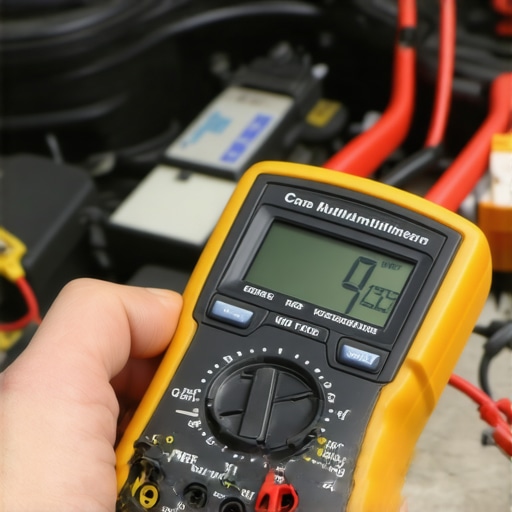
Beyond the engine, long-term health means checking your chassis. I’ve seen beautiful engines wasted because the owner ignored a clunk in the front end. Knowing how to tell if your ball joints are dangerously loose can save you from a catastrophic wheel collapse at 60 mph. I suspect we are moving toward a world where your car will text you a diagnosis before you even hear a squeak, using internal vibration sensors and AI to predict failure weeks in advance. Until then, we are the sensors. If you want to stay ahead of the curve, you have to follow essential car service tips like flushing your brake fluid every two years—something almost everyone ignores until their pedal feels like a sponge. My challenge to you today: Go grab a $20 multimeter and check your battery’s resting voltage tonight. It is the easiest way to start taking ownership of your ride and avoiding those top signs your car needs expert auto repair now before they become emergencies.
Lessons I Paid For in Sweat and Tow Truck Fees
After two decades of wrenching, I’ve realized that the loudest sounds often come from the smallest parts. Here are the lightbulb moments that changed how I approach my own garage time:
- The “Parts-Cannon” is a Money Pit: I used to replace everything I could see, but I learned that 90% of whistles are just air or friction. Testing always beats guessing.
- Maintenance is a Relationship, Not a Chore: If you treat regular tune-ups as an investment rather than a bill, your car will stop surprising you on the highway.
- Trust Your Ears Over Your Ego: When I heard that first whistle, I ignored it because I thought I was ‘too busy.’ That ego-driven delay cost me a transmission. Now, I listen to every reason your transmission slips when the engine is cold and act immediately.
The Three Tools That Stay in My Front Seat
You don’t need a million dollars to diagnose your car like a pro. These are the items I personally trust every single weekend:
First, a decent OBD-II Scanner with Live Data. It’s the only way to see if a hidden vacuum leak is leaning out your fuel mixture. Second, a Multimeter. I use mine to find a parasitic battery drain with a simple multimeter test before the winter hits. Finally, never underestimate a $10 Mechanic’s Stethoscope. It’s the difference between replacing a $40 idler pulley and a $400 alternator. [IMAGE_PLACE_HOLDER]
Take Your Keys Back from the Mystery
Car ownership shouldn’t feel like waiting for a ticking time bomb to go off. When you start recognizing the top signs your car needs expert auto repair now, you transition from a passive passenger to an informed owner. You don’t have to be a master mechanic to notice a new squeak or a drop in fuel economy; you just have to be willing to look under the hood. Following essential car service tips isn’t just about safety; it’s about the peace of mind that comes with knowing your vehicle is solid. Don’t let a small whistle turn into a scream—fix it today and keep your journey smooth. Have you ever struggled with a mystery noise that turned out to be a tiny, five-dollar fix? Let me know below!